


Introduction: Reclaiming Focus on American Roads
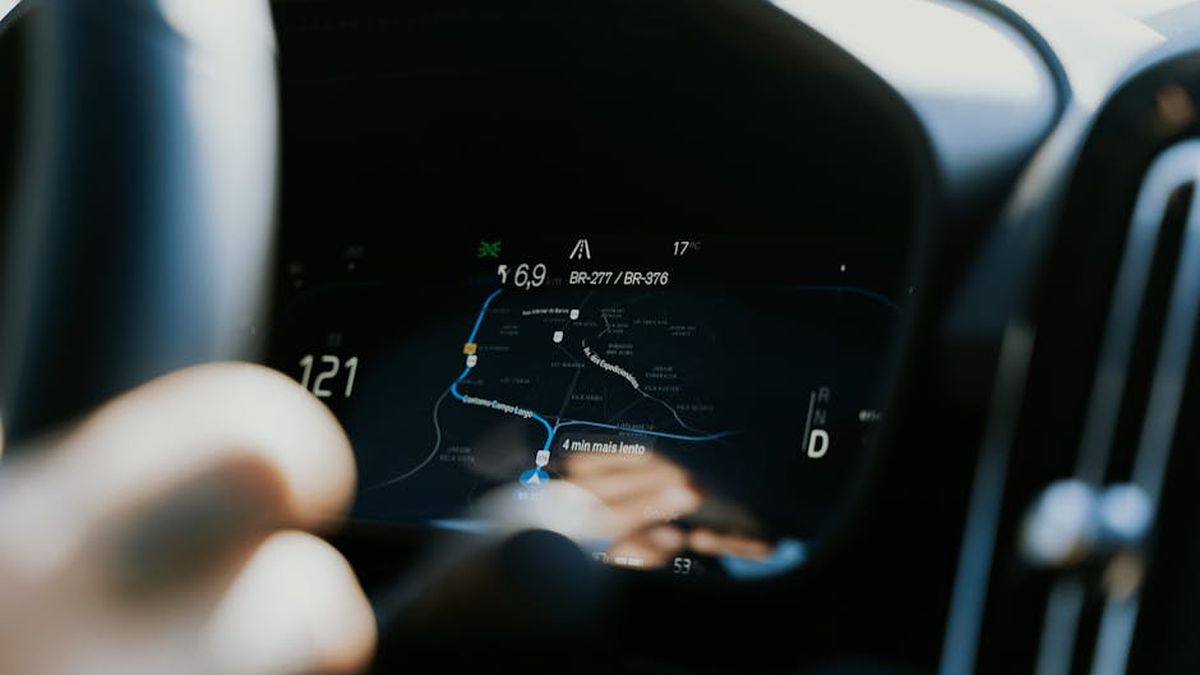
In an era where digital distractions vie for our attention, the act of driving, particularly on busy American highways and complex urban networks, demands unwavering focus. Head-Up Display (HUD) technology has emerged as a promising solution to mitigate driver distraction by projecting crucial information directly into the driver’s line of sight. Today, we put the DriveView Pro HUD Navigator under the microscope, an aftermarket device specifically marketed towards USA drivers. Our aim is to determine if this product truly lives up to its promise of enhancing safety and focus, or if it merely adds another layer of tech to an already saturated dashboard.
Product Overview: What is the DriveView Pro HUD Navigator?
The DriveView Pro HUD Navigator is a standalone, aftermarket Head-Up Display unit designed to project essential driving information, primarily navigation directions and current speed, onto a driver’s windshield. It typically pairs wirelessly with a smartphone running its dedicated application, utilizing the phone’s GPS for navigation data. The device aims to keep a driver’s eyes on the road by eliminating the need to look down at a smartphone or in-dash system for navigation cues or speed verification. It’s pitched as a universal solution, compatible with most vehicles, offering a more integrated and less distracting driving experience for the modern American motorist.
Key Features: Diving into the Technology
- High-Clarity Projection: Utilizes advanced optical projection technology to display information in crisp, easy-to-read graphics, often with adjustable brightness to suit varying light conditions, from bright Californian sunshine to dusky New England evenings.
- GPS-Driven Navigation: Connects to a proprietary or third-party mapping application on a smartphone to project turn-by-turn directions, lane guidance, and estimated arrival times directly onto the windshield.
- Real-Time Speed Display: Continuously shows the current vehicle speed, often sourced via GPS, providing an immediate reference without diverting gaze from the road.
- Customizable Display: Allows users to select what information is displayed (e.g., speed, navigation, compass, traffic alerts) and often offers different color schemes or layouts for personal preference.
- Universal Compatibility: Designed for easy installation in virtually any vehicle, typically requiring only a power source (USB or 12V adapter) and a stable surface on the dashboard.
- Automatic Brightness Adjustment: Integrates an ambient light sensor to automatically adjust the projection’s intensity, ensuring visibility in bright daylight and preventing blinding glare at night.
- Bluetooth Connectivity: Establishes a stable wireless connection with a smartphone for data transfer, ensuring seamless navigation and feature updates.
- Audible Alerts (Optional): Some models may offer optional audible alerts for speed limits, sharp turns, or upcoming traffic incidents, complementing the visual display.
Pros and Cons: A Balanced Perspective
Pros:
- Enhanced Safety: The primary benefit is keeping the driver’s eyes forward, potentially reducing the momentary glances away from the road that contribute to distracted driving incidents. This is particularly valuable on busy freeways or complex urban interchanges common in the USA.
- Reduced Neck Strain: Eliminates the need to constantly look down at a dashboard display or smartphone, which can contribute to neck and eye strain on longer journeys.
- Clear, Centralized Information: Critical driving data is projected directly into the line of sight, making it easily digestible without significant eye movement or refocusing.
- Easy Installation: As an aftermarket device, it’s generally straightforward to set up without professional help, making it accessible to a wide range of users.
- Universal Application: Can be used in older vehicles that lack integrated navigation systems or modern HUD features.
- Improved Night Driving: Can be particularly helpful in low-light conditions by presenting essential information without adding harsh internal screen glare.
Cons:
- Potential for Initial Distraction: While designed to reduce distraction, the novelty of a new projection on the windshield can initially draw attention away from the road until the driver acclimates.
- Ghosting or Double Image: Depending on the vehicle’s windshield glass quality and angle, some users might experience a faint double image or “ghosting” effect, which can be irritating. A specialized reflective film (often included) can mitigate this but adds to the setup.
- Sunlight Washout: While it has auto-brightness, extreme direct sunlight or polarized sunglasses can sometimes wash out the projection, making it temporarily difficult to read.
- Dashboard Clutter: Though less intrusive than a mounted smartphone, it still occupies dashboard space and has a power cable that needs routing, potentially adding to aesthetic clutter.
- Smartphone Dependence: Relies on a smartphone and its cellular data for navigation, meaning its utility is limited if the phone battery dies or signal is lost.
- Cost: Represents an additional expense beyond the smartphone and data plan, which might be a barrier for some budgets.
- App Performance: The quality of the navigation and overall user experience is heavily dependent on the accompanying smartphone application and its ongoing support.
Who Should Buy This?
- Drivers of Older Vehicles: If your car lacks built-in navigation or a modern HUD, the DriveView Pro can be a cost-effective upgrade.
- Commuters on Unfamiliar Routes: Those who frequently travel to new locations or deal with complex interchanges could benefit from glanceable navigation.
- Safety-Conscious Drivers: Individuals prioritizing keeping their eyes on the road and minimizing screen interaction while driving.
- Gadget Enthusiasts: Anyone keen on integrating new technology to enhance their driving experience.
- Long-Haul Drivers: Professionals or individuals who spend significant time behind the wheel and want to reduce visual fatigue.
Who Should Avoid This?
- Drivers with Integrated HUDs: If your vehicle already has a factory-installed HUD, this product would be redundant.
- Minimalists: Those who prefer a completely uncluttered dashboard and want to avoid any additional devices or visible cables.
- Budget-Constrained Buyers: If the cost is a significant concern and a smartphone mount paired with a navigation app suffices for your needs.
- Drivers Prone to Sensory Overload: Individuals who find multiple visual inputs distracting rather than helpful may find the HUD adds to their mental load.
- Those Who Rarely Use Navigation: If your driving is almost exclusively on familiar routes, the benefits may not justify the investment.
Pricing Insight: Value Proposition for the USA Market
The DriveView Pro HUD Navigator typically positions itself in the mid-to-high range for aftermarket HUD units, reflecting its feature set and emphasis on clarity and ease of use. Pricing can vary, often ranging from approximately $150 to $250, depending on the specific model, included accessories (like specialized reflective film or cable management solutions), and retailer. While this represents a notable investment, it’s considerably less expensive than upgrading to a vehicle with a factory-installed HUD, which can add thousands to a car’s purchase price. Related: Best Front and Rear Dash Cams in USA (2026)
Potential buyers should look out for promotional offers, especially around major shopping holidays, which could bring the price down. The true value proposition lies in the intangible benefits of increased safety and reduced driving stress. For many American drivers navigating increasingly congested roads, the ability to maintain focus without constantly shifting gaze could be considered well worth the expenditure. Considering the potential reduction in accident risk, the investment could be seen as a preventative measure. Related: Tested: The AirPump Max Cordless Tire Inflator – A USA Driver’s Must-Have for Roadside Emergencies?
Please note: Prices are subject to change, and specific offers may vary. We recommend checking the official product page or authorized retailers for the most current pricing and availability. Click here to check current deals for the DriveView Pro HUD Navigator: Check Price & Availability. Related: Top-Rated Winter Automotive Safety Gadgets & Emergency Tools in USA (2026)
Comparison: DriveView Pro HUD Navigator vs. Premium Smartphone Mount & App
A common alternative for drivers seeking better navigation visibility is a high-quality smartphone mount combined with a premium navigation application. Let’s compare the two approaches: Related: Best Aftermarket Blind Spot Monitoring Systems in USA (2026) for Enhanced Safety
| Feature | DriveView Pro HUD Navigator | Premium Smartphone Mount & App |
|---|---|---|
| Primary Display Location | Windshield (driver’s line of sight) | Dashboard or air vent (requires looking down/away) |
| Eyes on Road Focus | High, minimal eye movement required | Moderate, requires significant eye movement and refocusing |
| Setup & Clutter | Unit on dash, cable routing. Requires initial placement and alignment. | Mount on dash/vent, phone inserted. Can be more visually intrusive. |
| Information Display | Key data only (speed, turns), customizable. Minimalist. | Full screen (map, speed, additional app features). Can be information-dense. |
| Distraction Level | Lower inherent distraction (no touch interaction needed during drive). | Higher potential distraction (notifications, touch interaction for zoom/reroute). |
| Cost Implications | One-time device purchase ($150-$250), uses existing phone data. | Mount purchase ($20-$80), uses existing phone & data. Potentially free app or subscription for premium features. |
| Power Dependency | Needs continuous power (car), relies on phone battery for data. | Phone needs continuous power (car), relies on phone battery for operation. |
| Ambient Light Performance | Auto-adjusting, typically good, but can be susceptible to extreme direct sunlight. | Screen brightness can be adjusted, but glare can be an issue. |
While a smartphone mount and app are undeniably more cost-effective and versatile for general use, the DriveView Pro specifically targets the issue of driver distraction by placing information where it’s most needed. It offers a dedicated solution for safety and focus that a mounted phone, despite its capabilities, cannot fully replicate due to its off-road-axis placement and potential for notification interference. Related: Best HEPA Car Air Purifiers in USA (2026) for Allergy Sufferers and Odor Elimination
Final Verdict: A Step Towards Safer Driving for the Focused Driver
The DriveView Pro HUD Navigator makes a compelling case for itself as a tool to enhance safety and focus for drivers across the USA. Its core promise of keeping eyes on the road by projecting vital navigation and speed information directly into the driver’s line of sight is largely fulfilled. For those who frequently rely on navigation, drive older vehicles, or simply wish to mitigate the inherent distractions of traditional smartphone or in-dash systems, the DriveView Pro offers a sophisticated and practical solution.
While it isn’t without its minor drawbacks, such as potential initial acclimatization or susceptibility to extreme glare, these are generally manageable and often outweighed by the significant benefits. The investment, while not negligible, could be considered a worthwhile expenditure for the peace of mind that comes with a potentially safer and more focused driving experience. Ultimately, the DriveView Pro HUD Navigator is a thoughtfully designed piece of technology that empowers drivers to navigate the complexities of modern roads with greater confidence and reduced distraction, proving itself to be more than just another gadget, but a genuine aid for the attentive motorist.
Is the DriveView Pro HUD Navigator compatible with most vehicles in the USA, and what’s involved in the setup process?
The DriveView Pro HUD Navigator is designed for broad compatibility with vehicles across the USA. It primarily connects via an OBD-II port, making it suitable for most cars manufactured after 1996. For vehicles without an OBD-II port or electric vehicles, GPS-based models are often available to ensure universal access to its features. Setup is generally quick and straightforward: simply plug the device into your car’s power source or OBD-II port, place it on your dashboard, and it’s ready to project information onto your windshield. No professional installation is typically required.
How does the DriveView Pro specifically improve safety and reduce driver distraction compared to traditional navigation methods?
The DriveView Pro significantly enhances safety by projecting essential navigation and vehicle information directly into your line of sight. Unlike traditional smartphone or in-dash navigation systems that require drivers to look down or away from the road, the HUD keeps your eyes focused ahead. This minimizes head movement, reduces the time your eyes are off the road, and allows for quicker processing of critical data like speed, directions, and lane guidance. By keeping your attention forward, it actively combats distracted driving, promoting a safer driving experience across USA roads.
What navigation features and alerts does the DriveView Pro offer, and are its maps reliable for diverse USA road conditions?
The DriveView Pro offers a comprehensive suite of navigation features crucial for USA drivers. It provides clear, turn-by-turn directions, current speed, posted speed limits, lane guidance, and sometimes even real-time traffic alerts. Many models utilize updated map data, often cloud-based or regularly refreshed, ensuring accuracy for diverse USA road conditions, including urban environments, highways, and rural routes. The display prioritizes essential information, helping drivers navigate efficiently and safely without being overwhelmed by unnecessary details.
Can the DriveView Pro display be easily read in all lighting conditions, from bright USA sunshine to night driving?
Yes, the DriveView Pro is engineered for optimal visibility across varying lighting conditions common in the USA. It typically features an automatically adjusting brightness sensor that adapts the display intensity to ambient light, ensuring it’s clear and legible whether you’re driving under bright midday sun or at night. Many units also incorporate anti-glare technology and offer manual brightness overrides, guaranteeing the projected image is crisp, vibrant, and easy to read without causing distraction or obscuring your view of the road, day or night.
Related Products
- ChargeSmart Magnetic Car Mount Review: Is This the Ultimate Wireless Charging Solution for Your USA Commute?
- Tested: The AirPump Max Cordless Tire Inflator – A USA Driver’s Must-Have for Roadside Emergencies?
- DriverGuard 4K AI Dash Cam Review: Essential Parking Protection & Road Safety in the USA?
- USA Review: Is the CarLink Pro Wireless CarPlay Adapter Worth It for Seamless Connectivity?
- Best Interior Ambient LED Lighting Kits in USA (2026) with App Control