





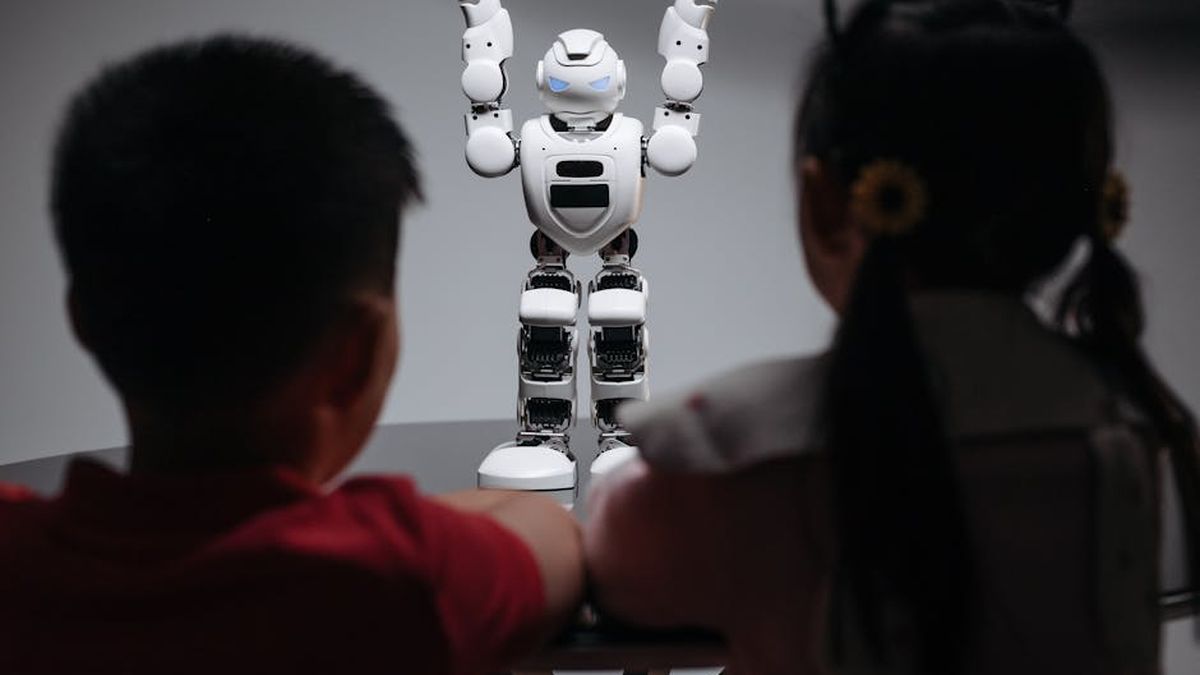
Igniting Young Minds: The Top Preschool STEM Toys of 2026
In today’s rapidly evolving world, fostering a love for Science, Technology, Engineering, and Mathematics (STEM) from an early age is more crucial than ever. For parents in the USA looking to give their preschoolers a head start, the market is brimming with innovative toys designed to make learning fun and engaging. Based on extensive customer reviews, educational expert recommendations, and sales data from leading retailers, we’ve meticulously compiled a list of the most sought-after preschool STEM toys for 2026. These products are celebrated for their ability to spark curiosity, encourage problem-solving, and lay a foundational understanding of complex concepts, all while ensuring endless hours of joyful play.
Comparison Table: Top Preschool STEM Toys
| Product Name | Primary STEM Focus | Age Range | Key Feature | Price Range |
|---|---|---|---|---|
| Magna-Tiles 32-Piece Clear Colors Set | Engineering, Geometry, Physics | 3+ Years | Magnetic, open-ended building | $40 – $60 |
| Learning Resources Coding Critters Ranger & Zip | Early Coding, Sequencing | 4-8 Years | Screen-free coding commands | $30 – $50 |
| LEGO DUPLO My First Number Train | Math, Engineering, Fine Motor | 1.5-5 Years | Stacking numbers, basic building | $20 – $40 |
| Osmo Little Genius Starter Kit for iPad | Problem-Solving, Literacy, Art | 3-5 Years | Blends physical & digital play | $60 – $80 |
| Fisher-Price Think & Learn Code-a-Pillar Twist | Early Coding, Sequencing | 3-6 Years | Modular segments change path | $30 – $45 |
| Educational Insights Design & Drill Activity Center | Engineering, Fine Motor, Patterning | 3-6 Years | Using tools for creative designs | $30 – $50 |
| GeoSafari Jr. Talking Microscope | Biology, Observation, Science | 3-7 Years | Features 20 prepared slides with facts | $40 – $60 |
Detailed Reviews of the Best Preschool STEM Toys
1. Magna-Tiles 32-Piece Clear Colors Set
A perennial favorite among parents and educators, Magna-Tiles continue to dominate the early engineering toy market. This 32-piece set offers a fantastic entry point into spatial reasoning, geometry, and basic physics through magnetic construction.
Key Features:
- Strong magnets allow for complex 2D and 3D creations.
- Translucent, vibrant colors encourage light play and aesthetic appreciation.
- Open-ended play design promotes creativity and imaginative construction.
- Durable, high-quality plastic withstands rigorous preschooler play.
Pros:
- Highly versatile for various developmental stages.
- Encourages critical thinking and problem-solving through trial and error.
- Excellent for developing fine motor skills and hand-eye coordination.
- Recognized for fostering creativity and imaginative play beyond STEM concepts.
Cons:
- Can be an expensive initial investment, though often considered worthwhile.
- Smaller sets may limit larger, more ambitious constructions, often leading to desires for expansion.
Best For:
Children aged 3 and up who show an interest in building, shapes, and creating structures. Ideal for collaborative play or solo exploration. Related: Ergobaby Omni 360 vs. Baby Tula Explore: Best Ergonomic Baby Carrier for All Stages?
Price Range: $40 – $60 Related: Beaba Babycook Neo Glass Baby Food Maker Review: The Ultimate USA Parent’s Guide to Homemade Purees
Ready to build amazing things? Check the latest price and customer reviews on Amazon! Related: Best Ergonomic Baby Carriers for Newborns & Infants in USA (2026)
2. Learning Resources Coding Critters Ranger & Zip
Introduce your preschooler to the fundamentals of coding without a screen in sight with the popular Coding Critters. This engaging play set makes sequencing, logic, and problem-solving accessible and fun. Related: SNOO Smart Sleeper vs. Graco Sense2Snooze: Which Smart Bassinet Guarantees More ZZZs for USA Parents?
Key Features:
- Screen-free coding commands involve pushing directional buttons directly on the critter.
- Includes a storybook and play set accessories to create coding challenges and adventures.
- Helps teach basic coding concepts like step-by-step sequencing and debugging.
- Comes with two adorable animal robots, Ranger and Zip, for interactive play.
Pros:
- Excellent introduction to computational thinking for young children.
- Promotes critical thinking and logical reasoning skills.
- Highly engaging and durable for repeated play.
- Great for both independent play and guided learning with an adult.
Cons:
- Requires batteries (not always included).
- Some parents wished for more advanced coding challenges as children grow.
Best For:
Curious children aged 4-8 who enjoy animal themes and are ready for their first exposure to coding logic and sequential thinking. Related: Beaba Babycook Neo vs. Baby Brezza One Step Food Maker: Easiest Homemade Baby Food for Busy Parents?
Price Range: $30 – $50
Start their coding journey early! Find out more and purchase on Amazon!
3. LEGO DUPLO My First Number Train
The timeless appeal of LEGO DUPLO meets early mathematical concepts in the My First Number Train. This classic building toy helps little ones recognize numbers, count, and develop fine motor skills while constructing a colorful train.
Key Features:
- Large, easy-to-handle DUPLO bricks perfect for small hands.
- Includes number-decorated bricks (0-9) and three DUPLO figures.
- Encourages basic counting, number recognition, and sequencing.
- Compatible with all other LEGO DUPLO sets for expanded play.
Pros:
- Exceptional for early math and literacy development.
- Builds fine motor skills and hand-eye coordination.
- Promotes imaginative play and storytelling.
- Highly durable and safe for toddlers and preschoolers.
Cons:
- Can be limited in advanced STEM building possibilities compared to other sets.
- Some parents might find the number of pieces a bit small for the price.
Best For:
Toddlers and preschoolers aged 1.5-5 who are just beginning to explore numbers and enjoy classic building block play.
Price Range: $20 – $40
All aboard for learning! See prices and availability on Amazon!
4. Osmo Little Genius Starter Kit for iPad
Osmo seamlessly merges physical and digital play, offering a unique interactive learning experience. The Little Genius Starter Kit transforms an iPad into a tool for creative problem-solving, early literacy, and drawing for preschoolers.
Key Features:
- Uses a reflective mirror on the iPad camera to track physical pieces placed in front of the screen.
- Includes four award-winning games: ABCs, Squiggle Magic, Costume Party, and Stories.
- Designed to foster pre-reading skills, creativity, visual thinking, and problem-solving.
- Physical manipulatives engage children in tactile learning, which complements screen time.
Pros:
- Successfully balances screen time with hands-on, interactive play.
- Engaging and adapts to a child’s learning pace.
- Highly praised for its educational value and ability to hold a child’s attention.
- A great way to introduce technology in a constructive, educational manner.
Cons:
- Requires an iPad (not included) to function.
- Can be a significant investment, especially when combined with the cost of an iPad.
- Some setup is required to get started.
Best For:
Tech-savvy preschoolers aged 3-5 whose parents are comfortable with screen-based learning and want a rich, interactive educational experience.
Price Range: $60 – $80
Transform screen time into learning time! Explore Osmo and purchase on Amazon!
5. Fisher-Price Think & Learn Code-a-Pillar Twist
For younger preschoolers, the Code-a-Pillar Twist offers a playful and accessible introduction to early coding concepts. Its modular design allows children to rearrange segments, creating different paths and sequences.
Key Features:
- Features nine easy-to-connect segments that light up and twist.
- Each segment has a different command (e.g., go straight, turn left, turn right).
- Encourages experimentation, problem-solving, and sequential thinking.
- Lights, sounds, and movements provide engaging feedback.
Pros:
- Perfect for introducing cause and effect and basic programming concepts.
- Highly intuitive for young children to understand and manipulate.
- Durable construction stands up to enthusiastic play.
- Engaging auditory and visual feedback keeps children interested.
Cons:
- The number of unique segments is limited, which might restrict very complex sequences.
- Requires multiple AA batteries (not included).
Best For:
Children aged 3-6 who are new to coding toys and enjoy tangible, hands-on learning with immediate results.
Price Range: $30 – $45
Get twisting and coding! Check availability and reviews on Amazon!
6. Educational Insights Design & Drill Activity Center
Inspire budding engineers and designers with the Design & Drill Activity Center. This popular toy combines the fun of building with the development of fine motor skills and creativity, all while using a child-safe power drill.
Key Features:
- Includes a sturdy activity board, child-safe power drill, screwdriver, wrench, and 120 plastic bolts in five colors.
- Teaches basic engineering concepts through hands-on construction.
- Promotes fine motor skills, hand-eye coordination, and patterning abilities.
- Comes with design cards for guided projects and encourages freeform creation.
Pros:
- Excellent for developing grip strength, dexterity, and precision.
- Boosts creativity and spatial reasoning.
- The “real tool” experience is highly engaging for children.
- Durable set that can withstand years of use.
Cons:
- Requires 3 AA batteries for the drill (not included).
- Some smaller pieces could be a choking hazard for very young children (though rated for 3+).
Best For:
Children aged 3-6 who love to tinker, build, and have a strong interest in how things work and are put together.
Price Range: $30 – $50
Drill into learning fun! Discover more and buy on Amazon!
7. GeoSafari Jr. Talking Microscope
Spark a lifelong love for science and discovery with the GeoSafari Jr. Talking Microscope. Designed specifically for preschoolers, this microscope makes exploring the natural world accessible and engaging with fun facts and clear images.
Key Features:
- Kid-friendly microscope with two large eyepieces, eliminating the need to close one eye.
- Features 20 prepared slides with up to 5 facts about each specimen.
- Offers multiple language options for the talking facts.
- Bright LED light illuminates specimens for clear viewing.
Pros:
- Excellent introduction to biology and observational science.
- Easy for preschoolers to use independently.
- The talking feature adds an educational and engaging auditory component.
- Promotes curiosity about the world around them.
Cons:
- Does not allow for viewing of custom specimens (only the included prepared slides).
- Requires 3 AAA batteries (not included).
Best For:
Children aged 3-7 who are curious about nature, animals, and the unseen world, and enjoy learning fun facts.
Price Range: $40 – $60
Uncover the wonders of science! Grab yours on Amazon today!
Conclusion
Investing in high-quality STEM toys for preschoolers is a wonderful way to lay the groundwork for a future filled with curiosity, innovation, and critical thinking. The products highlighted in our 2026 list, from the foundational building of Magna-Tiles and LEGO DUPLO to the cutting-edge coding of Learning Resources Coding Critters and Osmo, represent some of the most effective and beloved tools for early education. Remember to consider your child’s unique interests and developmental stage when making your choice. By providing engaging and educational play experiences, you’re not just buying a toy; you’re nurturing a future innovator, problem-solver, and lifelong learner. Happy playing!
How do I choose the best STEM toys for my preschooler in the USA to develop them into a future innovator by 2026?
When selecting preschool STEM toys for future innovators, prioritize those that encourage open-ended play, problem-solving, and critical thinking. Look for age-appropriate building sets (e.g., magnetic tiles, simple LEGO Duplo), beginner coding robots, and hands-on science kits. Emphasize toys that are durable, hold relevant safety certifications (like ASTM in the USA), and have positive reviews from other parents focusing on educational value and engagement.
What specific skills do the top preschool STEM toys for 2026 aim to develop in young children?
The leading STEM toys for future innovators in 2026 are designed to cultivate a comprehensive skill set. These include foundational engineering and design principles, logical reasoning, early computational thinking (pre-coding skills), fine motor skills, creativity, and persistent problem-solving. They also ignite curiosity about scientific concepts, technology, and mathematical patterns, setting a strong foundation for future learning.
Where can I buy the most recommended preschool STEM toys for future innovators in the USA for the 2026 market?
You can find highly-rated preschool STEM toys for future innovators across major US retailers like Amazon, Target, and Walmart. Specialty toy stores such as Lakeshore Learning, Fat Brain Toys, or independent educational toy shops also offer curated selections. Many innovative educational brands also sell directly through their websites, often showcasing new products and trends for the 2026 market. Always check for age recommendations and product reviews.
Are there any new trends or must-have STEM toys for preschoolers in the USA that are emerging for 2026 innovators?
For 2026, anticipate a continued surge in screen-free coding robots that teach logical sequencing and problem-solving through tactile play. Also, look for advanced magnetic building sets with integrated challenges, eco-friendly science kits utilizing sustainable materials, and interactive story-based STEM kits that blend narrative with educational activities. These trends focus on deeper engagement, holistic development, and preparing children for a future-forward environment.
Related Products
- Best Odor-Sealing Diaper Pails for Fresh Nurseries in USA (2026)
- Best Convertible Car Seats for Growing Toddlers in USA (2026)
- Best Ergonomic Baby Carriers for Newborns & Infants in USA (2026)
- Best Smart Wi-Fi Baby Monitors for Peace of Mind in USA (2026)
- LeapFrog Epic Academy vs. VTech KidiCom Advance: Which Learning Tablet is Better for USA Preschoolers?