





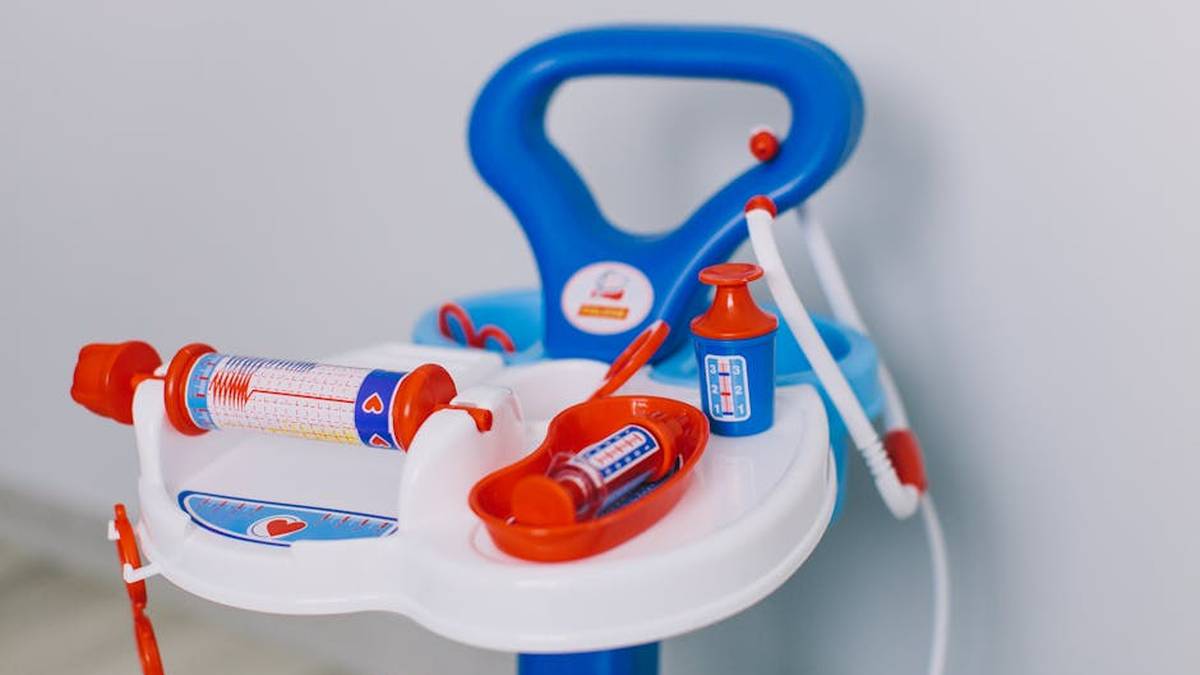

Image: Components of the Lovevery Inspector Play Kit
Introduction: Unlocking Developmental Potential with Lovevery
In the vibrant, often overwhelming landscape of toddler toys available in the US market, Lovevery has carved out a significant niche. Promising thoughtfully designed, developmentally appropriate playthings, their subscription-based Play Kits aim to support children through crucial growth stages. This review delves into the Lovevery Inspector Play Kit, specifically designed for toddlers aged 22-24 months. Our objective is to rigorously evaluate its components, educational philosophy, and overall value proposition to determine if it genuinely delivers on its promise of being “truly educational” for US toddlers, or if it merely adds to parental spending without tangible developmental benefits.
Product Overview: The Inspector Play Kit at a Glance
The Inspector Play Kit is curated for the 22-24 month age range, a period characterized by burgeoning independence, advanced problem-solving skills, and a deeper understanding of cause and effect. This kit focuses on fostering fine motor precision, logical reasoning, and imaginative play. It arrives as part of Lovevery’s bi-monthly subscription service, comprising a selection of high-quality, often wooden, and sustainably sourced items tailored to this specific developmental window. The accompanying Play Guide provides parents with detailed insights into each item’s purpose and suggested ways to engage with their child. Related: Enfamil NeuroPro vs Similac 360 Total Care: A Detailed Baby Formula Comparison for USA Infant Nutrition
Key Features and Developmental Benefits
The Inspector Play Kit typically includes several distinct items, each targeting specific developmental milestones: Related: Best Hypoallergenic Baby Wipes for Sensitive Skin in USA (2026)
- The Lockbox: A multi-faceted wooden box featuring various latches, locks, and keys. This item is a cornerstone for developing fine motor skills, hand-eye coordination, and problem-solving as toddlers manipulate the mechanisms to open and close compartments.
- Wooden Stacking & Threading Pegboard: Designed to enhance dexterity, concentration, and spatial reasoning. Children practice precise motor control by placing and removing pegs, and threading activities further refine fine motor skills.
- The Count & Match Cups: These cups facilitate early mathematical concepts like counting, sorting by color, and one-to-one correspondence. They also encourage imaginative play and language development.
- Working from Home Puzzle: A multi-layered puzzle that introduces toddlers to spatial reasoning, part-to-whole relationships, and imaginative role-play through familiar objects.
- Reach and Match Ball Run: This toy introduces principles of physics, cause and effect, and spatial planning as toddlers place balls at the top and observe their trajectory down the run.
- Play Guide: An invaluable resource that outlines the developmental benefits of each toy, provides activity ideas, and offers guidance on supporting a child’s growth during this stage.
- High-Quality Materials: Consistent with Lovevery’s brand, the kit emphasizes durable, non-toxic, and often sustainable materials such as FSC-certified wood and organic cotton.
Pros and Cons: A Balanced Perspective
Pros
- Expertly Curated: Toys are designed by child development experts, ensuring they are perfectly age-appropriate and challenge toddlers effectively.
- High-Quality and Durable: Crafted from robust, safe materials, promoting longevity and safety for repeated play.
- Educational Focus: Each toy targets specific developmental skills, supported by the insightful Play Guide that educates parents on their child’s growth.
- Reduces Toy Clutter: The curated approach means fewer, more meaningful toys, potentially leading to less overwhelm for both children and parents.
- Open-Ended Play: Many items are versatile, encouraging creativity and multiple ways to engage, extending their play value.
- Convenience: Eliminates the need for parents to research and select individual toys, saving time and effort.
- Strong Resale Value: Lovevery products often maintain good value in the secondhand market due to their quality and desirability.
Cons
- High Cost: The subscription model represents a significant financial investment compared to individual toy purchases.
- Subscription Commitment: Some parents may prefer the flexibility of buying individual toys rather than committing to a bi-monthly delivery.
- Potential for Redundancy: Families who already own similar high-quality, Montessori-inspired toys might find some items overlap.
- Not Every Toy is a Hit: While generally well-received, individual preferences vary, and a child might not engage with every single item in the kit.
- Specific Age Range: While a pro for developmental appropriateness, it means some toys may be outgrown relatively quickly by advanced learners.
- Environmental Impact of Shipping: While products are sustainable, the frequent shipping of kits contributes to carbon footprint, though Lovevery does address this with carbon-neutral shipping.
Who Should Buy This Kit?
The Lovevery Inspector Play Kit is an excellent investment for: Related: Hatch Rest+ vs Dohm Nova: Finding the Best White Noise Machine and Night Light for Your USA Baby’s Nursery
- Parents Seeking Expert Guidance: Those who desire a developmentally sound toy selection without extensive personal research.
- Families Prioritizing Quality: Buyers who value durable, non-toxic, and often sustainably sourced materials over quantity or lower cost.
- Busy Parents: Individuals with limited time to scour toy aisles or online shops for appropriate playthings.
- Parents Interested in Early Learning: Those committed to fostering cognitive, motor, and emotional development through purposeful play.
- Gift-Givers: Grandparents, aunts, uncles, or friends looking for a substantial, thoughtful, and impactful gift for a toddler.
- Families Looking to Minimize Clutter: The curated nature helps prevent an influx of low-quality, quickly discarded toys.
Who Should Avoid This Kit?
Conversely, the Inspector Play Kit might not be the best fit for: Related: Stokke Tripp Trapp vs Graco Blossom 6-in-1: Which High Chair Adapts Better for Long-Term Use in USA Homes?
- Budget-Conscious Consumers: Families for whom the recurring cost of a premium subscription is a significant financial strain.
- DIY Montessori Enthusiasts: Parents who enjoy sourcing individual Montessori-inspired items and crafting their own learning environment.
- Those with Limited Storage: While curated, some kits do contain larger items that require dedicated space.
- Parents Skeptical of Subscription Models: Individuals who prefer one-time purchases and complete control over each toy selection.
- Families with Unique Needs: Children with specific developmental delays or exceptionalities might require specialized toys that a general kit may not fully address.
Pricing Insight: Understanding the Investment
Lovevery kits, including the Inspector Play Kit, are positioned at a premium price point within the children’s toy market. A single kit typically costs around $80-$120, with a slight discount often applied for pre-paying for multiple kits (e.g., an annual subscription). While this may seem substantial, it’s crucial to view it as an investment in a child’s development and a bundle of high-quality, durable goods. When compared to the cost of purchasing individual, similarly high-quality wooden toys from specialty stores, the Lovevery kits often present comparable or even superior value, especially considering the added benefit of expert curation and the comprehensive Play Guide. Shipping within the continental US is generally included, which adds to the overall value proposition. Related: Best Anti-Colic Baby Bottles for Fuss-Free Feedings in USA (2026)
Comparison with a Leading Alternative: Lovevery vs. Monti Kids
When considering educational play kits for toddlers, Monti Kids is another prominent contender that often surfaces in discussions. Both Lovevery and Monti Kids share a philosophy rooted in child development and a commitment to high-quality, wooden, Montessori-inspired toys delivered via a subscription model.
- Core Philosophy: Monti Kids adheres more strictly to traditional Montessori principles, often replicating specific “works” found in Montessori classrooms. Lovevery, while heavily Montessori-inspired, broadens its approach to include a wider range of developmentally appropriate play, incorporating elements that also encourage imaginative and open-ended play.
- Age Range: Both brands cater to early childhood, with kits spanning from infancy through the preschool years.
- Toy Design & Materials: Both excel in using natural, durable materials like wood. Monti Kids toys might sometimes appear simpler and more focused on a single learning objective, reflecting classic Montessori design. Lovevery’s designs can feel a bit more modern and integrate multiple play possibilities.
- Parental Guidance: Both provide excellent guides. Monti Kids often includes more explicit instructions on how to “present” the materials in a Montessori fashion, while Lovevery’s guides offer broader developmental insights and play suggestions, making them potentially more accessible to parents new to structured play.
- Cost: Pricing for both is generally comparable, reflecting the premium quality and expert design. Specific costs may vary slightly by subscription duration and promotions.
Conclusion of Comparison: For parents seeking a very precise, classroom-style Montessori experience at home, Monti Kids might be the preferred choice. However, for the average US family looking for a robust, expertly curated, developmentally appropriate play system that blends Montessori principles with broader early learning and imaginative play, Lovevery, and specifically the Inspector Play Kit, offers a more comprehensive and perhaps more versatile experience. Lovevery’s approach tends to be slightly more accessible and less prescriptive, which can be a significant advantage for busy modern families.
Final Verdict: A Worthwhile Educational Companion?
After a thorough examination of the Lovevery Inspector Play Kit, its features, benefits, and competitive landscape, our verdict is clear: Yes, the Lovevery Inspector Play Kit is truly educational for US toddlers. It stands as a testament to thoughtful design, robust construction, and a deep understanding of early childhood development.
For parents navigating the crucial 22-24 month stage, this kit offers a curated collection of toys that are not only engaging but specifically engineered to foster essential skills like problem-solving, fine motor control, logical reasoning, and imaginative play. The accompanying Play Guide is an indispensable tool, empowering parents with the knowledge to understand and support their child’s developmental journey effectively.
While the investment is significant, the value derived from high-quality, sustainably sourced, and expertly designed toys, coupled with unparalleled parental guidance, often outweighs the cost for its target audience. It provides a structured yet flexible framework for enriching play, alleviating the burden on parents to constantly seek out suitable learning materials. For those who prioritize quality, convenience, and evidence-based developmental support, the Lovevery Inspector Play Kit represents a sound and beneficial acquisition for their toddler’s early learning journey.
How does the Lovevery Inspector Play Kit specifically support educational development for US toddlers, and what skills will they gain?
The Lovevery Inspector Play Kit is meticulously designed with Montessori principles and developmental science, targeting key milestones for US toddlers. It fosters critical skills such as fine motor coordination (e.g., using the screwdriver, manipulating gears), problem-solving (understanding cause and effect with the disappearing ball and ramp), early STEM concepts (gravity, mechanics), and sustained focus. The included play guide also helps parents understand the educational “why” behind each activity, ensuring they can maximize the learning potential.
My toddler loses interest quickly. Is the Inspector Play Kit engaging enough to hold their attention, and will they actually learn from playing with it repeatedly?
The Inspector Play Kit is designed for sustained engagement by offering multi-faceted toys that encourage open-ended exploration. Unlike single-function toys, components like the “Spin and Seek Ball Run” or “Geared Puzzle” can be played with in various ways as your toddler’s skills evolve, preventing boredom. The hands-on, discovery-based nature means toddlers are actively involved in their learning, which naturally holds attention longer than passive entertainment. Repeat play reinforces learned concepts and develops mastery.
Considering the cost, is the Lovevery Inspector Play Kit a worthwhile investment for a US family seeking high-quality educational toys, or are there more affordable alternatives that offer similar learning benefits?
While Lovevery kits represent a premium investment, many US families find the Inspector Play Kit’s educational value and quality justify the cost. The toys are crafted from durable, sustainable materials, designed to last and withstand rigorous toddler play. Their research-backed design ensures they directly align with a toddler’s developmental stage, minimizing clutter from ineffective toys. While individual educational toys can be found at lower price points, the comprehensive, curated, and age-appropriate learning experience offered by the full kit is often difficult to replicate affordably with separate purchases.
How durable are the components of the Inspector Play Kit, and does it offer long-term play value as my toddler grows, ensuring continued educational use?
Lovevery toys, including those in the Inspector Play Kit, are renowned for their durability. Constructed from high-quality wood, child-safe plastics, and non-toxic finishes, they are built to withstand the typical wear and tear of toddler play. The kit offers excellent long-term play value because many items are designed to grow with your child. For example, the gears and screwdriver can be used for simple manipulation initially, then for more complex problem-solving as fine motor skills and cognitive abilities advance, ensuring continued educational engagement beyond the initial age range.
Related Products
- Is the Hatch Rest+ Sound Machine Worth the Price? An Honest Review for US Parents
- Best Toddler Potty Training Seats for Easy Transition in USA (2026)
- Best Wearable Blankets for Safe Baby Sleep in USA (2026)
- Best Silicone Teethers for Soothing Gums in USA (2026)
- Best Educational Play Mats for Infant Development in USA (2026)