





Introduction: Revolutionizing Student Notes with the Rocketbook Core
In an increasingly digital academic landscape, students often grapple with the choice between traditional paper notes and digital devices. The Rocketbook Core, a leading reusable smart notebook, promises a bridge between these two worlds. Marketed as a sustainable and efficient solution for capturing handwritten notes and instantly digitizing them to the cloud, it aims to reduce paper waste and enhance organization. For US students navigating demanding coursework, the fundamental question remains: Can the Rocketbook Core genuinely serve as the ultimate daily study tool, streamlining note-taking, organization, and retention? This data-driven review will dissect its functionality, benefits, drawbacks, and overall value proposition to help students make an informed decision.
Product Overview: What Exactly is the Rocketbook Core?
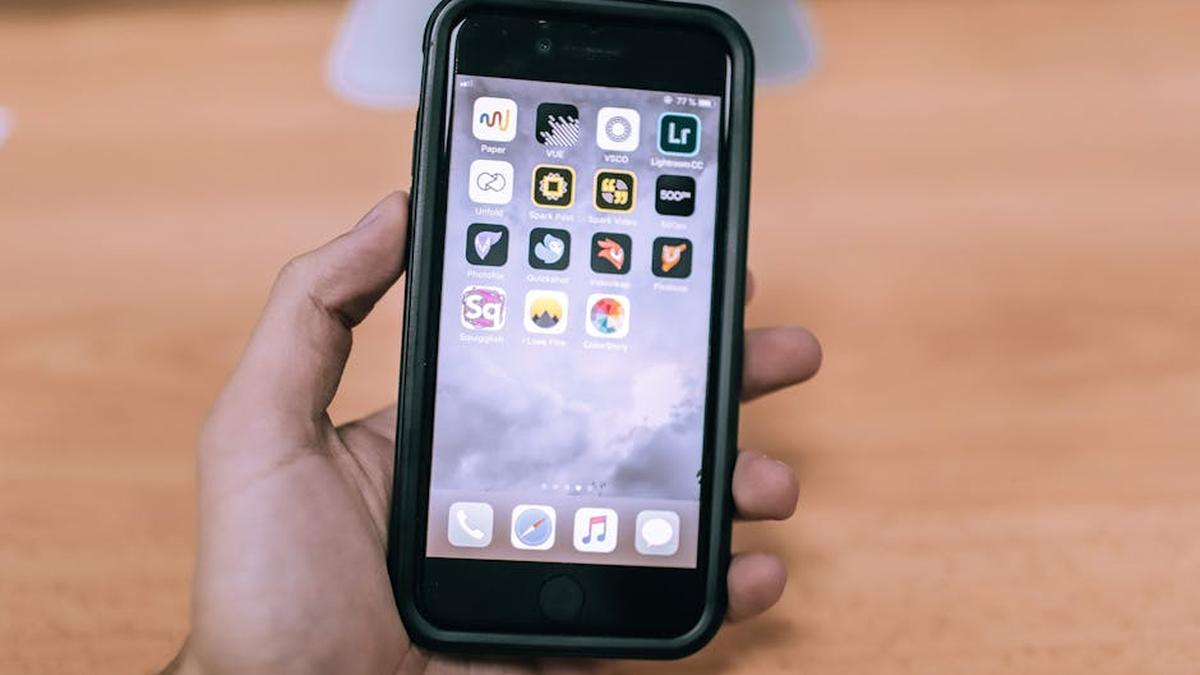
The Rocketbook Core is a line of notebooks designed to be endlessly reusable. It consists of specialized synthetic pages that can be written on using Pilot FriXion pens. Once the ink dries (typically within 10-15 seconds), the notes become smudge-proof. To erase, users simply wipe the pages clean with a damp cloth, making them ready for reuse. The core innovation lies in its integration with the Rocketbook app. Users can scan their handwritten pages using their smartphone, and the app uses optical character recognition (OCR) technology to digitize the notes, sending them to pre-configured cloud destinations such as Google Drive, Dropbox, Evernote, OneNote, Slack, and email. The notebook features seven symbols at the bottom of each page, which can be assigned to different cloud destinations for quick and organized filing upon scanning.
Key Features Designed for Academic Efficiency
- Reusable Pages: Constructed from a durable synthetic blend, the pages allow for repeated writing and erasing, significantly reducing paper consumption and the need to purchase new notebooks.
- Cloud Connectivity & Smart Tagging: The dedicated Rocketbook app facilitates scanning of handwritten notes. Users can assign specific cloud destinations (e.g., Google Drive for History, Dropbox for Math) to the seven symbols at the bottom of each page, enabling one-tap digital filing.
- Pilot FriXion Pen Compatibility: Exclusively designed to work with Pilot FriXion erasable pens, which use thermo-sensitive ink that disappears with heat (friction or rubbing) or water. The Rocketbook Core leverages the water-erasable property for a clean slate.
- OCR Technology: The Rocketbook app is equipped with optical character recognition (OCR), which can convert handwritten notes into searchable text within the digital files. This feature can greatly enhance the utility of digitized notes for study and revision.
- Multi-Page Bundling: The app offers the functionality to scan multiple pages consecutively and bundle them into a single PDF document, ideal for digitizing complete lecture notes or study sessions.
- Variety of Sizes: Available in several sizes, commonly Executive (6″x8.8″) and Letter (8.5″x11″), catering to different preferences for portability versus writing space.
Pros and Cons: A Balanced Perspective for Students
Pros: Potential Advantages for the Student User
- Environmental Sustainability: Significantly reduces paper waste, aligning with eco-conscious values and contributing to a greener study routine.
- Long-Term Cost Savings: After the initial purchase, the need for new physical notebooks is virtually eliminated, potentially saving money over a student’s academic career.
- Digital Accessibility & Searchability: Digitized notes are accessible from any device with internet access and can often be searched using keywords (thanks to OCR), which is a powerful tool for revision.
- Clutter Reduction: Eliminates physical paper clutter, leading to a tidier study space and less worry about misplacing important notes.
- Retains Benefits of Handwriting: Allows students to continue the proven cognitive benefits of handwriting for memory retention and deeper understanding, while still gaining digital organization.
- Versatility for Visual Learners: Excellent for digitizing diagrams, flowcharts, and sketches often used by visual learners in subjects like science, engineering, or design.
Cons: Considerations Before Committing
- Requires Specific Pens: Only Pilot FriXion pens are compatible. Running out of these pens, or misplacing them, can halt note-taking. Other pens are not erasable.
- Erasing Process: While simple, wiping pages with a damp cloth can be a minor inconvenience compared to tearing out a page or starting fresh. Some users report residue build-up over time.
- No Instant Digitization: Notes require manual scanning with a smartphone after writing, which is not a real-time process.
- Ink Smudging Potential: FriXion ink takes a few seconds to dry. Writing quickly or resting a hand on freshly written text may cause smudges if not careful.
- Limited Physical Pages: Unlike a traditional notebook where all written pages remain physically accessible, the Rocketbook Core only has a fixed number of pages. Once scanned, older content must be erased to make space, meaning not all notes are physically present simultaneously.
- App Dependency: The core functionality (digitization) relies entirely on a smartphone app and a working camera. Technical issues with the app or phone can hinder the process.
- Battery Reliance: Both the student’s phone and the notebook itself (indirectly, for its app) rely on battery power, which could be a factor during long study sessions or power outages.
Who Should Buy This: Ideal Student Profiles
The Rocketbook Core is likely an excellent fit for: Related: Best Desk Organizers for Daily Study & Workstation Efficiency in USA (2026)
- Environmentally Conscious Students: Those prioritizing sustainability and looking to minimize their ecological footprint.
- Organized Cloud Users: Students who already rely heavily on cloud storage services (Google Drive, Dropbox, Evernote) for their academic materials.
- Handwriting Enthusiasts with Digital Needs: Individuals who find that handwriting aids memory and comprehension but also desire the searchability and backup of digital notes.
- Students Prone to Clutter: Those who accumulate excessive paper notebooks and are seeking a minimalist solution for note management.
- Visual Learners/Sketchers: Students in fields requiring diagrams, equations, or visual aids who benefit from digitizing these creations easily.
- Budget-Minded in the Long Run: Students looking to avoid recurring costs of traditional notebooks over several years.
Who Should Avoid This: Less Suited Student Profiles
The Rocketbook Core may not be the optimal choice for: Related: Udemy vs. Skillshare: Choosing Your Top Online Course Platform in the USA.
- Typing-Exclusive Note-Takers: Students who primarily take notes on a laptop or tablet and have little preference for handwriting.
- Real-time Digitization Requirements: Those who need their notes to be instantly digitized as they write, without a separate scanning step.
- Dislike for Erasing: Students who find the process of wiping down pages tedious or prefer the tactile experience of turning fresh pages.
- Traditional Notebook Purists: Individuals who prefer the sensory experience of a standard paper notebook, including varied paper types and the simple act of flipping pages.
- High-Volume Simultaneous Physical Notes: Students who frequently need to reference many pages of handwritten notes side-by-side without them being digitized first.
- Infrequent Cloud Users: Those who are not comfortable with or do not regularly use cloud storage solutions for their academic work.
Pricing Insight: An Investment in Efficiency and Sustainability
In the USA market, the Rocketbook Core typically ranges in price from approximately $20 to $40 USD, depending on the size (Executive vs. Letter) and any bundled accessories (like extra pens or cloths). While this initial outlay is higher than a single traditional notebook, its reusable nature positions it as a significant long-term investment. Over several semesters or years, the savings from not purchasing multiple notebooks can easily surpass the initial cost. Students should factor in the cost of replacement FriXion pens, which are generally affordable and widely available. Given its potential to streamline organization and reduce clutter, many users perceive the initial investment as worthwhile for its enhanced productivity and environmental benefits. Related: Deep Work vs. Flow State: Master Your Focus for US Professional Excellence.
Comparison with an Alternative: Rocketbook Core vs. reMarkable 2
While the Rocketbook Core merges analog writing with digital storage, devices like the reMarkable 2 offer a fully digital, paper-like writing experience. Let’s briefly compare: Related: Coursera vs. edX: The Definitive Comparison for Online Learning in the USA.
- Rocketbook Core:
- Core Function: Analog handwriting that gets digitized via phone scan.
- Writing Feel: Genuine pen-on-paper feel (on synthetic paper).
- Cost: Low initial cost ($20-$40).
- Sustainability: High, eliminates paper waste from notebooks.
- Digital Integration: Cloud services via app scan (not real-time).
- Dependence: Requires a smartphone for scanning.
- reMarkable 2:
- Core Function: Fully digital writing, reading, and sketching device.
- Writing Feel: E-Ink display designed to mimic paper texture and resistance.
- Cost: High initial cost (typically $299-$399 USD for the device alone).
- Sustainability: High, eliminates all paper use for notes and documents.
- Digital Integration: Real-time digital notes, cloud sync, direct PDF/eBook annotation.
- Dependence: Self-contained device with its own battery; no smartphone required for core function.
For students, the choice hinges on budget and desired experience. The Rocketbook Core offers the tactile comfort of pen and paper at an accessible price point, ideal for those who prefer physical writing but want digital backups. The reMarkable 2 is a premium investment for students seeking a pure, distraction-free digital writing experience with advanced features, but without the traditional paper feel and significantly higher cost. Related: Best Online Learning Platforms for Daily Professional Development in USA (2026)
Final Verdict: A Powerful Tool for the Right Student
Is the Rocketbook Core the ultimate daily study tool for students? The data suggests it is a highly effective and innovative solution, but not universally so. For the environmentally conscious student who values the cognitive benefits of handwriting, seeks digital organization, and is comfortable with the scanning-and-erasing workflow, the Rocketbook Core presents a compelling value proposition. It effectively bridges the gap between traditional note-taking and the digital academic environment, offering a sustainable and organized approach to capturing information.
However, for students who prioritize real-time digitization, dislike the act of erasing, or prefer a purely typed approach, its specific workflow might introduce friction rather than streamline it. While it may not be “ultimate” for every single student profile, the Rocketbook Core stands out as an exceptional tool for those whose needs and preferences align with its unique blend of analog input and digital output. Its long-term cost-effectiveness and significant contribution to reducing academic waste make it a noteworthy contender in any student’s arsenal for improved study habits.
Is the Rocketbook Core a truly cost-effective investment for students compared to traditional notebooks and binders over a full academic year?
Absolutely. While the Rocketbook Core has an initial upfront cost, it quickly pays for itself. Students typically go through multiple notebooks and binders per semester. The Core’s endlessly reusable pages, combined with erasable Frixion pens, mean you’ll significantly reduce spending on paper, notebooks, and binders, leading to considerable savings over a full academic year and beyond. Plus, it helps reduce waste!
How easy is it to organize and retrieve specific notes for different subjects or projects once they’re scanned from the Rocketbook Core?
Organization is a major strength for students. The Rocketbook app allows you to assign unique “destination” icons at the bottom of each page to automatically send scans to specific folders in cloud services like Google Drive, Dropbox, Evernote, or OneNote, which you can set up for each class. You can also use “Smart Titles” for easy naming. Once digitized, your notes become searchable PDFs, making retrieval incredibly efficient.
What’s the writing experience like on the Rocketbook Core’s synthetic pages, and does it feel comparable to writing on traditional paper for extended study sessions?
The writing experience on the Rocketbook Core’s smooth, synthetic pages is distinct. While it’s not identical to traditional paper, many students find it comfortable and enjoyable for extended note-taking. You use specific Pilot FriXion pens, which glide smoothly. There’s a slight learning curve regarding the ink drying time (a few seconds to prevent smudging), but once accustomed, it becomes a natural and efficient way to capture information during lectures or study sessions.
How durable is the Rocketbook Core for daily student carry and frequent erasing, especially when tossed into a backpack with other books?
The Rocketbook Core is designed with durability in mind for the rigors of student life. Its synthetic pages are tear-resistant and hold up well to repeated use and erasing with the included microfiber cloth and water. The binding is sturdy, allowing it to withstand being carried in a backpack. While it’s robust, like any item, care should be taken to avoid extreme pressure or direct exposure to excessive heat, which can cause FriXion ink to disappear.
Related Products
- The Daily Planner Pro System Review: My Secret Weapon for US Productivity and Goal Achievement
- Coursera Plus Review (USA): My Honest Experience with Unlimited Online Courses for Daily Skill-Building
- Atomic Habits Book Review: Is James Clear’s System Really a Daily Game Changer for Busy Americans?
- Best Smart Study Lamps for Daily Focus & Eye Comfort in USA (2026)
- Best Online Learning Platforms for Daily Professional Development in USA (2026)