





Introduction
In the relentless pursuit of peak performance and personal transformation, two titans of the self-help and productivity genre stand out: James Clear’s Atomic Habits and Cal Newport’s Deep Work. Both promise to unlock greater success and efficiency, yet they approach the challenge from distinct philosophical angles. For professionals, entrepreneurs, and anyone in the USA looking to gain an edge in their daily routine, choosing between these two seminal works can be a critical decision. This detailed comparison aims to dissect their core tenets, methodologies, and practical applications, providing a comprehensive analysis to help you determine which book aligns best with your individual goals and existing work habits.
Comparison Table
| Feature | Atomic Habits by James Clear | Deep Work by Cal Newport |
|---|---|---|
| Core Focus | Systematic habit formation and breaking, incremental improvements. | Sustained, focused work without distraction, leading to high-quality output. |
| Primary Goal | Building better systems for consistent long-term behavior change. | Cultivating the ability to concentrate deeply on cognitively demanding tasks. |
| Key Concept(s) | The Four Laws of Behavior Change (Make it Obvious, Attractive, Easy, Satisfying), Identity-Based Habits, Habit Stacking. | Deep Work Hypothesis, Four Rules for Deep Work (Act on the Important, Don’t Distract, Embrace Boredom, Drain the Shallows). |
| Methodology | Practical, actionable steps for habit creation and elimination, focusing on environmental design. | Strategic and philosophical arguments for focused work, with practical rules for implementation. |
| Target Audience | Individuals seeking to improve daily habits, achieve long-term goals through consistent action, personal development enthusiasts. | Knowledge workers, academics, creatives, professionals struggling with information overload and distraction, anyone looking to produce high-value output. |
| Tone/Style | Empirical, practical, encouraging, accessible. | Academic, persuasive, rigorous, challenging. |
| Timeframe for Results | Long-term, compounding effect of small changes. | Immediate improvement in focus, but mastery takes consistent effort. |
Product A Overview: Atomic Habits by James Clear
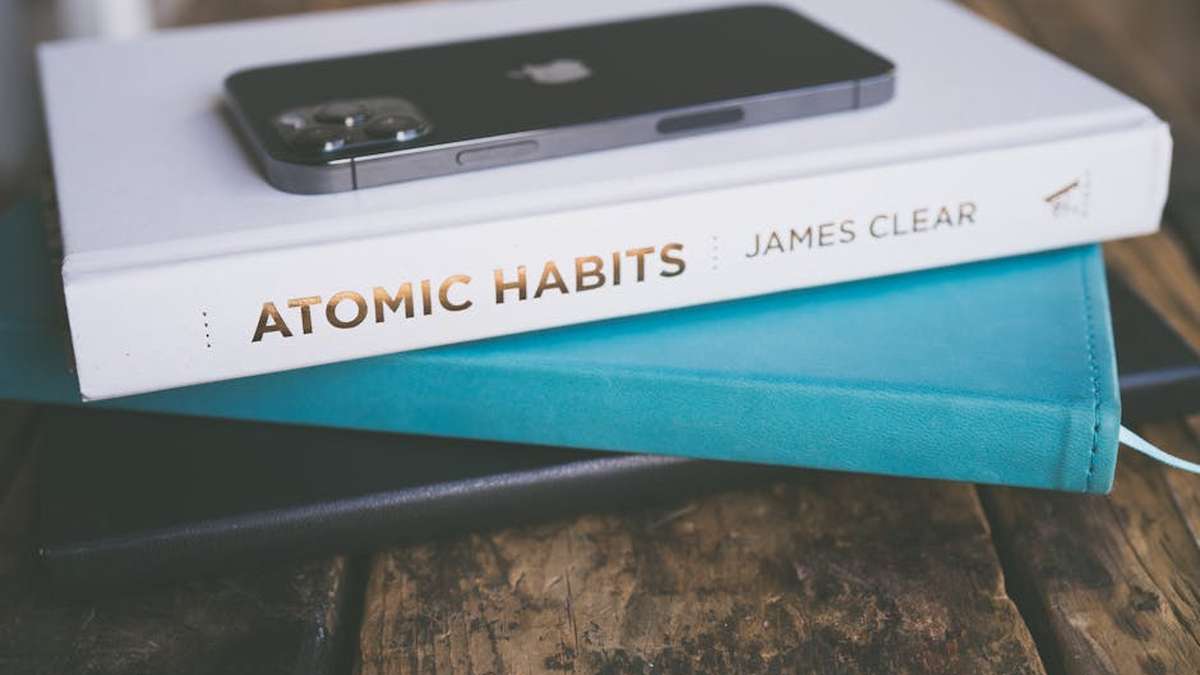
Atomic Habits: An Easy & Proven Way to Build Good Habits & Break Bad Ones, published in 2018, has become a cornerstone text for personal improvement. James Clear, a renowned expert on habits, decision-making, and continuous improvement, distills complex behavioral psychology into an easily digestible and highly actionable framework. The book argues that meaningful change doesn’t come from monumental shifts, but from the aggregation of marginal gains – “atomic habits.” Clear introduces his groundbreaking “Four Laws of Behavior Change” (Make it Obvious, Make it Attractive, Make it Easy, Make it Satisfying), providing a practical toolkit for engineering environments that promote positive habits and dismantle negative ones. His emphasis on identity-based habits, where one focuses on becoming a certain type of person rather than achieving a specific outcome, provides a powerful psychological underpinning for sustainable change. The book is replete with real-world examples and clear instructions, making it exceptionally user-friendly for anyone looking to systematically improve their daily routines.
Product B Overview: Deep Work by Cal Newport
Deep Work: Rules for Focused Success in a Distracted World, released in 2016, is a passionate defense and practical guide to what author Cal Newport terms “deep work.” Newport, a computer science professor at Georgetown University, argues that the ability to concentrate without distraction on a cognitively demanding task is an increasingly rare and valuable skill in today’s hyper-connected economy. He posits that deep work is essential for producing high-quality output and rapidly mastering complex information, contrasting it with “shallow work” – non-cognitively demanding, logistical tasks often performed while distracted. The book is divided into two parts: the first builds a compelling case for why deep work is valuable and necessary, while the second provides four practical rules for cultivating a deep work habit (Act on the Important, Don’t Distract, Embrace Boredom, Drain the Shallows). Newport draws on scientific research, historical anecdotes, and personal experience to challenge conventional notions of productivity and advocate for a more deliberate, focused approach to professional life. Related: Todoist vs. TickTick: Choosing Your Best Daily To-Do List App for Workflow Management in America
Feature Comparison
Philosophical Underpinnings
- Atomic Habits focuses on the architecture of human behavior. Its philosophy is rooted in the idea that our environment and systems shape our actions more than willpower alone. It’s about designing a life where good habits are the default.
- Deep Work grounds its philosophy in the economic value of intense focus. Newport argues that in an increasingly complex and competitive world, the ability to create new value rapidly and master difficult skills is paramount, and deep work is the vehicle for this.
Methodology and Practicality
- Atomic Habits offers a highly granular, step-by-step methodology. Its “Four Laws” are directly applicable to virtually any habit, from exercise to writing. The book is rich with specific techniques like habit stacking, visual cues, and habit tracking, making it a very practical guide for immediate implementation.
- Deep Work presents a more strategic and macro-level approach. While it offers “Four Rules,” these are more akin to guiding principles for structuring one’s entire professional life around periods of intense focus. The book encourages developing rituals and routines for deep work, but the execution details are often left for the reader to adapt.
Scope of Application
- Atomic Habits has a broad scope, applicable to personal, professional, health, and relationship habits. Its principles are universal for anyone looking to incrementally improve any aspect of their life.
- Deep Work is primarily geared towards professional and intellectual pursuits. While the principles of focus can bleed into personal life, its main thrust is optimizing cognitive output and career success.
Pros and Cons for Both
Atomic Habits: Pros
- Highly Actionable: Provides clear, step-by-step instructions for implementing habit changes.
- Broad Applicability: Principles can be applied to nearly any area of life, personal or professional.
- Focus on Systems: Teaches readers to build sustainable systems for change, rather than relying on motivation.
- Empirical Backing: Supported by extensive research in psychology and neuroscience.
- Easy to Understand: Written in an accessible and engaging style, full of relatable examples.
Atomic Habits: Cons
- Can Feel Incremental: For those seeking dramatic, immediate shifts, the focus on small changes might feel slow.
- Assumes Motivation: While it reduces friction, readers still need a baseline desire to change.
- Less Focus on Cognitive Depth: While it helps create routines for deep work, it doesn’t extensively cover the cognitive mechanics of achieving deep focus itself.
Deep Work: Pros
- Addresses a Critical Modern Problem: Directly tackles the pervasive issue of distraction in the digital age.
- Emphasizes Value Creation: Links focused work directly to professional success and creating high-quality output.
- Philosophically Robust: Provides compelling arguments for why deep work is essential, beyond mere productivity.
- Challenges Conventional Thinking: Encourages a counter-cultural approach to work habits.
- Increased Cognitive Capacity: Helps train the brain for sustained concentration.
Deep Work: Cons
- Less Granularly Actionable: While rules are provided, the implementation requires significant self-structuring and adaptation.
- May Not Suit All Professions: Some roles inherently require constant interruption or shallow work, making deep work difficult to implement fully.
- Can Feel Overly Rigid: Newport’s methods can be perceived as demanding an ascetic lifestyle, which might be unrealistic for some.
- Assumes Control Over Environment: Not everyone has the luxury of designing their work environment or schedule to allow for long blocks of uninterrupted time.
Which One Is Better For Whom
Choose Atomic Habits if:
- You struggle with consistency across various life domains (e.g., fitness, learning, organization, professional tasks).
- You want a practical, step-by-step guide to build a new habit or break an old one, regardless of its specific nature.
- You prefer an approach that emphasizes environmental design and making good behaviors inevitable.
- You are looking for long-term, sustainable change through small, compounding improvements.
- Your primary goal is to create better systems for managing your daily behaviors.
Choose Deep Work if:
- You are a knowledge worker, academic, writer, programmer, or creative professional whose output quality is directly tied to focused cognitive effort.
- You constantly find yourself distracted by emails, social media, and other digital interruptions, eroding your ability to concentrate.
- You want to produce fewer, but higher-quality, outputs in your professional life.
- You are willing to fundamentally restructure your work schedule and environment to prioritize uninterrupted, cognitively demanding tasks.
- Your main objective is to master complex skills and create significant value in your field.
Final Verdict
Ultimately, both Atomic Habits and Deep Work are exceptionally valuable resources, but they address different facets of personal and professional excellence. Atomic Habits is the foundational text for anyone looking to understand and master the mechanics of habit formation itself. It provides the universal principles for how to consistently show up and do the work, whatever that work may be. It helps you build the systems that support your goals. Related: Notion vs. Obsidian: The Ultimate Productivity System Showdown for American Students & Entrepreneurs
Deep Work, on the other hand, is a specialized guide for individuals who understand the importance of quality output and skill acquisition in a hyper-distracted world. It teaches you how to perform the work that truly matters with maximum cognitive efficiency. Related: MasterClass vs. Skillshare: Investing in Your Daily Learning – Which Platform is Truly Worth the Price Tag?
For the individual seeking holistic self-improvement and a robust framework for consistent action across all areas of life, Atomic Habits is arguably the more broadly applicable starting point. It lays the groundwork for discipline and consistency. Related: Notion Premium Review for USA Users: My Unbiased Look at the All-in-One Daily Workspace
However, for the professional specifically aiming to elevate their cognitive output, master complex skills, and stand out in their field by producing truly high-value work, Deep Work is an indispensable manual. It refines your ability to perform at your peak when it counts. Related: Scribd Premium Review (USA): Is This All-You-Can-Read Service Worth Your Daily Learning Habit?
Ideally, these two books are complementary. Atomic Habits can provide the system for consistently engaging in deep work sessions, while Deep Work provides the rationale and strategies for making those sessions profoundly productive. If forced to choose just one, consider your immediate pain point: Are you struggling to get started and stay consistent with any meaningful activity (Atomic Habits)? Or are you getting things done but feeling like your output lacks depth and quality due to constant distraction (Deep Work)? Your answer will point you toward the book that promises the most transformative impact on your daily routine for success.
Note: This analysis is based on the content of the books and general reader experiences. Individual results and applicability may vary based on personal circumstances, professional demands, and commitment to implementing the strategies discussed.
I struggle with procrastination and getting started; which book offers more practical steps to build consistency from scratch?
If your primary challenge is overcoming procrastination and building consistent habits, Atomic Habits by James Clear is likely your best starting point. It provides a highly actionable, step-by-step framework for making small, incremental changes that lead to significant results over time. Its focus on making habits obvious, attractive, easy, and satisfying directly addresses the struggle of getting started and staying consistent in any area of your life.
I want to make a lasting change to my entire daily routine, not just improve productivity at work. Which book provides a more holistic framework for daily transformation?
For a more holistic transformation of your entire daily routine, beyond just work productivity, Atomic Habits offers a broader and more adaptable framework. While Deep Work is excellent for focused professional output, Atomic Habits provides universal principles applicable to fitness, learning, relationships, and any area of life where consistent effort builds success. It teaches you how to design an environment that supports good habits across the board.
Can I apply principles from both Atomic Habits and Deep Work simultaneously, or should I focus on one first for maximum impact on my daily routine?
Absolutely, these two books are highly complementary and can be applied simultaneously for maximum impact on your daily routine. Atomic Habits lays the foundational framework for building and maintaining the discipline required for deep work sessions, making it easier to consistently show up and focus. Deep Work then provides the strategies for maximizing the quality and output of those focused periods. Many readers find it beneficial to understand the habit-building principles first, then integrate deep work strategies.
If my main goal is to significantly boost my productivity and achieve big goals faster, which book will provide more immediate and impactful strategies for my daily work?
If your core objective is to rapidly boost productivity, enhance focus, and achieve significant professional goals faster, then Deep Work by Cal Newport will likely provide more immediate and impactful strategies for your daily work. It directly addresses the challenge of sustained, high-intensity focus needed for complex tasks, offering actionable methods to minimize distractions and maximize cognitive output in dedicated work blocks. While Atomic Habits builds the consistency, Deep Work supercharges the effectiveness of your working time.
Related Products
- Jarvis vs. Uplift Desk: The Ultimate Standing Desk Battle for Your Daily Productivity Setup in the USA
- MasterClass vs. Skillshare: Investing in Your Daily Learning – Which Platform is Truly Worth the Price Tag?
- Todoist vs. TickTick: Choosing Your Best Daily To-Do List App for Workflow Management in America
- Babbel vs. Duolingo: Your Daily Language Learning App – Which One Actually Makes You Fluent?
- Remarkable 2 vs. Supernote A5X: Which Digital Notebook Boosts Productivity More for US Creatives?