




Introduction
The American workforce is undergoing a profound transformation, with digital literacy and programming skills increasingly becoming non-negotiable assets. For those looking to pivot, upskill, or simply understand the computational backbone of our modern world, Python stands as the undisputed gateway. In this comprehensive analysis, we scrutinize “The Ultimate Python Crash Course,” evaluating its efficacy as a primary learning resource for the busy, ambitious American seeking to master Python this summer. Is it truly the definitive guide it claims to be, or merely another entry in a crowded market? Our investigation aims to provide clarity.
Product Overview
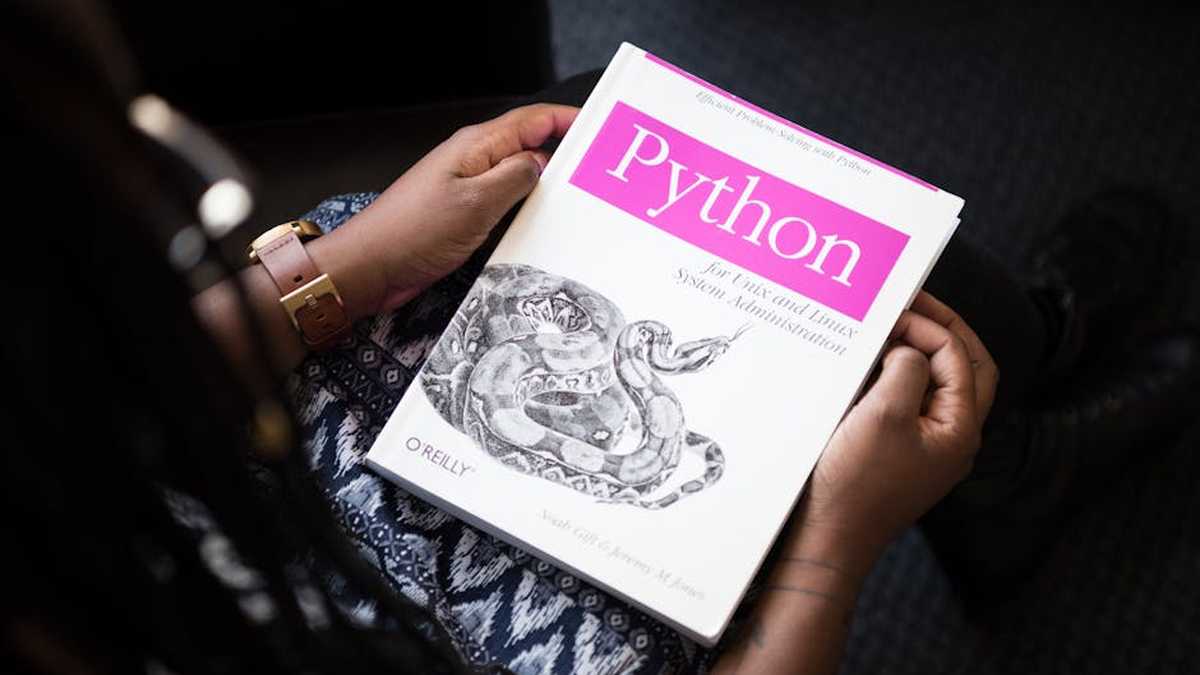
“The Ultimate Python Crash Course” is positioned as a foundational textbook designed for absolute beginners with no prior programming experience. It aims to take learners from zero to a functional understanding of Python programming, covering core concepts, syntax, data structures, object-oriented programming, and practical applications. The book emphasizes a hands-on approach, integrating numerous coding examples, exercises, and mini-projects to reinforce learning and build practical skills. Its primary promise is to equip readers with the confidence and capability to write their own Python scripts and tackle real-world problems.
Key Features
- Absolute Beginner-Friendly Pedagogy: The content is meticulously structured to introduce complex concepts incrementally, using clear, jargon-free language and analogies accessible to a non-technical audience.
- Comprehensive Core Curriculum: Covers essential Python fundamentals including variables, data types, operators, control flow (if/else, loops), functions, modules, file I/O, error handling, and an introduction to object-oriented programming (OOP).
- Practical Project-Based Learning: Integrates practical exercises and small projects throughout, allowing learners to apply newly acquired knowledge immediately and build a portfolio of functional code snippets.
- Clear Code Examples and Explanations: Every concept is accompanied by well-commented code examples that are thoroughly explained, demystifying the “why” behind the “what.”
- Focus on Best Practices: Encourages good coding habits from the outset, emphasizing readability, efficiency, and maintainability, crucial for long-term development.
- Self-Paced Learning: Designed to be consumed at the reader’s own pace, making it ideal for individuals balancing work, family, or other commitments.
Pros and Cons
Pros:
- Exceptional Clarity: The language used is remarkably straightforward, making potentially daunting topics digestible for beginners.
- Actionable Learning: The abundance of exercises and projects ensures active engagement rather than passive reading, significantly aiding retention.
- Logical Progression: Topics build upon each other seamlessly, creating a strong foundational understanding before moving to more advanced subjects.
- Excellent Value Proposition: Offers a substantial amount of high-quality content for its price point, often making it more cost-effective than many online alternatives.
- Offline Accessibility: As a physical or e-book, it provides a distraction-free learning environment without reliance on an internet connection for core content.
Cons:
- Limited Advanced Topics: While comprehensive for beginners, it does not delve deeply into specialized areas like web development frameworks (Django, Flask), data science libraries (Pandas, NumPy), or machine learning, which require subsequent learning.
- Self-Discipline Required: Like any self-study resource, success heavily depends on the reader’s commitment and ability to follow through with exercises.
- Static Content: Unlike online courses, the content isn’t updated frequently to reflect the very latest Python versions or popular library changes, though core Python rarely changes drastically.
- No Direct Instructor Feedback: Learners must rely on self-correction or external communities for help when stuck, as there is no direct instructor interaction.
Who Should Buy This
This book is an invaluable asset for: Related: Top 5 Productivity Systems for Remote Workers in USA (2026)
- Complete Programming Novices: Individuals who have never written a line of code and are looking for a gentle, structured introduction to programming.
- Career Changers: Professionals in non-technical fields seeking to acquire fundamental programming skills to enhance their current role or transition into tech.
- Students and Academics: Those in disciplines requiring basic scripting or data manipulation skills, such as researchers, data analysts, or engineering students.
- Entrepreneurs and Small Business Owners: Individuals wanting to automate repetitive tasks, manage data more efficiently, or prototype simple applications without hiring a developer.
- Self-Learners with Discipline: Anyone who thrives on structured, self-paced learning and is committed to putting in the practice required.
Who Should Avoid This
“The Ultimate Python Crash Course” may not be the ideal choice for: Related: Forest App vs. Focusmate: Boosting Productivity & Study Accountability for US College Students
- Experienced Programmers: If you already have a solid grasp of another programming language, much of the initial content will be redundant. You might prefer resources focused on Python’s unique idioms or advanced topics.
- Individuals Seeking Certification Prep: While it builds a strong foundation, it is not specifically tailored to any particular certification exam.
- Learners Who Require Immediate Instructor Support: If you know you struggle with self-study and need real-time, personalized guidance or accountability, a live course or bootcamp might be more effective.
- Those Primarily Interested in Specific Niches: If your sole interest is, for instance, machine learning or web development from day one, this book serves as a prerequisite, not the final destination.
Pricing Insight
“The Ultimate Python Crash Course” typically retails in the range of $25-$45 for a physical copy, with digital versions often slightly less expensive. Compared to the hundreds or even thousands of dollars demanded by online bootcamps or university courses for similar foundational content, this book offers an exceptional return on investment. Its affordability makes high-quality Python education accessible to a broad audience, aligning perfectly with the American ideal of self-improvement through accessible resources. Keep an eye out for seasonal sales, particularly during summer educational pushes, which can further enhance its value proposition. Related: Real-World Review: [Specific Focus App] – The Key to Undistracted Work for Creatives Across the USA?
Comparison with 1 Alternative
Let us consider “Automate the Boring Stuff with Python” by Al Sweigart, another highly respected introductory Python book. Related: Skillshare vs. Coursera: Best Online Learning Platform for USA Tech Career Transitions?
- “The Ultimate Python Crash Course”: Focuses broadly on core Python programming concepts, building a robust theoretical and practical foundation. Its strength lies in its meticulous, step-by-step exposition of Python syntax, data structures, and object-oriented principles, preparing readers for a wide array of potential applications. It’s an excellent choice for those who want a comprehensive understanding of the language itself.
- “Automate the Boring Stuff with Python”: Takes a more project-centric approach, immediately diving into practical applications of Python to solve real-world automation problems (e.g., web scraping, Excel manipulation, sending emails). While it teaches Python fundamentals, the learning is often contextualized within these specific projects. It’s superb for learners who are highly motivated by immediate practical utility and want to see results quickly.
Verdict: If your goal is to understand why Python works the way it does and gain a versatile foundational knowledge applicable to any domain, “The Ultimate Python Crash Course” is superior. If your primary, immediate goal is to solve specific automation tasks without necessarily delving deep into programming theory, “Automate the Boring Stuff” might resonate more initially. However, for true long-term programming proficiency, the foundational depth of “The Ultimate Python Crash Course” provides a stronger springboard. Related: My Take on The [Specific Goal-Setting Journal]: A US Perspective on Achieving Ambitious Personal & Career Milestones
Final Verdict
After a thorough examination, “The Ultimate Python Crash Course” emerges as a standout resource for Americans ready to embark on their Python journey this summer. Its unparalleled clarity, practical approach, and comprehensive coverage of foundational concepts make it an exceptional value for money. While it requires dedication and independent problem-solving, the structured curriculum provides a clear pathway to genuine programming proficiency. For anyone seeking to genuinely understand Python, cultivate robust coding habits, and open doors to new career opportunities or personal projects, this book is not just recommended; it is, in our analytical estimation, an indispensable investment. It’s an empowering tool that truly delivers on its promise to demystify one of the most important skills of the 21st century.
Ready to unlock your Python potential?
What makes “The Ultimate Python Crash Course” the *must-have* Python book for Americans this summer, rather than just another coding guide?
“The Ultimate Python Crash Course” distinguishes itself with a pragmatic, results-oriented approach tailored for the busy American learner. It focuses on real-world applications relevant to today’s job market and everyday problem-solving, moving beyond theoretical concepts to deliver actionable skills quickly. Its concise yet comprehensive structure is designed for rapid learning during the summer, ensuring you gain proficiency efficiently without getting bogged down, making it the ideal choice for maximizing your skill development during a focused period.
I’m a complete beginner with zero coding experience. Will I truly be able to learn Python effectively with this “crash course,” or is it too advanced?
Absolutely! This crash course is specifically crafted with the absolute beginner in mind. It starts from square one, explaining fundamental programming concepts in clear, jargon-free language. Each chapter builds logically on the last, incorporating practical exercises that solidify your understanding. You won’t just memorize syntax; you’ll learn to think like a programmer, making it incredibly accessible and effective for anyone new to coding.
After completing “The Ultimate Python Crash Course,” what practical skills or types of projects will I be capable of undertaking?
Upon finishing the course, you’ll possess a strong foundation in Python that enables you to tackle a variety of practical tasks. You’ll be able to write scripts to automate repetitive tasks, perform basic data analysis, understand the fundamentals of web development, and even create simple applications. You’ll gain the confidence to approach more complex projects and explore specialized areas of Python, opening doors to new career opportunities and personal development.
Considering it’s a “crash course,” how much time should I realistically commit each week to see significant progress and truly master the material this summer?
While “The Ultimate Python Crash Course” is designed for efficiency, consistent effort is key. We recommend dedicating at least 5-10 hours per week, which could be broken down into daily 1-2 hour sessions or longer weekend blocks. This allows enough time to read new material, work through the hands-on exercises, and reinforce your learning. With this commitment, you can expect to build a solid Python foundation and begin applying your new skills within just a few weeks.
Related Products
- Review: The “MindMapper Pro” Digital Notebook – Your Back-to-School USA Productivity Essential
- 10 Best Books to Master Personal Finance for Beginners in USA (2026)
- Best Study Gadgets for GRE & GMAT Prep in USA (2026)
- 6 Best Online Courses for Project Management Certification in USA (2026)
- 12 Best-Selling Books to Boost Emotional Intelligence in USA (2026)