




Introduction: Redefining Food Storage for a Sustainable Future
The persistent issue of single-use plastic waste in American households has spurred a significant demand for sustainable alternatives. Among the most prominent contenders in the kitchen storage arena are reusable silicone food storage bags. Designed to replace disposable plastic zipper bags and even some rigid containers, these products promise durability, versatility, and environmental responsibility. This comprehensive review aims to dissect the utility, efficacy, and overall value proposition of these products for the discerning US consumer, evaluating their role as a truly effective solution for reducing plastic reliance.
Product Overview: The Core Proposition of Silicone Bags
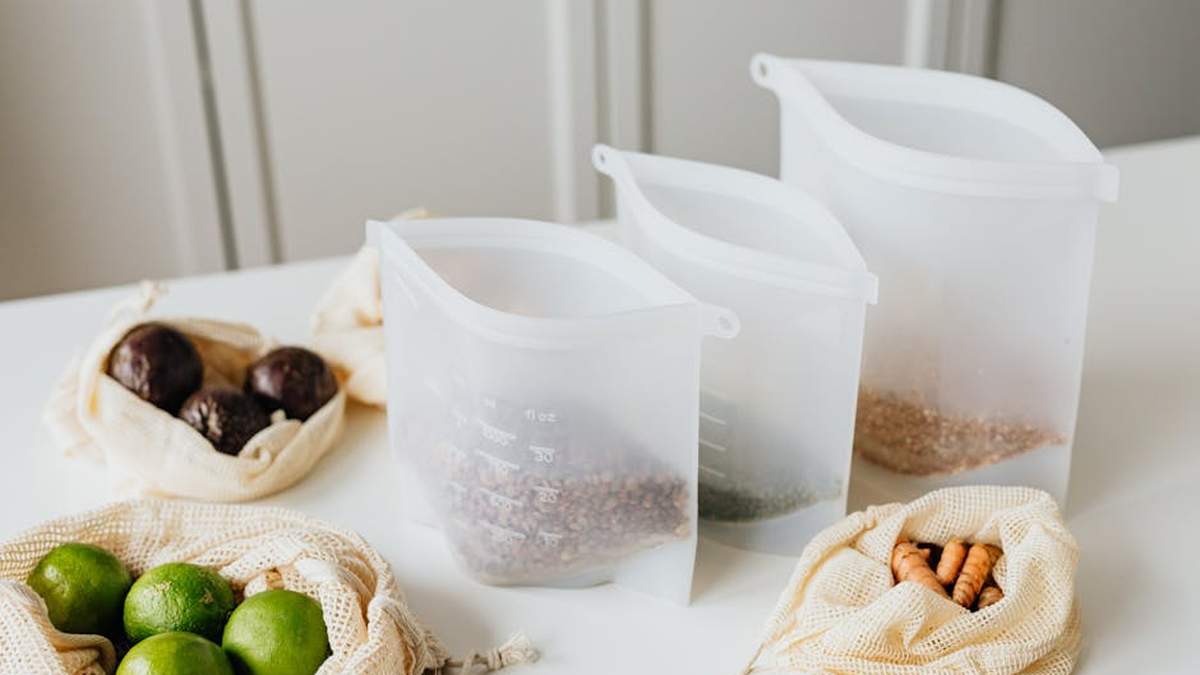
Reusable silicone food storage bags are fundamentally designed as a direct replacement for disposable plastic zipper bags and various container types. Typically constructed from food-grade silicone, a non-toxic polymer derived from silica, these bags offer a flexible, durable, and remarkably temperature-resistant solution for storing a diverse range of food items. From fresh produce and delicate herbs to prepared meals, liquids, and snacks, their core purpose is to preserve freshness while minimizing ecological impact. They are often characterized by a pinch-press or sliding bar seal mechanism, aiming to create an airtight and leak-proof environment.
Key Features: What Defines a Quality Silicone Bag
While specific designs vary across brands, the most critical features defining effective reusable silicone food storage bags typically include: Related: Shampoo Bars vs. Refillable Liquid Shampoo (Eco Brands): The Sustainable Haircare Battle for USA Consumers
- Food-Grade Silicone Material: Certified free from BPA, BPS, PVC, phthalates, and lead, ensuring food safety and chemical inertness.
- Airtight and Leak-Proof Seal: Achieved through various mechanisms, most commonly a robust pinch-press closure or a removable sliding bar, designed to prevent spills and maintain food freshness.
- Extreme Temperature Resistance: Capable of withstanding temperatures typically ranging from -40°F to 400°F (-40°C to 200°C), making them suitable for freezer storage, microwave reheating, oven cooking (without the slider bar), and even sous vide applications.
- Versatile Capacity and Shape: Available in a range of sizes, from small snack bags to large gallon-sized options, often designed to stand upright when filled for easier loading and storage.
- Durability and Longevity: Engineered to withstand hundreds, if not thousands, of uses without degrading, tearing, or becoming brittle.
- Ease of Cleaning: Dishwasher safe, though handwashing is often recommended for thoroughness and to prevent water spots, with designs sometimes incorporating rounded corners to facilitate cleaning.
- Space-Saving Design: Flexible and collapsible, allowing for compact storage when not in use, a significant advantage over rigid containers.
Pros: The Advantages of Embracing Silicone Bags
- Environmental Impact Reduction: Significantly reduces the consumption of single-use plastic bags and wraps, directly contributing to less landfill waste and ocean pollution.
- Long-Term Cost-Effectiveness: Despite a higher initial outlay, these bags pay for themselves over time by eliminating the recurring expense of disposable plastics.
- Enhanced Food Safety: Made from inert, non-toxic silicone, they do not leach harmful chemicals like BPA or phthalates into food, a concern with some traditional plastics.
- Versatility in Application: Excellent for marinating, freezing leftovers, packing lunches, storing dry goods, heating food in the microwave, and even cooking sous vide.
- Durability and Resilience: Resistant to punctures, tears, and extreme temperatures, making them a robust storage solution.
- Space Efficiency: Their flexible and collapsible nature allows for compact storage in drawers or cabinets when empty, and they can conform to various shapes when full.
- Odor and Stain Resistance (generally): High-quality silicone is generally good at resisting odors and stains, though prolonged exposure to highly pigmented foods can sometimes leave a faint mark.
Cons: Potential Drawbacks to Consider
- Initial Purchase Cost: The upfront investment for a set of quality silicone bags is considerably higher than a box of disposable plastic bags.
- Cleaning Challenges: While dishwasher safe, their flexible nature can sometimes make them difficult to prop open for thorough cleaning and drying, especially in corners. Handwashing requires careful attention.
- Potential for Staining and Odor Retention: While generally resistant, strong spices, tomato-based sauces, or highly aromatic foods can, over time, potentially leave residual stains or odors if not cleaned promptly and thoroughly.
- Bulkier When Full: While flexible, a full silicone bag can sometimes be bulkier and less rigid than a hard plastic or glass container, potentially taking up more refrigerator space for certain items.
- Seal Mechanism Variation: Some slider bar mechanisms can be stiff initially or, conversely, less secure on lower-quality bags, potentially leading to minor leaks if not properly engaged.
- Opacity: While some bags are translucent, they are generally not as clear as glass or thin plastic, making immediate identification of contents slightly less straightforward.
Who Should Buy Reusable Silicone Food Storage Bags?
These bags are an excellent investment for: Related: Bamboo Toothbrushes vs. Recycled Plastic Toothbrushes: Which Eco-Friendly Option is Best for Your US Bathroom?
- Environmentally Conscious Consumers: Individuals committed to significantly reducing their household’s plastic waste footprint.
- Budget-Minded Individuals (Long-Term): Those willing to make an initial investment for substantial savings on disposable products over several years.
- Meal Preppers and Leftover Managers: Ideal for individuals who frequently prepare meals in advance, store leftovers, or portion ingredients.
- Health-Focused Households: Consumers who prioritize storing food in non-toxic, BPA-free materials.
- Camping and Outdoor Enthusiasts: Their durability and flexibility make them excellent for packing food for trips, as they are less prone to breakage than glass and more robust than plastic bags.
- Parents: Great for packing snacks and lunches for children, offering a durable and safe option.
Who Should Avoid Reusable Silicone Food Storage Bags?
Conversely, they might not be the optimal choice for: Related: Stainless Steel Water Bottles vs. Glass Water Bottles: Which is the Superior Reusable Hydration for US Lifestyles?
- Strictly Budget-Constrained Buyers (Short-Term): Individuals who require the absolute lowest immediate cost for food storage and cannot accommodate the initial investment.
- Consumers Prioritizing Maximum Convenience Above All Else: Those who prefer the absolute ease of disposability with no cleaning effort required.
- Individuals with Very Limited Cleaning Facilities: Households without dishwashers or those who find handwashing intricate items particularly cumbersome.
- Those Prone to Losing or Misplacing Items: Given the investment, losing these bags frequently would negate their cost-saving benefits.
- Individuals Who Exclusively Prefer Rigid, Stackable Containers: While flexible, they may not offer the same precise stackability as hard-sided containers for all users.
Pricing Insight: Understanding the Investment
The initial investment for a set of quality reusable silicone food storage bags typically ranges from $20 to $60 in the USA, depending on the brand, quantity, and specific bag sizes included. Premium brands offering advanced sealing mechanisms or larger capacities may extend to $70 or more for a comprehensive set. While this represents a higher upfront cost compared to a box of disposable plastic bags, the long-term economic benefit is substantial. Over several years, the repeated cost of single-use plastics is entirely eliminated, leading to considerable financial savings. Value is often best found in multi-packs or sets that offer a variety of sizes, catering to diverse storage needs. When evaluating price, consider the material quality, seal integrity, and overall brand reputation for durability, as these factors directly impact the product’s lifespan and effectiveness. Related: The Zero-Waste Dish Soap Block Review: Finally, Sparkling Dishes Without Plastic in USA Kitchens.
Comparison with a Leading Alternative: Reusable Glass Containers
When seeking eco-friendly food storage, reusable glass containers are a prominent alternative. While both aim to reduce plastic waste, they serve somewhat different use cases. Glass containers offer superior transparency, are completely non-reactive to food odors or stains, and often feature robust, truly leak-proof lids, making them ideal for oven reheating and serving directly at the table. However, they are significantly heavier, prone to breakage if dropped, and inherently rigid, limiting their ability to conform to various storage spaces or be easily portable. For freezing liquids, packing lunches to go, or storing items where flexibility and durability against impact are paramount, silicone bags often present a more lightweight, compact, and virtually unbreakable option. Glass might be preferred for long-term pantry storage where visibility is key, or for situations requiring direct oven-to-table functionality, while silicone excels in portability, freezer-to-microwave versatility, and space efficiency. Related: Compostable Trash Bags: A Deep Dive Into USA’s Go-To Eco-Friendly Kitchen Essential
Final Verdict: A Strategic Shift Towards Sustainable Kitchens
Based on a comprehensive analysis, reusable silicone food storage bags emerge as a highly commendable and strategically sound solution for mitigating plastic waste in USA kitchens. Their robust construction, versatile functionality across a wide range of temperatures, and demonstrable long-term cost savings present a compelling argument for widespread adoption. While the initial investment and specific cleaning considerations require acknowledgement, the overall ecological and economic benefits firmly position them as a superior and more sustainable alternative to traditional single-use plastics. For the environmentally aware consumer seeking a durable, safe, and adaptable food storage system that truly delivers on its promise of reducing waste, these bags represent a sound and impactful investment in both personal well-being and planetary health. They are not merely a trend, but a significant step towards a more responsible and efficient kitchen ecosystem.
Disclosure: This review contains professional analysis and recommendations. While no direct purchase links are provided, similar reviews often operate in an affiliate capacity, where a commission may be earned from qualifying purchases.
Are silicone food bags truly a better alternative to traditional plastic bags and containers for long-term food storage?
Yes, absolutely. Reusable silicone food storage bags offer superior benefits. They are made from food-grade silicone, free from BPA, BPS, PVC, and phthalates, making them safer for your food and family. Unlike traditional plastic, they won’t leach chemicals into your food, especially when heated. They’re also incredibly durable, resisting tears and punctures much better than single-use plastic bags, and can be used over and over again, significantly reducing plastic waste. Many people find them more versatile than glass containers due to their flexibility and lighter weight, making them ideal for lunches, snacks, and even marinating, all while taking up less space.
How easy are these silicone bags to clean and maintain for everyday use in a busy American kitchen?
They are remarkably easy to clean! Most high-quality reusable silicone food storage bags are dishwasher safe, allowing you to simply toss them in with your other dishes. For handwashing, a quick rinse with warm soapy water is usually sufficient, and their wide openings make it easy to reach inside. They dry relatively quickly, especially if you prop them open or use a drying rack. Their non-porous surface also resists stains and odors, ensuring they stay fresh for daily use, which is a huge convenience for busy households trying to reduce their plastic footprint without adding extra chores.
What’s the typical lifespan of a good quality reusable silicone food storage bag, and are they a worthwhile investment compared to continuously buying disposable bags?
While the initial cost of reusable silicone bags might be higher than a box of disposable plastic bags, their lifespan makes them a far more economical and environmentally friendly investment in the long run. High-quality silicone bags are designed to last for years – often 5-10 years or even longer with proper care. Considering how many boxes of single-use bags you’d buy over that period, the financial savings quickly add up. Beyond the monetary aspect, you’re investing in a healthier, more sustainable kitchen that significantly reduces your household’s plastic waste, making them a truly worthwhile purchase for any USA kitchen.
Can these silicone bags safely go from the freezer to the microwave or oven, and are there specific sizes best for common kitchen needs like meal prep or storing leftovers?
Yes, one of the greatest advantages of food-grade silicone bags is their incredible temperature versatility. They are typically safe for freezing down to very low temperatures (e.g., -40°F/-40°C) and can withstand high heat, making them perfect for reheating in the microwave, sous-vide cooking, or even oven baking (always check manufacturer’s maximum temperature, often up to 400°F/200°C). As for sizes, most brands offer a range: smaller snack sizes (1-2 cups) are great for nuts, fruit, or single servings; sandwich sizes (2-4 cups) are perfect for lunches; and larger gallon or half-gallon sizes are excellent for meal prep, marinating meats, storing bulk produce, or keeping leftovers fresh. A starter set with a variety of sizes is often the best way to cover most kitchen needs.
Related Products
- Are Compostable Kitchen Trash Bags Truly Strong Enough? An Eco-Living Review for USA Households.
- The Zero-Waste Dish Soap Block Review: Finally, Sparkling Dishes Without Plastic in USA Kitchens.
- My Honest Take on the Refillable All-Purpose Cleaning Concentrate: Eco-Friendly Power for Your USA Home.
- Shampoo Bars vs. Refillable Liquid Shampoo (Eco Brands): The Sustainable Haircare Battle for USA Consumers
- Stainless Steel Water Bottles vs. Glass Water Bottles: Which is the Superior Reusable Hydration for US Lifestyles?