




Introduction
In an era of increasing environmental consciousness, many American households are actively seeking ways to reduce their ecological footprint, particularly within the kitchen. Traditional plastic cling wrap, while convenient, contributes significantly to landfill waste. This search for sustainable alternatives has brought products like Bee’s Wrap into the spotlight. This review aims to provide a comprehensive evaluation of Bee’s Wrap, assessing its practical utility, benefits, and limitations to help families determine if it stands as a viable and worthy replacement for conventional plastic food storage solutions.
Product Overview
Bee’s Wrap is a reusable, washable, and compostable food wrap designed to replace single-use plastic wrap. It is crafted from organic cotton infused with a proprietary blend of beeswax, organic jojoba oil, and tree resin. The unique composition allows the wrap to be molded around food items or containers using the warmth of your hands, creating a breathable yet secure seal. Its primary application is for covering bowls, wrapping sandwiches, cheese, fruits, vegetables, and baked goods, offering an eco-friendly approach to everyday food storage.
Key Features
- Natural Material Composition: Made from organic cotton, sustainably sourced beeswax, organic jojoba oil, and tree resin. These food-safe ingredients ensure a natural contact with food.
- Malleable and Self-Sealing: The warmth from your hands softens the wrap, enabling it to be molded into desired shapes and create a gentle seal that adheres to itself or to the rim of a bowl.
- Reusable and Durable: With proper care, Bee’s Wrap can be used repeatedly for up to a year, offering a significant reduction in waste compared to single-use plastics.
- Breathable Preservation: Unlike airtight plastic, Bee’s Wrap allows food to breathe, which can help extend the freshness of certain items like produce and bread.
- Easy to Clean: Cleaning involves washing with cool water and mild soap, followed by air drying.
- Variety of Sizes and Patterns: Available in multiple sizes, from small wraps for half an avocado to large wraps for loaves of bread, catering to diverse household needs, often in aesthetically pleasing patterns.
- Compostable: At the end of its useful life, Bee’s Wrap can be composted, returning to the earth without generating lasting waste.
Pros and Cons
Pros:
- Significantly reduces household plastic waste, aligning with sustainable living goals.
- Offers a breathable storage solution that can help keep certain foods, particularly produce and bread, fresh longer than airtight plastic.
- Made from natural, non-toxic, and food-safe ingredients.
- Aesthetically pleasing designs can add a touch of natural charm to the kitchen.
- Relatively easy to clean and maintain with simple hand washing.
- Versatile for a wide range of solid food items and covering containers.
- Compostable, completing its lifecycle sustainably.
Cons:
- Higher initial purchase cost compared to conventional plastic cling wrap.
- Not suitable for raw meat or very wet/liquid items due to its breathable nature and potential for cross-contamination or leakage.
- Cannot be used in microwaves, ovens, or with hot food, as heat will melt the wax.
- Requires hand washing in cool water; not dishwasher safe, which might be inconvenient for some users.
- The beeswax scent, though typically subtle and diminishing with use, may not appeal to everyone initially.
- Adhesion can decrease over time and with frequent washing, necessitating eventual replacement.
- Can become stained by strongly colored or oily foods.
Who Should Buy This
Bee’s Wrap is particularly well-suited for: Related: Swedish Dishcloths vs. Reusable Unpaper Towels: The Eco-Friendly Kitchen Wipe Comparison for USA
- Eco-Conscious Households: Families actively striving to minimize their environmental impact and reduce plastic consumption.
- Meal Preppers and Lunch Packers: Ideal for wrapping sandwiches, snacks, cut fruits, and vegetables for school or work lunches.
- Cooks and Bakers: Great for covering rising dough, half-used produce, blocks of cheese, or leftover baked goods.
- Individuals Prioritizing Natural Materials: Those who prefer natural, non-synthetic materials for food contact.
- Families Seeking Sustainable Habits: A tangible way to introduce sustainable practices into daily routines for adults and children alike.
Who Should Avoid This
Bee’s Wrap may not be the ideal solution for: Related: EcoRoots Compostable Sponge Review: The Best Plastic-Free Cleaning Tool for Your USA Kitchen Sink?
- Budget-Focused Consumers: Individuals solely seeking the lowest-cost food storage option without considering long-term value.
- Users Requiring Airtight Seals: Those who primarily need to store liquids, raw meats, or strongly aromatic foods that demand an impermeable seal.
- High-Heat Users: Households frequently microwaving leftovers directly in wraps or needing oven-safe coverings.
- Convenience-Oriented Individuals: People unwilling to handwash food wraps and preferring dishwasher-safe solutions.
- Those with Specific Allergies: While rare for topical contact, individuals with severe bee product allergies might consider alternatives.
- Homes with High Turnover of Oily/Staining Foods: Frequent wrapping of highly pigmented or very oily items may lead to staining or faster degradation.
Pricing Insight
The initial investment in Bee’s Wrap is notably higher than purchasing a roll of conventional plastic cling wrap. A starter set or individual wraps will typically cost more upfront. However, it is crucial to consider the long-term value. Given that each wrap can last for up to a year with proper care, it offers a reusable solution that eliminates the recurring cost of single-use plastic wrap purchases. Pricing often varies by size and pack quantity, with multi-packs generally providing a better per-wrap value. This product represents an investment in sustainable living rather than a direct cost-saving measure in the short term, though it can offer savings over extended periods by reducing disposable item purchases. Related: Ethique Solid Shampoo Bar Review: Can This Eco-Friendly Bar Truly Replace Plastic Bottles for USA Hair?
Comparison with a Leading Alternative: Silicone Food Lids/Stretchy Wraps
When considering reusable food wraps, silicone alternatives often come to mind. Here’s a brief comparison: Related: Stasher Reusable Sandwich Bags Review (USA): The Eco-Friendly Switch That Lasts
- Bee’s Wrap:
- Material: Natural (cotton, beeswax, etc.).
- Seal: Breathable, gentle adhesion, molds with hand warmth.
- Durability: Up to one year, then compostable.
- Care: Hand wash with cool water.
- Best For: Breathable storage of produce, bread, cheese, sandwiches, covering bowls (solids).
- Heat Tolerance: Low (melts with heat).
- Silicone Food Lids/Stretchy Wraps:
- Material: Synthetic (food-grade silicone).
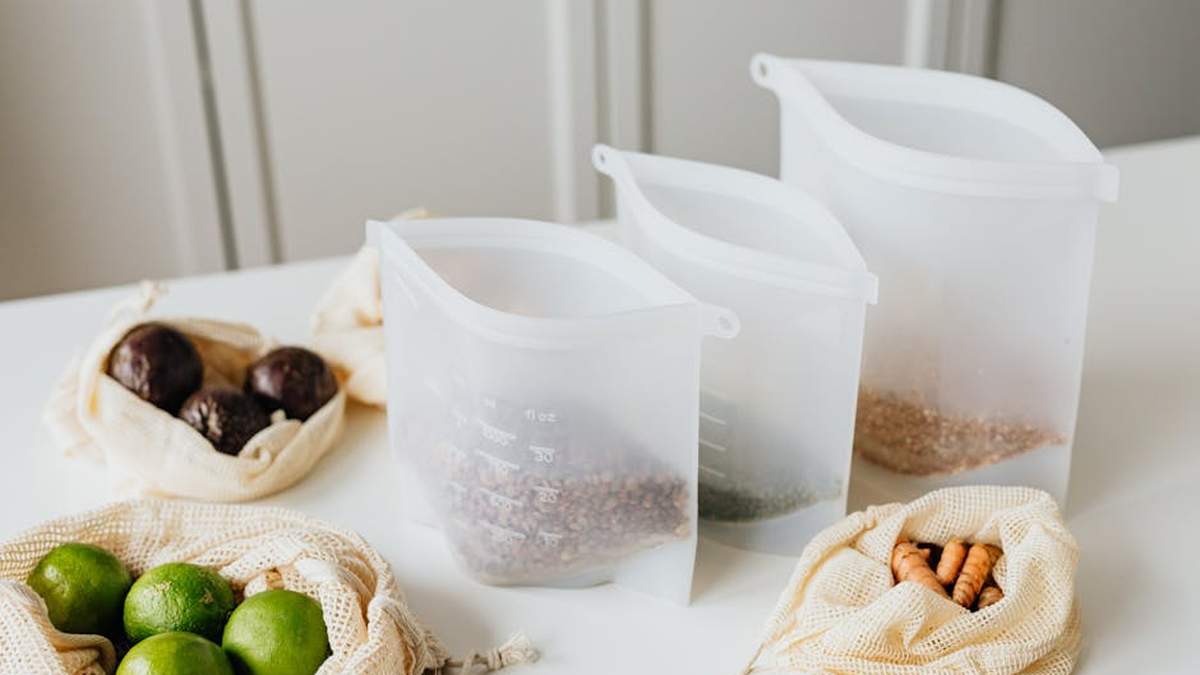
- Seal: Airtight, strong suction, stretches over various shapes.
- Durability: Highly durable, can last for many years.
- Care: Dishwasher safe, easy to clean.
- Best For: Airtight storage of liquids, leftovers, raw meats, covering bowls (any consistency).
- Heat Tolerance: High (microwave, oven, freezer safe).
Conclusion: The choice between Bee’s Wrap and silicone alternatives largely depends on your primary needs. Bee’s Wrap excels for breathable storage and natural materials, contributing to a compostable waste stream. Silicone lids are superior for airtight seals, liquid storage, and convenience with heat and dishwashing. Many households might find value in incorporating both solutions to cover a broader range of food storage requirements. Related: Friendsheep Wool Dryer Balls Review: Non-Toxic Laundry & Energy Savings for Your US Home
Final Verdict
Bee’s Wrap stands out as a commendable and effective sustainable alternative for a significant portion of a family’s food storage needs. It is more than just a wrap; it is a lifestyle choice that actively reduces plastic waste and encourages mindful consumption. While it does not offer a direct, one-to-one replacement for all applications of plastic cling wrap, particularly for very wet items or those requiring an airtight seal, its breathability, natural composition, and compostable nature present compelling advantages. For American families committed to sustainability, eager to reduce their environmental footprint, and willing to embrace a slightly different approach to food preservation, Bee’s Wrap is a highly recommended addition to the kitchen. It embodies a step forward in creating a greener, more conscious home.
Is Bee’s Wrap a cost-effective alternative to plastic cling wrap for my family in the long run?
While Bee’s Wrap has a higher initial purchase price compared to a roll of disposable plastic wrap, it proves to be highly cost-effective over time for American families. Each wrap can be reused for up to a year, or even longer with proper care, significantly reducing the need to continuously buy plastic wrap. Considering the cumulative cost of single-use plastics over months and years, Bee’s Wrap offers substantial long-term savings while also reducing household waste and your family’s environmental footprint.
How easy is Bee’s Wrap to use and clean for busy American families, especially with kids?
Bee’s Wrap is remarkably easy to use and integrates seamlessly into a busy family routine. Simply use the warmth of your hands to mold the wrap around food, bowls, or containers; it creates a natural seal as it cools. For cleaning, just wash it in cool water with a mild dish soap, rinse, and air dry. It dries quickly and is ready for its next use. It’s much simpler than wrestling with sticky plastic wrap and doesn’t require special cleaning agents or techniques, making it kid-friendly for older children helping in the kitchen.
Can Bee’s Wrap really keep common family foods like sandwiches, fruits, and leftovers fresh?
Absolutely! Bee’s Wrap is designed to keep a wide variety of common family foods fresh. It’s excellent for wrapping sandwiches, halves of fruits (like apples and avocados), vegetables, cheese, baked goods, and covering bowls of leftovers. The beeswax and tree resin create a breathable yet protective seal that helps food stay fresh naturally, much like a fruit peel. It’s particularly effective for lunchboxes and picnic foods, though it’s not recommended for raw meat or very wet items.
What is the typical lifespan of Bee’s Wrap, and how do I care for it to maximize its reusability?
With proper care, Bee’s Wrap typically lasts for about one year of regular use. To maximize its lifespan, always wash it in COOL water with a mild soap – never hot water, which can melt the wax coating. Avoid harsh scrubbing, microwaves, ovens, or direct heat sources. Let it air dry completely before folding and storing it in a drawer or basket. Over time, if the wrap loses its stickiness, it can even be refreshed or “re-waxed” with a special kit, extending its usefulness even further.
Related Products
- Friendsheep Wool Dryer Balls Review: Non-Toxic Laundry & Energy Savings for Your US Home
- Ethique Solid Shampoo Bar Review: Can This Eco-Friendly Bar Truly Replace Plastic Bottles for USA Hair?
- EcoRoots Compostable Sponge Review: The Best Plastic-Free Cleaning Tool for Your USA Kitchen Sink?
- Dropps Laundry Detergent Pods Review: Ditching Plastic Jugs for Good in American Homes
- Meliora vs. Blueland Dish Soap Tablets: Which Sustainable Dishwasher Solution is Best for USA Families?