





Embarking on Sustainable Journeys Across the USA
As conscious travel gains paramount importance, equipping yourself with zero-waste essentials is a highly effective way to minimize environmental impact while exploring the diverse landscapes of the United States. From the majestic national parks to the vibrant cityscapes, actively reducing single-use plastics and unnecessary waste can significantly enhance your adventure, aligning your journey with the pristine beauty you seek to discover. This guide presents a thoughtfully curated list of top zero-waste travel products for 2026, meticulously selected to support your sustainable endeavors across American destinations.
Comparison Table: Zero-Waste Travel Essentials
| Product | Primary Benefit | Portability Rating | Typical Price Range |
|---|---|---|---|
| Insulated Reusable Water Bottle with Filter | Reliable Hydration & Water Source Versatility | High | $30 – $70 |
| Collapsible Silicone Food Containers | Efficient Food Storage & Waste Reduction | Very High | $20 – $45 (set) |
| Solid Toiletry Bar Set | Plastic-Free Personal Care & TSA-Friendly | High | $15 – $40 (per bar/set) |
| Bamboo Travel Cutlery Set with Straw | Eliminates Single-Use Utensils | High | $10 – $25 |
| Compact Reusable Shopping/Produce Bags | Versatile Shopping & Storage Solution | Very High | $10 – $30 (set) |
| Collapsible Reusable Coffee Cup | Convenient On-the-Go Beverage Solution | High | $15 – $35 |
| Bamboo Toothbrush & Toothpaste Tablets | Eco-Friendly Oral Hygiene Routine | High | $10 – $25 (set) |
1. Insulated Reusable Water Bottle with Filter
- Key Features:
- Double-wall vacuum insulation can keep drinks cold for up to 24 hours or hot for 12 hours.
- Integrated water filter system may remove common contaminants and improve taste from various water sources.
- Durable stainless steel construction, often featuring a powder-coated finish for improved grip.
- Leak-proof lid designs are common, sometimes offering a straw or spout option.
- Available in various capacities (e.g., 20oz, 32oz, 40oz) to suit diverse travel durations.
- Pros:
- Can significantly reduce reliance on single-use plastic water bottles.
- May ensure access to clean drinking water in many locations, from trailheads to urban areas.
- Helps maintain beverage temperature, which can enhance comfort during extended travel days.
- Robust build quality often withstands rugged travel conditions.
- Cons:
- May be heavier and bulkier than standard plastic bottles, particularly when full.
- Filter cartridges typically require periodic replacement, which can incur additional cost and waste (though many are designed to be recyclable).
- Initial investment is often higher compared to disposable alternatives.
Best For:
Hikers, campers, road trippers, and anyone exploring areas where water refill stations might be sparse or where water quality is a concern. This is an ideal item for both wilderness adventures and urban exploration across the USA.
Price Range: Typically $30 – $70, influenced by brand, capacity, and the sophistication of the filter technology. Related: Best Natural Skincare Brands for a Radiant Complexion in USA (2026)
Investing in a high-quality insulated bottle with a reliable filter can be a foundational element of your zero-waste travel kit. Consider exploring various models to find one that aligns with your capacity needs and filtration preferences. Related: Stasher Bags vs. Bee’s Wrap: Best Reusable Food Storage for Your Eco-Kitchen in the USA?
View Top-Rated Water Bottles Related: 12 Best Eco-Friendly Gift Ideas for Every Holiday in USA (2026)
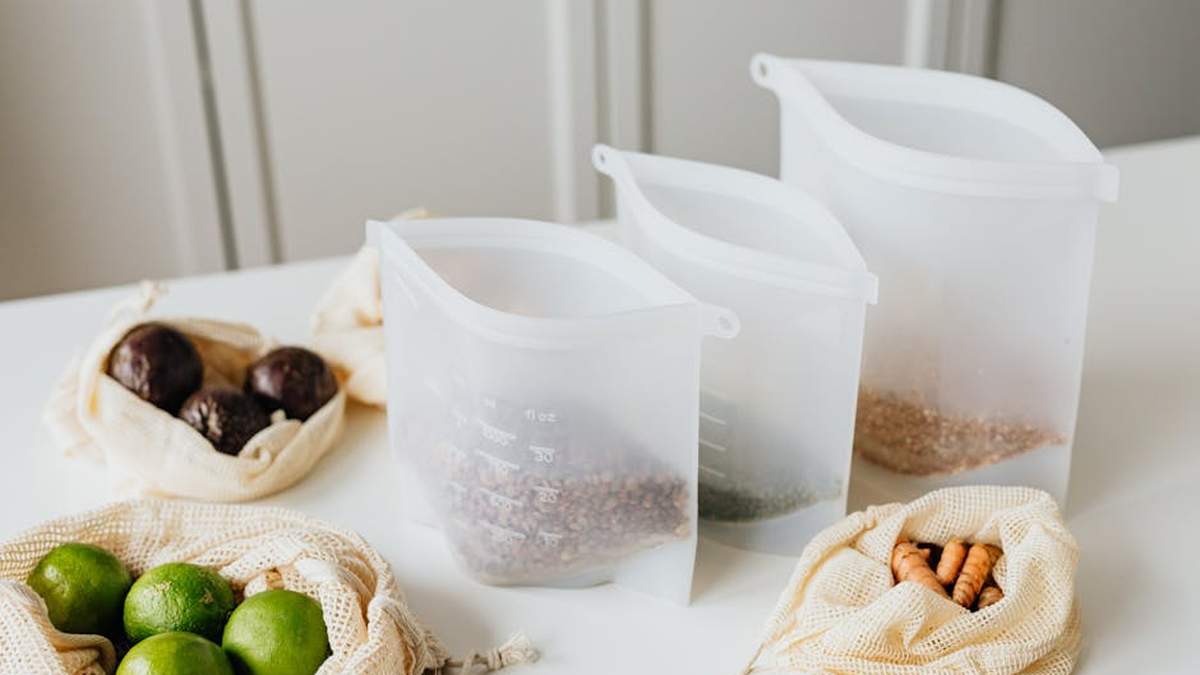
2. Collapsible Silicone Food Containers
- Key Features:
- Constructed from food-grade, BPA-free silicone that efficiently collapses flat when empty.
- Commonly feature leak-proof lids, often with integrated air vents.
- Designed to be microwave, freezer, and dishwasher safe for convenience.
- Available in a variety of sizes and shapes, frequently offered as nested sets.
- Durable and generally resistant to drops and impacts.
- Pros:
- Can save significant space in luggage or daypacks when not in active use.
- May be perfect for packing lunches, storing restaurant leftovers, or carrying snacks.
- Aids in reducing the need for disposable takeout containers, plastic wrap, or foil.
- Generally easy to clean and highly versatile for diverse food types.
- Cons:
- Silicone might sometimes retain odors if not cleaned promptly, particularly from strong-smelling foods.
- Lids may sometimes be made of plastic, potentially introducing a small amount of non-silicone material.
- Initial purchase cost might be higher than traditional plastic food containers.
Best For:
Budget-conscious travelers, picnic enthusiasts, and anyone planning to pack meals or snacks for day trips, road trips, or managing restaurant leftovers while aiming to minimize waste. An excellent choice for national park visits where you might pack your own lunch. Related: Dropps Laundry Detergent Pods Review: Ditching Plastic Jugs for Good in American Homes
Price Range: A typical set often ranges from $20 – $45. Related: EcoRoots Compostable Sponge Review: The Best Plastic-Free Cleaning Tool for Your USA Kitchen Sink?
These containers can offer notable convenience and space-saving design, making them a valuable asset for sustainable eating on the go. Consider comparing different sets to find the sizes that best suit your specific travel needs.
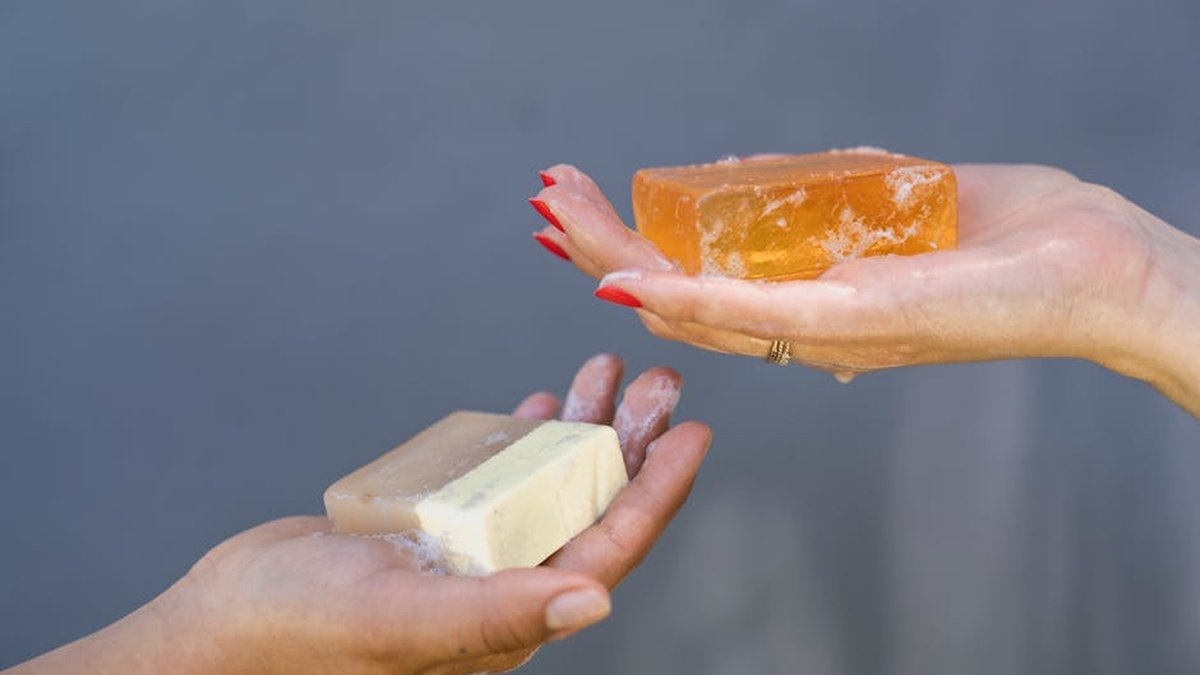
3. Solid Toiletry Bar Set (Shampoo, Conditioner, Body Soap)
- Key Features:
- Concentrated formulas presented in solid bar form, effectively eliminating plastic bottles.
- Often crafted with natural ingredients, frequently free from sulfates and parabens.
- Compact and lightweight design, ideal for minimalist packing strategies.
- TSA-friendly, as these items are not considered liquids.
- May come with dedicated travel tins or wraps for convenient storage.
- Pros:
- Can completely eliminate plastic bottles from your personal care routine.
- Long-lasting, often equivalent to multiple bottles of liquid product.
- Minimizes the risk of leaks in luggage.
- May save space and weight compared to liquid toiletries.
- Cons:
- Requires proper drying between uses to maximize longevity; a suitable travel tin is often essential.
- Some travelers may experience an adjustment period for hair or skin.
- Availability of specific scents or formulations might vary by brand.
Best For:
All travelers aiming to reduce plastic waste and lighten their luggage. Particularly beneficial for air travel due to TSA liquid restrictions and for longer trips where carrying multiple liquid bottles could be cumbersome.
Price Range: Typically $15 – $40 per bar or a small set.
Transitioning to solid toiletries can be a simple yet impactful step towards zero-waste travel. Explore different brands and formulations to discover what may work best for your personal care routine.
4. Bamboo Travel Cutlery Set with Straw
- Key Features:
- Typically includes a fork, spoon, knife, and often chopsticks, a metal or bamboo straw, and a cleaning brush.
- Usually housed in a compact fabric pouch or case for both hygiene and portability.
- Crafted from sustainable bamboo, stainless steel, or a combination of these materials.
- Lightweight and designed for durability in daily use.
- Pros:
- May eliminate the need for single-use plastic cutlery and straws from takeout or fast-food meals.
- Often provides a more pleasant and stylish dining experience compared to flimsy plastic alternatives.
- Generally easy to clean and maintain while on the go.
- Environmentally friendly options due to the use of sustainable and potentially biodegradable materials (bamboo components).
- Cons:
- Requires cleaning after each use, which might be inconvenient in certain situations.
- Bamboo items may benefit from occasional oiling to help maintain their longevity.
- Could be easily forgotten if not consistently kept in a day bag.
Best For:
Travelers who frequently eat on the go, enjoy picnics, or often get takeout meals. This item is essential for road trips across the USA where opportunities for sit-down meals might be limited and disposable cutlery is prevalent.
Price Range: Generally $10 – $25 per set.
A reusable cutlery set is a relatively small addition that can offer a significant environmental benefit. Seek out a set with a convenient carrying case that encourages consistent use.
5. Compact Reusable Shopping/Produce Bags
- Key Features:
- Constructed from durable, lightweight materials such as ripstop nylon, organic cotton, or recycled PET.
- Designed to fold or stuff into a tiny pouch for effortless storage in a pocket or bag.
- Boasts a high weight capacity and good tear resistance.
- Often machine washable for easy care.
- Some sets may include smaller mesh produce bags for specific items.
- Pros:
- Can eliminate the need for single-use plastic shopping bags and produce bags.
- Highly versatile for groceries, farmers’ markets, laundry, or carrying souvenirs.
- Occupies virtually no space when packed away.
- May help save money in states or cities with plastic bag fees.
- Cons:
- Might be forgotten in the hotel room if not ingrained as a habit to carry one.
- Mesh produce bags may not fully contain very fine-grained items.
- Some materials, like nylon, are not biodegradable (though often designed for exceptional longevity).
Best For:
All travelers, especially those planning visits to grocery stores, local markets, or simply needing extra carry space. This item is indispensable for a multi-stop USA road trip where unexpected purchases or grocery runs are a common occurrence.
Price Range: A set of bags typically costs $10 – $30.
Keeping a reusable bag (or a few) handy is one of the simplest and potentially most effective zero-waste habits. Consider designs that fold compactly and offer a good carrying capacity for your adventures.
6. Collapsible Reusable Coffee Cup
- Key Features:
- Made from food-grade silicone or durable plastic, engineered to collapse into a compact disc.
- Often includes a heat-resistant sleeve or band for comfortable handling.
- Commonly features a leak-proof lid, frequently with a stopper for the drinking spout.
- Available in various standard coffee cup sizes (e.g., 8oz, 12oz, 16oz).
- Generally dishwasher safe for straightforward cleaning.
- Pros:
- Can significantly reduce the consumption of single-use coffee cups and lids.
- Collapses to a minimal size, allowing it to fit easily into a purse or pocket.
- Most coffee shops are often willing to fill personal cups, sometimes offering a small discount.
- Durable and typically provides a more pleasant drinking experience than disposable cups.
- Cons:
- Requires cleaning after each use, which might not always be immediately convenient.
- Some cups may retain coffee stains or odors over time if not thoroughly cleaned.
- Initial cost is often higher than that of a single disposable cup.
Best For:
Coffee aficionados, tea drinkers, and anyone who enjoys hot beverages on the go. This item is perfect for urban explorers, morning commuters, or those seeking a caffeine fix during long drives across the USA.
Price Range: Generally $15 – $35.
A collapsible coffee cup can be a daily zero-waste win. Choose one that collapses easily and fits comfortably in your hand, which may encourage consistent use.
7. Bamboo Toothbrush & Toothpaste Tablets
- Key Features:
- Bamboo Toothbrush: Handle typically made from sustainably sourced, biodegradable bamboo; bristles are often made from plant-based nylon or castor bean oil.
- Toothpaste Tablets: Pre-portioned, fluoride or fluoride-free tablets that foam when chewed and brushed with a wet brush.
- Often packaged in glass jars, metal tins, or compostable pouches, aiming to eliminate plastic tubes.
- Designed for travel convenience – no liquid restrictions for tablets, compact brushes.
- Pros:
- May help eliminate plastic toothbrushes and plastic toothpaste tubes, which are significant sources of waste.
- Bamboo toothbrushes are often compostable (after removing bristles).
- Toothpaste tablets are generally mess-free, spill-proof, and TSA-friendly.
- Many formulations utilize natural ingredients.
- Cons:
- Some individuals may experience an adjustment period for the feel of toothpaste tablets.
- Bamboo toothbrushes might wear faster than plastic ones for some users.
- Tablets can sometimes be more expensive per brush than traditional toothpaste tubes.
Best For:
All travelers committed to a plastic-free personal hygiene routine. This combination is ideal for any trip length across the USA, contributing to a dental care routine that leaves a minimal environmental footprint.
Price Range: A bamboo toothbrush is typically $5 – $10; toothpaste tablets generally range from $10 – $25 per jar/pouch.
Making the switch to eco-friendly dental care can be a straightforward way to reduce daily waste. Consider exploring different brands of tablets and brush designs to find your preferred match.
Buying Guide: Choosing Your Zero-Waste Travel Essentials
Selecting the right zero-waste products involves more than just their environmental impact. Consider these factors to help ensure your choices effectively enhance your travel experience:
- Durability and Longevity: Aim to invest in items designed for durability. A product that breaks quickly, even if marketed as “eco-friendly,” ultimately generates more waste. Look for high-quality materials and consider reputable brands.
- Portability and Weight: Travel essentials should ideally be lightweight and compact. Collapsible designs or multi-functional items can help save valuable space and reduce luggage weight, which is particularly beneficial for flights or extensive road trips.
- Ease of Cleaning: On the go, convenience is often key. Opt for items that are easy to rinse, wipe, or can be quickly washed in a sink, without requiring special tools or extensive drying time.
- Material Sourcing and End-of-Life: Research the materials used. Consider if a product is made from recycled, recyclable, biodegradable, or compostable materials. Understanding how to responsibly dispose of or recycle the product once its lifespan ends can be an important consideration.
- Versatility: Products that can serve multiple purposes (e.g., a water bottle that also holds coffee, a reusable bag for shopping and laundry) may offer greater value and could potentially reduce the total number of items you need to carry.
- Personal Preference: Ultimately, consistent use of these products is important. Choose items that you genuinely find enjoyable to use, align with your aesthetic preferences, and seamlessly integrate into your routine.
- Budget: While an initial investment may sometimes be higher, many zero-waste products can lead to savings in the long run by replacing disposable alternatives. Balance the upfront cost with potential long-term savings and the environmental benefits.
Conclusion
Preparing for your 2026 USA adventures with zero-waste essentials can be a proactive step towards more responsible and rewarding travel. Each item on this list offers a tangible way to potentially reduce your environmental footprint, from helping to eliminate plastic bottles and cutlery to embracing more sustainable hygiene practices. By making thoughtful choices, you contribute to efforts to preserve the natural beauty and vibrant cultures you encounter, aiming to ensure these incredible destinations remain pristine for future generations of explorers. Happy travels, and may your journey be as sustainable as it is memorable!
Affiliate Disclosure: This guide may contain links to products and services. We may earn a commission from qualifying purchases made through these links, at no extra cost to you. This helps support our content creation. Product prices and availability are subject to change by the retailers and are accurate at the time of publication.
How compact and travel-friendly are these zero-waste essentials for USA road trips and flights?
Our recommended zero-waste travel essentials are specifically chosen for their portability and multi-use functionality. Most items, like collapsible cups, solid toiletries, and compact utensil sets, are designed to save space, prevent leaks, and easily pass through TSA. They’re perfect for optimizing your packing and ensuring you have sustainable options whether you’re flying cross-country or exploring national parks by car.
Are these zero-waste travel essentials a significant upfront investment, and do they save money in the long run?
While some zero-waste items might have a slightly higher initial cost than their single-use counterparts, they offer substantial long-term savings. For example, a high-quality reusable water bottle eliminates the need to buy countless plastic bottles, and solid shampoo bars last much longer than liquid bottles. Investing now means fewer purchases of disposables later, making them incredibly cost-effective over many USA adventures.
Which of these 7 zero-waste essentials offers the biggest impact for reducing waste on a typical USA vacation?
While all 7 essentials contribute significantly, investing in a high-quality, insulated reusable water bottle and a portable water filter is arguably the most impactful. This duo allows you to stay hydrated without ever needing to buy single-use plastic bottles, which are a major source of waste in travel. It’s essential for staying refreshed while exploring cities, hiking trails, and is easily refillable virtually anywhere across the USA.
Can these zero-waste travel essentials be easily cleaned and maintained while on the go during extended USA tours?
Absolutely! The durability and ease of maintenance were key factors in selecting these essentials. Many items like silicone bags, reusable cutlery, and travel-sized containers are designed to be easily rinsed or quickly washed with a small amount of soap and water, even in a hotel sink or campsite. Their robust construction ensures they stand up to frequent use and cleaning throughout your extended USA adventures, making zero-waste living simple on the road.
Related Products
- Best Natural Skincare Brands for a Radiant Complexion in USA (2026)
- Top 6 Organic Gardening Tools for Thriving USA Green Spaces (2026)
- 12 Best Eco-Friendly Gift Ideas for Every Holiday in USA (2026)
- 8 Sustainable Shower Products for a Greener Bathroom in USA (2026)
- Best Eco-Friendly Laundry Detergents for Sparkling Clothes in USA (2026)