




Introduction: A Conscious Shift in American Kitchens
As American households increasingly prioritize sustainability, the demand for eco-friendly alternatives to single-use plastics has surged. Among the myriad options for food storage, Stasher Bags and Bee’s Wrap have emerged as two prominent contenders, each offering a distinct approach to reducing waste. While both aim to keep food fresh and reduce our environmental footprint, their materials, functionalities, and ideal use cases differ significantly. This comprehensive analysis will delve into the specifics of Stasher Bags and Bee’s Wrap, evaluating their performance, longevity, and overall value to help American consumers make informed choices for their kitchens.
Direct Comparison Table
| Feature | Stasher Bags | Bee’s Wrap |
|---|---|---|
| Material | Platinum Silicone | Organic Cotton infused with Beeswax, Jojoba Oil, Tree Resin |
| Primary Use | Freezing, Cooking (Sous Vide, Microwave, Oven), General Storage | Wrapping produce, cheese, bread, covering bowls, dry goods |
| Sealing Mechanism | Patented Pinch-loc™ seal (airtight) | Molds with warmth of hands (creates a seal, not fully airtight) |
| Cleaning | Dishwasher safe (top rack), hand wash | Hand wash with cool water and mild soap, air dry |
| Durability/Lifespan | Up to 10+ years with proper care | Approx. 1 year with proper care; can be re-waxed |
| Heat Resistance | Extremely high (up to 400°F / 204°C) | Low (melts with hot water/heat); not for microwave/oven |
| Freezer Safe | Yes | Yes |
| Microwave Safe | Yes | No |
| Oven Safe | Yes (up to 400°F / 204°C) | No |
| Dishwasher Safe | Yes | No |
| Cost (Per Unit/Range) | Higher upfront ($10 – $25+) | Lower upfront ($5 – $20 per pack) |
| Eco-friendliness (End-of-life) | Recyclable in some specialized programs; very long lifespan reduces waste | Compostable, biodegradable |
Product A Overview: Stasher Bags
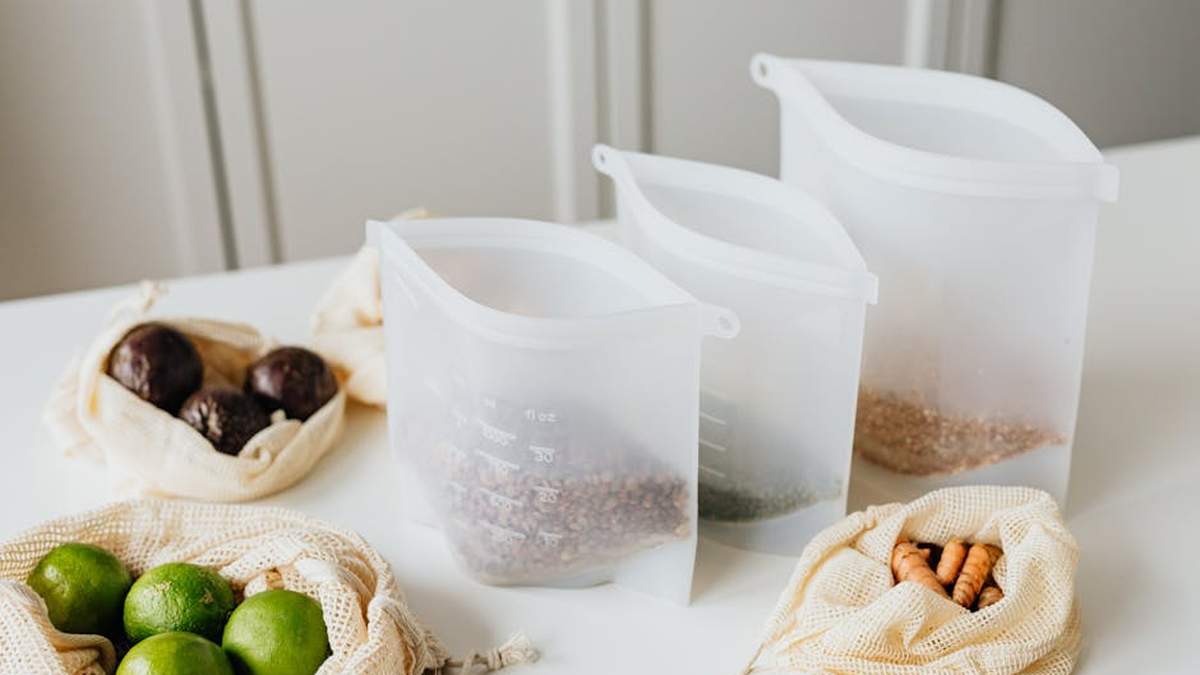
Stasher Bags represent a modern marvel in reusable food storage, crafted from 100% pure platinum silicone. This inert material is derived from sand and is completely free of BPA, BPS, lead, phthalates, and latex, ensuring no harmful chemicals leach into your food. Stasher’s signature Pinch-loc™ seal creates an airtight barrier, making these bags ideal for a multitude of applications: from freezing and meal prepping to sous vide cooking, oven roasting (up to 400°F), and even microwaving. Available in a wide array of sizes and vibrant colors, Stasher Bags are designed for durability and extreme versatility, promising years of reliable service and significant reduction in reliance on single-use plastic bags and containers. Their robust construction and ease of cleaning (dishwasher safe) position them as a premium, long-term investment for the eco-conscious kitchen.
Product B Overview: Bee’s Wrap
Bee’s Wrap offers a distinctly natural and traditional approach to sustainable food storage. Made from GOTS-certified organic cotton infused with sustainably sourced beeswax, organic jojoba oil, and tree resin, these flexible wraps provide a breathable yet protective layer for food. The warmth of your hands activates the natural tackiness of the wax blend, allowing the wrap to be molded around food items, bowls, or casseroles, creating a gentle seal. Bee’s Wrap is particularly celebrated for its ability to keep produce, cheese, and bread fresh by allowing them to breathe, preventing the condensation that can lead to spoilage in airtight containers. Unlike silicone, Bee’s Wrap is fully compostable at the end of its typical one-year lifespan, returning to the earth without a trace. Its aesthetic appeal, with various patterns and designs, adds a charming, rustic touch to the kitchen, appealing to those who prefer natural fibers and a biodegradable end-of-life.
Related: Top 6 Organic Gardening Tools for Thriving USA Green Spaces (2026)
Detailed Feature Comparison
Understanding the nuances between Stasher Bags and Bee’s Wrap requires a closer look at their core attributes.
Related: Review: Do [Brand Name] Solar-Powered Eco-Lights Deliver the Best Sustainable Ambiance for Your USA Summer Patio?
- Material Science and Food Interaction: Stasher’s platinum silicone is non-porous and non-reactive, making it impervious to odors and stains, and safe for any food type, including raw meats and liquids. It creates a truly airtight environment. Bee’s Wrap, conversely, is breathable due to its cotton base, which is excellent for foods like artisan bread, fresh herbs, or block cheese that benefit from airflow. However, this breathability means it’s not suitable for liquids or raw, juicy meats due to potential leakage and cross-contamination.
- Temperature Versatility: This is where Stasher Bags truly shine. Their ability to withstand extreme temperatures—from freezer to oven to microwave—makes them a Swiss Army knife for food preparation and storage. Bee’s Wrap, by design, is sensitive to heat; hot water will melt its wax coating, and it cannot be used in a microwave or oven, limiting its use to cooler applications.
- Cleaning and Maintenance: Stasher Bags offer unparalleled convenience as most are dishwasher safe (top rack recommended), or can be easily hand washed. Bee’s Wrap requires careful hand washing with cool water and mild soap, followed by air drying, making the cleaning process slightly more involved and delicate.
- Longevity and End-of-Life: Stasher Bags are built for the long haul, potentially lasting a decade or more, and are part of specialized silicone recycling programs, though these are not yet universally available. Bee’s Wrap has a shorter functional lifespan, typically around a year, but it boasts a fully compostable and biodegradable end-of-life, making its disposal straightforward and eco-friendly.
- Sealing Efficacy: The Pinch-loc™ seal of Stasher Bags offers a robust, leak-proof, and airtight closure, perfect for liquids and delicate items. Bee’s Wrap creates a cohesive seal by molding with hand warmth, which is effective for solid foods and covering containers, but it is not airtight or leak-proof.
Pros and Cons
Stasher Bags
- Pros:
- Extremely versatile: freezer, microwave, oven (up to 400°F), sous vide, dishwasher safe.
- Made from 100% pure platinum silicone; non-toxic and hypoallergenic.
- Truly airtight and leak-proof Pinch-loc™ seal, perfect for liquids and preventing freezer burn.
- Highly durable and long-lasting (up to 10+ years), excellent long-term value.
- Resistant to odors and stains.
- Cons:
- Higher upfront cost per bag.
- Can be bulky to store, especially larger sizes.
- Not breathable, which isn’t ideal for all produce or bread varieties that benefit from air circulation.
- Specialized recycling programs are not yet widespread.
Bee’s Wrap
- Pros:
- Made from natural, organic, and sustainably sourced materials.
- Fully compostable and biodegradable at the end of its life.
- Breathable, ideal for keeping specific foods (e.g., bread, cheese, leafy greens) fresh for longer by preventing condensation.
- Molds easily to food and containers with the warmth of hands.
- Aesthetically pleasing, adds a natural touch to the kitchen.
- Relatively lower initial cost per unit (especially in multi-packs).
- Cons:
- Not airtight or leak-proof, unsuitable for liquids or raw, juicy meats.
- Sensitive to heat; cannot be used in microwave, oven, or with hot water.
- Requires delicate hand washing with cool water and air drying.
- Shorter lifespan (approx. 1 year) compared to silicone bags.
- Can develop a slight beeswax scent that may transfer subtly to some foods.
Which One Is Better For Whom?
Stasher Bags are ideal for:
- The Versatility Seeker: Those who need a single solution for freezing, reheating, cooking (sous vide, oven), and general food storage.
- Meal Preppers: Excellent for portioning, freezing individual meals, and quick microwave reheating.
- Liquid Lovers: Perfect for soups, marinades, and sauces due to their airtight, leak-proof seal.
- Busy Households: Dishwasher safe cleaning makes them convenient for families with limited time.
- Long-Term Investors: Individuals willing to pay a higher upfront cost for extreme durability and longevity.
Bee’s Wrap is ideal for:
- The Naturalist: Those who prioritize 100% natural, organic, and fully biodegradable materials.
- Produce & Bread Aficionados: Best suited for storing leafy greens, herbs, mushrooms, artisanal bread, and cheese where breathability is key.
- Aesthetically Minded Consumers: Individuals who appreciate the natural look and feel in their kitchen.
- Eco-Warriors: Those whose primary sustainability goal is to use fully compostable products that leave no trace.
- Covering Containers: Excellent for wrapping around bowls or casseroles for temporary storage.
Final Verdict
The showdown between Stasher Bags and Bee’s Wrap ultimately concludes not with a single victor, but with a clear distinction: these are complementary tools in the sustainable American kitchen. There isn’t a universally “better” option; rather, the optimal choice depends entirely on specific storage needs, lifestyle, and environmental priorities.
Related: Tested: Is [Brand Name] Portable Eco-Friendly Coffee Cup Your Must-Have for Sustainable Summer Travel in the USA?
Stasher Bags excel in durability, extreme versatility, and convenience for modern cooking and storage demands, especially for liquids, freezing, and reheating. They are a robust investment for households prioritizing longevity and multi-functional use from freezer to oven.
Related: 7 Must-Have Zero-Waste Travel Essentials for USA Adventures (2026)
Bee’s Wrap shines in its natural simplicity, breathability, and complete biodegradability, offering an elegant solution for specific fresh foods and a zero-waste end-of-life. It’s the perfect choice for those who value natural materials and specific food preservation techniques.
Related: Are [Brand Name] Zero-Waste Silicone Food Storage Bags Worth It for Eco-Conscious USA Seasonal Meal Prep?
For most American kitchens committed to sustainability, the most effective strategy will likely involve incorporating both. Stasher Bags can handle the heavy lifting of meal prep, freezing, and cooking, while Bee’s Wrap can gracefully care for your produce, cheeses, and artisanal breads. By strategically utilizing the strengths of each, consumers can create a truly comprehensive and eco-conscious food storage system, significantly reducing their reliance on single-use plastics and embracing a more sustainable culinary future.
How do Stasher Bags and Bee’s Wrap compare in terms of long-term durability and overall value for money?
Stasher Bags are known for their extreme durability, made from platinum silicone, designed to withstand hundreds if not thousands of uses, including freezing, microwaving, and oven use. They are a higher upfront investment but offer exceptional longevity, potentially lasting for many years. Bee’s Wrap, made from organic cotton infused with beeswax, jojoba oil, and tree resin, typically lasts for about a year with proper care before needing to be re-waxed or composted. While less durable than Stasher Bags, their lower initial cost and compostability offer a different kind of value for consumers seeking a natural, biodegradable option.
For an American kitchen, which product offers more versatility for different types of food storage, including liquids, snacks, and produce?
Stasher Bags generally offer greater versatility, especially for liquids and more challenging storage needs. Their airtight, leak-proof seal makes them ideal for soups, marinades, and preventing freezer burn, as well as holding snacks, sandwiches, and even non-food items. They can also go directly from freezer to microwave or oven. Bee’s Wrap excels at wrapping produce, cheeses, bread, and covering bowls, using the warmth of your hands to create a seal. However, they are not recommended for raw meat or very wet items, and cannot be microwaved or put in the oven, making them less suitable for liquid storage compared to Stasher Bags.
What are the key differences in daily convenience and cleaning requirements between Stasher Bags and Bee’s Wrap?
Stasher Bags offer superior daily convenience as they are dishwasher safe (top rack recommended), making cleanup very simple and hands-off. They are also easy to open and close with their Pinch-Loc® seal. Bee’s Wrap requires hand washing with cool water and mild soap, then air drying, which can be a slightly more involved process. Over time, the wax coating can wear down, affecting its cling. While both aim for ease of use, Stasher Bags win on sheer convenience for busy households due to their machine washability.
Considering the initial investment, which sustainable food storage option, Stasher Bags or Bee’s Wrap, typically provides a better return on investment over its lifespan?
While Stasher Bags have a significantly higher initial price point per bag or set, their exceptional durability and reusability over many years often lead to a better long-term return on investment, effectively costing pennies per use over their lifespan. You’re investing in a product that can handle almost anything and rarely needs replacing. Bee’s Wrap has a much lower initial cost, making it an accessible entry point into sustainable storage. However, given their typical lifespan of about one year before needing replacement or refreshing, the accumulated cost over several years might approach or even exceed the initial investment in Stasher Bags, depending on usage frequency and care.
Related Products
- Tested: Are [Brand Name] Compostable Swedish Dishcloths the Sustainable Cleaning Essential Your USA Kitchen Needs This Season?
- My Honest Review of [Brand Name] Reusable Fabric Gift Wraps: The Sustainable & Chic Solution for USA Holiday Gifting.
- Does [Brand Name] Zero-Waste Shampoo Bar Really Deliver for Sustainable Hair Care in the USA? My Honest Review.
- My Honest Review: Is [Brand Name] Natural Essential Oil Diffuser the Best Eco-Friendly Air Freshener for USA Winter Homes?
- Review: Do [Brand Name] Solar-Powered Eco-Lights Deliver the Best Sustainable Ambiance for Your USA Summer Patio?