




Category: Gaming | Intent Type: Trending Products | Target Market: USA
The Future of PC Gaming: Unlocking 4K 144Hz Performance in 2026
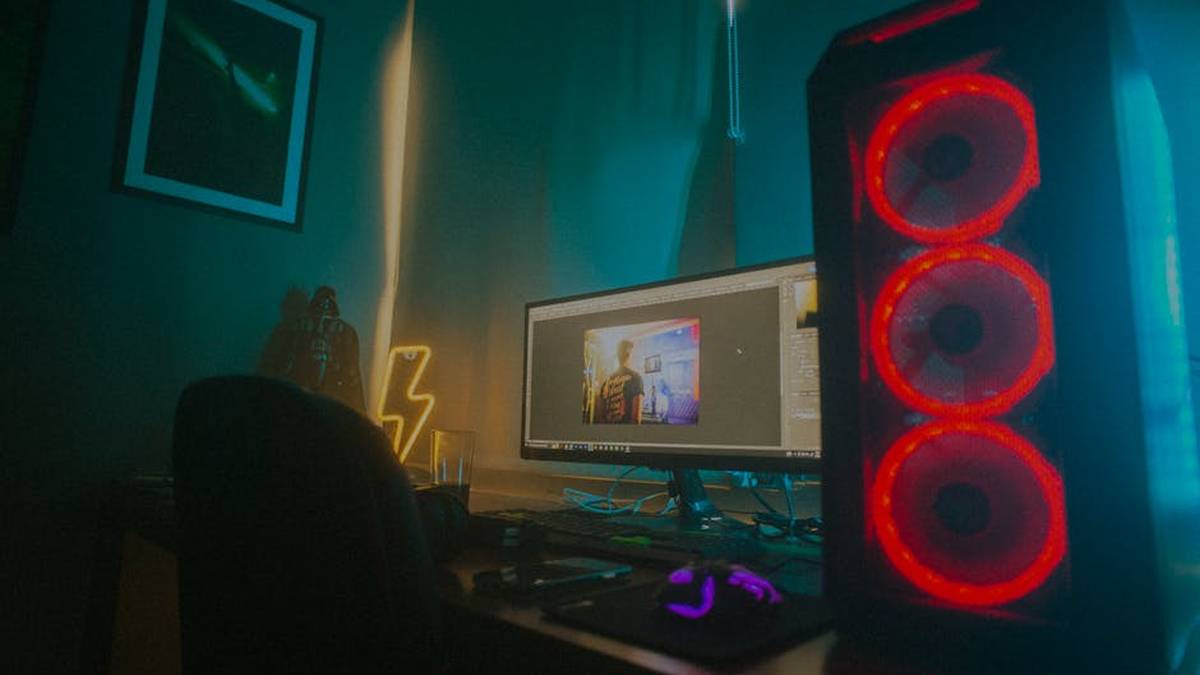
As we look ahead to 2026, the landscape of PC gaming continues its relentless evolution. Graphics card technology has matured, and the pursuit of visual fidelity combined with buttery-smooth gameplay has culminated in the demand for monitors that can truly keep pace. The 4K 144Hz monitor segment represents the pinnacle for many enthusiasts, offering an immersive, high-resolution experience without sacrificing the competitive edge provided by high refresh rates. These displays are not just about showing more pixels; they’re about delivering an uncompromising visual feast, from the crisp textures of expansive open worlds to the lightning-fast reactions demanded by esports titles.
In this comprehensive guide, we delve into the top contenders expected to dominate the market in 2026. Our analysis focuses on monitors that blend cutting-edge panel technology, superior refresh rates, low response times, and essential features like robust HDR support and advanced adaptive sync. Whether you’re upgrading your current setup or building a new high-end gaming rig, selecting the right 4K 144Hz monitor is crucial for an unparalleled gaming experience.
Related: Best Handheld Gaming PCs in USA (2026)
Comparison Table: Top 4K 144Hz Gaming Monitors (2026)
| Monitor Name | Screen Size | Resolution | Refresh Rate | Panel Type | HDR Support | Approx. Price Range |
|---|---|---|---|---|---|---|
| LG UltraGear 32GQ960-B | 32-inch | 3840×2160 | 144Hz (OC 160Hz) | Nano IPS | DisplayHDR 1000 | $899 – $1199 |
| Samsung Odyssey Neo G8 | 32-inch | 3840×2160 | 240Hz | Mini-LED VA | DisplayHDR 1000+ | $1299 – $1699 |
| ASUS ROG Swift PG32UCDM | 32-inch | 3840×2160 | 240Hz | QD-OLED | DisplayHDR True Black 400 | $1099 – $1399 |
| Dell Alienware AW3225QF | 31.5-inch | 3840×2160 | 240Hz | QD-OLED (Curved) | DisplayHDR True Black 400 | $1099 – $1399 |
| Acer Predator XB323QK NV | 32-inch | 3840×2160 | 144Hz | IPS | DisplayHDR 600 | $799 – $999 |
| Gigabyte AORUS FO32U2P | 32-inch | 3840×2160 | 240Hz | QD-OLED | DisplayHDR True Black 400 | $1199 – $1499 |
| ViewSonic Elite XG320U | 32-inch | 3840×2160 | 150Hz (OC) | IPS | DisplayHDR 600 | $749 – $949 |
1. LG UltraGear 32GQ960-B
Key Features:
- 32-inch Nano IPS display with ATW Polarizer technology
- 4K UHD (3840×2160) resolution
- 144Hz refresh rate (overclockable to 160Hz)
- 1ms GtG response time
- VESA DisplayHDR 1000 certification
- NVIDIA G-Sync Compatible and AMD FreeSync Premium Pro
- HDMI 2.1, DisplayPort 1.4 connectivity
- Excellent color accuracy and wide viewing angles
- High brightness and contrast for an IPS panel, enhanced by ATW Polarizer
- Reliable HDR performance with DisplayHDR 1000
- Solid build quality and ergonomic stand
- Versatile connectivity options including HDMI 2.1
- IPS glow can be present, though mitigated by ATW Polarizer
- Black levels, while good for IPS, cannot match OLED or Mini-LED
- Can be pricey for an IPS display, even with advanced features
Best For: Gamers who prioritize superb color accuracy and wide viewing angles without venturing into more expensive OLED technology, seeking a high-performing IPS panel with robust HDR capabilities for both gaming and content creation.
For an in-depth look and the latest pricing, consider checking it out on Amazon.
2. Samsung Odyssey Neo G8
Key Features:
- 32-inch Mini-LED VA panel with 1000R curvature
- 4K UHD (3840×2160) resolution
- 240Hz refresh rate
- 1ms GtG response time
- VESA DisplayHDR 1000+ certification (2000 nits peak brightness)
- AMD FreeSync Premium Pro & G-Sync Compatible
- HDMI 2.1, DisplayPort 1.4 connectivity
- Unrivaled contrast and deep blacks from Mini-LED technology
- Incredibly high peak brightness for stunning HDR content
- Blazing fast 240Hz refresh rate at 4K resolution
- Immersive 1000R curvature enhances gaming experience
- Excellent uniformity and color volume
- The aggressive 1000R curve isn’t for everyone
- Potential for visible local dimming zones (blooming) in specific scenarios
- Higher price point due to advanced Mini-LED technology and high refresh rate
- VA panel viewing angles are not as wide as IPS or OLED
Best For: Enthusiasts craving the absolute best in contrast, brightness, and HDR performance, coupled with a world-leading 4K 240Hz refresh rate. Ideal for those who enjoy an immersive curved experience in single-player titles and demand competitive speed.
For an in-depth look and the latest pricing, consider checking it out on Best Buy.
3. ASUS ROG Swift PG32UCDM
Key Features:
- 32-inch QD-OLED flat panel display
- 4K UHD (3840×2160) resolution
- 240Hz refresh rate
- 0.03ms GtG response time
- VESA DisplayHDR True Black 400
- NVIDIA G-Sync Compatible & AMD FreeSync Premium Pro
- HDMI 2.1, DisplayPort 1.4, USB-C (DP Alt Mode, Power Delivery)
- Perfect blacks and infinite contrast ratio from QD-OLED technology
- Exceptional color vibrancy and wide color gamut
- Near-instantaneous response time for zero motion blur
- High 240Hz refresh rate at 4K
- Multi-functional USB-C port for modern connectivity
- Potential for OLED burn-in over extended periods (mitigated by panel protection features)
- Peak brightness in SDR can be lower than high-end Mini-LED
- Higher price point for cutting-edge QD-OLED technology
Best For: Gamers and media enthusiasts who demand the absolute best in image quality, color accuracy, and motion clarity. Perfect for those who prioritize perfect blacks and vibrant HDR, and desire a flat panel 32-inch OLED experience.
For an in-depth look and the latest pricing, consider checking it out on Newegg.
4. Dell Alienware AW3225QF
Key Features:
- 31.5-inch QD-OLED curved panel (1700R)
- 4K UHD (3840×2160) resolution
- 240Hz refresh rate
- 0.03ms GtG response time
- VESA DisplayHDR True Black 400
- Native G-Sync Compatible & FreeSync Premium Pro
- HDMI 2.1, DisplayPort 1.4 connectivity
- Stunning QD-OLED image quality with perfect blacks and infinite contrast
- Exceptional color volume and accuracy for breathtaking visuals
- Incredibly fast response time with virtually no motion blur
- High 240Hz refresh rate for competitive gameplay
- Subtle 1700R curve provides a comfortable, immersive experience
- OLED burn-in remains a theoretical concern (though Dell offers 3-year warranty)
- Not as bright as some Mini-LED alternatives for SDR content
- The subtle curve might not appeal to all users for productivity tasks
Best For: Gamers who desire the ultimate visual fidelity of QD-OLED combined with a high refresh rate, wrapped in a premium package. Ideal for those who appreciate a subtle curve for immersion and want top-tier performance from a reputable brand.
For an in-depth look and the latest pricing, consider checking it out on Dell’s Official Store.
5. Acer Predator XB323QK NV
Key Features:
- 32-inch IPS panel
- 4K UHD (3840×2160) resolution
- 144Hz refresh rate
- 1ms GtG response time
- VESA DisplayHDR 600 certification
- NVIDIA G-Sync Compatible & AMD FreeSync Premium
- HDMI 2.1, DisplayPort 1.4, USB-C (90W PD) connectivity
- Excellent color reproduction and wide viewing angles typical of IPS
- Solid 144Hz refresh rate for smooth 4K gaming
- Decent HDR performance with DisplayHDR 600
- Versatile USB-C connectivity with power delivery
- Often available at a more competitive price point for its features
- Black levels and contrast cannot compete with Mini-LED or OLED
- DisplayHDR 600, while good, isn’t as impactful as DisplayHDR 1000 or True Black
- IPS glow can be noticeable in very dark scenes
Best For: Value-conscious gamers who want a robust 4K 144Hz experience without breaking the bank on OLED or Mini-LED. A strong all-rounder for both gaming and general productivity, especially for those who appreciate USB-C convenience.
For an in-depth look and the latest pricing, consider checking it out on Amazon.
6. Gigabyte AORUS FO32U2P
Key Features:
- 32-inch QD-OLED flat panel display
- 4K UHD (3840×2160) resolution
- 240Hz refresh rate
- 0.03ms GtG response time
- VESA DisplayHDR True Black 400
- AMD FreeSync Premium Pro & G-Sync Compatible
- DisplayPort 2.1, HDMI 2.1, USB-C connectivity
- Future-proofed with DisplayPort 2.1 connectivity for uncompressed bandwidth
- Stellar QD-OLED image quality with perfect blacks and infinite contrast
- Incredibly fast 240Hz refresh rate and near-instantaneous response time
- Excellent color accuracy and vibrancy
- Comprehensive connectivity options for various devices
- OLED burn-in considerations, despite mitigation features
- DP 2.1 benefits might not be fully realized until future GPU generations
- Slightly higher price compared to other QD-OLEDs at launch due to DP 2.1
Best For: Early adopters and tech enthusiasts who want to future-proof their setup with DisplayPort 2.1, while also enjoying the absolute best in QD-OLED visual performance for immersive and competitive 4K gaming.
For an in-depth look and the latest pricing, consider checking it out on Newegg.
7. ViewSonic Elite XG320U
Key Features:
- 32-inch Fast IPS panel
- 4K UHD (3840×2160) resolution
- 144Hz refresh rate (overclockable to 150Hz)
- 1ms MPRT response time (4ms GtG)
- VESA DisplayHDR 600 certification
- AMD FreeSync Premium Pro & G-Sync Compatible
- HDMI 2.1, DisplayPort 1.4 connectivity
- Vibrant color reproduction and wide viewing angles from IPS panel
- Smooth 144Hz (150Hz OC) refresh rate for a fluid gaming experience
- Good HDR performance for its price segment (DisplayHDR 600)
- Solid build quality with a highly adjustable stand
- Often provides excellent value for a large 4K 144Hz IPS display
- MPRT response time can be misleading, GtG is typically 4ms which is slower than some competitors
- IPS glow is a potential factor in dark environments
- Black levels and contrast are standard for IPS, not exceptional
Best For: Budget-conscious gamers who still demand a high-performance 4K 144Hz IPS display. It offers a great balance of features, performance, and price, making it an excellent entry point into high-refresh 4K gaming.
For an in-depth look and the latest pricing, consider checking it out on Amazon.
Buying Guide: Choosing Your 4K 144Hz Gaming Monitor
Investing in a 4K 144Hz monitor is a significant decision. To ensure you make the best choice for your gaming setup in 2026, consider these critical factors:
-
Panel Type (IPS, VA, OLED, Mini-LED):
- IPS (In-Plane Switching): Offers excellent color accuracy, wide viewing angles, and generally good response times. A solid all-rounder.
- VA (Vertical Alignment): Known for superior contrast ratios and deeper blacks than IPS, but viewing angles and response times can sometimes be a trade-off (though Mini-LED VA panels largely overcome this).
- OLED/QD-OLED (Organic Light Emitting Diode / Quantum Dot OLED): The gold standard for image quality, offering perfect blacks, infinite contrast, and near-instantaneous response times. QD-OLED enhances color volume and brightness. Potential for burn-in is a consideration, though greatly mitigated by modern tech.
- Mini-LED (Backlight): Not a panel type itself, but an advanced backlight for IPS or VA panels, featuring thousands of tiny LEDs for superior local dimming, leading to incredibly high contrast, deep blacks, and stunning HDR, approaching OLED levels without burn-in risk.
-
Refresh Rate & Response Time:
- Refresh Rate: 144Hz is the baseline for smooth 4K gaming, with 240Hz options providing an even more fluid experience for compatible hardware. Higher refresh rates reduce motion blur.
- Response Time (GtG): Aim for 1ms GtG (Gray-to-Gray) for minimal ghosting and blur in fast-paced games. OLEDs often achieve 0.03ms, setting a new benchmark.
-
Adaptive Sync Technology:
- NVIDIA G-Sync Compatible / AMD FreeSync Premium Pro: These technologies synchronize the monitor’s refresh rate with your GPU’s frame rate, eliminating screen tearing and stuttering. Ensure compatibility with your graphics card.
-
HDR Performance:
- VESA DisplayHDR Certifications: Look for DisplayHDR 600, DisplayHDR 1000, or DisplayHDR True Black. Higher numbers indicate better peak brightness, deeper blacks, and wider color gamuts, leading to a more impactful HDR experience. OLED panels typically excel in HDR due to their per-pixel illumination.
-
Connectivity:
- HDMI 2.1: Essential for 4K 144Hz (or higher) with full chroma subsampling from modern GPUs and consoles.
- DisplayPort 1.4: Also supports 4K 144Hz, often with Display Stream Compression (DSC).
- DisplayPort 2.1: The newest standard, offering significantly more bandwidth, future-proofing for even higher resolutions/refresh rates.
- USB-C (with DP Alt Mode & Power Delivery): Great for laptop connectivity, simplifying cable management.
- Ergonomics and Build Quality: A good stand should offer tilt, swivel, pivot, and height adjustments for comfort during long gaming sessions. Premium materials and robust construction indicate longevity.
- Price vs. Performance: High-end 4K 144Hz monitors represent a significant investment. Balance your budget against the features most important to you. OLED and Mini-LED technologies typically command a premium.
Conclusion
The 4K 144Hz gaming monitor market in 2026 is a vibrant and competitive space, offering unparalleled visual fidelity and gaming performance. From the stunning contrast of QD-OLED to the brilliant HDR of Mini-LED and the reliable colors of advanced IPS panels, there’s a top-tier display for every discerning gamer.
The “best” monitor ultimately hinges on your specific priorities, budget, and gaming preferences. Whether you prioritize the perfect blacks and instantaneous response of an OLED, the peak brightness and contrast of Mini-LED, or the balanced performance of a high-end IPS, the options presented here represent the pinnacle of gaming display technology.
By carefully considering the panel technology, refresh rate, HDR capabilities, and connectivity options discussed in our buying guide, you can confidently select a monitor that will elevate your PC gaming experience to new heights, ensuring you’re fully equipped to enjoy the visually demanding titles of today and tomorrow.
What are the top 3-5 best 4K 144Hz gaming monitors to consider for PC in USA by 2026, balancing performance and value?
By 2026, the market for 4K 144Hz+ gaming monitors will likely feature advanced OLED and mini-LED panels as the top contenders, offering superior contrast, color accuracy, and response times. Brands like Alienware (e.g., AW3225QF successors), Samsung (Odyssey Neo G8/G9 successors), LG (UltraGear OLED models), and ASUS ROG (PG series) are expected to lead. Look for monitors with true 1ms GTG response times, at least DisplayHDR 1000 certification, and robust adaptive sync technologies (G-Sync Ultimate or FreeSync Premium Pro). While specific models are hard to predict, prioritizing OLED for visual fidelity or mini-LED for brightness and longevity might offer the best blend of performance and long-term value in the USA market.
Beyond refresh rate, what key features (like panel type, HDR, adaptive sync) should I prioritize when buying a 4K 144Hz monitor for competitive PC gaming in 2026?
For competitive 4K 144Hz PC gaming in 2026, key priorities beyond just refresh rate include panel type, HDR capabilities, and adaptive sync. OLED panels are ideal for their near-instantaneous response times and perfect blacks, crucial for competitive play where ghosting is unacceptable. If OLED is out of budget, advanced IPS or VA panels with mini-LED backlighting offer excellent alternatives. HDR (High Dynamic Range) is vital for immersive visuals; target DisplayHDR 1000 or higher for a truly impactful experience. Lastly, ensure robust adaptive sync support – NVIDIA G-Sync Ultimate or AMD FreeSync Premium Pro – to eliminate screen tearing and stuttering, providing the smoothest gameplay possible.
What’s a realistic budget for a high-performance 4K 144Hz gaming monitor in 2026, and will current high-end GPUs like the RTX 40-series still be sufficient to drive them?
In 2026, a realistic budget for a high-performance 4K 144Hz gaming monitor, especially those featuring OLED or advanced mini-LED technology, is likely to range from $800 to $1800+ in the USA. Premium models with cutting-edge features could exceed this. Regarding GPUs, while current high-end GPUs like the RTX 40-series (e.g., RTX 4090) can competently drive many games at 4K 144Hz with DLSS/FSR, they will likely show their age with newer, more demanding titles at maximum settings. By 2026, NVIDIA’s RTX 50-series or 60-series, or AMD’s RX 8000/9000 series, will be the true sweet spot for fully exploiting 4K 144Hz monitors in next-gen games without significant compromises.
What connectivity ports are essential for a 4K 144Hz gaming monitor in 2026 to ensure full PC compatibility and future-proofing?
For full PC compatibility and future-proofing a 4K 144Hz gaming monitor in 2026, essential connectivity ports include HDMI 2.1 and DisplayPort 2.0 (or at least DisplayPort 1.4 with Display Stream Compression, DSC). HDMI 2.1 is crucial for supporting 4K 120Hz+ from modern gaming PCs and next-gen consoles. DisplayPort 2.0 offers superior bandwidth, allowing uncompressed 4K at very high refresh rates and is ideal for connecting to high-end graphics cards. Additionally, look for a monitor with a USB-C port that supports DisplayPort Alt Mode and power delivery, as this offers a convenient single-cable solution for compatible laptops and devices. A built-in USB hub is also a valuable convenience feature for peripherals.