



Introduction
In the competitive world of online gaming and content creation, clear, professional-sounding audio is no longer a luxury—it’s a necessity. Your voice is your primary tool for communication, engagement, and entertainment. Two microphones consistently rise to the top of discussions for their exceptional USB performance and appeal to streamers and gamers across the USA: the Shure MV7 and the Rode NT-USB+. Both promise studio-quality sound with plug-and-play convenience, but they achieve this through different approaches and cater to slightly different needs. For users in the USA looking to upgrade their audio setup, understanding the nuances between these two titans is crucial. This detailed comparison will dissect their features, performance, and value to help you make the best choice for your daily gaming and streaming endeavors, ensuring your audience hears you loud and clear.
Comparison Table
| Feature | Shure MV7 | Rode NT-USB+ |
|---|---|---|
| Microphone Type | Dynamic | Condenser |
| Connectivity | USB-C (digital) & XLR (analog) | USB-C (digital) |
| Polar Pattern | Cardioid | Cardioid |
| Sample Rate / Bit Depth | Up to 48 kHz / 24-bit | Up to 48 kHz / 24-bit |
| Headphone Output | 3.5mm with Zero-Latency Monitoring | 3.5mm with Zero-Latency Monitoring |
| Software / DSP | ShurePlus MOTIV App (Auto Level Mode, EQ presets, Compressor, Limiter) | Rode Connect, Rode UNIFY (internal DSP for Compression, Gate, HPF, Aphex processing) |
| Build Quality | All-metal construction, exceptionally robust | Solid metal body, premium feel, durable |
| Included Accessories | Desktop stand, USB-C to USB-A cable, USB-C to USB-C cable | Tripod desktop stand, USB-C to USB-C cable, Pop filter, Ring mount |
| Target Sound Profile | Warm, rich, broadcast-like, excellent voice isolation, cuts through noise | Clear, detailed, natural, studio-quality clarity, wide frequency response |
| Price (Approx. USA) | $249 – $279 | $169 – $179 |
Note: Prices are approximate at the time of writing (2024) in the USA market and can vary based on retailer, sales, and bundles.
Shure MV7 Overview
The Broadcast Standard, Simplified for Your Desktop
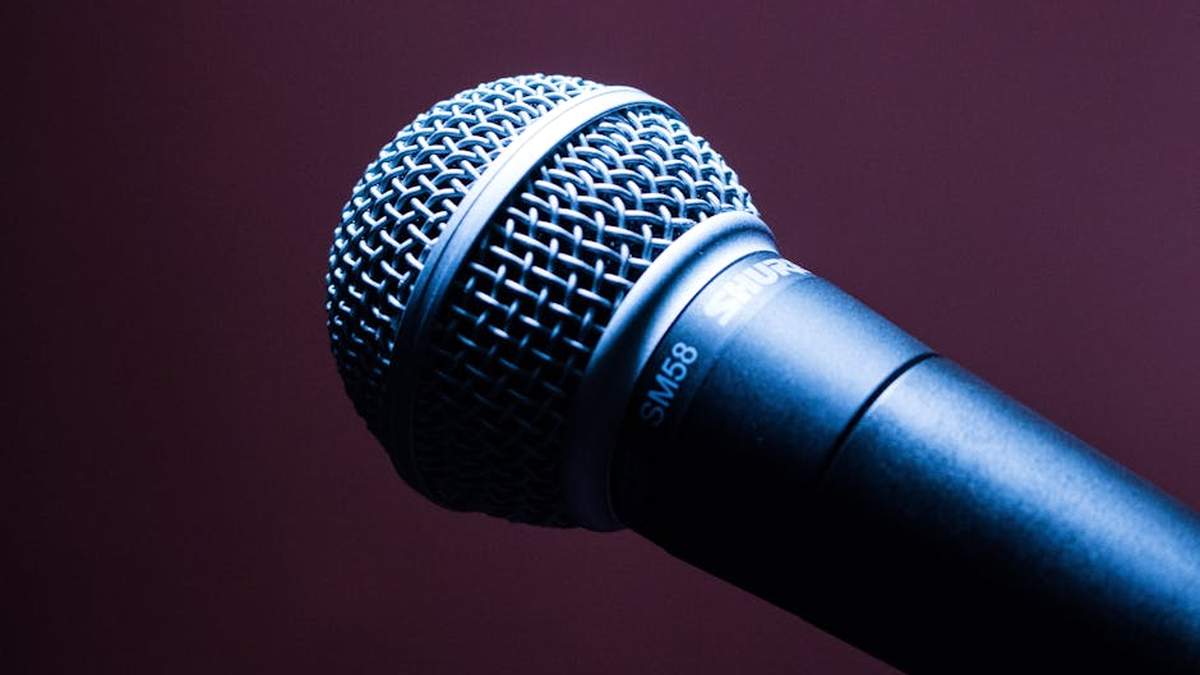
The Shure MV7 is a hybrid USB/XLR dynamic microphone inspired by Shure’s legendary SM7B, a staple in broadcast studios worldwide. It’s engineered to bring that coveted broadcast-quality sound directly to your desktop with unparalleled ease of use. Its dynamic capsule excels at rejecting background noise and focusing intensely on your voice, making it an ideal choice for gamers and streamers who might not have a perfectly sound-treated room. The MV7 features an intuitive touch panel for quick, on-the-fly adjustments to gain, headphone monitoring level, and muting. Its standout feature is the accompanying ShurePlus MOTIV app, which offers an “Auto Level Mode.” This intelligent mode dynamically adjusts gain and compression to keep your audio consistent, even as you move or change your speaking volume. This powerful, yet user-friendly processing makes it incredibly forgiving and easy to sound great, whether you’re new to audio or a seasoned pro. The dual USB and XLR connectivity also future-proofs your investment, allowing you to upgrade to a professional audio interface down the line without needing a new microphone.
Related: USB-C Portable Gaming Monitor Review: The Daily Companion for On-the-Go Console Gaming
Rode NT-USB+ Overview
Studio Clarity with USB Convenience
Rode, a name synonymous with high-quality studio microphones, brings its extensive expertise to the USB realm with the NT-USB+. This condenser microphone is an evolution of the highly popular NT-USB, featuring a studio-grade condenser capsule that delivers exceptional clarity, intricate detail, and a wide, natural frequency response. The NT-USB+ boasts an internal DSP (Digital Signal Processor) that can be accessed via Rode’s free software, Rode Connect (or UNIFY for advanced streaming setups). This DSP offers powerful features like noise gates, compressors, high-pass filters, and Aphex audio processing (Aural Exciter and Big Bottom) to sculpt your sound in real-time. It’s a true plug-and-play solution that aims to deliver professional studio sound directly to your computer. For gamers and streamers, this means the ability to fine-tune their voice to a pristine quality. The NT-USB+ comes with a sturdy desktop tripod, a ring mount, and a high-quality pop filter, ensuring you’re ready to record crisp, clear audio right out of the box.
Related: Lightweight Gaming Mouse Review: The Daily Precision Tool for Fast-Paced PC Action
Feature Comparison: A Closer Look
Microphone Type & Sound Profile
- Shure MV7 (Dynamic): Dynamic microphones are generally less sensitive than condensers, meaning they are superb at picking up sound from very close sources while effectively rejecting ambient noise. This makes the MV7 excellent for untreated rooms, noisy environments, or for those who want a rich, intimate “radio broadcast” vocal tone. It naturally isolates your voice, making it ideal for gaming where keyboard clicks, mouse movements, or background chatter might otherwise interfere.
- Rode NT-USB+ (Condenser): Condenser microphones are renowned for their sensitivity and ability to capture a wide frequency range with immense detail and pristine clarity. The NT-USB+ excels at reproducing a natural, “airy,” and articulate sound, capturing the full nuance of your voice. This level of detail is fantastic for a clean, professional sound, but it also means it will pick up more background noise if your room isn’t acoustically treated.
Connectivity & Versatility
- Shure MV7: The MV7’s dual USB-C and XLR connectivity is a significant advantage, providing unparalleled versatility. You can use it as a simple USB microphone today, and if you decide to delve deeper into audio production with an external audio interface, mixer, or professional preamp, you already have an XLR-compatible microphone. This offers unmatched flexibility and longevity for your investment.
- Rode NT-USB+: Exclusively USB-C, the NT-USB+ is a dedicated plug-and-play solution. While it performs exceptionally well for its intended purpose, it lacks the flexibility for future analog (XLR) upgrades. For most gamers and streamers who plan to stick with a USB setup, or use Rode’s software for virtual mixing, this is not a significant drawback.
Software & Digital Signal Processing (DSP)
- Shure MV7 (ShurePlus MOTIV): The MOTIV app provides essential, user-friendly controls like gain adjustment, EQ presets (e.g., “Dark,” “Natural,” “Bright”), compression, and limiting. Its “Auto Level Mode” is particularly user-friendly and effective, intelligently adjusting your audio for consistent levels, which is a huge benefit for live streaming where maintaining audio consistency is paramount.
- Rode NT-USB+ (Rode Connect/UNIFY): Rode leverages its powerful internal DSP to offer more advanced studio-grade processing directly within the microphone. Via Rode Connect (free virtual mixing software) or Rode UNIFY (more advanced streaming software), you gain access to a suite of tools including a noise gate, compressor, high-pass filter, and Rode’s famous Aphex Aural Exciter and Big Bottom effects. This suite allows for sophisticated sound sculpting and virtual mixing capabilities, particularly powerful when integrating multiple audio sources or Rode USB microphones with UNIFY.
Included Accessories & Build Quality
- Shure MV7: Built like a tank with an all-metal chassis, the MV7 feels incredibly premium and durable, designed to withstand years of use. It includes both USB-C to USB-A and USB-C to USB-C cables, plus a basic, lightweight desktop stand. While functional, many users opt for a separate boom arm for optimal positioning and ergonomics during streams.
- Rode NT-USB+: Also boasts a solid metal body and premium construction, ensuring it feels substantial and looks professional on your desk. It comes with a robust desktop tripod stand, a sturdy ring mount, and an excellent, integrated pop filter. The inclusion of these high-quality accessories means you have everything you need for great sound right out of the box, often saving you additional purchases.
Pros and Cons
Shure MV7
Pros:
- Superior Noise Rejection: Dynamic capsule excels in untreated or noisy environments, minimizing keyboard clicks, fan noise, and room echo.
- Dual USB & XLR Connectivity: Offers unmatched flexibility for current USB use and future professional XLR audio interface upgrades.
- “Auto Level Mode”: ShurePlus MOTIV app provides intelligent, hands-free audio leveling, ensuring consistent volume for your audience.
- Rich, Broadcast Sound: Delivers a professional, warm, and intimate vocal tone, reminiscent of radio personalities.
- Robust Build Quality: All-metal construction ensures exceptional durability and a premium feel.
Cons:
- Higher Price Point: Generally more expensive upfront compared to the NT-USB+.
- Basic Included Stand: The desktop stand is functional but often prompts users to invest in a separate boom arm for better positioning.
- Less “Airy” Sound: Dynamic nature means it might lack the very top-end sparkle and ultra-fine detail of a condenser.
Rode NT-USB+
Pros:
- Exceptional Clarity & Detail: Studio-grade condenser capsule captures pristine, high-fidelity audio with a natural and articulate sound.
- Internal DSP with Aphex Effects: Advanced sound shaping tools (gate, compressor, HPF, Aural Exciter, Big Bottom) available via software for professional-grade audio control.
- Excellent Value: Offers premium sound and features at a very competitive price, especially considering the included accessories.
- Great Included Accessories: Comes with a sturdy desktop tripod stand, ring mount, and a highly effective, integrated pop filter.
- Rode Connect/UNIFY Ecosystem: Powerful free software for virtual mixing, multi-microphone setups, and advanced audio routing for streamers.
Cons:
- Picks Up More Room Noise: Condenser sensitivity can be problematic in untreated rooms, picking up more ambient sound.
- USB-Only Connectivity: No XLR option limits future analog upgrade paths if you decide to go fully professional with an audio interface.
- Requires Quieter Environment: To truly shine and deliver its best performance, it benefits significantly from a more acoustically controlled space.
Which One Is Better For Whom?
Choose the Shure MV7 If:
- Your gaming/streaming space is not acoustically treated or is noisy: Its dynamic design and strong off-axis rejection are a lifesaver for minimizing keyboard clicks, PC fan noise, or background chatter.
- You prioritize a rich, warm, “broadcast” vocal tone: The MV7 gives your voice that polished, deep radio announcer quality that many find appealing.
- You want hands-off, intelligent audio processing: The ShurePlus MOTIV app’s Auto Level Mode is incredibly effective for consistent audio levels without constant manual adjustment.
- You foresee upgrading to an XLR audio interface in the future: The dual connectivity makes it a future-proof investment that grows with your audio journey.
- You’re new to audio and want a robust, forgiving microphone that makes you sound good with minimal effort.
Choose the Rode NT-USB+ If:
- You have a relatively quiet or acoustically treated room: In a controlled environment, it will truly shine, capturing every nuance and detail of your voice with pristine clarity.
- You desire pristine, studio-quality clarity and detail: Its condenser capsule delivers exceptional high-fidelity sound that is bright, articulate, and natural.
- You want advanced, in-mic DSP for sophisticated sound sculpting: The Aphex effects and other processing through Rode Connect/UNIFY offer professional-grade control over your sound.
- You’re looking for an excellent all-in-one USB solution with great included accessories: The quality tripod and pop filter mean you’re ready to go with minimal fuss.
- You plan to use multiple Rode USB microphones with the Rode Connect/UNIFY software for complex streaming setups and virtual mixing.
Final Verdict
Both the Shure MV7 and the Rode NT-USB+ are phenomenal USB microphones that will significantly elevate your gaming and streaming audio. The “best” choice ultimately hinges on your specific environment, budget, and priorities for your sound.
Related: Shure SM7B vs Rode NT1: Professional Streaming Microphone Battle for US Podcasters & Gamers
- For the majority of gamers and streamers in typical home environments, especially those with background noise concerns, the Shure MV7 is likely the safer and more consistently performing bet. Its unparalleled noise rejection and intelligent Auto Level Mode make it incredibly user-friendly and ensure professional sound even in less-than-ideal conditions. The XLR option also adds significant long-term value to your investment.
- However, if you have a quiet space, prioritize crystal-clear, highly detailed, studio-grade audio, and desire advanced real-time DSP capabilities, the Rode NT-USB+ offers unparalleled clarity and sophisticated sound sculpting tools at a very attractive price point. Its excellent included accessories are also a notable bonus for immediate setup.
Consider your room’s acoustics, your budget, and your desire for either robust noise rejection and broadcast warmth (MV7) or pristine clarity and detailed sound shaping (NT-USB+). Regardless of your choice, both microphones represent a top-tier investment for anyone serious about their audio quality in the USA’s vibrant gaming and streaming community, ensuring your voice is heard as clearly as your gameplay is seen.
Related: Ergonomic Gaming Chair Review: The Must-Have Daily Comfort Upgrade for Long Sessions
Related: Compact Mechanical Keyboard Review: The Everyday Choice for Productive Gaming & Typing
Which USB microphone, Shure MV7 or Rode NT-USB+, delivers superior audio quality for clear voice capture during daily gaming and live streaming?
Both microphones offer excellent audio quality tailored for voice, but they achieve it differently. The Shure MV7, a dynamic microphone, excels at isolating your voice and minimizing background noise, making it ideal for gamers and streamers in less-than-perfect acoustic environments. Its robust, broadcast-quality sound is perfect for clear commentary. The Rode NT-USB+, a condenser microphone, captures a very clear, natural, and detailed sound, providing a rich and open vocal presence. In a well-treated room, the Rode can sound incredibly pristine. For most gaming and streaming setups in the USA where background noise is a concern, the MV7’s noise rejection often provides a more consistent and professional sound out of the box.
For a beginner streamer or gamer in the USA, which mic offers a more user-friendly setup and features: the Shure MV7 with its MOTIV app or the plug-and-play Rode NT-USB+?
Both are designed for ease of use, but the Shure MV7 offers a more comprehensive beginner-friendly feature set. The Rode NT-USB+ is truly plug-and-play; you connect it, and it generally works without additional software, making it incredibly simple to get started. The Shure MV7 also works instantly, but its true power for beginners lies in the free Shure MOTIV desktop and mobile app. This app provides an Auto Level Mode, EQ presets, a limiter, and a compressor, allowing new users to achieve polished, professional sound with minimal audio knowledge. While the Rode is simpler initially, the MV7’s app empowers beginners to optimize their audio with powerful, easy-to-use tools.
Considering durability for frequent use and included accessories for streaming, which is a better investment for US gamers: the Shure MV7 or Rode NT-USB+?
Both microphones are built to a high standard. The Shure MV7 features an all-metal construction, giving it a very sturdy and premium feel that speaks to long-term durability. It typically comes with a small desk stand and necessary USB cables. The Rode NT-USB+ also boasts a high-quality metal body and stands out by including a robust desk stand, a high-quality pop filter, and a ring mount – all essential accessories for good streaming audio. For out-of-the-box convenience with key accessories like a pop filter to reduce plosives, the Rode NT-USB+ often provides excellent value. However, the MV7’s hybrid USB/XLR connectivity offers future-proofing, allowing it to transition with you if you ever upgrade to a professional audio interface.
Which microphone provides better value for money in the USA for a dedicated gamer and streamer prioritizing both performance and budget: Shure MV7 or Rode NT-USB+?
Value for money can depend on your specific priorities and the current retail prices in the USA. The Shure MV7, often at a slightly higher price point, justifies its cost with its hybrid USB/XLR connectivity, advanced DSP features via the MOTIV app (especially Auto Level), and its dynamic capsule’s superior noise rejection. This makes it a strong long-term investment. The Rode NT-USB+ offers exceptional value for its price, especially considering the pristine condenser sound and the inclusion of high-quality accessories like a pop filter and desk stand, which would otherwise be separate purchases. If your budget is tighter and you want a complete, high-quality condenser setup immediately, the Rode might feel like a better immediate value. If you prioritize advanced features, future flexibility, and superior noise rejection in a dynamic microphone, the MV7’s higher initial cost can justify its overall value.
Related Products
- Elgato Stream Deck MK.2 vs Loupedeck Live: Which Daily Stream Controller Is Better for US Creators and Gamers?
- Keychron Q1 Pro vs Logitech G915 TKL: Choosing Your Best Wireless Mechanical Keyboard for Daily PC Gaming in the USA
- Logitech G Pro X 2 LIGHTSPEED vs SteelSeries Arctis Nova Pro Wireless: The Ultimate Daily Gaming Headset for USA Gamers?
- PS5 vs Xbox Series X: Which Next-Gen Console Is Your Best Daily Driver for US Gaming?
- USB-C Portable Gaming Monitor Review: The Daily Companion for On-the-Go Console Gaming