




Introduction
The pursuit of an uncompromised 4K gaming experience is a primary driver for many consumers in the United States upgrading their entertainment systems. With the launch of the PlayStation 5 (PS5) and Xbox Series X, the market was presented with two formidable contenders, each promising to deliver cutting-edge performance, stunning visuals, and minimal latency. This comprehensive guide aims to dissect the technical specifications, unique features, and practical implications of both consoles, assisting discerning buyers in determining which platform best aligns with their specific gaming priorities and budget in the USA. We will analyze how each console addresses potential 4K gaming lag and provides a premium experience, helping you make an informed investment decision.
Comparison Table
| Feature | PlayStation 5 (PS5) | Xbox Series X |
|---|---|---|
| CPU | 8x Zen 2 Cores @ 3.5GHz (variable frequency) | 8x Zen 2 Cores @ 3.8GHz (3.66GHz with SMT) |
| GPU | 10.28 TFLOPs, 36 CUs @ 2.23GHz (variable frequency) | 12 TFLOPs, 52 CUs @ 1.825GHz |
| RAM | 16GB GDDR6 (256-bit) | 16GB GDDR6 (320-bit) |
| Internal Storage | 825GB Custom NVMe SSD | 1TB Custom NVMe SSD |
| I/O Throughput | 5.5GB/s (Raw), 8-9GB/s (Compressed) | 2.4GB/s (Raw), 4.8GB/s (Compressed) |
| Expandable Storage | NVMe SSD Slot (PCIe Gen4) | 1TB Seagate Expansion Card |
| Optical Drive | 4K UHD Blu-ray Drive (Standard Edition) | 4K UHD Blu-ray Drive |
| Resolution Target | 4K @ 60fps (up to 120fps) | 4K @ 60fps (up to 120fps) |
| Audio Technology | Tempest 3D AudioTech | Dolby Digital 5.1, DTS 5.1, Dolby TrueHD with Atmos, Windows Sonic |
| Controller | DualSense Wireless Controller (Haptic Feedback, Adaptive Triggers) | Xbox Wireless Controller (Refined Ergonomics, Share Button) |
| Exclusive Games Philosophy | High-profile first-party exclusives | Game Pass library, cross-platform with PC |
| Backward Compatibility | Most PS4 games | Thousands of Xbox One, Xbox 360, and Original Xbox games |
Product A Overview: PlayStation 5 (PS5)
Sony PlayStation 5
The PlayStation 5 represents Sony’s vision for next-generation gaming, emphasizing immersive experiences through its custom hardware and innovative DualSense controller. Available in two editions – a Standard Edition with a 4K UHD Blu-ray drive and a Digital Edition without – the PS5 features a distinctive, futuristic design. At its core, the console leverages a custom 8-core AMD Zen 2 CPU and a powerful AMD RDNA 2 GPU capable of 10.28 TFLOPs, designed to deliver native 4K resolution gaming at high frame rates, with support for up to 120fps. A custom 825GB NVMe SSD, boasting an impressive 5.5GB/s raw throughput, is a cornerstone of its performance, significantly reducing loading times and enabling new game design paradigms. The PS5 also introduces Tempest 3D AudioTech, aiming to provide highly realistic spatial audio through compatible headphones. The standout feature is arguably the DualSense controller, which incorporates haptic feedback and adaptive triggers to offer unprecedented tactile immersion, enhancing gameplay beyond visual and auditory cues.
Product B Overview: Xbox Series X
Microsoft Xbox Series X
Microsoft’s Xbox Series X is engineered as “the world’s most powerful console,” a claim underpinned by its robust specifications. Featuring a more traditional, monolithic design, the Series X is equipped with an 8-core AMD Zen 2 CPU clocked higher than its competitor, paired with a 12 TFLOPs AMD RDNA 2 GPU. This hardware configuration is specifically optimized to render games natively in 4K resolution at 60fps, with support for up to 120fps, targeting minimal latency for competitive players. The console includes a custom 1TB NVMe SSD with Quick Resume functionality, allowing players to seamlessly switch between multiple games without losing progress. Its I/O throughput, while technically lower than the PS5’s raw speed, is highly optimized for game asset streaming. The Xbox Series X also prides itself on its extensive backward compatibility, supporting thousands of games across four generations of Xbox consoles, and its integration with Xbox Game Pass, offering a vast library of titles for a subscription fee. Its audio capabilities include support for industry standards like Dolby Atmos, providing high-fidelity spatial sound. Related: Say Goodbye to Touchscreen Woes: GamePad Pro M2 Review for iPhone & Android Gamers
Feature Comparison
- Processing Power: The Xbox Series X boasts a slight edge in raw GPU TFLOPs (12 TFLOPs vs. 10.28 TFLOPs) and a higher CPU clock speed. In practice, both consoles are highly capable of delivering stunning 4K visuals, with differences often marginal and dependent on individual game optimization. The Series X’s larger GPU core count provides a theoretical advantage, potentially offering more consistent performance in the most demanding scenarios.
- Storage Solution & Load Times: Both consoles utilize custom NVMe SSDs, drastically reducing load times compared to previous generations. The PS5’s SSD offers a higher raw bandwidth (5.5 GB/s vs. 2.4 GB/s on Series X), which Sony touts as transformative for game design, allowing for instant asset streaming. The Xbox Series X compensates with Quick Resume, enabling near-instant switching between multiple suspended games, a distinct quality-of-life improvement. Both effectively combat 4K gaming lag by minimizing asset loading delays.
- Exclusive Games & Ecosystem: This is where the platforms diverge significantly. PlayStation has traditionally focused on high-quality, narrative-driven first-party exclusives (e.g., God of War, Spider-Man). Xbox, while also developing exclusives (e.g., Halo, Forza), heavily emphasizes its Game Pass subscription service, offering day-one access to new first-party titles and a vast library, often available across Xbox and PC.
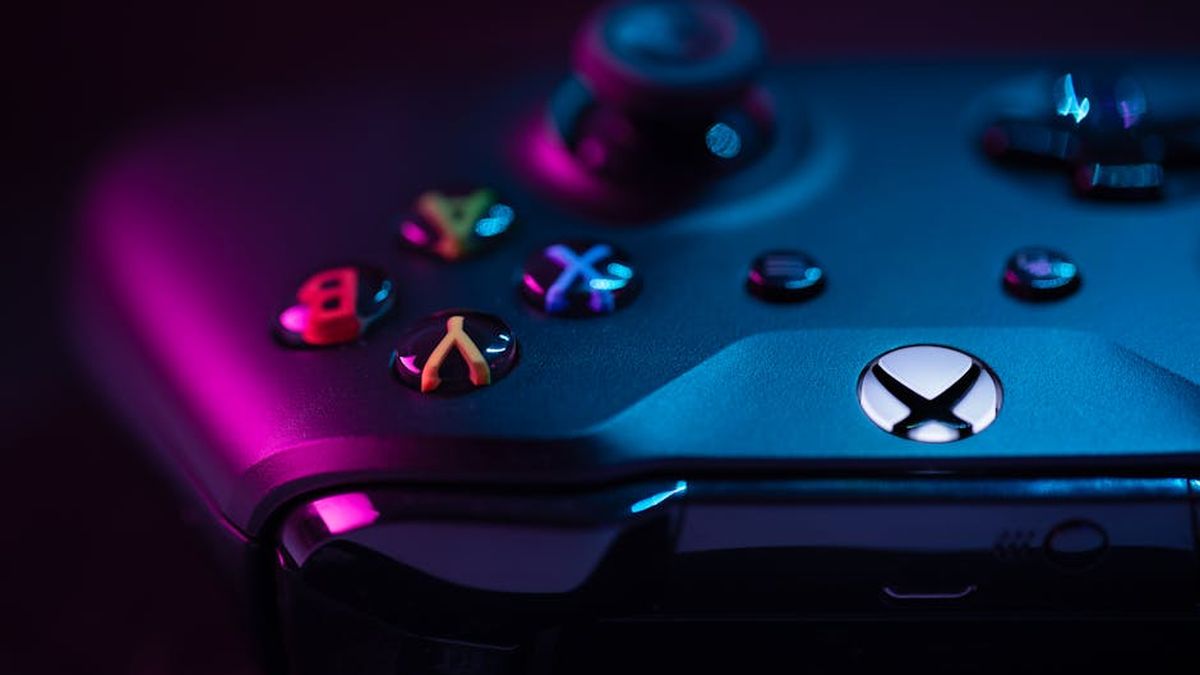
- Controller Innovation: The PS5’s DualSense controller is a major differentiator, featuring advanced haptic feedback and adaptive triggers that offer nuanced tactile sensations. The Xbox Series X controller refines the proven design of its predecessor, adding a share button and textured grips, focusing on familiarity and comfort for a broad range of players.
- Backward Compatibility: Xbox Series X offers unparalleled backward compatibility, supporting thousands of games from the original Xbox, Xbox 360, and Xbox One, many with enhancements. The PS5 supports the vast majority of PS4 titles. For players with extensive libraries from previous console generations, the Xbox Series X holds a clear advantage.
- Audio Technology: The PS5 features its proprietary Tempest 3D AudioTech, designed to deliver highly precise spatial audio through standard headphones. The Xbox Series X supports established industry standards like Dolby Atmos and DTS:X, providing robust spatial audio solutions compatible with a wider range of existing audio equipment.
Pros and Cons for both
PlayStation 5 Pros:
- Innovative DualSense Controller: Haptic feedback and adaptive triggers offer unique, immersive gameplay experiences.
- Lightning-Fast SSD: Superior raw I/O throughput for incredibly quick load times and seamless world streaming.
- Strong First-Party Exclusives: Continues Sony’s tradition of critically acclaimed, exclusive titles.
- Tempest 3D AudioTech: Potentially more immersive and precise spatial audio experience with compatible headphones.
- Sleek, Modern Design: Distinctive aesthetic stands out in entertainment setups.
PlayStation 5 Cons:
- Smaller Internal SSD: 825GB, with less usable space than Series X’s 1TB, can fill up quickly with large 4K games.
- Limited Backward Compatibility: Primarily supports PS4 games, not earlier PlayStation generations.
- Higher Price for Digital Edition SSD Expansion: Proprietary M.2 NVMe SSD expansion requires specific, often more expensive drives.
- Larger Physical Size: Its considerable dimensions can be an issue for some entertainment centers.
- Fewer Cross-Platform PC Releases: First-party titles are less frequently available on PC at launch compared to Xbox.
Xbox Series X Pros:
- Superior Raw Power: Higher TFLOPs and CPU clock speed provide a theoretical edge in performance.
- Xbox Game Pass Value: Offers an extensive library of games, including new first-party titles on day one, for a monthly subscription.
- Extensive Backward Compatibility: Supports thousands of games from four generations of Xbox, often with enhancements.
- Quick Resume Feature: Seamlessly switch between multiple games in seconds, a significant convenience.
- Larger Internal Storage: 1TB SSD provides more usable space out of the box.
- Standardized Audio Support: Supports Dolby Atmos and DTS:X, leveraging existing home theater setups.
Xbox Series X Cons:
- Fewer Exclusive First-Party “Must-Have” Titles (Initially): Relies heavily on Game Pass value proposition.
- Proprietary Storage Expansion: Seagate Expansion Card is convenient but can be more expensive than generic NVMe SSDs.
- Less Innovative Controller: While refined, it lacks the unique haptics and adaptive triggers of the DualSense.
- Less Distinctive Design: A minimalist black box design might not appeal to everyone.
- Slower Raw SSD I/O: While optimized, its raw throughput numbers are lower than PS5’s.
Which one is better for whom
- Choose PlayStation 5 if:
- You prioritize immersive, tactile gameplay experiences offered by the DualSense controller.
- You are drawn to Sony’s exclusive, narrative-driven first-party titles (e.g., Spider-Man, God of War, Horizon Forbidden West).
- You value cutting-edge SSD technology for minimal load times and potentially new game design paradigms.
- You enjoy a distinct, futuristic console aesthetic.
- You’re primarily upgrading from a PS4 and wish to continue with your PlayStation ecosystem and digital purchases.
- Choose Xbox Series X if:
- You seek the absolute most raw graphical processing power for the best possible visuals and frame rates.
- You value the incredible cost-effectiveness and vast library of Xbox Game Pass, offering hundreds of games for a subscription.
- Backward compatibility with thousands of older Xbox games is important to you.
- You appreciate quality-of-life features like Quick Resume for multitasking across games.
- You prefer the established, refined ergonomics of the Xbox controller.
- You game on both console and PC, benefiting from Xbox’s cross-platform play and Game Pass integration.
Final Verdict
The Choice for 4K Gaming in the USA
Both the PlayStation 5 and Xbox Series X are engineering marvels, perfectly capable of delivering stunning 4K gaming experiences with significantly reduced lag compared to previous generations. The choice ultimately hinges on individual priorities and ecosystem preferences rather than a definitive “better” console. Related: Stop Mid-Game Controller Deaths: PowerCore X Rechargeable Battery Pack Review for Xbox Series X|S
For players in the USA who prioritize unique immersive sensations through controller innovation and are captivated by Sony’s rich portfolio of first-party narrative adventures, the PlayStation 5 is likely the superior choice. Its blazing-fast SSD and Tempest 3D AudioTech further enhance this deep immersion, ensuring a cutting-edge 4K experience. Related: Eliminate PS5 Overheating: CoolFlow X1 Pro Cooling Stand Review for US Gamers
Conversely, for those who value raw graphical horsepower, an extensive library of games available through an unparalleled subscription service like Xbox Game Pass, and robust backward compatibility across generations, the Xbox Series X stands out. Its Quick Resume feature and cross-platform capabilities offer immense flexibility, catering to a broad gaming appetite while still delivering top-tier 4K performance. Related: Finally, A Headset That Won’t Crush Your Head: CloudComfort Air XL Gaming Headset Review
Neither console will leave you wanting for 4K performance or struggling with lag. The decision rests on whether you prefer PlayStation’s distinctive brand of immersion and exclusives, or Xbox’s value-driven ecosystem and broader game accessibility. Related: Best 144Hz+ Gaming Monitors for Competitive Edge & Zero Screen Tearing in USA (2026)
Given my existing 4K TV and internet in the USA, which console (PS5 or Xbox Series X) is genuinely better optimized to prevent frame rate drops and input lag during demanding 4K gaming?
Both the PlayStation 5 and Xbox Series X are incredibly powerful consoles designed for smooth 4K gaming. While the Xbox Series X holds a slight theoretical advantage in raw computational power (12 teraflops vs. PS5’s 10.28 teraflops), real-world performance for preventing frame rate drops in demanding 4K titles often comes down to individual game optimization. Many cross-platform games perform very similarly on both. Input lag during local gameplay is largely determined by your display’s capabilities (e.g., game mode, ALLM), while internet connection primarily affects online multiplayer latency rather than the console’s ability to render 4K without lag.
Beyond raw specs, what specific technologies (e.g., VRR, ALLM, SSD speeds) in the PS5 or Xbox Series X are more effective at mitigating 4K gaming lag, especially for online multiplayer in the USA?
Both consoles utilize high-speed NVMe SSDs, which drastically reduce loading times and allow for rapid asset streaming, contributing to a smoother overall experience that reduces perceived “lag” from waiting. For display-related lag, Variable Refresh Rate (VRR) and Auto Low Latency Mode (ALLM) are key. The Xbox Series X had robust VRR and ALLM support from launch, while the PS5 later received VRR support via a software update, bringing it to parity with compatible 4K TVs. For online multiplayer in the USA, the quality of your internet service provider, your home network setup, and server proximity are significantly more impactful on actual online lag than console-specific hardware features or display technologies.
Considering the typical game libraries and console exclusives, which console (PS5 or Xbox Series X) provides a more consistently smooth and lag-free 4K gaming experience for its popular titles within the USA?
Both the PS5 and Xbox Series X provide excellent 4K gaming experiences across their respective game libraries. PlayStation’s first-party exclusives (like “God of War Ragnarök” or “Marvel’s Spider-Man 2”) are highly optimized for the PS5’s architecture, frequently offering performance modes that target dynamic 4K at 60fps or native 4K at 30fps with visual enhancements, feeling consistently smooth. Similarly, Xbox Game Studios titles and games optimized for the Xbox Series X maintain high fidelity and smooth frame rates at 4K. The consistency of a smooth, lag-free experience in 4K within the USA ultimately depends more on the specific game’s optimization by its developer than on one console fundamentally outperforming the other across their entire popular title lineup.
For a long-term investment in 4K gaming without lag, which console – the PS5 or Xbox Series X – is considered more ‘future-proof’ against upcoming game demands and hardware advancements in the USA market?
Both the PS5 and Xbox Series X are built on similar, powerful AMD architectures (Zen 2 CPU, RDNA 2 GPU), making them both highly future-proof for 4K gaming without lag for years to come. The Xbox Series X’s slightly higher raw power might offer a marginal theoretical advantage in maintaining 4K performance for the most graphically intensive future titles, but this difference is often mitigated by developer optimization for both platforms. Key technologies like ray tracing capabilities, high-speed SSDs, VRR, and ALLM are present on both. In the USA market, both consoles represent robust long-term investments, and ongoing software updates and developer support will likely be more critical to sustained 4K performance than any minor hardware disparity between them.
Related Products
- Simplify Your Console Stream Setup: GameStream Link Capture Card Review for US Content Creators
- Upgrade Your Aim? FeatherLight 68 Gaming Mouse Review for Competitive US FPS Players
- Stop Mid-Game Controller Deaths: PowerCore X Rechargeable Battery Pack Review for Xbox Series X|S
- Finally, A Headset That Won’t Crush Your Head: CloudComfort Air XL Gaming Headset Review
- End Screen Tearing Forever? VividSync 27″ 144Hz G-Sync Monitor Review for US PC Gamers