Introduction
The competitive PC gaming landscape evolves rapidly, yet certain peripherals establish themselves as benchmarks for performance and reliability. As Spring 2025 approaches, gamers are constantly evaluating their hardware to gain any conceivable edge. In this context, the Logitech G Pro X Superlight 2 stands out, not merely as an iterative upgrade, but as a meticulously engineered tool designed to meet the demands of top-tier play. This review delves into why this wireless gaming mouse is poised to remain a dominant force in the market, appealing to both professional esports athletes and serious enthusiasts across the USA.
Product Overview
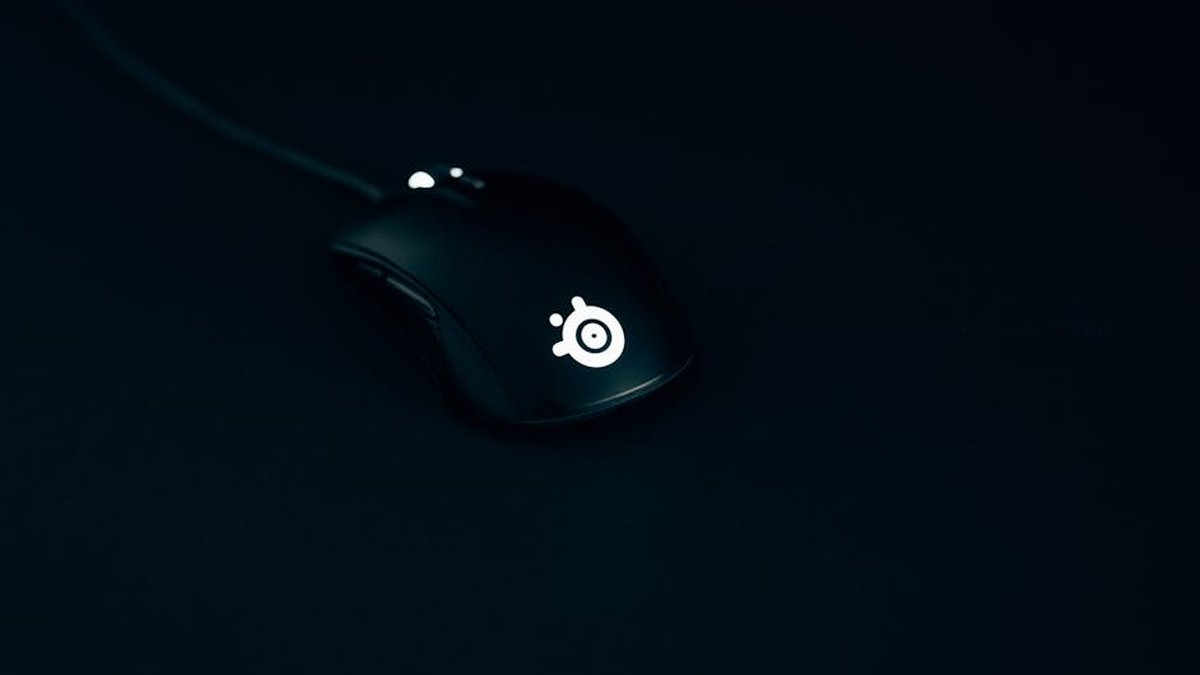
The Logitech G Pro X Superlight 2 is a flagship ultralight wireless gaming mouse, representing the pinnacle of Logitech G’s commitment to performance. It is engineered for competitive gaming, prioritizing speed, precision, and endurance. Building on the legacy of its highly successful predecessor, the G Pro X Superlight, this iteration refines key aspects with advanced sensor technology, innovative switches, and an optimized wireless connection. Its minimalist design belies a powerful internal architecture, aiming to remove all barriers between player intent and in-game action. The core promise of this device is to deliver an uncompromised, lag-free, and incredibly responsive gaming experience, making it a critical asset in fast-paced titles like first-person shooters.
Key Features
- Ultralight 60-Gram Design: Engineered for minimal mass, this weight reduction facilitates quicker reflexes, reduces fatigue during extended sessions, and allows for effortless mouse adjustments.
- HERO 2 Sensor: Featuring a maximum 32,000 DPI, 500 IPS tracking, and 40G acceleration, the HERO 2 sensor offers unparalleled precision and accuracy. Its advanced tracking ensures consistent performance across various surfaces, crucial for competitive consistency. The introduction of 2000Hz polling rate further enhances responsiveness.
- LIGHTSPEED Wireless Technology: Logitech’s proprietary wireless solution provides a robust, ultra-low-latency connection that consistently rivals or even surpasses wired performance, eliminating concerns about signal drops or input lag.
- LIGHTFORCE Hybrid Optical-Mechanical Switches: These innovative switches combine the speed and reliability of optical actuation with the crisp, tactile feedback characteristic of mechanical switches. This design mitigates common issues like debounce delay and double-clicking, while offering enhanced durability rated for 25 million clicks.
- Extended Battery Life: With up to 95 hours of continuous gameplay on a single charge, the G Pro X Superlight 2 minimizes downtime, ensuring it’s ready for long tournaments or marathon gaming sessions.
- USB-C Charging: A modern and convenient charging solution, replacing the older Micro-USB, allowing for quicker and more universally compatible recharging.
- Large PTFE Feet: Designed for smooth, low-friction gliding across various mousepads, contributing to fluid movement and precise aiming.
Pros and Cons
Pros:
- Exceptional Performance: The combination of the HERO 2 sensor, LIGHTSPEED wireless, and LIGHTFORCE switches delivers top-tier accuracy, speed, and responsiveness.
- Incredibly Lightweight: At just 60 grams, it’s one of the lightest full-size wireless gaming mice available, significantly impacting agility and reducing arm fatigue.
- Flawless Wireless Connectivity: The LIGHTSPEED technology provides a stable, virtually latency-free experience, indistinguishable from a wired connection for most users.
- Reliable and Responsive Clicks: LIGHTFORCE switches offer a satisfying click feel with the benefits of optical speed and enhanced durability.
- Outstanding Battery Life: 95 hours ensures extended periods of use without the need for frequent recharging.
- Universal Shape: Its relatively safe and ambidextrous-friendly design (though side buttons are left-aligned) fits a wide range of grip styles and hand sizes.
- Modern USB-C Charging: A much-welcomed upgrade for convenience.
- 2000Hz Polling Rate: Doubles the previous generation’s polling rate, offering even more real-time data to your PC.
Cons:
- Premium Price Point: Positioned at the higher end of the gaming mouse market, it requires a significant investment.
- Minimalist Feature Set: Lacks RGB lighting and additional programmable buttons often found on other gaming mice, focusing solely on core performance.
- Texture Can Be Slippery for Some: The smooth matte finish, while durable, may benefit from grip tape for users with sweaty hands.
- No True Left-Handed Version: While its shape is generally symmetrical, the side buttons are exclusively on the left, making it less ideal for dedicated left-handed users.
- Only 2000Hz Polling Rate: While excellent, some competitors offer 4000Hz or 8000Hz (often requiring separate dongles), which might be a consideration for the most extreme enthusiasts.
Who Should Buy This
- Competitive FPS and Esports Gamers: Players who prioritize every millisecond and require peak performance, accuracy, and reliability in titles like Valorant, CS: GO, Apex Legends, or Overwatch.
- Performance-Oriented Enthusiasts: Gamers who demand the best available technology and are willing to invest in a peripheral that truly enhances their gameplay.
- Users Upgrading from Heavier Mice: Those looking to significantly reduce mouse weight for faster movements and reduced arm strain.
- Gamers Seeking Flawless Wireless: Individuals who want the freedom of wireless without any compromise on connection stability or latency.
- Users Who Value Durability and Longevity: The robust build and switch design promise a long operational lifespan, suitable for intensive daily use.
Who Should Avoid This
- Budget-Conscious Gamers: Its high price tag makes it unsuitable for those looking for an affordable gaming mouse.
- MMO/MOBA Players Needing Many Buttons: The minimalist design with only two side buttons is not ideal for games requiring extensive macro assignments.
- Users Who Prefer Heavier Mice: Some gamers feel more control with a heavier mouse; the G Pro X Superlight 2’s ultralight design might not be for them.
- Aesthetic-Driven Gamers: If extensive RGB lighting or highly customizable physical features are a priority, this mouse’s performance-first, understated design may disappoint.
- Dedicated Left-Handed Gamers: While the shape is neutral, the side button placement is exclusively for right-handed thumb access.
- Casual Gamers: The advanced features and premium performance may be overkill for someone who plays infrequently or does not require a competitive edge.
Pricing Insight
The Logitech G Pro X Superlight 2 typically retails in the USA within a premium price bracket, often around $159 to $179. This places it among the most expensive wireless gaming mice on the market. While this is a significant investment for a peripheral, the cost is justified by the integration of cutting-edge technology, superior build quality, and a design philosophy aimed at professional-grade performance. For consumers prioritizing an uncompromising gaming experience, the price reflects the value of its advanced sensor, proprietary wireless, durable switches, and ultralight construction. As Spring 2025 approaches, its pricing is expected to remain relatively stable, though holiday sales or specific retailer promotions may offer occasional discounts. It’s an investment in a durable, high-performance tool that promises to deliver a competitive edge for years. Related: PS5 vs. Xbox Series X: Which Next-Gen Console Solves Your 4K Gaming Lag in the USA?
Comparison with 1 Alternative: Razer DeathAdder V3 Pro
A direct competitor often considered alongside the G Pro X Superlight 2 is the Razer DeathAdder V3 Pro. Both mice target the high-performance wireless gaming market, particularly for FPS players. Related: Mechanical vs. Optical Keyboards: Which Switch Type Gives US Competitive PC Gamers the Edge in 2024?
- Shape & Ergonomics: The G Pro X Superlight 2 features a more minimalist, ‘safe’ shape that accommodates a wider variety of grip styles and is pseudo-ambidextrous (though side buttons are left-only). The DeathAdder V3 Pro, conversely, boasts a highly refined, ergonomic right-handed shape, a hallmark of the DeathAdder series, which many find exceptionally comfortable for palm and claw grips.
- Weight: Both are ultralight. The G Pro X Superlight 2 typically weighs around 60g. The DeathAdder V3 Pro is marginally heavier at approximately 63g. This difference is negligible for most users, but the Superlight 2 technically holds the edge here.
- Sensor: The G Pro X Superlight 2 uses Logitech’s HERO 2 sensor (up to 32,000 DPI). The DeathAdder V3 Pro utilizes Razer’s Focus Pro 30K Optical Sensor (up to 30,000 DPI). Both are industry-leading sensors, offering flawless tracking and high accuracy.
- Switches: The Superlight 2 features LIGHTFORCE hybrid optical-mechanical switches, offering a blend of optical speed and mechanical feel. The DeathAdder V3 Pro uses Razer’s Optical Mouse Switches Gen-3, which are purely optical, known for their incredible speed and durability, but might have a different click feel.
- Polling Rate: The Superlight 2 offers a 2000Hz polling rate out of the box. The DeathAdder V3 Pro can achieve an 8000Hz polling rate, but this requires the separate purchase of a Razer HyperPolling Wireless Dongle. For the most demanding competitive players, 8000Hz might be a differentiator, though the practical benefit over 2000Hz is debated by many.
- Battery Life: The Superlight 2 boasts around 95 hours of battery life. The DeathAdder V3 Pro provides approximately 90 hours. Both offer excellent longevity.
- Charging: Both feature convenient USB-C charging.
Conclusion of Comparison: Choosing between the two often comes down to preferred shape and the desire for the absolute highest polling rate. The G Pro X Superlight 2 is ideal for those who prefer a more neutral, lightweight design with proven performance and excellent hybrid switches. The DeathAdder V3 Pro appeals to users who prioritize a dedicated right-handed ergonomic form factor and potentially desire the bleeding-edge 8000Hz polling rate (with an additional purchase). Related: Elgato Facecam Pro vs. Logitech Brio 4K: Which Webcam Elevates Your US Streaming Quality?
Final Verdict
As we look towards Spring 2025, the Logitech G Pro X Superlight 2 stands as a testament to peak PC gaming peripheral engineering. It meticulously refines its predecessor’s success, delivering an ultralight, highly precise, and supremely reliable wireless gaming experience. Its HERO 2 sensor, LIGHTSPEED wireless, and LIGHTFORCE hybrid switches combine to offer an uncompromising performance package for competitive gamers and serious enthusiasts in the USA. Related: Elgato Game Capture HD60 X vs. AverMedia Live Gamer 4K: Solving Lag & Stutter for US Console Streamers?
While its premium price point and minimalist feature set might deter some, those who prioritize raw performance, pinpoint accuracy, and unwavering reliability will find its value proposition compelling. It’s a tool designed to remove excuses, allowing players to focus entirely on their gameplay. For anyone serious about gaining a competitive edge and unwilling to compromise on their equipment, the Logitech G Pro X Superlight 2 is not just a strong recommendation; it’s a foundational piece of hardware poised to solidify its position as a top-selling PC gaming mouse for the foreseeable future. Related: Finally, A Headset That Won’t Crush Your Head: CloudComfort Air XL Gaming Headset Review
This review is based on publicly available product specifications, expert analyses, and general consumer feedback. Individual experiences may vary.
How does the Logitech G Pro X Superlight 2 enhance competitive gaming performance for serious players?
The Logitech G Pro X Superlight 2 features the revolutionary LIGHTFORCE hybrid optical-mechanical switches, offering unparalleled speed and reliability for critical in-game actions. Combined with the advanced HERO 2 sensor boasting up to 32,000 DPI and a 2000Hz polling rate, it delivers pixel-perfect tracking and lightning-fast responsiveness, giving competitive gamers a distinct edge in high-stakes scenarios.
Is the G Pro X Superlight 2 comfortable for extended gaming sessions, and what makes its design so effective?
Absolutely. Weighing in at just 60 grams, the G Pro X Superlight 2 is designed for maximum comfort and minimal fatigue during marathon gaming sessions. Its meticulously sculpted, ergonomic shape is a favorite among esports pros, fitting a wide range of grip styles. The ultralight design allows for swift, effortless movements, making it feel like an extension of your hand rather than an external device.
What improvements does the Superlight 2 offer in wireless reliability and battery life that make it a go-to for Spring 2025?
The Superlight 2 takes wireless performance to the next level with an optimized LIGHTSPEED wireless connection, ensuring zero-lag and rock-solid stability crucial for competitive play. Its impressive battery life now extends up to 95 hours on a single charge, virtually eliminating mid-game power concerns. This combination of reliability and endurance ensures you’re always ready for action, making it a standout choice for the demanding gaming season of Spring 2025.
Given its premium status, is the Logitech G Pro X Superlight 2 a worthwhile investment for PC gamers looking for a best seller in Spring 2025?
Yes, the Logitech G Pro X Superlight 2 is undoubtedly a worthwhile investment for any serious PC gamer. Its blend of cutting-edge technology—including the HERO 2 sensor, LIGHTSPEED wireless, and LIGHTFORCE switches—combined with an ultralight, pro-validated design, offers a performance package that is hard to beat. As a proven performer at the highest levels of esports, it represents not just a purchase, but an upgrade to your competitive arsenal that will remain top-tier well into Spring 2025 and beyond.
Related Products
- PlayStation 5 Pro Review: Is Sony’s Holiday 2024 Console Upgrade a Must-Buy for US Gamers?
- Best Mid-Range Graphics Cards for 1440p Gaming in USA (2026)
- Best Entry-Level Webcams for Twitch Streamers in USA (2026)
- Best Wireless Gaming Headsets with Spatial Audio in USA (2026)
- Mechanical vs. Optical Keyboards: Which Switch Type Gives US Competitive PC Gamers the Edge in 2024?