





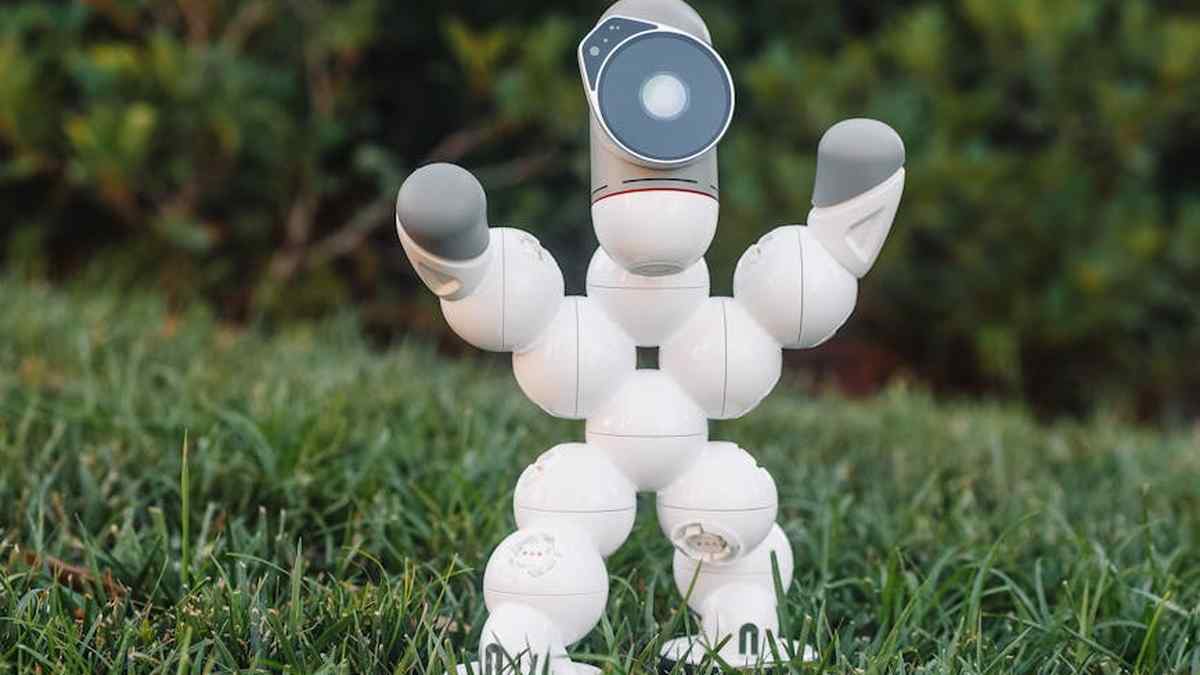
Introduction: Navigating the Future of Children’s STEM Education with AI
As we advance into 2026, the landscape of educational toys is rapidly evolving, with Artificial Intelligence (AI) emerging as a transformative force in children’s STEM (Science, Technology, Engineering, and Mathematics) learning. For parents and educators in the USA, selecting tools that genuinely prepare children for an AI-driven future is paramount. This guide meticulously reviews the leading AI-powered STEM toys available, offering insights into their educational value, key features, and suitability for various age groups. Our aim is to provide a comprehensive, professional buyer’s guide to help you make informed decisions that foster critical thinking, problem-solving skills, and a foundational understanding of AI in the next generation.
Comparison Table: Top AI-Powered STEM Toys for 2026
| Product Name | Key Feature Highlight | Recommended Age | Price Range (USD) | Best For |
|---|---|---|---|---|
| Robo-Mentor X100 | Adaptive AI learning pathways & coding tutorials | 8-14 years | $180 – $250 | Beginner to intermediate robotics and coding |
| CodeQuest VR Adventure Kit | Immersive VR coding with AI-guided problem-solving | 10-16 years | $250 – $350 | Advanced coding, virtual reality exploration |
| Eco-Explorer AI Lab | AI-powered environmental data analysis & simulation | 7-12 years | $150 – $220 | Environmental science, data interpretation |
| Aero-Innovator Drone Kit | Modular drone building with AI flight assist & programming | 12-18 years | $300 – $450 | Aeronautics, advanced engineering, block coding |
| QuantuMind Puzzles AI Edition | AI-adaptive logic puzzles and spatial reasoning challenges | 6-10 years | $90 – $140 | Early logic, critical thinking, pattern recognition |
| BioBot Creator Lab | AI-guided biological system modeling & robotics construction | 11-15 years | $200 – $300 | Biology, biomimicry, interdisciplinary STEM |
| Symphony AI Composer | Interactive music creation with AI harmony and rhythm suggestions | 8-16 years | $120 – $180 | Creative arts, music theory, computational thinking |
1. Robo-Mentor X100
- Key Features: AI-powered adaptive learning pathways, visual block-based coding, voice recognition commands, gesture control, obstacle avoidance, expandable module slots for future upgrades.
- Pros:
- Engaging personalized learning experience that adapts to child’s progress.
- Robust and durable design suitable for active play and experimentation.
- Seamless transition from block coding to Python, fostering advanced programming skills.
- Encourages collaborative play and problem-solving.
- Cons:
- Initial setup can be moderately complex for younger users without adult supervision.
- Higher price point compared to entry-level robotics kits.
- Requires consistent internet connection for full AI functionality and content updates.
Best For: Children aged 8-14 who are new to robotics and coding but are ready for an engaging, progressive learning curve, and families seeking a long-term educational investment.
Price Range: $180 – $250
For current pricing and availability, including user reviews, we recommend visiting leading online retailers and educational technology marketplaces. Compare offers to secure the best value for this innovative learning companion.
2. CodeQuest VR Adventure Kit
- Key Features: Immersive virtual reality environment, AI-guided coding challenges, multi-user collaboration mode, visual programming interface, compatibility with major VR headsets (sold separately), real-world programming concepts.
- Pros:
- Transforms abstract coding into an exciting, interactive virtual adventure.
- AI mentor provides personalized hints and feedback, preventing frustration.
- Develops spatial reasoning and advanced problem-solving in a unique way.
- Supports collaborative learning with friends or classmates in shared VR spaces.
- Cons:
- Requires a compatible VR headset, adding to the overall investment.
- May not be suitable for children prone to motion sickness.
- Extended VR usage might require parental monitoring for screen time.
Best For: Tech-savvy children aged 10-16 with an interest in advanced coding, virtual reality, and interactive storytelling. Ideal for those ready to delve deeper into computational thinking.
Price Range: $250 – $350 (Software/Kit only, VR headset separate)
To explore the latest bundle deals and ensure compatibility with your existing VR equipment, consult online retailers. Look for packages that may include starter VR headsets if you do not already own one.
3. Eco-Explorer AI Lab
- Key Features: Sensor array for environmental data collection (temperature, humidity, light, soil moisture), AI-powered data analysis and visualization software, guided experiment modules on ecosystems and climate, interactive simulations.
- Pros:
- Hands-on experience with real-world data collection and scientific inquiry.
- AI algorithms help children interpret complex environmental patterns.
- Fosters an early understanding of ecological concepts and sustainability.
- Promotes critical thinking about environmental issues.
- Cons:
- Some experiments require outdoor access or specific natural elements.
- Accuracy of sensors may vary, requiring calibration and understanding of limitations.
- Software interface, while user-friendly, might require initial adult guidance for younger users.
Best For: Aspiring young scientists aged 7-12, particularly those with an interest in nature, environmental studies, and practical applications of data science.
Price Range: $150 – $220
Discover the Eco-Explorer AI Lab’s current pricing and customer feedback by visiting reputable online toy and educational suppliers. It’s an excellent investment for budding environmentalists.
4. Aero-Innovator Drone Kit
- Key Features: Modular drone components for custom assembly, AI-assisted flight calibration and stability control, visual block-based programming for flight paths and stunts, integrated camera for aerial photography, compatibility with coding platforms.
- Pros:
- Combines engineering, robotics, and programming into an exciting drone-building experience.
- AI features simplify complex drone operation, making it accessible to learners.
- Encourages problem-solving through iterative design and flight testing.
- Teaches principles of aerodynamics and mechanical engineering.
- Cons:
- Requires significant adult supervision, especially during initial assembly and outdoor flights.
- Potential for component damage during crashes, although replacement parts are usually available.
- Higher cost due to advanced components and AI integration.
Best For: Teenagers aged 12-18 with a keen interest in aviation, robotics, engineering design, and block coding, offering a challenging yet rewarding project.
Price Range: $300 – $450
For detailed specifications and purchase options for the Aero-Innovator Drone Kit, we recommend exploring specialty electronics and STEM education retailers online. Check for bundles that may include extra batteries or repair kits.
5. QuantuMind Puzzles AI Edition
- Key Features: Physical puzzle pieces combined with an AI-powered app, adaptive difficulty levels based on player performance, personalized hint system, augmented reality (AR) overlays for visual guidance, multiple game modes focusing on logic and spatial reasoning.
- Pros:
- Blends tactile puzzle manipulation with intelligent digital guidance.
- AI adapts challenges to maintain optimal engagement and learning.
- Enhances cognitive skills such as problem-solving, pattern recognition, and critical thinking.
- App-based feedback makes learning immediate and constructive.
- Cons:
- Requires a compatible tablet or smartphone to unlock full AI features.
- Relatively smaller physical footprint, which some users might find less substantial.
- Reliance on screen time for interactive features.
Best For: Younger children aged 6-10 who enjoy hands-on puzzles and benefit from intelligent, adaptive learning support in logic and spatial awareness.
Price Range: $90 – $140
To find the QuantuMind Puzzles AI Edition at competitive prices, check major toy retailers and educational game websites. Reviews often highlight its unique blend of physical and digital play.
6. BioBot Creator Lab
- Key Features: Modular biological components for building “bio-inspired” robots, AI-driven design assistant suggesting optimal bio-mimicry solutions, sensor feedback for environmental interaction, graphical programming interface for behavior customization.
- Pros:
- Offers a unique interdisciplinary approach combining biology, engineering, and robotics.
- AI assistant helps children understand biological principles applied to design.
- Promotes creative problem-solving and an understanding of biomimicry.
- Encourages experimentation with different forms and functions inspired by nature.
- Cons:
- Concepts can be advanced, requiring some parental guidance for younger children.
- Assembly might be intricate for less experienced builders.
- The specialized nature of the components can make it more niche than other STEM kits.
Best For: Inquisitive children aged 11-15 with a strong interest in biology, robotics, and how nature inspires technological innovation.
Price Range: $200 – $300
Explore online educational suppliers and specialized STEM stores for purchasing the BioBot Creator Lab. It represents a forward-thinking approach to integrating diverse scientific fields.
7. Symphony AI Composer
- Key Features: Interactive digital music interface, AI engine for generating harmonies, melodies, and rhythms based on user input, visual representation of musical theory, instrument simulation, project sharing and collaboration features.
- Pros:
- Demystifies music composition by providing AI assistance and real-time feedback.
- Teaches fundamental music theory in an engaging, creative context.
- Accessible for beginners while offering depth for more experienced young musicians.
- Fosters creativity, computational thinking, and an appreciation for music.
- Cons:
- Requires a tablet or computer to run the software.
- Can be highly engaging, potentially leading to extended screen time.
- While powerful, the AI’s suggestions might sometimes lead to less “organic” compositions for advanced users seeking full creative control.
Best For: Creatively inclined children aged 8-16 with an interest in music, offering a modern gateway into composition and music theory with AI assistance.
Price Range: $120 – $180 (Software/Subscription with potential for dedicated controller hardware)
Find more details about the Symphony AI Composer, including subscription options and compatible hardware, on its official website or through major software and music technology retailers. Don’t miss the opportunity to foster musical talent with AI.
Buying Guide: Choosing the Right AI-Powered STEM Toy
Investing in an AI-powered STEM toy for a child requires careful consideration to ensure it aligns with their developmental stage, interests, and your educational goals. Here are key factors to consider:
- Age Appropriateness: Ensure the toy’s complexity matches the child’s age and cognitive abilities. While a toy might be “AI-powered,” its interface and challenges should be accessible and engaging for the recommended age range.
- Learning Objectives: Identify what specific skills or concepts you wish to foster. Is it coding, engineering, environmental science, or creative arts? Different toys specialize in different STEM areas.
- Engagement and Replayability: A good AI STEM toy should offer evolving challenges and diverse activities to maintain the child’s interest over time. AI features can significantly enhance this by adapting to the user’s progress.
- Safety and Durability: For physical toys, check for robust construction, non-toxic materials, and adherence to safety standards. Ensure any associated apps respect privacy policies and are free from inappropriate content.
- Scalability and Progression: Look for toys that grow with the child, offering more advanced challenges as their skills develop. Some kits provide expansion packs or have AI that unlocks new functionalities over time.
- Parental Involvement: Understand the level of adult supervision or assistance required. Some complex kits are excellent for parent-child bonding projects, while others are designed for independent play.
- Compatibility and Ecosystem: For app-dependent toys, confirm compatibility with your existing devices (smartphones, tablets, VR headsets). Consider toys that are part of a larger educational ecosystem.
- Ethical AI Considerations: While rare in children’s toys, be mindful of data collection practices, especially with AI features. Opt for products from reputable brands with transparent privacy policies.
- Price vs. Value: AI-powered toys can command a higher price. Evaluate the educational value, durability, and features against the cost to determine if it’s a worthwhile investment for your child’s future.
Conclusion
The year 2026 marks an exciting era for children’s educational toys, with AI at the forefront of innovation. The products highlighted in this guide represent some of the most advanced and engaging AI-powered STEM toys available in the USA, each offering a unique pathway to learning. By carefully considering your child’s interests and developmental needs alongside the insights provided, you can choose a toy that not only entertains but also equips them with crucial skills for a future increasingly shaped by artificial intelligence. Empowering the next generation with these intelligent learning tools is a step towards cultivating creativity, critical thinking, and a lifelong passion for discovery.