





Introduction
For the discerning luxury watch buyer in the United States, the choice between the Rolex Submariner and the Omega Seamaster Diver 300M often represents a pivotal decision. Both timepieces are titans in the world of dive watches, revered for their robust construction, horological excellence, and iconic status. While sharing a common purpose as professional dive instruments, they each bring distinct philosophies, design languages, and brand narratives to the wrist. This comprehensive guide aims to dissect the nuances of these two formidable contenders, providing a professional assessment to help US buyers make an informed choice that aligns with their priorities, whether they lean towards unparalleled heritage, cutting-edge technology, or accessible luxury.
Comparison Table
| Feature | Rolex Submariner (e.g., Ref. 126610LN) | Omega Seamaster Diver 300M (e.g., Ref. 210.30.42.20.01.001) |
|---|---|---|
| Brand | Rolex | Omega |
| Movement | In-house Calibre 3235 (Superlative Chronometer) | In-house Calibre 8800 (Co-Axial Master Chronometer, METAS certified) |
| Case Material | Oystersteel (904L Stainless Steel) | Stainless Steel |
| Bezel Material | Cerachrom (Ceramic) | Ceramic |
| Water Resistance | 300m (1,000 ft) | 300m (1,000 ft) |
| Case Diameter | 41mm | 42mm |
| Helium Escape Valve | No | Yes (Manual) |
| Anti-Magnetism | Paramagnetic blue Parachrom hairspring | Resistant to 15,000 Gauss (METAS requirement) |
| Bracelet Clasp | Oysterlock safety clasp with Glidelock extension system | Folding clasp with diver extension |
| Approx. US Retail Price (New) | $10,250 (Black Dial/Bezel) | $5,800 (Black Dial/Bezel, Steel Bracelet) |
| Market Availability (New) | Extremely difficult (Long waitlists, secondary market premium) | Readily available |
| Resale Value Retention | Exceptional (often above retail) | Good (typically below retail) |
Rolex Submariner Overview
The Rolex Submariner stands as arguably the most iconic dive watch ever created, a benchmark against which all others are measured. Launched in 1953, it pioneered the modern dive watch aesthetic and functionality. Its design is timeless, instantly recognizable, and largely unchanged in its fundamental form for decades, evolving subtly to incorporate modern materials and horological advancements.
At its heart is the in-house Calibre 3235, a “Superlative Chronometer” certified movement renowned for its precision (-2/+2 seconds per day), power reserve (approximately 70 hours), and robust architecture. The Submariner’s case is crafted from Rolex’s proprietary Oystersteel, a high-performance 904L stainless steel known for its exceptional corrosion resistance and lustrous finish. The unidirectional rotating bezel features a Cerachrom ceramic insert, providing scratch resistance and deep, vibrant color. The Oyster bracelet, equipped with the innovative Glidelock extension system, allows for tool-free micro-adjustments, a highly practical feature for divers and daily wearers alike. Related: Rolex Submariner vs. Apple Watch Ultra 2: The Definitive Daily Driver Showdown for USA Professionals
Owning a Submariner is not just about possessing a finely crafted timepiece; it’s about investing in a piece of horological history and an emblem of achievement. Its unparalleled brand prestige and legendary secondary market performance contribute significantly to its allure, making it a coveted item for collectors and enthusiasts worldwide. Related: Best Luxury Hybrid Smartwatches for Discerning Professionals in USA (2026)
Omega Seamaster Diver 300M Overview
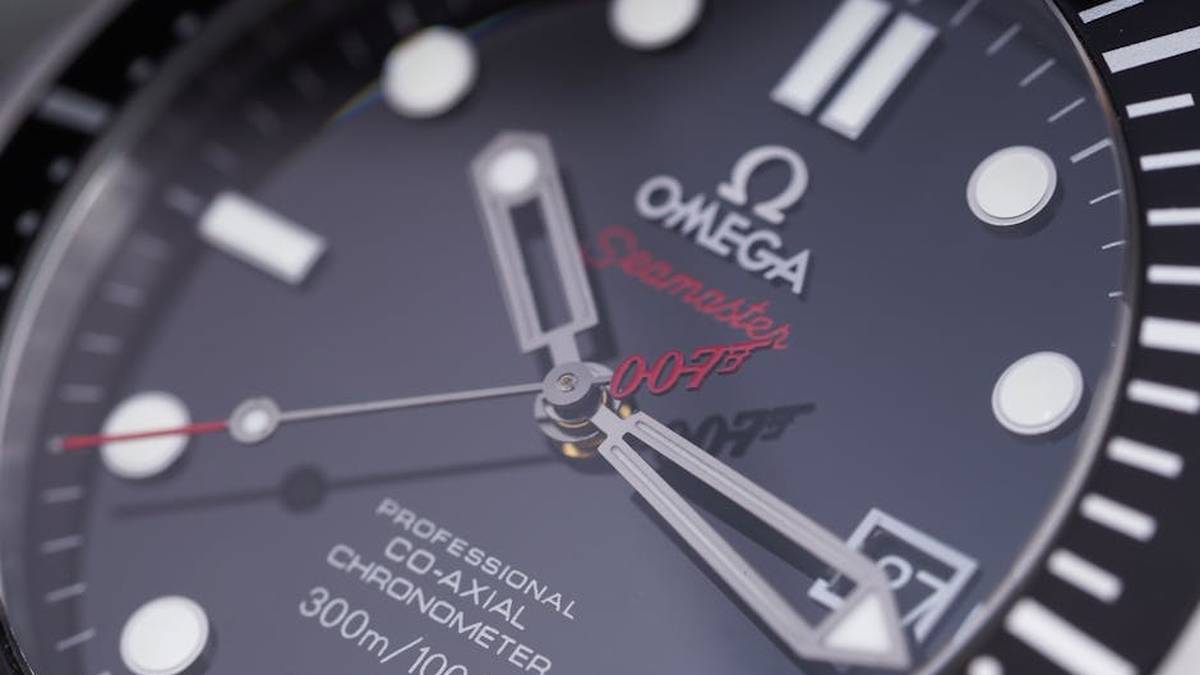
The Omega Seamaster Diver 300M, particularly the current generation, represents Omega’s modern interpretation of a robust and technologically advanced professional dive watch. First introduced in 1993, it gained global fame as James Bond’s watch, solidifying its place in popular culture while simultaneously building upon Omega’s rich heritage in professional diving instruments. Related: Aether Chronos Elite Smartwatch Review: Is This Minimalist Luxury Timepiece *Actually* Worth Its Price Tag on Amazon USA?
The current Seamaster Diver 300M is characterized by its distinctive wave-pattern ceramic dial, often laser-engraved, and a ceramic unidirectional bezel. Its 42mm stainless steel case features the brand’s signature lyre lugs and a manual helium escape valve at 10 o’clock, a nod to its serious diving credentials. Powering the watch is Omega’s Calibre 8800, a Co-Axial Master Chronometer movement. This movement boasts exceptional accuracy (0/+5 seconds per day), a 55-hour power reserve, and, critically, resistance to magnetic fields up to 15,000 Gauss, thanks to its METAS certification. This anti-magnetic property is a significant technological advantage in an increasingly electronic world. Related: Mejuri Croissant Dôme Ring Review: Is This Minimalist Must-Have the USA’s Top Seasonal Seller?
The Seamaster Diver 300M offers a compelling blend of sophisticated design, cutting-edge horology, and robust functionality at a price point that makes luxury accessible to a broader audience. Its robust construction and advanced movement make it an excellent daily wearer capable of withstanding the rigors of any adventure. Related: Nomos Glashütte Tangente vs. Junghans Max Bill: Finding Your Perfect Minimalist German Watch in the USA
Feature Comparison
Movement Technology
- Rolex Submariner (Calibre 3235): Rolex’s Superlative Chronometer certification guarantees exceptional accuracy (-2/+2 seconds per day) and robustness. It features the patented Chronergy escapement for improved efficiency and a blue Parachrom hairspring for anti-magnetic properties. It’s a workhorse movement, tried and tested over decades.
- Omega Seamaster Diver 300M (Calibre 8800): Omega’s Co-Axial Master Chronometer movements are METAS-certified, going beyond COSC standards to test for accuracy, water resistance, and most notably, extreme anti-magnetism up to 15,000 Gauss. This makes the Omega a superior choice for those concerned about magnetic interference in daily life.
Case and Bezel Materials
- Rolex Submariner: Uses Oystersteel (904L stainless steel), which is harder, more corrosion-resistant, and takes a higher polish than standard 316L stainless steel. The Cerachrom bezel is virtually scratch-proof and colorfast.
- Omega Seamaster Diver 300M: Uses standard 316L stainless steel, which is still excellent for watchmaking. Its ceramic bezel is also highly scratch-resistant, and the ceramic dial (often with a laser-engraved wave pattern) offers a unique aesthetic and material benefit.
Aesthetics and Design
- Rolex Submariner: Emphasizes a classic, understated, and universally appealing design. Its symmetry, clean lines, and uncluttered dial contribute to its timeless allure. It’s designed for broad appeal and enduring style.
- Omega Seamaster Diver 300M: Features a more distinctive and aggressive design. The wave-pattern dial, skeletonized hands, bold indices, and prominent helium escape valve give it a more modern, tool-watch aesthetic that stands out.
Bracelet and Clasp
- Rolex Submariner: The Oyster bracelet is renowned for its solid construction and comfort. The Glidelock extension system in the clasp allows for precise, tool-free adjustments over approximately 20mm, making it incredibly versatile for fitting over a wetsuit or adjusting for daily comfort.
- Omega Seamaster Diver 300M: The steel bracelet is comfortable and well-finished, with a diver extension system that provides adjustment, though it’s typically less refined and extensive than Rolex’s Glidelock. Omega also offers excellent rubber strap options as standard.
Water Resistance and Diver Features
- Both watches boast an impressive 300m (1,000 ft) water resistance, making them more than capable for recreational and professional diving.
- Omega Seamaster Diver 300M: Features a manual helium escape valve, essential for saturation diving but largely symbolic for most wearers.
- Rolex Submariner: Does not feature a helium escape valve; this function is reserved for its more robust sibling, the Sea-Dweller.
Pros and Cons for Both
Rolex Submariner
Pros:
- Unparalleled Brand Prestige: The most recognized and coveted luxury watch brand globally.
- Exceptional Resale Value: Often retains or appreciates in value, making it a strong asset.
- Timeless Design: A classic aesthetic that transcends trends and remains perpetually stylish.
- Robust Construction: Built to exacting standards with Oystersteel and Cerachrom for extreme durability.
- Glidelock Clasp: Industry-leading micro-adjustment system for perfect fit.
- Horological Icon: A significant piece of watchmaking history and a benchmark for dive watches.
Cons:
- High Price Point: Significantly more expensive at retail than the Seamaster.
- Extremely Difficult Availability: New models from authorized dealers often require long waitlists or strong purchase history, leading to significant secondary market premiums.
- Lack of Anti-Magnetism (Comparative): While resistant, it does not match Omega’s Master Chronometer certification for extreme magnetic fields.
- Ubiquity: Its popularity means it’s a very common luxury watch, potentially lacking individuality for some.
Omega Seamaster Diver 300M
Pros:
- Exceptional Value: Offers advanced horology, robust build, and distinctive design at a more accessible price point.
- Cutting-Edge Movement: Co-Axial Master Chronometer provides superior anti-magnetism (up to 15,000 Gauss), high accuracy, and reliability.
- Distinctive Design: Wave dial, ceramic components, and skeletonized hands offer a modern and unique aesthetic.
- Readily Available: Easier to purchase new from authorized dealers at retail price.
- Comfort and Versatility: Excellent on both its steel bracelet and various rubber strap options.
- James Bond Connection: Adds a layer of cool factor and pop culture relevance.
Cons:
- Lower Resale Value: While good for Omega, it generally depreciates and does not hold value as strongly as a Submariner.
- Design Can Be Divisive: The wave dial and helium escape valve, while distinctive, may not appeal to everyone looking for a classic aesthetic.
- Brand Prestige: While highly respected, Omega does not carry the same ultimate brand prestige or immediate recognition as Rolex.
- Helium Escape Valve: While functional for saturation diving, it can be seen as an aesthetic protrusion and unnecessary for most users.
Which One Is Better For Whom?
- Choose the Rolex Submariner if:
- You prioritize ultimate brand prestige, iconic status, and a timeless design that will never go out of style.
- Long-term value retention and potential appreciation are significant factors in your purchase decision.
- You are willing to navigate the challenging primary market or pay the premium on the secondary market.
- You desire a watch that is a universally recognized symbol of success and quality.
- Choose the Omega Seamaster Diver 300M if:
- You seek exceptional horological technology, especially superior anti-magnetism, at a more accessible price.
- You appreciate a more distinctive, modern, and perhaps adventurous design with unique features like the wave dial.
- Availability and purchasing directly from an authorized dealer at retail are important to you.
- You desire a high-performance luxury dive watch for daily wear without the financial premium and potential “fuss” associated with Rolex ownership.
- You value cutting-edge movements and METAS certification over pure brand legacy.
Final Verdict
Both the Rolex Submariner and the Omega Seamaster Diver 300M are superlative examples of luxury dive watch craftsmanship, each representing the pinnacle of their respective brands’ offerings. The “better” choice is ultimately subjective and depends on individual priorities and values.
The Rolex Submariner remains the undisputed king for those who prioritize legacy, unparalleled brand recognition, and a strong investment-grade asset. Its timeless design and robust engineering have cemented its place in horological history, and for many, its mere presence on the wrist signifies an achievement.
The Omega Seamaster Diver 300M, however, presents an incredibly compelling alternative, especially for the pragmatic US buyer. It offers an abundance of modern technological advancements, particularly its superior anti-magnetic capabilities and METAS certification, coupled with a distinctive aesthetic and excellent build quality, all at a significantly more attainable price point and with far greater availability. It delivers exceptional value for money and arguably offers more cutting-edge horology for the contemporary wearer.
If your budget allows for the Rolex and you value its iconic status and potential for value retention above all else, and you are prepared for the purchasing challenge, the Submariner is an undeniable triumph. However, if you seek a robust, technologically advanced, beautifully designed, and distinctively modern luxury dive watch that delivers incredible performance and value without the premium markup or waiting game, the Omega Seamaster Diver 300M stands as a truly formidable and intelligent choice.
This guide provides general information for comparative purposes. Watch specifications, pricing, and market availability can change without notice. Prospective buyers should conduct their own research and consult with authorized dealers for the most current and accurate information. This article offers no guarantees regarding future value or performance of either timepiece.