





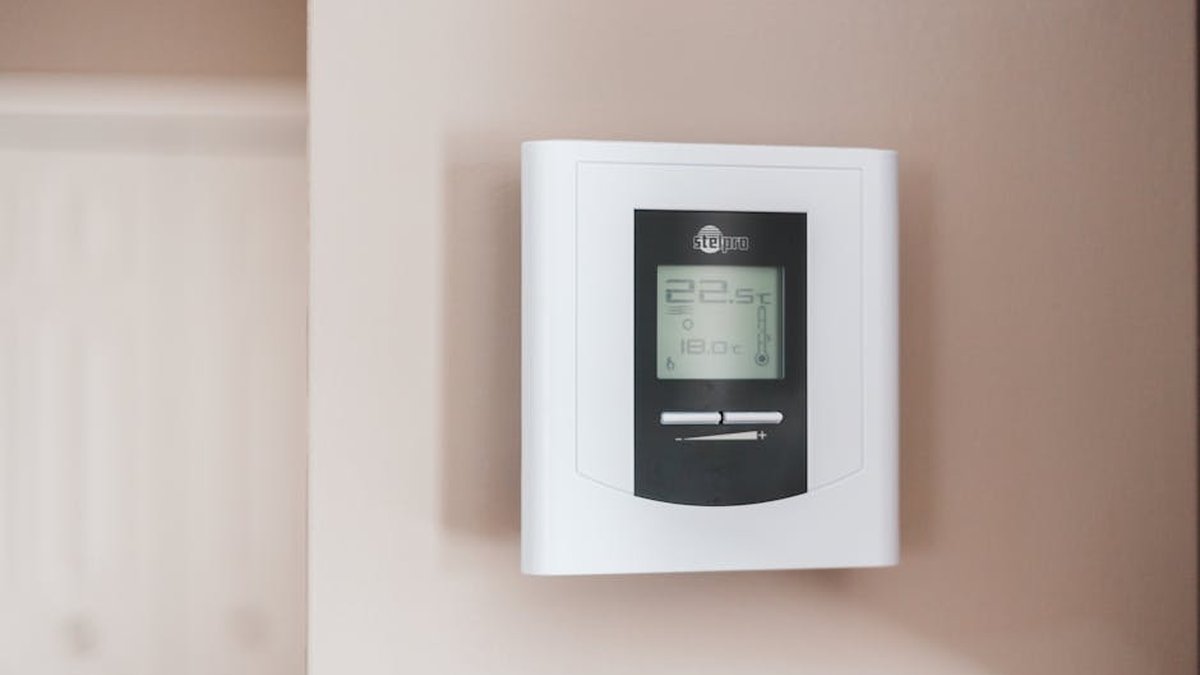
Introduction to Smart Thermostats for the Modern Home
In the evolving landscape of smart home technology, smart thermostats stand out as a cornerstone for both convenience and significant energy efficiency. For homeowners in the USA looking to optimize their heating, ventilation, and air conditioning (HVAC) systems, a smart thermostat offers intelligent control, adaptable scheduling, and insightful data into energy consumption. Beyond merely adjusting temperatures, these sophisticated devices learn user preferences, integrate with other smart home platforms, and provide remote access, making them an indispensable tool for managing comfort and potentially reducing utility bills. This comprehensive buyer’s guide for 2026 delves into the top smart thermostat options available, helping you identify the ideal model to transform your home’s energy management strategy.
Smart Thermostat Comparison Table
| Product | Key Feature Highlights | Price Range (USD) | Connectivity |
|---|---|---|---|
| Ecobee Smart Thermostat Premium | Built-in air quality monitor, smart speaker, room sensors | $230-$270 | Wi-Fi, Bluetooth |
| Google Nest Learning Thermostat | Auto-scheduling, Farsight, energy history reports | $200-$250 | Wi-Fi |
| Honeywell Home T9 Smart Thermostat | Smart room sensors, geofencing, multi-room focus | $150-$200 | Wi-Fi |
| Emerson Sensi Touch Smart Thermostat | Touchscreen, extensive compatibility, simple app | $130-$170 | Wi-Fi |
| Wyze Thermostat | Affordable, sleek design, smart schedules | $70-$90 | Wi-Fi |
| Amazon Smart Thermostat | Alexa integration, budget-friendly, simple setup | $60-$80 | Wi-Fi |
| Lux Kono Smart Thermostat | Customizable faceplates, HomeKit support, geofencing | $90-$120 | Wi-Fi |
Top 7 Smart Thermostats for Energy Savings
1. Ecobee Smart Thermostat Premium
The Ecobee Smart Thermostat Premium represents the pinnacle of smart climate control, integrating advanced features with a user-friendly experience. Building upon Ecobee’s legacy, this model includes an integrated air quality sensor and a built-in smart speaker, making it a central hub for home management.
Key Features:
- Integrated air quality monitor with ventilation recommendations.
- Built-in smart speaker with Alexa voice assistant.
- Includes a SmartSensor for improved whole-home comfort by detecting occupancy and temperature in specific rooms.
- Energy Star certified with eco+ feature for additional potential savings.
- Intuitive touchscreen display and mobile app control.
Pros:
- Exceptional energy-saving capabilities with eco+ and SmartSensors.
- Comprehensive air quality monitoring adds significant value.
- Seamless integration with major smart home ecosystems (Alexa, Google Assistant, Apple HomeKit).
- Elegant design and robust build quality.
Cons:
- Higher price point compared to many competitors.
- Some advanced features may require a slight learning curve.
- Power Extender Kit (PEK) might be needed for homes without a common wire (C-wire).
Best For:
Homeowners seeking a premium, feature-rich smart thermostat that goes beyond basic climate control, offering advanced air quality insights and integrated smart speaker functionality. Ideal for those prioritizing comprehensive smart home integration and maximum energy efficiency. Related: Best Wireless Outdoor Smart Security Camera Systems in USA (2026)
Price Range: Typically $230-$270 Related: Arlo Pro 5S 2K Review: Does This 2K HDR Wireless Camera Deliver Ultimate Smart Home Security in the USA?
Ready to upgrade your home comfort and air quality? Check the latest prices for the Ecobee Smart Thermostat Premium. Related: Best 7 AI-Powered Wireless Security Systems for US Homes (2026)
2. Google Nest Learning Thermostat
The Google Nest Learning Thermostat pioneered the “learning” capability, adapting to your schedule and preferences over time to automatically create energy-efficient temperature settings. Its iconic design and user-friendly interface continue to make it a popular choice for smart home enthusiasts. Related: Guardian Cam Pro Review: Can This 4K AI Camera Finally End Porch Piracy for Your US Home?
Key Features:
- Learns your schedule and preferences to program itself.
- Farsight feature displays time or temperature when it senses you’re nearby.
- Energy history reports provide insights into usage patterns.
- Auto-Away feature aims to save energy when no one is home.
- Elegant, high-resolution display with a metal finish.
Pros:
- Highly intuitive and truly “learns” user habits for effortless potential savings.
- Beautiful design and premium build quality.
- Seamless integration with Google Home ecosystem and other smart devices.
- Detailed energy reports help track and optimize consumption.
Cons:
- Higher upfront cost.
- Lack of external room sensors in the base package (Nest Temperature Sensors sold separately).
- Requires a C-wire for optimal performance in some HVAC systems.
Best For:
Users who prefer a thermostat that programs itself over time, offering a hands-off approach to energy savings. Excellent for those already invested in the Google ecosystem or seeking a visually appealing, intelligent device. Related: Best Wireless DIY Smart Home Security Kits for USA Homes (2026)
Price Range: Approximately $200-$250
Experience the convenience of a thermostat that learns from you. Find the best deals on the Google Nest Learning Thermostat today.
3. Honeywell Home T9 Smart Thermostat
The Honeywell Home T9 Smart Thermostat offers a robust solution for multi-zone comfort with its intelligent room sensors. This thermostat focuses on delivering comfort where it matters most, allowing users to prioritize specific rooms or areas of their home.
Key Features:
- Optional Smart Room Sensors detect occupancy and temperature for targeted comfort.
- Geofencing capabilities adjust temperature based on your proximity to home.
- Large, full-color touchscreen display.
- Voice control via Alexa and Google Assistant.
- Guided setup simplifies installation and programming.
Pros:
- Excellent for homes with uneven heating/cooling or multiple occupants.
- Smart Room Sensors provide flexibility and accurate readings.
- Reliable brand with extensive HVAC compatibility.
- Intuitive app interface for remote control.
Cons:
- Smart Room Sensors are sold separately or in specific bundles, potentially increasing cost.
- Design is functional but perhaps less sleek than some competitors.
- Some users might find the initial setup of multiple sensors a bit involved.
Best For:
Households with distinct temperature preferences in different rooms or those experiencing uneven heating/cooling. Ideal for users who value precise multi-room control and reliable performance from a trusted HVAC brand.
Price Range: Typically $150-$200 (thermostat only, sensors extra)
Optimize comfort in every room. Explore current offers on the Honeywell Home T9 Smart Thermostat and sensors.
4. Emerson Sensi Touch Smart Thermostat
The Emerson Sensi Touch Smart Thermostat combines a sleek touchscreen interface with broad HVAC compatibility and straightforward control. It’s an excellent choice for those seeking advanced features without unnecessary complexity, backed by a century of HVAC expertise.
Key Features:
- Vibrant touchscreen display for easy adjustments.
- Extensive compatibility with most HVAC systems (requires C-wire for some setups).
- Remote control via the highly-rated Sensi mobile app.
- Geofencing, flexible scheduling, and usage reports.
- Works with Amazon Alexa, Google Assistant, Apple HomeKit, and SmartThings.
Pros:
- User-friendly interface and highly intuitive mobile app.
- Broad compatibility, making it suitable for a wide range of homes.
- Offers a great balance of features and affordability.
- Reliable performance and strong customer support.
Cons:
- Design is functional but might not be as “premium” as Nest or Ecobee.
- Advanced learning features are less prominent compared to self-learning models.
- Some users report C-wire dependency for full functionality.
Best For:
Homeowners who desire a smart thermostat with a clear touchscreen display, extensive smart home integration, and solid reliability, all at a competitive price point. Ideal for those who appreciate straightforward controls and broad compatibility.
Price Range: Roughly $130-$170
For smart control that’s easy to use, check the latest deals on the Emerson Sensi Touch Smart Thermostat.
5. Wyze Thermostat
The Wyze Thermostat brings smart climate control to an incredibly accessible price point without sacrificing essential features. Known for its ecosystem of affordable smart home devices, Wyze delivers a sleek and functional thermostat that integrates seamlessly with other Wyze products.
Key Features:
- Attractive, minimalist design with a clear display.
- Intuitive mobile app for remote control and scheduling.
- Geofencing and smart scheduling capabilities.
- Supports Alexa and Google Assistant voice control.
- Affordable entry point into smart thermostat technology.
Pros:
- Extremely budget-friendly without feeling cheap.
- Sleek design blends well with modern decor.
- Easy to install for DIY enthusiasts.
- Integration with the broader Wyze smart home ecosystem.
Cons:
- Lacks advanced features like air quality monitoring or built-in speakers.
- Does not include external room sensors (sold separately, if available).
- Requires a C-wire for most installations; a C-wire adapter is included if needed.
Best For:
Cost-conscious buyers or those looking for an entry-level smart thermostat that covers all essential functions without a premium price tag. Perfect for users already invested in the Wyze ecosystem or new to smart home tech.
Price Range: Typically $70-$90
Get smart savings without breaking the bank. Discover the affordability of the Wyze Thermostat.
6. Amazon Smart Thermostat
The Amazon Smart Thermostat is designed for simplicity and deep integration with Amazon Alexa. Developed in collaboration with Resideo (the makers of Honeywell Home thermostats), it offers core smart thermostat features at a highly competitive price, making smart control accessible to a broader audience.
Key Features:
- Designed for seamless integration with Amazon Alexa for voice control.
- Simple setup and intuitive controls via the Alexa app.
- Geofencing, energy-saving schedules, and Away mode.
- Energy Star certified.
- Compatible with most 24V HVAC systems (C-wire recommended).
Pros:
- One of the most affordable smart thermostats on the market.
- Exceptional Alexa voice control and smart home integration.
- Clean, minimalist design.
- Backed by the reliability of Resideo’s technology.
Cons:
- Lacks a physical display for direct interaction; primarily controlled via app or Alexa.
- Fewer advanced features compared to premium models (e.g., no learning function, no external sensors).
- Primarily optimized for the Amazon ecosystem; less robust integration with Google or Apple.
Best For:
Alexa users looking for a highly affordable, voice-controlled smart thermostat that simplifies energy management within their Amazon-centric smart home. Ideal for those who prioritize ease of use and budget over extensive features or physical controls.
Price Range: Generally $60-$80
Control your climate with just your voice. See the amazing value of the Amazon Smart Thermostat.
7. Lux Kono Smart Thermostat
The Lux Kono Smart Thermostat offers a unique blend of smart functionality and aesthetic customization, allowing homeowners to personalize its appearance with interchangeable faceplates. It provides essential smart features and solid performance, positioning itself as a stylish yet practical choice.
Key Features:
- Interchangeable decorative faceplates to match home decor.
- Geofencing for automatic adjustments based on your location.
- Flexible scheduling options and energy usage reporting.
- Works with Amazon Alexa, Google Assistant, and Apple HomeKit.
- Simple installation and intuitive app control.
Pros:
- Unique aesthetic customization feature.
- Broad smart home compatibility, including Apple HomeKit.
- Solid set of essential smart features at a mid-range price.
- Easy-to-understand controls and app.
Cons:
- Lacks advanced learning capabilities found in Nest.
- No included external room sensors.
- Screen size is smaller compared to some competitors.
Best For:
Users who prioritize both smart functionality and home aesthetics, wanting a thermostat that seamlessly blends with their interior design. A great option for Apple HomeKit users seeking robust integration without the premium price of some alternatives.
Price Range: Typically $90-$120
Personalize your smart home control. Find the perfect Lux Kono Smart Thermostat for your style.
Conclusion
Investing in a smart thermostat is a strategic step towards a more energy-efficient, comfortable, and intelligent home. The market in 2026 offers a diverse range of options, from the feature-rich Ecobee Smart Thermostat Premium to the budget-friendly Amazon Smart Thermostat, ensuring there’s a perfect match for every homeowner’s needs and budget in the USA. By carefully considering compatibility, desired features, and smart home integration, you can select a device that not only provides ultimate climate control but also contributes significantly to reducing your energy footprint and utility bills. Embrace the future of home comfort and start saving today.