




Disclosure: This review contains affiliate links. If you make a purchase through these links, we may earn a commission at no extra cost to you. We strive to provide honest, unbiased reviews to help you make informed decisions.
Introduction
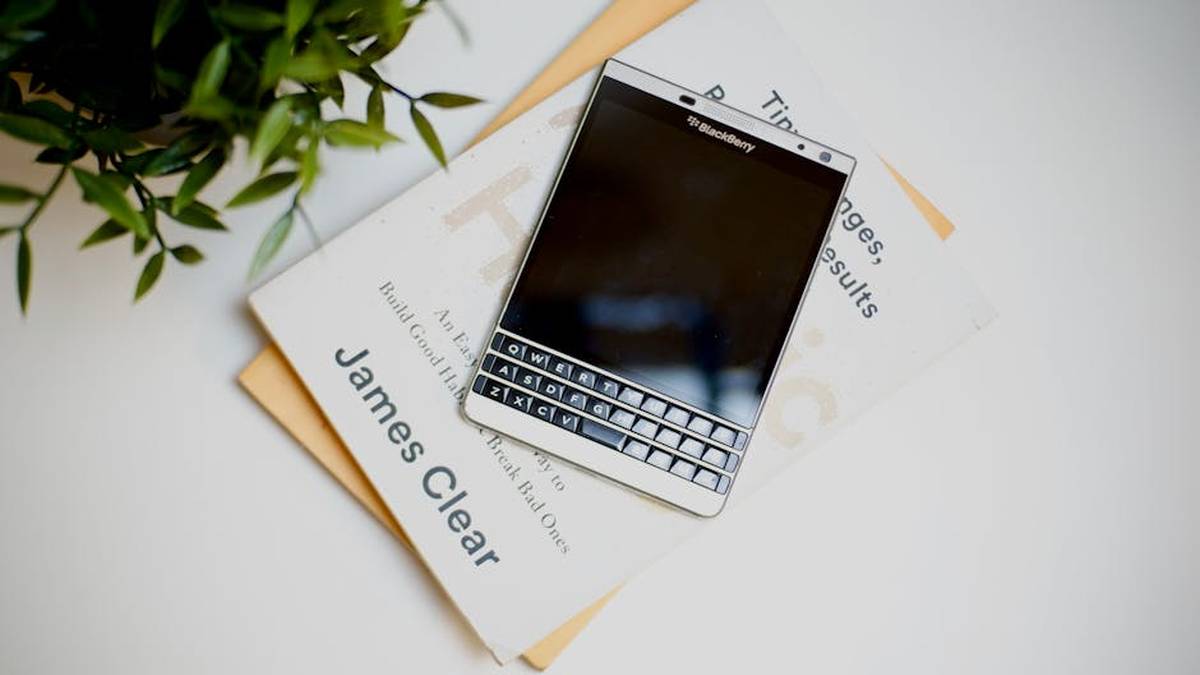
In a world often characterized by relentless schedules, digital distractions, and the constant pursuit of more, the concept of "self-improvement" can feel like another item on an already overwhelming to-do list for many busy Americans. James Clear’s Atomic Habits: An Easy & Proven Way to Build Good Habits & Break Bad Ones has surged in popularity, promising a systematic approach to lasting change through small, incremental steps. But in the demanding reality of modern life, can a book truly deliver on the promise of transforming daily routines and behaviors?
This deep-dive review explores whether Clear’s methodology is a practical game-changer for individuals juggling careers, families, finances, and personal well-being. We’ll break down its core components, analyze its effectiveness, weigh its advantages and potential limitations, and offer a candid assessment of its value proposition for the American consumer seeking tangible, sustainable progress. Related: Udemy vs. Skillshare: Choosing Your Top Online Course Platform in the USA.
Product Overview: What is Atomic Habits?
At its heart, Atomic Habits is a comprehensive guide by author and entrepreneur James Clear, designed to demystify the process of habit formation and behavioral change. Published in 2018, the book posits that significant improvements in life stem not from monumental shifts, but from the cumulative effect of hundreds of tiny decisions—"atomic habits"—that compound over time. Related: Best Desk Organizers for Daily Study & Workstation Efficiency in USA (2026)
Clear draws upon insights from biology, psychology, neuroscience, and philosophy to construct a practical framework. Unlike many self-help books that focus heavily on motivation or willpower, Atomic Habits emphasizes redesigning environments and systems to make desired behaviors easier and undesired ones harder. It’s presented as a toolkit for anyone looking to optimize their personal and professional habits, providing clear, actionable steps rather than just theoretical concepts. Related: Grammarly Premium vs. ProWritingAid: Essential Tools for USA Students and Writers.
Key Features of the Atomic Habits System
Clear’s system is built upon several foundational principles, articulated through what he calls the "Four Laws of Behavior Change": Related: The Pomodoro Technique vs. Time Blocking: Which Study Method Dominates for US College Success?
- Make it Obvious: This law focuses on environmental design. By making cues for good habits more visible and cues for bad habits less visible, individuals can significantly influence their behavior. Examples include placing workout clothes next to your bed or keeping unhealthy snacks out of sight.
- Make it Attractive: Clear argues that we are more likely to pursue habits that we perceive as rewarding or enjoyable. Strategies here include "habit stacking" (pairing a new habit with an existing one) and "temptation bundling" (pairing an action you need to do with an action you want to do).
- Make it Easy: Reducing the friction associated with a habit increases the likelihood of adherence. This involves shrinking habits down to their simplest form (the "two-minute rule"), optimizing your environment, and automating tasks where possible.
- Make it Satisfying: For a habit to stick, it must provide some form of immediate reward. This often involves tracking progress (the "habit tracker"), using positive reinforcement, and ensuring that the consequences of desired actions are felt sooner rather than later.
Beyond these laws, the book also highlights: Related: Best Self-Improvement Books for Daily Habit Formation in USA (2026)
- Identity-Based Habits: Shifting the focus from what you want to achieve to who you want to become. Instead of "I want to run a marathon," think "I am a runner."
- The 1% Improvement Rule: Emphasizing that small, consistent improvements compound over time to yield significant results.
- Focus on Systems, Not Goals: Advocating for building robust systems that naturally lead to desired outcomes, rather than fixating solely on the end goal.
- The Goldilocks Rule: Maintaining motivation by engaging in tasks of "just manageable difficulty," avoiding boredom or excessive challenge.
Pros and Cons: A Balanced Perspective
The "Pros"
- Highly Actionable and Practical: Unlike many theoretical self-help books, Atomic Habits provides concrete, step-by-step strategies that readers can implement immediately.
- Science-Backed Principles: Clear meticulously integrates findings from psychology, neuroscience, and behavioral economics, giving the advice a strong empirical foundation.
- Accessible and Engaging Language: The book is written in a clear, straightforward style, avoiding academic jargon and making complex concepts easy to understand for a general audience.
- Versatile Application: The habit framework is broadly applicable across various aspects of life, from personal health and fitness to professional productivity, financial management, and relationships.
- Focus on Small, Sustainable Changes: By emphasizing "atomic" improvements, the book makes habit formation less daunting and more achievable, reducing the likelihood of burnout common with radical self-transformation attempts.
- Empowering & System-Oriented: It shifts the focus away from relying purely on willpower (which is finite) towards designing environments and systems that make good habits inevitable and bad ones difficult.
The "Cons"
- Potential for Repetition: Readers well-versed in habit literature might find some concepts familiar or feel that certain ideas are reiterated throughout the book.
- Not a Magic Bullet: While effective, the system requires consistent effort, self-awareness, and patience. It does not offer instant fixes, and individual results will vary based on application.
- May Oversimplify Complex Behavioral Issues: For individuals grappling with severe psychological conditions, trauma, or deep-seated addictive behaviors, the book’s framework might not be sufficient on its own and should not replace professional therapy.
- Anecdotal Evidence Dominant: While well-researched, a significant portion of the book relies on illustrative anecdotes and success stories rather than direct scientific citations within the main text, which some "data-driven" readers might prefer.
- Limited Scope for External Factors: While focusing on personal agency, the book naturally gives less attention to systemic or societal barriers that might impede habit formation for certain groups or individuals.
Who Should Buy Atomic Habits?
This book is particularly well-suited for a broad demographic of busy Americans who:
- Struggle with Consistency: If you often start new habits with enthusiasm but find it difficult to stick with them long-term.
- Feel Overwhelmed by Big Goals: If you get discouraged by ambitious targets and need a more manageable path to progress.
- Seek Practical Self-Improvement: If you value actionable strategies over abstract theories in your pursuit of personal growth.
- Are Entrepreneurial or Career-Focused: Professionals looking to optimize their workflow, productivity, or develop new skills will find the system highly relevant.
- Are Parents or Educators: The principles can be adapted to help children develop positive routines and learning habits.
- Are Looking for a "Reset": If you’re entering a new phase of life and want to intentionally design your habits for success.
- Are Tired of Relying on Motivation Alone: If you understand that willpower is fleeting and are ready to build sustainable systems.
Who Should Potentially Avoid Atomic Habits?
While widely beneficial, the book might not be the ideal choice for everyone:
- Those Seeking a Quick Fix: If you’re expecting without putting in the consistent effort, this book will likely disappoint.
- Individuals Already Proficient in Habit Formation: If you’ve already mastered habit building and extensively read similar literature, you might find the content familiar.
- People Looking for Deep Psychological Therapy: For severe behavioral issues rooted in trauma or mental health conditions, professional help is paramount, and this book serves as a supplementary tool at best.
- Readers Preferring Purely Academic Texts: If your preference is for dense, heavily cited academic papers with minimal narrative, the style of Atomic Habits might not align with your expectations.
- Those Unwilling to Experiment: The book encourages experimentation and adaptation, so a rigid mindset might limit its effectiveness.
Pricing Insight: Is the Investment Worth It?
Atomic Habits is widely available in various formats, typically priced as follows:
- Hardcover: Usually in the $15-$25 range.
- Paperback: Often between $10-$18.
- E-book (Kindle, Nook, etc.): Generally $10-$15.
- Audiobook: Can range from $15-$25, or available via subscription services like Audible.
Considering its depth of content, actionable strategies, and the potential for long-term behavioral transformation, the cost of Atomic Habits is relatively modest. Compared to self-development seminars, coaching sessions, or even other self-help programs, the book represents a highly cost-effective investment in personal growth. Many readers find that even implementing a few key principles can yield benefits far outweighing the initial purchase price, making it a strong value proposition for the busy American looking to invest wisely in themselves.
Atomic Habits vs. The Power of Habit: A Brief Comparison
When discussing habit formation, Charles Duhigg’s The Power of Habit: Why We Do What We Do in Life and Business often comes up. While both are highly influential, they offer different approaches:
| Feature | Atomic Habits (James Clear) | The Power of Habit (Charles Duhigg) |
|---|---|---|
| Primary Focus | "How-to" guide: prescriptive strategies for building and breaking habits. | "Why" guide: explores the science behind habit formation in individuals, organizations, and societies. |
| Style | Actionable, practical, clear steps, grounded in behavioral science. | Narrative, storytelling, journalistic investigation, illuminating examples. |
| Key Contribution | The Four Laws of Behavior Change, Identity-Based Habits, 1% improvements. | The Habit Loop (Cue-Routine-Reward), Keystone Habits, Craving. |
| Best For | Individuals seeking direct, implementable strategies for personal change. | Those interested in the underlying mechanisms of habits and how they influence larger systems. |
| Recommendation | Start with Atomic Habits for immediate application; read The Power of Habit for deeper understanding. Many find value in reading both. |
For the busy American looking to actively change their own behaviors, Atomic Habits often proves more immediately useful due to its highly prescriptive nature. The Power of Habit offers a fascinating intellectual journey into the mechanics of habits, which can inform one’s approach, but it’s less of a direct "how-to" manual.
Final Verdict: Our Recommendation for the Busy American
Is James Clear’s system truly a daily game changer for busy Americans? Our assessment is a resounding "yes," with realistic caveats. Atomic Habits excels in its ability to break down the daunting task of self-improvement into manageable, actionable steps. It provides a robust, evidence-based framework that, when diligently applied, can lead to significant and sustainable behavioral change.
For the American juggling multiple responsibilities and often feeling overwhelmed by the sheer scale of personal goals, Clear’s emphasis on 1% improvements and system design offers a refreshing, less intimidating path forward. It teaches readers to leverage environmental cues and intrinsic motivation rather than relying on an often-depleted supply of willpower.
While it requires commitment and won’t solve deeply rooted psychological issues overnight, Atomic Habits offers a powerful and accessible toolkit. It has the potential to transform daily routines, enhance productivity, improve health, and foster a sense of consistent progress. For anyone ready to move beyond wishing for change to systematically engineering it, this book is not just a read, but a practical manual for building the life you desire, one atomic habit at a time.
As a busy American, I’m skeptical about adding another “system” to my life. How realistic is it to actually implement Atomic Habits without feeling more overwhelmed?
Atomic Habits is specifically designed for small, incremental changes rather than drastic overhauls. James Clear emphasizes making habits “tiny” and “invisible,” meaning you start with actions so small they’re almost impossible to skip (e.g., flossing one tooth instead of all). This approach makes it highly realistic for busy individuals, as it doesn’t demand huge blocks of time or sudden shifts. The goal is consistent, minimal effort that compounds over time, making it less overwhelming and more sustainable than traditional “all-in” approaches.
What tangible results can a busy professional expect from applying Atomic Habits, and how quickly might I see them?
While “quick fixes” aren’t the book’s promise, busy professionals often report significant improvements in productivity, focus, and stress reduction surprisingly fast, especially once a few key habits are established. Tangible results can include consistently completing important tasks, reducing procrastination, improved time management, better sleep quality, and even starting new healthy routines. The speed varies, but many readers report feeling a greater sense of control and progress within weeks, as the power of consistent small actions becomes evident. Long-term, these small changes lead to substantial cumulative benefits.
I’ve read other self-help books on habits. What makes Atomic Habits uniquely effective for improving productivity and reducing stress in a demanding lifestyle?
Atomic Habits stands out due to its practical, science-backed framework focused on “system design” rather than just willpower. James Clear introduces the Four Laws of Behavior Change (Make it Obvious, Make it Attractive, Make it Easy, Make it Satisfying) which provide actionable steps to build good habits and break bad ones. Its uniqueness for demanding lifestyles lies in its emphasis on “environment design” and making habits inevitable rather than relying on motivation alone. It teaches you how to structure your daily life to automatically support your goals, significantly reducing mental fatigue and decision-making stress common in busy schedules.
Is the Atomic Habits system easy to understand and apply, or does it require a lot of prior knowledge or a complete overhaul of my current routines?
Atomic Habits is praised for its clarity and accessibility. James Clear uses relatable examples and straightforward language, making complex psychological principles easy to grasp. It absolutely does NOT require prior knowledge or a complete overhaul; in fact, its core message is about integrating tiny changes into your existing routines. The book provides a step-by-step guide on how to identify existing habits, stack new ones, and design your environment for success. It’s designed to be a practical toolkit that you can start applying immediately, focusing on minimal effort for maximum impact without disrupting your entire life.
Related Products
- Best Smart Study Lamps for Daily Focus & Eye Comfort in USA (2026)
- Best Online Learning Platforms for Daily Professional Development in USA (2026)
- Best E-Readers for Daily Learning & Productivity in USA (2026)
- Best Time Management Apps for Daily Schedule Optimization in USA (2026)
- Best Desk Organizers for Daily Study & Workstation Efficiency in USA (2026)