





Introduction: Empowering Your DIY Automotive Diagnostics
For the discerning DIY enthusiast in the USA, accurately diagnosing a check engine light (CEL) is a crucial skill that saves both time and money. With vehicle technology continuously evolving, selecting the right OBD2 scanner for 2026 and beyond requires careful consideration of features, compatibility, and ease of use. This professional buyer’s guide aims to demystify the options, presenting a curated list of top-tier OBD2 scanners designed to empower you with precise diagnostic capabilities directly from your garage.
From basic code readers that pinpoint the problem to advanced devices offering live data streams and more extensive system scans, our selections cater to various levels of expertise and diagnostic needs. We focus on tools that provide reliable performance, intuitive interfaces, and robust support for the vehicle models commonly found across the United States. Prepare to take control of your vehicle’s health with confidence.
OBD2 Scanner Comparison Table
| Product Name | Key Features Summary | Best For | Typical Price Range |
|---|---|---|---|
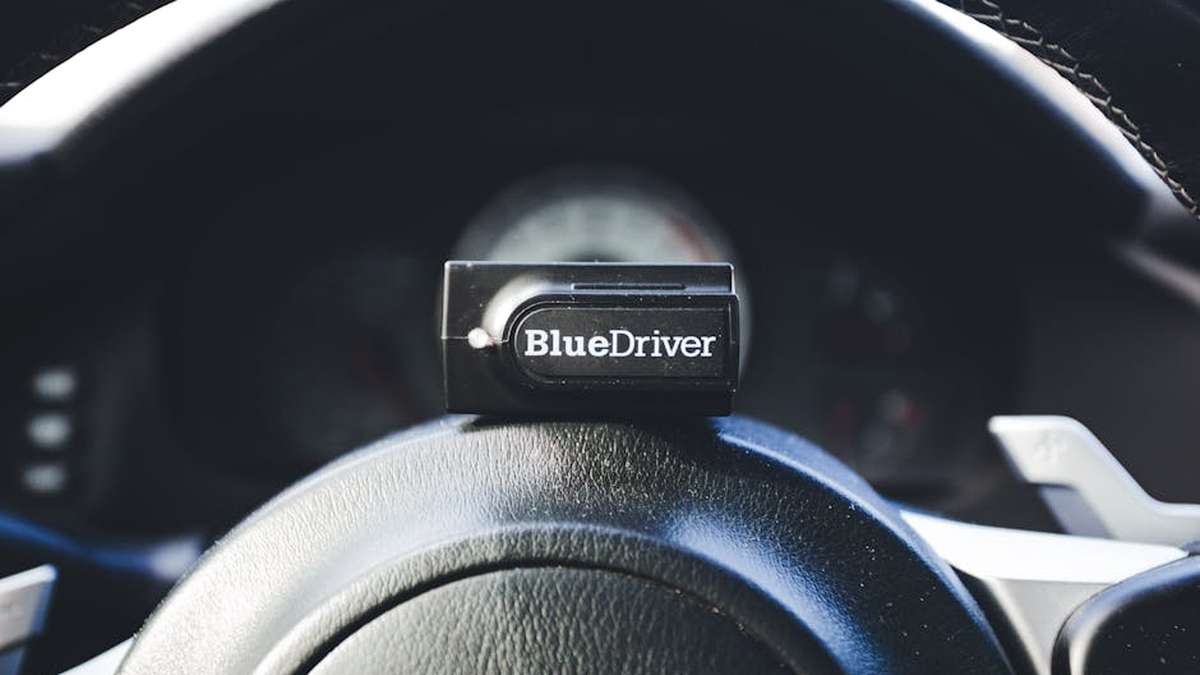
| BlueDriver LSB2 Bluetooth Professional OBDII Scan Tool | Bluetooth, extensive app database, freeze frame, live data, repair reports. | Tech-savvy DIYers wanting comprehensive data via smartphone. | $100 – $130 |
| Innova CarScan Advisor 6100p | Handheld, ABS/SRS diagnostics, battery & charging system test, DTC severity. | DIYers needing a dedicated handheld with enhanced system diagnostics. | $120 – $160 |
| ANCEL AD310 Classic Enhanced Universal OBD II Scanner | Read/clear codes, view freeze frame data, I/M readiness. | Budget-conscious users needing basic, reliable CEL diagnostics. | $30 – $50 |
| Autel MaxiAP AP200 Bluetooth OBD2 Scanner | Full OBD2, all system diagnostics (for one manufacturer), 19+ service functions. | Advanced DIYers or single-brand car owners seeking dealer-level functions. | $60 – $80 |
| FOXWELL NT301 OBD2 Scanner | Read/clear codes, live data, I/M readiness, built-in speaker. | Mid-range DIYers valuing a user-friendly handheld with good data display. | $60 – $80 |
| LAUNCH CRP123E OBD2 Scanner | 4-system diagnostics (Engine, ABS, SRS, Transmission), live data, 5-inch touchscreen. | Serious DIYers needing multi-system diagnostics beyond just engine codes. | $180 – $220 |
| TOPDON ArtiDiag500S OBD2 Scanner | 4-system diagnostics (ENG/ABS/SRS/TRAN), Full OBD2, Oil/EPB/SAS reset. | DIYers wanting a tablet-style interface with advanced features for common resets. | $160 – $200 |
Top OBD2 Scanners for DIY Check Engine Light Diagnostics
1. BlueDriver LSB2 Bluetooth Professional OBDII Scan Tool
- Key Features: Bluetooth connectivity with iOS/Android app, comprehensive repair reports, freeze frame data, live data streaming, smog check readiness, enhanced diagnostics (ABS, SRS, etc.) for many makes/models.
- Pros:
- Extremely user-friendly app interface.
- Extensive proprietary database provides probable causes and verified fixes.
- Offers enhanced diagnostics on par with some professional tools for its price.
- Continuous free app updates with new features and vehicle coverage.
- Cons:
- Requires a smartphone or tablet for operation.
- May not cover all advanced features for every specific vehicle manufacturer.
Best For: Tech-savvy DIYers who prefer using their smartphone or tablet for diagnostics and want access to a vast database of verified fixes and repair reports, making it an excellent all-around tool for serious home mechanics. Related: Best Front and Rear Dash Cams in USA (2026)
Price Range: The BlueDriver LSB2 typically falls in the $100 to $130 range, representing strong value for its advanced capabilities. Related: NOCO Boost Plus GB40 Review: Is This Portable Car Jump Starter Worth Your Money in 2024?
Call to Action: For up-to-date pricing and detailed customer reviews, consider checking the BlueDriver LSB2 on Amazon. Related: Most Sold Car Tech Essentials & Smart Driving Gadgets in USA (2026)
2. Innova CarScan Advisor 6100p
- Key Features: Dedicated handheld unit, read/clear codes (CEL, ABS, SRS), live data, battery & charging system test, oil light reset, DTC severity, Code Assist™ (pre-defined fixes).
- Pros:
- Easy-to-read, color display on a standalone unit.
- Provides critical ABS and SRS codes, extending diagnostic capabilities beyond just the engine.
- Built-in battery/charging system test is a convenient addition.
- Code Assist feature helps guide users toward potential solutions.
- Cons:
- Menu navigation can be slightly less intuitive than app-based systems for some users.
- Feature set is comprehensive but not as extensive as higher-end professional tools.
Best For: DIYers who prefer a dedicated, robust handheld device with a clear screen and a focus on essential engine, ABS, and SRS diagnostics, along with basic battery testing capabilities. Related: Best 4K AI Dash Cams with Smart Parking Mode in USA (2026)
Price Range: This scanner is generally available within the $120 to $160 bracket, positioning it as a capable mid-range option. Related: Garmin Dash Cam Mini 2 vs. Viofo A129 Pro Duo: Which Compact 4K Dash Cam Is Best for USA Drivers in 2024?
Call to Action: Explore current pricing and customer feedback for the Innova CarScan Advisor 6100p by visiting its product page on Amazon.
3. ANCEL AD310 Classic Enhanced Universal OBD II Scanner
- Key Features: Read/erase check engine light codes, view freeze frame data, I/M readiness status, plug-and-play operation, backlit LCD display.
- Pros:
- Extremely affordable and highly accessible.
- Simple, intuitive interface, ideal for beginners.
- Reliably reads and clears generic and manufacturer-specific diagnostic trouble codes (DTCs).
- No batteries required, powered directly by the vehicle’s OBD2 port.
- Cons:
- Limited features; primarily focused on engine code reading.
- No live data streaming or advanced system diagnostics.
Best For: Individuals new to DIY diagnostics or those seeking the absolute simplest and most cost-effective tool to quickly read and clear check engine lights without additional features.
Price Range: The ANCEL AD310 is one of the most budget-friendly options, typically priced between $30 and $50.
Call to Action: To view the most current pricing and purchasing options for the ANCEL AD310, check its availability on Amazon.
4. Autel MaxiAP AP200 Bluetooth OBD2 Scanner
- Key Features: Bluetooth dongle with comprehensive Autel app, full OBD2 functions, all system diagnostics (for one specific manufacturer free for life, additional brands purchasable), 19+ service functions (Oil Reset, EPB, SAS, etc.).
- Pros:
- Offers professional-grade system diagnostics for a single chosen vehicle make.
- Access to a wide array of service reset functions, usually found on much pricier tools.
- Compact dongle design, utilizing your smartphone/tablet for display.
- Intuitive Autel app with frequent updates.
- Cons:
- Requires in-app purchases for full access to multiple vehicle manufacturers’ advanced functions.
- App dependency might not suit users who prefer a dedicated handheld device.
Best For: Advanced DIYers or those primarily owning vehicles from a single manufacturer, desiring near dealer-level diagnostic and service reset capabilities through a modern smartphone interface.
Price Range: The Autel MaxiAP AP200 typically falls within the $60 to $80 range, offering exceptional value for its deep diagnostic capabilities.
Call to Action: Discover the latest deals and customer experiences for the Autel MaxiAP AP200 by visiting Amazon.
5. FOXWELL NT301 OBD2 Scanner
- Key Features: Read/clear codes, live data stream, I/M readiness, built-in speaker for audible feedback, DTC look-up library, freeze frame data, O2 sensor test, on-board monitor test.
- Pros:
- Offers comprehensive OBD2 functions beyond just code reading, including live data graphing.
- Clear color screen and well-organized menu structure.
- Durable construction designed for garage environments.
- Free lifetime updates for software, ensuring future compatibility.
- Cons:
- Does not perform advanced diagnostics for ABS, SRS, or transmission systems.
- The user interface, while functional, might not be as modern as some app-based solutions.
Best For: Mid-range DIYers who want a dedicated handheld tool with comprehensive engine diagnostics, including live data graphing and sensor tests, without needing multi-system coverage.
Price Range: This scanner is commonly found in the $60 to $80 price range, offering a good balance of features and affordability.
Call to Action: For current pricing and detailed product information on the FOXWELL NT301, we recommend checking Amazon.
6. LAUNCH CRP123E OBD2 Scanner
- Key Features: 5-inch touchscreen, 4-system diagnostics (Engine, ABS, SRS, Transmission), live data stream, automatic VIN scanning, auto-generated diagnostic report, Wi-Fi updates.
- Pros:
- Provides extensive diagnostics for four crucial vehicle systems, not just the engine.
- Android-based operating system with a responsive touchscreen.
- Supports one-click Wi-Fi updates for broad vehicle coverage and new features.
- Generates comprehensive diagnostic reports for easy sharing or record-keeping.
- Cons:
- Higher price point than basic code readers.
- While powerful, it doesn’t offer advanced bi-directional control functions.
Best For: Serious DIYers or aspiring professional technicians who require multi-system diagnostics (Engine, ABS, SRS, Transmission) in a user-friendly, touchscreen-based device.
Price Range: The LAUNCH CRP123E typically ranges from $180 to $220, reflecting its more advanced multi-system capabilities.
Call to Action: Find the latest pricing and availability for the LAUNCH CRP123E by exploring options on Amazon.
7. TOPDON ArtiDiag500S OBD2 Scanner
- Key Features: 5-inch touchscreen, 4-system diagnostics (Engine, ABS, SRS, Transmission), Full OBD2 functions, 3 common reset functions (Oil, EPB, SAS), Wi-Fi updates.
- Pros:
- Combines multi-system diagnostics with useful maintenance reset functions.
- Modern Android-based interface with a clear color touchscreen.
- Supports free Wi-Fi updates for improved vehicle compatibility and functionality.
- Good value for its feature set, bridging the gap between basic and professional tools.
- Cons:
- Reset functions are limited to three common types, not a full suite.
- Not designed for heavy-duty professional shop use, but excellent for DIY.
Best For: DIY enthusiasts seeking a tablet-style OBD2 scanner that not only reads 4-system codes but also offers essential maintenance resets for common tasks, all within a modern interface.
Price Range: The TOPDON ArtiDiag500S is generally found between $160 and $200, representing a strong contender in the mid-to-high DIY segment.
Call to Action: For up-to-date pricing and comprehensive product details, we recommend checking the TOPDON ArtiDiag500S on Amazon.
Buying Guide: Choosing the Right OBD2 Scanner for Your Needs
Selecting the ideal OBD2 scanner involves understanding your specific requirements and aligning them with the capabilities of available devices. Here’s what to consider for effective DIY diagnostics in the USA:
Understanding OBD2 Scanners
- What is OBD2? On-Board Diagnostics, second generation (OBD2), is a standardized system implemented in all vehicles sold in the USA since 1996. It monitors engine performance, emissions, and other key components, illuminating the Check Engine Light (CEL) when a fault is detected.
- Why do DIYers need one? An OBD2 scanner allows you to read the Diagnostic Trouble Codes (DTCs) that trigger the CEL, understand their meaning, clear codes after a repair, and monitor various sensor data. This capability can save significant diagnostic fees and enable proactive maintenance.
Key Features to Consider
- Code Reading & Clearing: All scanners can do this. Ensure it reads both generic (P0xxx) and manufacturer-specific (P1xxx, P2xxx, P3xxx) codes.
- Live Data Streaming: Essential for diagnosing intermittent problems. It displays real-time values from various sensors (e.g., O2 sensor, engine RPM, coolant temperature), allowing you to see how components perform during operation.
- I/M Readiness Status: Indication of whether your vehicle is ready for an emissions (smog) test, crucial for states like California.
- Freeze Frame Data: Captures critical sensor readings at the exact moment a fault code was set, providing valuable context for diagnosis.
- ABS/SRS Diagnostics: For more advanced users, scanners that can read and clear Anti-lock Braking System (ABS) and Supplemental Restraint System (SRS – airbags) codes are invaluable for comprehensive safety diagnostics.
- Transmission Diagnostics: Essential for identifying issues within the vehicle’s transmission system.
- Bi-directional Control: Found in higher-end tools, this allows the scanner to send commands to vehicle components (e.g., actuate fuel pump, cycle ABS solenoids) to test their functionality. While less common in DIY tools, it’s a powerful feature.
- Maintenance Resets: Features like Oil Light Reset, Electronic Parking Brake (EPB) release, Steering Angle Sensor (SAS) calibration, or Battery Management System (BMS) reset add significant utility for routine maintenance tasks.
- Software Updates: Critical for ensuring compatibility with newer vehicle models and addressing potential bugs. Look for scanners offering free, lifetime updates, especially for the 2026 context.
- User Interface: Consider if you prefer a dedicated handheld device, a tablet-style scanner, or a Bluetooth dongle that pairs with your smartphone. Evaluate screen size, button layout, and overall ease of navigation.
Compatibility and Future-Proofing (2026 Perspective)
Ensure the scanner is compatible with vehicles from 1996 onwards for the USA market. For future-proofing towards 2026, prioritize scanners that offer frequent software updates (preferably free) and robust vehicle coverage. Bluetooth or Wi-Fi enabled devices often provide easier update mechanisms.
Price vs. Features
Your budget will largely dictate the features available. Basic code readers are very affordable, while multi-system scanners with live data and service functions will cost more. Define your most frequent diagnostic needs to find the best balance.
Ease of Use
If you’re a beginner, a simple plug-and-play device or an app with an intuitive interface might be best. More experienced users might appreciate the depth of features in a more complex scanner.
Conclusion
The landscape of OBD2 scanners for DIY automotive diagnostics continues to evolve, offering increasingly sophisticated tools to the home mechanic. Whether you prioritize simplicity, comprehensive system coverage, or advanced service functions, a suitable scanner exists to meet your needs for 2026 and beyond.
Our curated list, ranging from the accessible ANCEL AD310 for basic code reading to the feature-rich LAUNCH CRP123E and Autel MaxiAP AP200 for deeper diagnostics, provides excellent options for any DIY enthusiast in the USA. By considering the factors outlined in our buying guide – especially live data, multi-system capabilities, and update frequency – you can confidently select a tool that empowers you to diagnose and address vehicle issues with precision and independence.
Invest in the right OBD2 scanner today, and gain the confidence and capability to keep your vehicle running optimally for years to come.
What features should a DIY mechanic prioritize in an OBD2 scanner for effective check engine light diagnostics without breaking the bank in 2026?
For DIY mechanics in 2026, prioritize scanners that offer reliable code reading (current, pending, historic), the ability to clear codes, and crucial “Mode 6” or enhanced readiness monitor status to check emission systems. Look for devices that provide basic live data streams (e.g., O2 sensor readings, coolant temp, engine RPM) as this helps in understanding engine conditions beyond just the code. While advanced features like ABS/SRS diagnostics are useful, for purely check engine light issues, focus on a robust core feature set with a clear, user-friendly interface and good vehicle compatibility, typically found in models priced between $50-$150 that offer excellent value.
Are there specific OBD2 scanner models or brands recommended for broad compatibility with American car brands and newer vehicle models (post-2020) in the USA by 2026?
By 2026, most quality universal OBD2 scanners from reputable brands like Autel, Foxwell, Launch, and BlueDriver will offer broad compatibility with American car brands (Ford, GM, Chrysler, Jeep, etc.) and newer post-2020 models, as they all adhere to the OBD2 standard. However, some scanners offer enhanced manufacturer-specific codes for certain brands, which can be a bonus. For newer vehicles, ensure the scanner supports the latest communication protocols (e.g., CAN, UDS) and offers regular firmware updates. Checking user reviews specifically mentioning newer American vehicles is always a good practice before purchasing.
As a DIYer, how difficult is it to interpret the diagnostic codes and live data from common OBD2 scanners, and are there models with user-friendly interfaces or smartphone integration that simplify the process?
Interpreting basic diagnostic trouble codes (DTCs) is generally straightforward, as most scanners provide a generic definition (e.g., P0301 = Cylinder 1 Misfire). However, understanding the context of live data can be more challenging for DIYers. Many modern OBD2 scanners, especially those with smartphone app integration (like BlueDriver or similar Bluetooth adapters), significantly simplify this by offering clearer explanations, potential causes, and even repair suggestions. Look for models with large, color screens, intuitive menu navigation, and built-in code definitions that go beyond just the generic text, often providing freeze frame data and specific vehicle information to aid in diagnosis.
Beyond reading/clearing codes, what advanced diagnostic features (e.g., live data, readiness monitors, battery tests) are genuinely useful for a DIYer troubleshooting check engine lights, and which scanners offer these best in 2026?
For a DIYer troubleshooting check engine lights in 2026, the most genuinely useful advanced features include: **Live Data Streaming** (to monitor sensor outputs in real-time and identify erratic readings), **Readiness Monitors** (to confirm emission system components are functional), and **Freeze Frame Data** (a snapshot of engine conditions when the fault occurred). Some scanners also offer **O2 Sensor Tests** and **EVAP System Tests**, which are invaluable for emission-related codes. Brands like Autel (e.g., MaxiCOM series), Foxwell (e.g., NT6xx series), and Launch (e.g., CReader series) offer excellent capabilities in these areas, often including graphing of live data for easier analysis, making them top contenders for DIYers seeking more in-depth diagnostics.
Related Products
- Best Front and Rear Dash Cams in USA (2026)
- RoadGuard Pro Elite Review: Is This Portable Jump Starter & Tire Inflator Combo the ULTIMATE Roadside Emergency Kit for USA Cars?
- Traditional Front & Rear Dash Cam vs. Mirror Dash Cam: Ultimate Daily Driver Safety & Recording for USA Roads
- CarlinKit 5.0 Wireless Adapter Review: The Daily CarPlay & Android Auto Upgrade USA Drivers Need in 2024
- Best Wireless Car Phone Chargers for Daily Commuters in USA (2026)