




Introduction: Navigating the Future of Automotive Self-Diagnosis
In 2026, vehicle diagnostics have evolved significantly beyond simple check engine light resets. Modern smart OBD2 scanners offer an unprecedented level of insight into your car’s health, combining advanced software with intuitive interfaces to empower both professional mechanics and savvy car owners. From pinpointing elusive electrical issues to optimizing performance parameters, the right OBD2 scanner is an indispensable tool. This guide dives deep into the top smart OBD2 scanners available in the USA, helping you select the perfect device for real-time data analysis, comprehensive system scans, and proactive maintenance in the coming years.
Comparison Table: Top Smart OBD2 Scanners (2026)
| Product Name | Key Features Summary | Best For | Price Range (Estimated 2026) |
|---|---|---|---|
| Autel MaxiCOM MK808S II | All Systems Diagnostics, Bi-directional Control, Service Functions, Cloud-based Reporting, Enhanced VCI | Professional Technicians, Advanced DIYers | $500 – $750 |
| Launch X431 Pro Mini IV | OE-Level Diagnostics, ECU Coding, Topology Mapping, Wireless Bluetooth VCI, Extensive Vehicle Coverage | Independent Garages, Automotive Enthusiasts | $800 – $1200 |
| Foxwell NT710 Elite | Full System Scan, Live Data Graphing, Special Functions, Free Lifetime Updates, User-Friendly Interface | DIY Mechanics, Small Repair Shops | $350 – $550 |
| Thinkcar ThinkDiag 3 | Professional Diagnostics via App, ECU Coding/Adaptations (optional), Bi-directional Control, Compact Dongle | Tech-Savvy DIYers, Mobile Mechanics | $150 – $300 (plus subscription) |
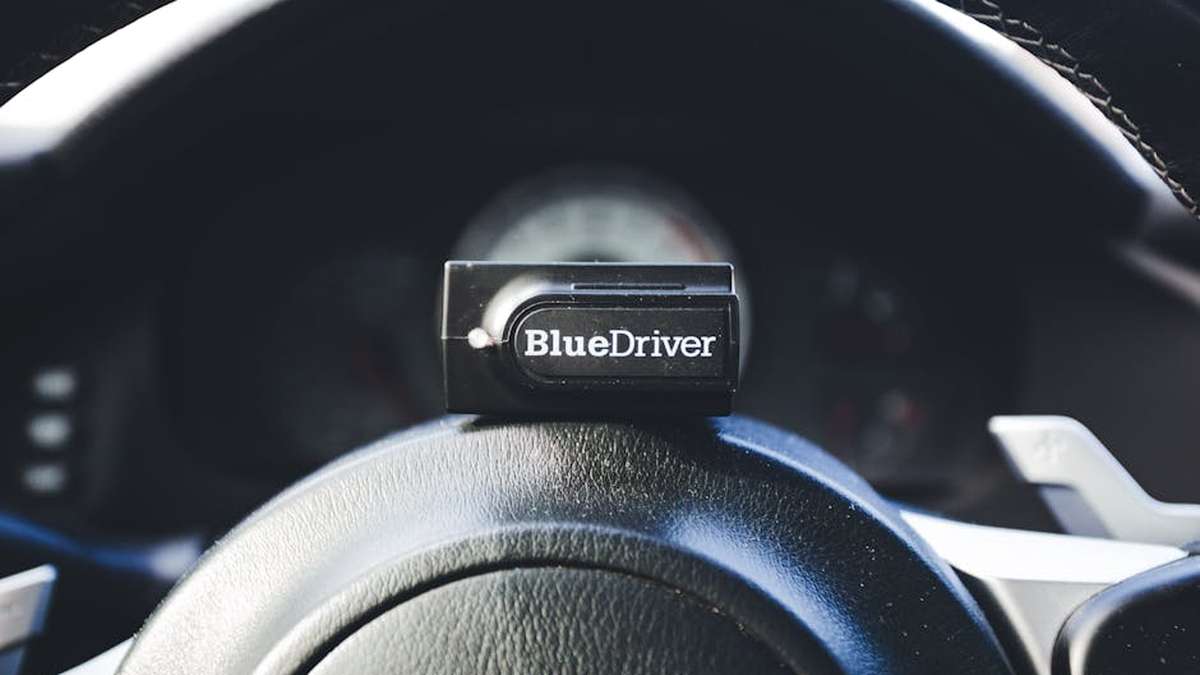
| BlueDriver LVS (Live Vehicle Scan) | Read/Clear Codes (Enhanced), Live Data, Repair Reports, Freeze Frame, Bluetooth Connectivity, Intuitive App | Everyday Drivers, Basic DIYers | $120 – $180 |
| OBDLink CX Pro | Fastest OBD Adapter, Advanced Protocols Support, Developer-Friendly API, Robust Data Logging, Superior App Compatibility | Advanced DIYers, Performance Tuners, Developers | $100 – $160 |
| Ancel BD500 Pro | Full OBD2 Functions, Battery Test, Oil Reset, ABS/SRS Diagnostics (limited), Color Screen, Affordable | Budget-Conscious DIYers, New Car Owners | $80 – $120 |
1. Autel MaxiCOM MK808S II
Key Features:
- Comprehensive All Systems Diagnostics (Engine, ABS, SRS, Transmission, TPMS, etc.)
- Bi-directional Control: Actuate components and perform active tests
- Extensive Service Functions: Oil Reset, EPB, BMS, SAS, DPF, IMMO, Throttle, Injector Coding, and more
- Smart AutoVIN technology for quick vehicle identification
- Cloud-based reporting and data management
- Enhanced VCI (Vehicle Communication Interface) for stable wireless communication
- One-year free software updates included
Pros:
- Exceptional diagnostic depth for a wide range of vehicles
- Intuitive Android-based interface with a responsive touchscreen
- Reliable bi-directional controls for advanced troubleshooting
- Excellent coverage for domestic, Asian, and European vehicles
- Solid build quality and durable design
Cons:
- Higher initial investment compared to entry-level scanners
- Annual software update fee after the first year can be a consideration
- May be overkill for basic code reading needs
Best For:
Professional automotive technicians, busy independent repair shops, and advanced DIY enthusiasts who require comprehensive diagnostic capabilities and bi-directional control for a variety of vehicles.
Price Range: $500 – $750
The Autel MaxiCOM MK808S II remains a benchmark for professional-grade diagnostics. Its ability to dive deep into every vehicle system and perform active tests makes it invaluable for accurate problem-solving. Consider this scanner if you demand precision and extensive functionality. Related: Most Sold Car Tech Essentials & Smart Driving Gadgets in USA (2026)
2. Launch X431 Pro Mini IV
Key Features:
- OE-Level Full System Diagnostics: Reads/clears codes, live data, freeze frame, active tests
- ECU Coding and Adaptations for advanced customization and component matching
- Topology Mapping: Visual representation of vehicle systems and their status
- Wireless Bluetooth VCI for flexible operation around the vehicle
- Extensive vehicle coverage (over 100 brands) with regular software updates
- Compact tablet design with a vibrant touchscreen display
- Advanced graphing and data logging capabilities
Pros:
- Unmatched diagnostic capabilities rivaling dealership tools
- ECU coding opens up possibilities for advanced vehicle customization
- User-friendly interface despite its advanced feature set
- Excellent value for its comprehensive professional functionality
- Strong community support and frequent updates
Cons:
- Premium price point may be prohibitive for casual users
- Some advanced functions might require a learning curve
- Annual software update subscription is necessary for continued access to latest features
Best For:
Independent automotive repair shops, experienced mechanics, and serious car enthusiasts who require professional, OE-level diagnostic and coding capabilities. Related: Best Front and Rear Dash Cams in USA (2026)
Price Range: $800 – $1200
The Launch X431 Pro Mini IV offers an incredible suite of professional features packed into a convenient form factor. For those who need dealership-level diagnostics and the power of ECU coding, this scanner represents a significant investment that pays dividends in accuracy and capability. Related: Best Portable Jump Starters in USA (2026) with Multifunction Power Bank Features
3. Foxwell NT710 Elite
Key Features:
- Full System Scan: Accesses engine, transmission, ABS, SRS, and other control modules
- Live Data Graphing: Visualize sensor data in real-time
- Comprehensive Special Functions: Oil reset, EPB service, SAS calibration, DPF regeneration, etc.
- Supports all 10 OBD2 test modes for complete engine diagnostics
- Ergonomic design with a crisp color screen
- Free lifetime software updates, ensuring compatibility with new vehicles
Pros:
- Excellent value with free lifetime updates for peace of mind
- User-friendly interface, easy to navigate for beginners and pros alike
- Good balance of full system diagnostics and essential service functions
- Robust build quality designed for workshop environments
- Reliable performance across a wide range of vehicle makes
Cons:
- Lacks advanced bi-directional control found in higher-end models
- Coverage for specific special functions might vary by vehicle manufacturer
- Screen size is smaller than tablet-style scanners
Best For:
DIY mechanics, small automotive repair shops, and technicians seeking a dependable full-system scanner with essential service functions and no recurring software fees. Related: Best OBD2 Scanners for DIY Check Engine Light Diagnostics in USA (2026)
Price Range: $350 – $550
The Foxwell NT710 Elite stands out for its impressive feature set combined with the invaluable benefit of free lifetime software updates. It’s a robust and reliable tool that offers significant diagnostic depth without breaking the bank, making it a smart choice for long-term use. Related: RoadGuard Pro Elite Review: Is This Portable Jump Starter & Tire Inflator Combo the ULTIMATE Roadside Emergency Kit for USA Cars?
4. Thinkcar ThinkDiag 3
Key Features:
- Professional Diagnostics via Smartphone/Tablet App: Full system code reading, live data
- Bi-directional Control: Perform active tests on various components
- Optional ECU Coding and Adaptations (via subscription for specific brands)
- Compact Bluetooth OBD2 dongle design, highly portable
- Supports over 115 vehicle manufacturers
- Access to various special functions (resets, calibrations)
Pros:
- Transforms your smartphone into a powerful diagnostic tool
- Highly portable and convenient for on-the-go diagnostics
- Access to professional features (bi-directional, coding) at a fraction of the cost of dedicated tools
- Intuitive app interface with frequent updates
- Affordable entry point, especially for the hardware
Cons:
- Relies entirely on a smartphone/tablet for operation
- Advanced functions like ECU coding often require additional subscriptions per vehicle brand
- Performance is dependent on the quality of your mobile device
Best For:
Tech-savvy DIYers, mobile mechanics, and those who want professional-level diagnostic capabilities in a highly portable and app-driven format.
Price Range: $150 – $300 (plus subscription for advanced features)
The Thinkcar ThinkDiag 3 offers an innovative approach to professional diagnostics, leveraging the power and convenience of your smartphone. It’s an excellent choice for users who appreciate flexibility and want access to advanced functions without committing to a bulky dedicated scanner.
5. BlueDriver LVS (Live Vehicle Scan)
Key Features:
- Reads and Clears “Enhanced” Codes (Manufacturer-specific codes beyond generic OBD2)
- Live Data Streaming and Graphing on your smartphone/tablet
- Generate comprehensive Repair Reports based on specific vehicle DTCs
- Freeze Frame Data, Mode 6, Smog Check readiness
- Simple Bluetooth connectivity to iOS and Android devices
- No wires, compact design
Pros:
- Extremely easy to use for all skill levels
- Reliable and consistent performance
- Comprehensive repair reports are incredibly helpful for diagnosis
- Free app and no subscription fees for core features
- Excellent customer support and frequent app updates
Cons:
- Does not offer bi-directional control or advanced service functions
- Relies on a smartphone/tablet for all operations
- Limited to reading data, not altering vehicle systems
Best For:
Everyday car owners, basic DIYers, and anyone who wants a reliable and user-friendly tool for understanding check engine lights and basic vehicle health.
Price Range: $120 – $180
The BlueDriver LVS continues to be a top choice for its simplicity, reliability, and powerful repair reports. If you’re looking for an easy-to-use device to understand why your check engine light is on and get actionable repair suggestions, the BlueDriver is an outstanding option.
6. OBDLink CX Pro
Key Features:
- Extremely Fast OBD Adapter: Rapid data acquisition and smooth graphing
- Supports all OBD-II protocols, including CAN FD and Single-Wire CAN (SWCAN)
- Developer-Friendly API for custom applications
- Robust data logging capabilities with long-term monitoring
- Superior App Compatibility with a wide range of third-party apps (Torque Pro, DashCommand, etc.)
- Advanced security features to prevent unauthorized access
- Over-the-air firmware updates
Pros:
- Unmatched speed and data refresh rates
- Highly reliable Bluetooth connection
- Versatile, supporting a multitude of diagnostic and performance apps
- Ideal for performance tuning and detailed data analysis
- Small, discreet, and won’t drain your car’s battery when left plugged in
Cons:
- Requires a separate app (free or paid) for full functionality
- Does not include an integrated screen or standalone features
- Primarily focused on data acquisition, not professional service functions
Best For:
Advanced DIYers, performance tuners, developers, and anyone who wants the fastest and most versatile OBD2 adapter for use with various third-party apps.
Price Range: $100 – $160
The OBDLink CX Pro sets the standard for Bluetooth OBD2 adapters, delivering lightning-fast data and broad compatibility. If you already have favorite apps or plan to explore various advanced diagnostic and performance monitoring tools, this adapter is the ultimate companion.
7. Ancel BD500 Pro
Key Features:
- Full OBD2 Functions: Read/clear codes, live data, freeze frame, I/M readiness, O2 sensor test, etc.
- Battery Test Function: Checks battery health and cranking performance
- Basic Service Functions: Oil light reset, EPB reset, limited ABS/SRS diagnostics
- Color LCD display for clear data visualization
- Multilingual menu support
- One-click readiness test for quick emissions checks
Pros:
- Highly affordable for a feature-rich handheld scanner
- Easy to use with dedicated buttons and clear menu structure
- Adds value with battery testing and basic service functions
- No subscriptions or reliance on a smartphone
- Good build quality for its price point
Cons:
- Limited advanced diagnostic depth compared to higher-end models
- Screen size is relatively small
- Does not offer bi-directional control or extensive special functions
Best For:
Budget-conscious DIYers, new car owners, and anyone looking for a reliable, standalone OBD2 scanner with some added diagnostic and maintenance capabilities.
Price Range: $80 – $120
The Ancel BD500 Pro proves that you don’t need to spend a fortune to get a capable OBD2 scanner. It’s an excellent entry-level device that offers more than just basic code reading, providing a solid foundation for understanding and maintaining your vehicle.
Buying Guide: Choosing Your Smart OBD2 Scanner in 2026
With the rapid advancements in automotive technology, selecting the right OBD2 scanner can be daunting. Here’s what to consider to ensure you pick a device that meets your needs for years to come:
1. Diagnostic Depth & System Coverage
- Basic OBD2: Reads and clears generic engine codes (P0 codes) from the Powertrain Control Module (PCM). Essential for checking engine lights.
- Enhanced OBD2: Includes manufacturer-specific codes (P1, P2, P3 codes) and often allows access to other modules like ABS, SRS, Transmission.
- Full System Diagnostics: The gold standard. Reads and clears codes, displays live data, and performs tests on ALL available vehicle systems (Engine, ABS, Airbag, Transmission, TPMS, HVAC, Body Control Modules, etc.). Professionals will need this level.
2. Bi-directional Control & Special Functions
- Bi-directional Control: Allows the scanner to send commands to a vehicle’s modules, activating components (e.g., fuel pump, ABS pump motor) or performing tests (e.g., injector kill test). Crucial for advanced troubleshooting.
- Special Functions: Pre-programmed routines for common maintenance tasks like oil light resets, electronic parking brake (EPB) releases, steering angle sensor (SAS) calibration, battery registration (BMS), DPF regeneration, and IMMO (immobilizer) functions.
- ECU Coding/Adaptations: Allows changing parameters in the vehicle’s computer or matching new components to the ECU. This is typically reserved for advanced professional tools.
3. User Interface & Portability
- Handheld vs. Dongle/App-based: Handheld scanners are standalone units with their own screens. Dongle-based scanners connect via Bluetooth to your smartphone/tablet, using an app for display and control. Consider your preference for a dedicated device versus using your existing mobile device.
- Screen Size & Clarity: A larger, high-resolution color screen makes data easier to read and graphs easier to interpret.
- Ease of Use: Look for intuitive menus, logical button layouts, and clear instructions.
4. Vehicle Coverage & Software Updates
- Make & Model Coverage: Ensure the scanner supports the specific makes and models of vehicles you intend to work on. Some scanners excel with certain brands.
- Update Policy: Software updates are vital for new vehicle compatibility and bug fixes. Check if updates are free for life, free for a period (e.g., 1-2 years), or require an annual subscription. This can significantly impact long-term cost.
5. Connectivity & Speed
- Wired vs. Wireless: Wired connections are typically faster and more stable, but wireless (Bluetooth/Wi-Fi) offers more freedom of movement. Modern wireless VCIs are very reliable.
- Data Refresh Rate: For diagnosing intermittent issues or performance tuning, a high data refresh rate is critical for smooth live data graphing.
6. Price & Budget
- OBD2 scanners range from under $100 for basic code readers to several thousand dollars for professional, OE-level tools. Define your budget based on your diagnostic needs and skill level. Remember to factor in potential subscription costs for software updates or advanced features.
Conclusion
The landscape of smart OBD2 scanners in 2026 offers an impressive array of tools, each designed to meet specific diagnostic needs. Whether you’re a professional technician requiring OE-level bi-directional control and ECU coding, an advanced DIYer seeking comprehensive system scans, or a casual car owner wanting to understand that persistent check engine light, there’s a perfect scanner for you. By carefully considering the diagnostic depth, special functions, user interface, and long-term costs like software updates, you can confidently select a tool that will empower you with real-time vehicle intelligence and contribute to proactive vehicle maintenance for years to come. Invest wisely, and keep your vehicle running smoothly.
What makes a smart OBD2 scanner stand out for real-time vehicle diagnostics, and what specific data can it monitor?
A smart OBD2 scanner excels in real-time diagnostics by offering more than just static fault codes. It connects to your vehicle’s ECU to display live sensor data such as engine RPM, coolant temperature, fuel system status, O2 sensor readings, vehicle speed, and more, as they happen. Advanced models for 2026 often feature customizable dashboards, graphing capabilities, and even predictive analytics, allowing users to observe system performance trends, identify intermittent issues, and pinpoint the root cause of problems before they escalate. This real-time stream is crucial for diagnosing issues like misfires, sensor malfunctions, or fuel delivery problems that might not always trigger a static “check engine” light.
How do I ensure a smart OBD2 scanner purchased in 2026 will be compatible with current and future US vehicle models?
To ensure future compatibility for vehicles in the USA, look for scanners that support all five standard OBD2 protocols (PWM, VPW, ISO 9141-2, KWP2000, and CAN), with CAN being the most prevalent in newer vehicles. For 2026 and beyond, also consider models that offer frequent software/firmware updates, as these often include expanded vehicle databases and support for newer diagnostic parameters. Wireless connectivity (Bluetooth/Wi-Fi) for smartphone integration is also key, as it allows for app-based updates and features. Some premium scanners are even beginning to incorporate support for newer vehicle architectures or brand-specific enhancements that go beyond generic OBD2, offering a more future-proof investment.
What advanced features in 2026’s top smart OBD2 scanners justify their cost for enthusiasts and professionals?
Beyond basic code reading and live data, top smart OBD2 scanners for 2026 offer advanced features like bi-directional control (allowing you to send commands to vehicle components), coding and adaptation capabilities (for modifying vehicle settings), active tests, and service reset functions (oil light, EPB, SAS, BMS, etc.). Many also include robust data logging for extended diagnostics, VIN auto-detection, pre-scan and post-scan reports, and access to an extensive repair database or community forums. These features drastically enhance diagnostic capabilities, saving significant time and money on dealership visits, making them a worthwhile investment for serious DIYers and professional technicians.
How user-friendly are the interfaces of the best smart OBD2 scanners for monitoring real-time diagnostics?
The best smart OBD2 scanners prioritize user-friendliness, even with their advanced capabilities. They typically feature intuitive graphical interfaces with color screens, often touch-enabled, allowing for easy navigation. Real-time data is usually presented in clear, customizable formats, including digital gauges, graphs, and numerical lists, making it simple to visualize engine performance. Many also offer smartphone app integration via Bluetooth or Wi-Fi, providing a familiar and often more flexible user experience with larger screens and easier sharing of diagnostic reports. Look for scanners that offer guided diagnostics, on-screen definitions for codes, and one-click functionality for common tasks to maximize ease of use.
Related Products
- Best Portable Jump Starters in USA (2026) with Multifunction Power Bank Features
- Best AI-Powered Dash Cams in USA (2026) for Ultimate Road Protection
- NOCO Boost X GBX45 Review: Why This Portable Jump Starter Is America’s Top-Selling Winter Car Essential
- Top-Rated Winter Automotive Safety Gadgets & Emergency Tools in USA (2026)
- NOCO Boost Plus GB40 vs. Audew 2000A: Choosing the Best Portable Car Jump Starter for Harsh USA Winters