


Introduction: Elevating Your Audio Experience in 2026
In the rapidly evolving landscape of digital content creation, superior audio quality is no longer a luxury but a fundamental necessity. For streamers, podcasters, and content creators across the USA, an XLR microphone offers unparalleled sound fidelity, robust connectivity, and greater control compared to its USB counterparts. As we look ahead to 2026, the demand for broadcast-quality sound continues to grow, pushing manufacturers to innovate with clearer capsules, better noise rejection, and more user-friendly features.
This comprehensive guide delves into the top XLR microphones engineered to deliver crystal-clear audio, enhance your production value, and captivate your audience. We’ve analyzed the market to bring you a selection of microphones that stand out for their performance, durability, and suitability for the diverse needs of modern content creators, ensuring your voice is heard with the clarity it deserves.
Comparison Table: Top XLR Microphones for 2026
| Product Name | Key Feature Highlight | Price Range (Approx. USD) | Best For |
|---|---|---|---|
| Shure SM7B | Industry-standard broadcast sound with excellent noise rejection. | $400 – $450 | Professional Podcasters, Broadcasters, Vocalists in untreated rooms. |
| Electro-Voice RE20 | “Variable-D” design minimizes proximity effect for consistent tone. | $450 – $500 | Radio Hosts, Deep Vocalists, Instrument Recording. |
| Rode Procaster | Broadcast-quality dynamic mic with strong off-axis rejection. | $230 – $280 | Dedicated Podcasters, Streamers seeking a rich vocal tone. |
| Shure MV7 | Hybrid XLR/USB with Auto Level Mode and Voice Isolation Technology. | $250 – $300 | Streamers, Gamers, Podcasters needing versatile connectivity. |
| Rode NT1 (5th Gen) | Ultra-low noise condenser with dual XLR/USB-C 32-bit float output. | $270 – $320 | Studio Podcasters, Vocalists, Detailed Voice-overs in treated spaces. |
| Audio-Technica AT2020 (XLR) | Exceptional value condenser for clear, crisp audio. | $100 – $150 | Beginner Podcasters, Home Studio Users, Budget-conscious creators. |
| beyerdynamic M 70 PRO X | Dynamic broadcast mic optimized for natural speech reproduction. | $270 – $320 | Professional Streamers, Voice-over Artists, Clean vocal presence. |
1. Shure SM7B
- Key Features:
- Flat, wide-range frequency response for clean, natural reproduction.
- Bass rolloff and mid-range emphasis (presence boost) controls for tailored sound.
- Excellent shielding against electromagnetic hum from computer monitors and other equipment.
- Internal “air suspension” shock isolation and highly effective pop filter.
- Pros:
- Legendary broadcast-quality sound, incredibly smooth and warm.
- Exceptional off-axis rejection, effectively minimizing room noise and keyboard clicks.
- Durable construction, built to withstand demanding use for years.
- Versatile for a wide range of vocal types, speech, and even singing.
- Cons:
- Requires a high-gain audio interface or inline preamp (e.g., Cloudlifter) for optimal performance.
- Higher initial price point compared to many other options.
- Can be perceived as “dark” by some users without specific EQ adjustments.
- Best For: Professional podcasters, radio broadcasters, streamers in less-than-ideal acoustic environments, and vocalists seeking a polished, studio-grade sound. Its robust noise rejection makes it excellent for gaming streams.
- Price Range: Approximately $400 – $450 USD.
The Shure SM7B remains a gold standard for a reason. If your budget allows for this mic and a suitable preamp, it’s an investment that will elevate your audio to a professional level. Check Current Price Related: Best Handheld Gaming PCs in USA (2026)
2. Electro-Voice RE20
- Key Features:
- “Variable-D” design minimizes proximity effect, ensuring consistent tonal balance regardless of distance.
- Large diaphragm dynamic element for crisp, clean highs and tight lows.
- Internal pop filter reduces plosives.
- Humbucking coil guards against line hum.
- Pros:
- Delivers a natural and uncolored sound, often described as transparent and articulate.
- Excellent at rejecting off-axis noise and room ambiance, similar to the SM7B.
- Less sensitive to vocal distance than many microphones, offering speaking flexibility.
- Robust and reliable build quality, an industry workhorse.
- Cons:
- Premium price tag places it at the higher end of the market.
- Large physical size might be cumbersome for some smaller desk setups.
- Also benefits from a good quality preamp, though typically less gain-hungry than the SM7B.
- Best For: Radio personalities, deep vocalists, brass instruments, and anyone who desires a clean, consistent, and full-bodied sound without the proximity effect issues. Great for a professional studio feel.
- Price Range: Approximately $450 – $500 USD.
The Electro-Voice RE20 is a broadcast legend known for its pristine clarity and consistent performance. Consider it for a truly professional audio setup. Check Current Price Related: Best 4K 144Hz Gaming Monitors for PC in USA (2026)
3. Rode Procaster
- Key Features:
- Broadcast quality dynamic capsule for rich, clear vocal reproduction.
- Tight cardioid polar pattern for superior off-axis sound rejection.
- Internal pop filter to minimize plosives and breath noises.
- Robust all-metal construction for exceptional durability.
- Pros:
- Excellent vocal presence and warmth, ideal for speech-centric content.
- Highly effective at isolating the speaker from background noise.
- Doesn’t demand as much gain as some other broadcast dynamics, making it easier to drive.
- Built to withstand years of regular use, a solid investment.
- Cons:
- Can sound a bit bass-heavy for some voices without EQ adjustments.
- Fixed frequency response, no onboard switches like the Shure SM7B.
- A sturdy desk arm is recommended due to its solid weight.
- Best For: Dedicated podcasters, streamers, and voice-over artists seeking broadcast-quality audio with strong noise rejection at a competitive price point. Ideal for setups where ambient noise is a concern.
- Price Range: Approximately $230 – $280 USD.
Offering a compelling alternative to higher-priced broadcast mics, the Rode Procaster delivers exceptional performance for its cost. Check Current Price Related: Best Wireless Gaming Headsets for PC & PS5 in USA (2026)
4. Shure MV7
- Key Features:
- Hybrid USB/XLR outputs for versatile connectivity to computers and audio interfaces.
- Auto Level Mode dynamically adjusts gain for consistent output, simplifying setup.
- Voice Isolation Technology focuses on your voice and rejects ambient noise.
- Customizable sound signature and monitoring via Shure MOTIV app.
- Pros:
- Exceptional convenience with dual connectivity options.
- High-quality sound with a clear, present vocal tone, reminiscent of the SM7B.
- Software control offers great flexibility for sound shaping and processing.
- Integrated headphone monitoring for zero-latency playback.
- Cons:
- While good, the XLR sound isn’t quite on par with its more expensive sibling, the SM7B.
- USB connection can introduce limitations for advanced multi-mic setups.
- Build quality is solid but not as rugged as professional broadcast dynamics.
- Best For: Streamers, gamers, and podcasters who need both the flexibility of USB for quick plug-and-play and the quality of XLR for more serious production, especially in less-than-perfect acoustic environments.
- Price Range: Approximately $250 – $300 USD.
The Shure MV7 is an excellent choice for creators seeking the best of both worlds – premium audio quality with modern connectivity. Check Current Price Related: Best Wireless Mechanical Gaming Keyboards (Under $150) in USA (2026)
5. Rode NT1 (5th Generation)
- Key Features:
- RØDE’s HF6 1-inch true condenser capsule for extremely low self-noise.
- Dual Connect output for XLR and USB-C connectivity with 32-bit float digital output.
- Onboard DSP for advanced audio processing via RØDE Connect/Central apps.
- Exceptional SPL handling (up to 142 dB), suitable for loud sources.
- Pros:
- Incredibly detailed, clear, and uncolored sound reproduction.
- One of the quietest studio microphones in the world, ideal for critical recording.
- 32-bit float recording via USB-C eliminates clipping issues, offering immense headroom.
- Robust build quality, backed by RØDE’s industry-leading warranty.
- Cons:
- As a condenser, it will pick up more room ambiance than dynamic microphones, requiring a more treated space.
- The inherent brightness can be intense for some voices, potentially requiring EQ.
- More sensitive to plosives without a good pop filter and proper mic technique.
- Best For: Podcasters and streamers with acoustically treated rooms, vocalists, musicians, and voice-over artists who prioritize extreme clarity, detail, and a wide dynamic range. Excellent for detailed narrative work.
- Price Range: Approximately $270 – $320 USD.
For pristine studio-quality audio with modern features, the Rode NT1 5th Gen is a standout condenser microphone. Check Current Price
6. Audio-Technica AT2020 (XLR)
- Key Features:
- Custom-engineered low-mass diaphragm for extended frequency response and superior transient response.
- Cardioid polar pattern reduces pickup of sounds from the sides and rear, focusing on the source.
- Robust construction for reliable performance in various settings.
- High SPL handling for a condenser, suitable for various sources.
- Pros:
- Outstanding sound quality for its price point, offering clear and crisp audio.
- Great entry-level condenser for home studios and aspiring content creators.
- Durable and built to last, providing excellent value.
- Works well on a variety of voices and acoustic instruments.
- Cons:
- Picks up more background noise due to its condenser nature; best used in quiet environments.
- Lacks advanced features like pad switches or high-pass filters.
- Can sometimes sound a bit thin or sibilant on certain voices without EQ.
- Best For: Budget-conscious podcasters, aspiring streamers, home studio enthusiasts, and anyone looking for a reliable, high-quality XLR condenser microphone without breaking the bank. Ideal for clean voice work in a quiet setting.
- Price Range: Approximately $100 – $150 USD.
The AT2020 remains a top recommendation for its incredible value and professional-grade sound at an accessible price. Check Current Price
7. beyerdynamic M 70 PRO X
- Key Features:
- Dynamic capsule specifically optimized for natural, clear speech reproduction.
- Cardioid polar pattern for effective background noise suppression.
- Integrated shock mount to reduce handling noise and desk thumps.
- Modern, robust design and high-quality materials for professional use.
- Pros:
- Delivers a very present and articulate vocal sound, ideal for streaming and podcasting.
- Excellent plosive protection and low susceptibility to pop noises.
- Good off-axis rejection, helping to isolate your voice from ambient sounds.
- Comfortable to speak into with its optimized form factor.
- Cons:
- Requires an audio interface with decent gain, similar to other dynamic mics.
- Less commonly known than some Shure or Rode models, potentially fewer user reviews available.
- May not have the same “warmth” or low-end fullness as an SM7B for certain vocal styles.
- Best For: Professional streamers, podcasters, and voice-over artists who want a microphone that offers exceptional speech clarity and presence, especially in live streaming environments where clear communication is paramount.
- Price Range: Approximately $270 – $320 USD.
The beyerdynamic M 70 PRO X is an emerging favorite for its specialized vocal clarity, a strong contender for serious content creators. Check Current Price
Buying Guide: Choosing the Right XLR Microphone
Selecting the ideal XLR microphone involves understanding several key factors to match your specific needs and environment. Consider these points before making your final decision:
- Dynamic vs. Condenser Microphones:
- Dynamic Mics: Generally more robust, better at rejecting background noise, and handle high sound pressure levels well. Ideal for untreated rooms, live streaming, or aggressive vocals. They typically require more gain from your audio interface. (e.g., Shure SM7B, Rode Procaster)
- Condenser Mics: More sensitive, offer a wider frequency response and greater detail, capturing subtle nuances. Best suited for acoustically treated rooms, studio recording, and capturing delicate vocals or instruments. They require phantom power from your audio interface. (e.g., Rode NT1, AT2020)
- Polar Patterns: This describes how a microphone picks up sound from different directions.
- Cardioid: Most common for streaming/podcasting, picks up sound primarily from the front, rejecting much from the sides and rear. Excellent for single-person setups and minimizing room noise. All microphones on this list are cardioid.
- Other patterns (Omnidirectional, Bidirectional) exist but are typically less common for dedicated solo streaming/podcasting setups.
- Frequency Response:
- Refers to the range of frequencies (low to high) a microphone can capture. A wider, flatter response generally indicates a more accurate sound. For speech, a focus on the mid-range is crucial, but extended lows and highs can add richness and air.
- Connectivity & Audio Interface:
- XLR microphones require an audio interface (e.g., Focusrite Scarlett, Universal Audio Volt, PreSonus Studio 24c) to connect to your computer. This interface converts the analog signal to digital, provides necessary phantom power (for condensers), and often has preamps to boost the microphone’s signal.
- Consider an interface with sufficient clean gain for dynamic mics like the Shure SM7B, or consider an inline preamp (like a Cloudlifter or FetHead) to boost the signal.
- Room Acoustics:
- This is often overlooked but profoundly impacts audio quality. A room with hard, reflective surfaces will cause echoes and reverberation. Dynamic mics are generally more forgiving in untreated rooms. Condenser mics truly shine in acoustically treated environments, as their sensitivity will pick up more of the room sound.
- Budget and Future-Proofing:
- Invest in the best microphone you can comfortably afford, as it often has the most significant impact on your sound quality. Consider if the microphone can grow with your needs as your content production evolves, potentially saving money in the long run.
- Essential Accessories:
- Pop Filter: Crucial for reducing harsh “p” and “b” sounds (plosives). Many broadcast mics have internal filters, but an external one provides extra protection.
- Shock Mount: Isolates the microphone from vibrations and handling noise (e.g., desk bumps, keyboard typing).
- Mic Stand/Boom Arm: A sturdy stand or boom arm is essential for optimal mic positioning and stability, keeping the mic close to your mouth.
- XLR Cable: High-quality, balanced XLR cables reduce noise interference and ensure a clean signal path.
Conclusion
The journey to impeccable audio for your streaming and podcasting endeavors starts with the right XLR microphone. The models highlighted in this guide for 2026 represent the pinnacle of audio engineering, offering a diverse range of features, characteristics, and price points to suit every content creator. Whether you’re seeking the broadcast-grade warmth and noise rejection of a Shure SM7B, the pristine clarity and versatility of a Rode NT1 5th Gen, or the convenient hybrid approach of a Shure MV7, there’s an option that will undeniably elevate your voice and captivate your audience.
Remember that the best microphone is ultimately the one that complements your voice, your specific environment, and your unique production style. By carefully considering the nuances of dynamic vs. condenser microphones, understanding polar patterns, and acknowledging the crucial role of an audio interface and room acoustics, you are well-equipped to make an informed decision. Invest wisely in your sound, and watch as your content resonates more powerfully with your audience, setting you apart in the competitive digital landscape.
Which XLR microphone offers the best blend of sound quality and value for streaming and podcasting in 2026, with a budget around $200-$400?
For content creators in 2026 seeking excellent audio within a $200-$400 budget, the Rode Procaster and Shure MV7X (XLR-only version of the MV7) are strong contenders. The Rode Procaster is a broadcast-quality dynamic microphone known for its rich, warm vocal tone and excellent background noise rejection, making it ideal for untreated rooms. The Shure MV7X provides the classic Shure vocal sound, optimized for speech, and offers great clarity. Both offer durable builds and professional sound, ensuring your investment remains relevant for years to come.
As a beginner streamer or podcaster in the USA, what’s the most user-friendly XLR microphone setup for achieving professional sound in 2026, without requiring advanced audio knowledge?
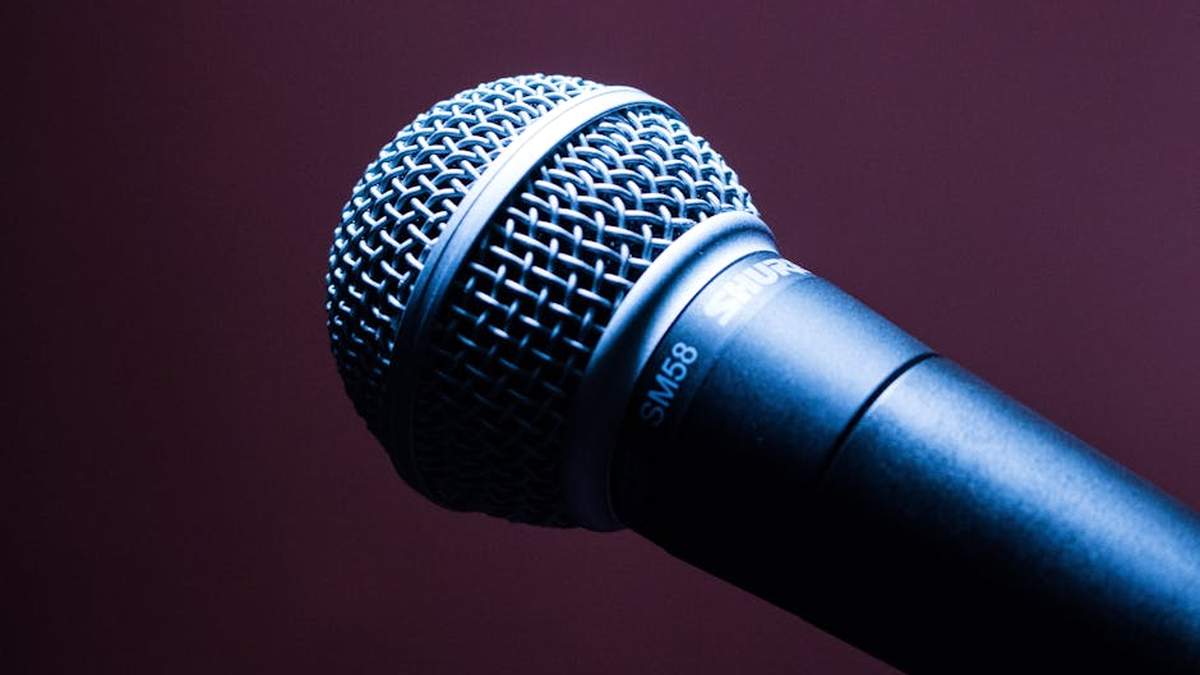
For beginners aiming for professional audio without complex setups, a dynamic XLR microphone combined with a simple, high-quality audio interface is key. Consider microphones like the Rode PodMic or the Shure SM58 (a versatile workhorse). These dynamic mics are forgiving in less-than-ideal acoustic environments and are less prone to picking up room noise. Pair one with an intuitive 1- or 2-channel audio interface like the Focusrite Scarlett Solo or PreSonus AudioBox GO. This combination provides robust, clear audio with minimal fuss, letting you focus on your content.
I’m upgrading my home studio in 2026 for a multi-person podcast and live streaming; what XLR microphones excel at noise cancellation and vocal clarity in a shared space?
For multi-person setups in 2026 requiring excellent noise cancellation and vocal clarity in shared spaces, dynamic microphones are highly recommended. Iconic choices like the Shure SM7B or Electro-Voice RE20 are industry standards for a reason. Their superior off-axis rejection means they primarily capture the speaker directly in front of them, significantly minimizing bleed from other speakers or ambient room noise. This focus ensures each voice is isolated and clear, providing a professional sound even in a less-than-perfect acoustic environment. You’ll need one mic per person and a multi-channel audio interface.
What essential XLR microphone accessories should I prioritize for optimal streaming and podcasting performance in 2026, and are there any highly recommended brands?
To unlock the full potential of your XLR microphone in 2026, several accessories are crucial. Firstly, a high-quality audio interface (e.g., Focusrite, Universal Audio, SSL) is non-negotiable, converting the analog XLR signal to digital. A pop filter (e.g., Stedman, Rode) is vital to eliminate harsh plosive sounds. A shock mount helps isolate the mic from vibrations (often brand-specific or universal like Rode’s PSM1). A sturdy boom arm or desk stand (e.g., Rode PSA1+, Blue Compass) offers flexible positioning. Finally, invest in reliable XLR cables from brands like Mogami or Canare for signal integrity. These accessories significantly improve sound quality and user experience.