




Disclaimer: This review contains affiliate links. We may earn a commission from purchases made through these links at no extra cost to you. Our analysis remains objective and uninfluenced.
Introduction
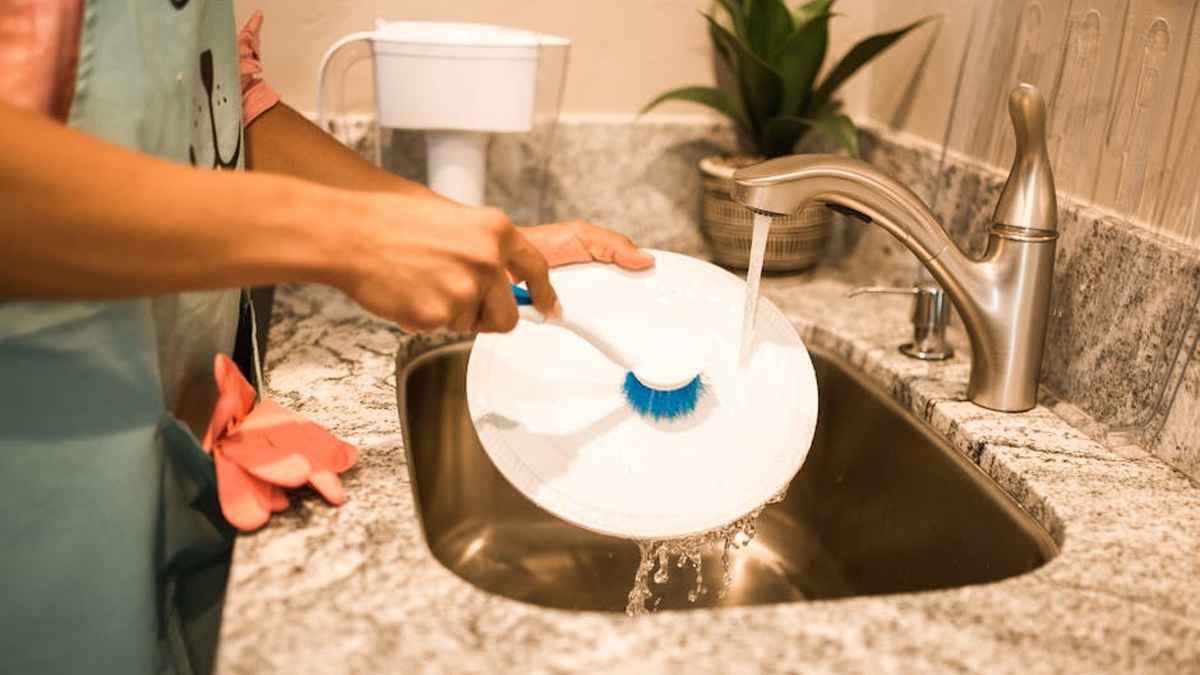
In an era where environmental consciousness increasingly shapes consumer choices, the mundane act of washing dishes has become another frontier for sustainable living. Traditional plastic dish brushes, while effective, contribute to plastic waste streams that impact landfills and oceans globally. This has fueled a growing demand for eco-friendly alternatives. Among the contenders vying for a place in your USA kitchen, the EcoRoots Dish Brush emerges as a prominent option, promising both efficacy and environmental responsibility. This comprehensive review aims to dissect its performance, design, and overall value proposition, helping you determine if it’s the right sustainable scrubber for your household needs.
Product Overview
The EcoRoots Dish Brush is designed as a direct, environmentally conscious replacement for conventional plastic dish scrubbers. At its core, it embodies a commitment to natural materials. The handle is typically crafted from sustainably sourced bamboo, a rapidly renewable resource known for its durability and aesthetic appeal. The bristles, the working end of the brush, are commonly made from plant-based fibers such as sisal or tampico, which are biodegradable and effective at tackling food residue. This design prioritizes a minimalist, natural aesthetic that often complements modern kitchen decor, moving beyond purely functional design to offer an item that is both practical and visually appealing. Its construction targets the average American household seeking to reduce its environmental footprint without compromising on cleaning performance.
Related: Best Eco-Friendly Concentrated Cleaners for a Sparkling USA Home (2026)
Key Features
- Sustainable Material Construction: Primarily features a bamboo handle and plant-based bristles (often sisal or tampico), ensuring the product is predominantly biodegradable at the end of its life cycle.
- Ergonomic Design: The handle is typically shaped to provide a comfortable and secure grip, minimizing hand fatigue during extended cleaning sessions.
- Effective Bristle Stiffness: The natural fibers are chosen for their ability to effectively scrub away food particles from various dishware surfaces without causing damage, including cast iron, ceramic, and glass.
- Non-Scratch Performance: While firm enough to clean, the natural bristles are generally gentle enough to be suitable for most non-stick cookware, though discretion and testing are always advised.
- Natural Aesthetic: Its earthy tones and organic materials offer a clean, rustic look that integrates well into a variety of kitchen styles, appealing to those who appreciate a less industrial aesthetic.
- Reduced Plastic Footprint: A primary benefit is the significant reduction in virgin plastic consumption compared to synthetic alternatives, aligning with zero-waste principles.
Pros and Cons
Pros:
- Environmentally Superior: Significantly reduces plastic waste and reliance on petroleum-based products. Composts at end-of-life.
- Effective Cleaning: The firm natural bristles are generally proficient at removing stuck-on food from most dish types.
- Aesthetically Pleasing: Adds a touch of natural elegance to the kitchen, contrasting with the often utilitarian look of plastic brushes.
- Comfortable to Use: The bamboo handle is typically smooth and provides a pleasant grip.
- Versatile: Suitable for a wide range of kitchenware, from plates and bowls to pots and pans.
Cons:
- Longevity Concerns: Natural materials may not endure rigorous scrubbing for as long as some synthetic brushes, potentially requiring more frequent replacement depending on usage intensity and care.
- Maintenance Requirements: Prone to mildew or mold if not allowed to dry thoroughly between uses, which necessitates proper air circulation and potentially hanging storage.
- Initial Cost: Often carries a higher upfront price point than mass-produced plastic brushes, though this is balanced against environmental benefits and potentially longer-term value.
- Performance on Baked-On Grime: While effective for daily messes, it might require more effort or soaking for extremely stubborn, baked-on residues compared to very abrasive synthetic pads or metal scrubbers.
- Staining Potential: Over time, the natural bristles can sometimes discolor or absorb odors if not cleaned and dried properly.
Who Should Buy This
- Eco-Conscious Consumers: Individuals prioritizing sustainability and actively working to reduce plastic waste in their homes.
- Seekers of Natural Aesthetics: Those who appreciate the visual appeal of natural materials and want their kitchen tools to reflect a more organic, less industrial style.
- Everyday Dishwashers: Households that regularly wash dishes with typical food residues, where the brush’s general effectiveness is well-suited.
- Health-Aware Individuals: Users who prefer to avoid synthetic materials in their kitchen tools that come into contact with food.
- Supporters of Sustainable Sourcing: Buyers who value products made from renewable resources like bamboo and plant fibers.
Who Should Avoid This
- Budget-Constrained Buyers: Individuals whose primary purchasing driver is the absolute lowest initial cost, regardless of environmental impact.
- Heavy-Duty Scrubber Users: Those who frequently encounter exceptionally tough, baked-on, or burnt-on grime that necessitates extremely aggressive, long-lasting synthetic scrubbing power.
- Low-Maintenance Prioritizers: Users who are unwilling or unable to consistently ensure the brush dries completely between uses, which is crucial for natural materials.
- Disregard for Material Origin: Consumers who have no particular preference for natural vs. synthetic materials and are solely focused on utilitarian function.
Pricing Insight
The EcoRoots Dish Brush typically positions itself in the mid to upper-mid range of the dish brush market. Expect to pay more than you would for a generic plastic brush found at a discount store, but often comparable to, or slightly above, a premium branded plastic brush. Prices can vary depending on the retailer, promotions, and specific design iterations (e.g., if it comes with a replaceable head, which some natural brushes do, though the EcoRoots often presents as a single unit). This higher initial investment is often justified by the sustainable sourcing, manufacturing practices, and the durability associated with quality natural materials when properly cared for. Consumers should view this as an investment in a more sustainable lifestyle, where the environmental cost is mitigated, rather than purely a tool acquisition.
Related: Ethique Dish Soap Bar vs. Blueland Dish Soap Tablets: Best Zero-Waste Dishwashing for Your US Kitchen?
Comparison with Alternatives
To put the EcoRoots Dish Brush into perspective, let’s compare it with a common alternative: the OXO Good Grips Dish Brush with Replaceable Head.
Related: Best Biodegradable Pet Waste Bags & Eco-Friendly Toys for USA Pets (2026)
- Materials:
- EcoRoots: Bamboo handle, sisal/tampico bristles (natural, biodegradable).
- OXO Good Grips: Plastic handle, nylon bristles (synthetic, petroleum-based, non-biodegradable).
- Environmental Impact:
- EcoRoots: Minimal environmental footprint, renewable resources, compostable.
- OXO Good Grips: Contributes to plastic waste, relies on finite resources.
- Durability & Longevity:
- EcoRoots: Durable with proper care, but natural bristles may wear down or show signs of age faster than synthetic under heavy, continuous use. Prone to mildew if not dried.
- OXO Good Grips: Excellent synthetic durability, resistant to water damage/mildew, replaceable heads extend handle life.
- Cleaning Performance:
- EcoRoots: Highly effective for general dishwashing, good for scrubbing. Bristle texture might be slightly softer initially.
- OXO Good Grips: Robust scrubbing power, often with stiffer nylon bristles suitable for tougher grime, integrated scraper on some models.
- Cost:
- EcoRoots: Generally a higher initial cost per unit.
- OXO Good Grips: Often a lower initial cost for the handle, with ongoing cost for replaceable heads.
- Aesthetics:
- EcoRoots: Natural, rustic, minimalist appeal.
- OXO Good Grips: Modern, utilitarian, often brightly colored.
The choice largely hinges on priority: environmental impact and natural aesthetics for EcoRoots, versus robust, long-lasting synthetic performance and potential convenience (like replaceable heads and built-in scrapers) for the OXO Good Grips.
Related: Native vs. Schmidt’s Natural Deodorant: Which Aluminum-Free Stick is Best for USA Shoppers?
Final Verdict
The EcoRoots Dish Brush stands as a commendable option for individuals in the USA market who are actively seeking to align their daily chores with their sustainable values. It delivers on its promise of an eco-friendly alternative to traditional plastic brushes, providing effective cleaning performance for the vast majority of everyday dishwashing tasks. Its natural materials offer a pleasant user experience and a welcome aesthetic departure from synthetic kitchenware.
Related: Amazon Viral: My Honest Review of the Zip Top Reusable Silicone Food Bags for Your USA Kitchen.
While it may require a slightly different approach to care—specifically, ensuring thorough drying—and might not be the ultimate weapon against industrial-strength baked-on messes, its advantages in environmental stewardship are significant. For those prioritizing a reduction in household plastic, appreciating natural design, and handling typical kitchen clean-ups, the EcoRoots Dish Brush presents itself as a thoughtfully designed, capable, and responsible choice that effectively cleans both your dishes and your conscience. It is a solid contender for anyone looking to make a meaningful, sustainable swap in their kitchen toolkit.
How long does the EcoRoots dish brush typically last, and is it truly more sustainable than traditional plastic brushes for my USA home?
The EcoRoots dish brush, crafted from durable natural materials like FSC-certified wood and plant-based bristles (e.g., sisal or tampico fiber), is designed for longevity. While its lifespan varies with usage, many users report it lasting several months, often comparable to or exceeding plastic alternatives when properly cared for. Its sustainability lies in its biodegradability – unlike plastic brushes that persist in landfills for centuries, the EcoRoots brush can be composted at the end of its life, significantly reducing your environmental footprint in the USA.
Is the EcoRoots dish brush effective at tackling tough baked-on food and grease, or is it better suited for lighter cleaning tasks?
Despite its natural composition, the EcoRoots dish brush is surprisingly effective for a wide range of cleaning tasks, including stubborn messes. The firm yet flexible plant-based bristles (often sisal or tampico) provide excellent scrubbing power to dislodge baked-on food and cut through grease without excessive effort. While it might require a little more elbow grease for truly scorched pans compared to a heavy-duty steel scrubber, it performs exceptionally well for daily dishwashing and most common kitchen messes, making it a reliable choice for your USA sink.
Will the EcoRoots dish brush scratch my non-stick cookware or delicate ceramic dishes?
A common concern with any new cleaning tool is potential damage to cookware. The EcoRoots dish brush is designed with non-abrasive natural bristles that are gentle on most surfaces. It is generally safe for use on non-stick pans, ceramic, glass, and stainless steel without causing scratches. However, as with any scrubbing tool, it’s always recommended to test on an inconspicuous area first if you have exceptionally delicate or antique items. Its natural fibers are a much safer alternative to harsh plastic or metal scrubbers for preserving your valuable cookware.
What’s the best way to care for my EcoRoots dish brush to ensure hygiene and extend its lifespan?
To maximize the life and hygiene of your EcoRoots dish brush, proper care is key. After each use, rinse the brush thoroughly to remove food particles and excess soap. It’s crucial to allow it to dry completely between uses to prevent mold and mildew – stand it upright with the bristles facing down or hang it in a well-ventilated area. Periodically, you can soak the bristles in white vinegar diluted with water for a natural sanitizing boost. Avoid letting it sit in standing water. With these simple steps, your sustainable scrubber will remain effective and hygienic for longer.
Related Products
- Earth Breeze Laundry Detergent Strips Review: The Eco-Friendly Zero-Waste Solution for USA Homes?
- Amazon Viral: My Honest Review of the Zip Top Reusable Silicone Food Bags for Your USA Kitchen.
- Best Compost Bins & Food Scraps Solutions for USA Kitchens (2026)
- Best Water-Saving Shower Heads & Bathroom Accessories for USA Homes (2026)
- Best Non-Toxic & Sustainable Cleaning Tools for a Healthier USA Home (2026)