




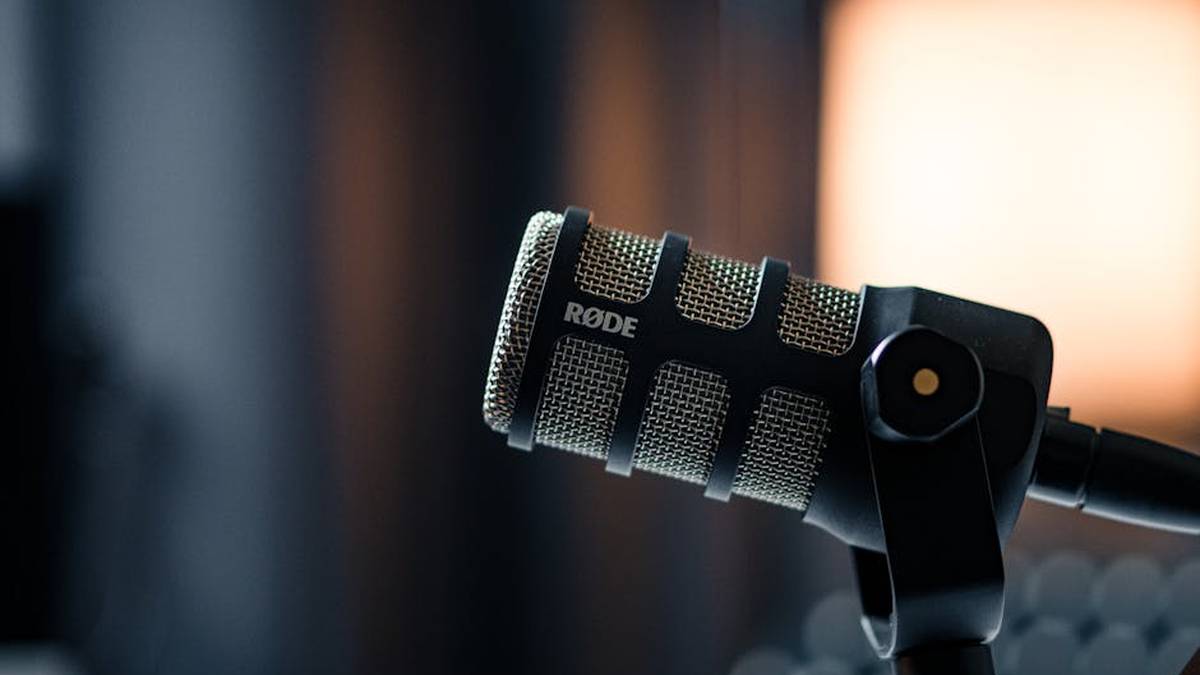
Introduction: Elevating Your Audio Experience
In the burgeoning landscape of content creation, pristine audio is not merely an advantage—it is a necessity. For streamers, podcasters, and remote professionals, a high-quality USB microphone offers convenience without compromising fidelity. Two prominent contenders frequently emerge in this space: the Elgato Wave 3 and the Rode NT-USB+. Both promise professional-grade sound with plug-and-play simplicity, yet they cater to slightly different user philosophies. This comprehensive analysis aims to dissect their capabilities, assisting you in making an informed decision tailored to your specific creative workflow.
Direct Comparison Table
| Feature | Elgato Wave 3 | Rode NT-USB+ |
|---|---|---|
| Microphone Type | Condenser | Condenser |
| Polar Pattern | Cardioid | Cardioid |
| Connectivity | USB-C | USB-C (with integrated DSP) |
| Sample Rate/Bit Depth | 96 kHz / 24-bit | 48 kHz / 24-bit |
| Frequency Response | 70 Hz – 20 kHz | 20 Hz – 20 kHz |
| Max SPL | 120dB (140dB with Clipguard) | 118dB |
| Headphone Output | Yes (3.5mm with direct monitoring) | Yes (3.5mm with direct monitoring) |
| On-board Controls | Gain, Headphone Volume, Crossfade, Mute (capacitive) | Headphone Volume, Mix Control (mic/computer audio) |
| Software Integration | Elgato Wave Link (Advanced Mixer, VST support) | Rode Connect (Basic mixer, APHEX processing) |
| Mounting | Desk Stand, Thread Adapter for boom arms | Desk Stand, Thread Adapter for boom arms |
| Key Selling Point | Integrated digital mixer (Wave Link), Clipguard | Pristine audio quality, APHEX DSP, robust build |
Elgato Wave 3: The Streamer’s Command Center
Overview
The Elgato Wave 3 is more than just a microphone; it’s a meticulously designed audio solution for content creators deeply embedded in the streaming ecosystem. Launched by Elgato, a brand synonymous with creator-focused hardware, the Wave 3 integrates seamlessly into existing Elgato setups, offering an intuitive blend of hardware control and software-driven mixing capabilities. Its sleek, minimalist design houses a condenser capsule tuned for vocal clarity, while its standout feature, Clipguard, provides real-time audio protection against peaking.
Key Attributes:
- Digital Integration: At its core is the powerful Wave Link software, an intuitive digital mixer that allows users to blend multiple audio sources (game audio, music, Discord, mic input, etc.) into two independent output mixes (one for monitoring, one for stream/recording).
- Clipguard Technology: Elgato’s proprietary Clipguard automatically reroutes audio through a secondary, lower-volume signal path when input levels peak, virtually eliminating distortion and clipping. This is a game-changer for dynamic speakers.
- Capacitive Mute: A simple, silent tap on the top mutes the microphone, providing a clean user experience without the mechanical click often found on other mics.
- Intuitive Hardware Controls: A single multi-function dial controls gain, headphone volume, and crossfade between mic and PC audio, making on-the-fly adjustments straightforward.
- Design & Build: Features a robust metal stand and grille, offering a premium feel. Its compact footprint is ideal for desk setups.
Rode NT-USB+: Studio-Grade Simplicity
Overview
The Rode NT-USB+ is the successor to the critically acclaimed NT-USB, building upon a legacy of professional audio quality in a convenient USB format. Rode, an Australian audio giant, is renowned for its studio microphones, and the NT-USB+ brings that heritage to the desktop. It’s engineered for pristine sound capture, featuring a studio-grade condenser capsule and internal analog-to-digital conversion. While it emphasizes sonic purity, the NT-USB+ also introduces onboard DSP capabilities through Rode’s APHEX audio processing, offering enhanced clarity and presence. Related: Best Mobile Gaming Controllers for iPhone & Android in USA (2026)
Key Attributes:
- Studio-Quality Audio: Equipped with a low-noise, high-sensitivity condenser capsule, the NT-USB+ delivers exceptionally clean, warm, and detailed audio, true to Rode’s reputation.
- Integrated APHEX DSP: Access to powerful APHEX audio processing (Aural Exciter and Big Bottom) via Rode Connect software, allowing users to add professional warmth, clarity, and depth to their voice without external hardware or complex plugins.
- Zero-Latency Monitoring: A dedicated 3.5mm headphone jack with volume and mix controls (for blending mic input and computer audio) ensures accurate, delay-free monitoring of your voice.
- Robust Construction: Built with Rode’s characteristic durability, featuring an all-metal body and included high-quality desk stand and pop filter, making it a reliable workhorse.
- Universal Compatibility: Works seamlessly with Windows, macOS, Android, and iOS devices, providing versatility for various recording environments.
In-Depth Feature Comparison
Audio Quality and Processing
- Elgato Wave 3: Offers excellent vocal clarity, particularly suited for spoken word. Its major audio innovation is Clipguard, which is unparalleled for preventing clipping. The Wave Link software also allows for VST plugin integration, giving users access to advanced processing if they choose.
- Rode NT-USB+: Delivers a slightly warmer, richer, and more detailed sound profile straight out of the box, thanks to its studio-grade capsule and extended frequency response. The onboard APHEX processing (accessible via Rode Connect) adds a layer of professional polish, enhancing presence and low-end richness without requiring significant technical know-how.
Software Integration and Control
- Elgato Wave 3: Its defining strength is the Wave Link software. This acts as a virtual mixer, allowing users to manage up to 9 independent audio channels and route them to two distinct outputs. This is invaluable for streamers managing game audio, chat, music, and their microphone input simultaneously. Hardware controls on the mic are simple and directly linked to Wave Link.
- Rode NT-USB+: Relies on Rode Connect, a more basic software mixer that primarily facilitates the use of multiple Rode USB microphones and access to the APHEX processing. While useful, it doesn’t offer the same depth of virtual channel mixing as Wave Link. The hardware controls are limited to headphone volume and input mix.
Hardware Design and Ergonomics
- Elgato Wave 3: Features a sleek, modern design with a unique capacitive mute button that’s silent and responsive. The multi-function dial is intuitive. The included desk stand is sturdy and functional, though many users opt for a boom arm for optimal placement.
- Rode NT-USB+: Presents a more traditional microphone aesthetic, with robust metal construction that feels premium and durable. The included desk stand is solid, and the integrated pop filter is a thoughtful addition for immediate use. Its physical controls are straightforward.
Connectivity and Compatibility
- Elgato Wave 3: Connects via USB-C. Primarily designed for PC/Mac, it integrates best within the Elgato ecosystem.
- Rode NT-USB+: Also uses USB-C and boasts broader compatibility, including Windows, macOS, Android, and iOS, making it more versatile for mobile recording setups.
Pros and Cons
Elgato Wave 3
Pros:
- Wave Link Software: Unparalleled virtual mixer for multi-source audio management, essential for streamers.
- Clipguard Technology: Effectively prevents audio clipping and distortion, ensuring consistent levels.
- Capacitive Mute Button: Silent and convenient for on-the-fly muting.
- Seamless Elgato Ecosystem Integration: Works well with Stream Deck and other Elgato products.
- Intuitive Hardware Controls: Easy to adjust gain, volume, and mix directly on the mic.
Cons:
- Frequency Response: 70Hz lower end might be less ideal for instruments or deeper vocal tones compared to the Rode.
- Reliance on Software: To unlock its full potential, regular use of the Wave Link software is necessary.
- Plastic Parts: Some components of the stand are plastic, which might feel less premium than the Rode’s all-metal build.
- Sound Profile: While clear, some might find it slightly less “warm” or “rich” than the Rode out of the box without additional processing.
Rode NT-USB+
Pros:
- Exceptional Audio Quality: Studio-grade sound with a warm, rich, and detailed capture.
- APHEX DSP: Professional audio processing available internally for enhanced sound without complex plugins.
- Robust Build Quality: All-metal construction with a durable feel.
- Broad Compatibility: Works across a wider range of devices (PC, Mac, Android, iOS).
- Included Accessories: High-quality desk stand and pop filter come in the box.
Cons:
- Less Advanced Software Mixer: Rode Connect is functional but doesn’t rival Wave Link’s channel management.
- No Clipguard: Lacks the specific anti-clipping technology of the Wave 3, requiring more careful gain staging.
- Fewer On-board Controls: Only headphone volume and mix control, no direct gain adjustment on the mic itself.
- Higher Price Point: Generally commands a slightly higher price.
Which One is Better For Whom?
Choose the Elgato Wave 3 if:
- You are a streamer or live content creator who needs to manage multiple audio sources (game audio, chat, music, alerts) in real-time. Wave Link is a game-changer for this workflow.
- You frequently experience sudden volume spikes (e.g., shouting, excited reactions) and want robust protection against audio clipping and distortion. Clipguard is invaluable.
- You are already invested in the Elgato ecosystem (Stream Deck, Key Light, etc.) and appreciate seamless integration.
- You prefer a sleek, modern aesthetic and silent controls.
- You want the flexibility to use VST plugins within your virtual mixer.
Choose the Rode NT-USB+ if:
- Your absolute priority is pristine, studio-quality vocal capture with minimal fuss, delivering a warm and rich sound profile straight to your recording.
- You are a podcaster, musician, or voice-over artist who values sonic fidelity and clarity above complex real-time mixing.
- You appreciate the convenience of onboard professional audio processing (APHEX) to elevate your sound with a click.
- You require broad compatibility across various devices, including mobile platforms, for versatile recording.
- You value a microphone with a robust, all-metal build quality that feels like a professional studio tool.
- You prefer a more traditional microphone aesthetic and a straightforward plug-and-play experience for high-quality audio.
Final Verdict
Both the Elgato Wave 3 and the Rode NT-USB+ represent exceptional choices in the USB microphone segment, each bringing distinct advantages to the table. The “better” microphone fundamentally depends on your primary use case and creative workflow. Related: ASUS ROG Ally USA Review: The Full Truth About This Handheld Gaming PC
For the dedicated live streamer or multi-faceted content creator who juggles numerous audio inputs and outputs, the Elgato Wave 3 with its revolutionary Wave Link software and invaluable Clipguard technology offers an unparalleled ecosystem. It simplifies complex audio routing and provides peace of mind against clipping, making it a true command center for broadcast audio. Related: Backbone One PlayStation Edition Review USA: Elevating PS Remote Play for iPhone Gamers?
Conversely, for the podcaster, voice-over artist, musician, or anyone whose primary focus is capturing the most sonically pure and studio-quality vocal performance with minimal processing effort, the Rode NT-USB+ is the undisputed champion. Its superior condenser capsule, extended frequency response, and integrated APHEX DSP deliver a rich, warm, and professional sound that is characteristic of Rode’s esteemed legacy in professional audio. Related: SteelSeries Arctis Nova Pro Wireless Review: My Honest USA Verdict for PC & Console Gamers
In essence, the Wave 3 optimizes the management of audio within a complex streaming environment, while the NT-USB+ optimizes the quality of the audio capture itself, providing studio-grade sound in a remarkably accessible package. Evaluate your priorities: if workflow and anti-clipping are paramount, choose Elgato. If pure sonic fidelity and professional polish are your guiding stars, the Rode awaits. Related: Wooting 60HE Keyboard USA Review: My Experience with the Fastest Gaming Keyboard
Disclaimer: This comparison is based on product specifications, available reviews, and common user experiences. Product features, pricing, and availability are subject to change by manufacturers. Individual results may vary based on user environment, settings, and other factors. This article does not provide any guarantees regarding product performance or suitability for specific applications.
Which microphone offers better sound quality and noise handling for live streaming and recording in typical home environments?
The Elgato Wave 3 is often lauded for its incredibly clean audio output and superior built-in features like Clipguard technology, which prevents audio clipping, and its excellent noise gate, making it highly effective in untreated rooms. The Rode NT-USB+ delivers a very natural and warm sound profile, characteristic of Rode microphones, which many podcasters prefer for its richness. While both offer excellent clarity, the Wave 3’s advanced software suite provides more tools for real-time sound optimization and noise reduction during live broadcasts.
What unique software or ecosystem advantages does each microphone provide for content creators?
The Elgato Wave 3 shines with its powerful Wave Link software, which acts as a virtual audio mixer. It allows you to create up to nine independent input channels, including game audio, music, alerts, and chat, giving you granular control over your audio mix for both your audience and your headphones. This integrates seamlessly with other Elgato products like Stream Deck. The Rode NT-USB+ benefits from the Rode Connect software, which simplifies multi-microphone setups and basic audio routing, making it great for panel podcasts, but it offers less advanced mixing capabilities for a single user compared to Wave Link.
Which microphone is easier to set up and integrate for beginners, or those wanting a plug-and-play experience?
Both the Elgato Wave 3 and Rode NT-USB+ are USB microphones designed for ease of use, offering a generally plug-and-play experience. However, the Elgato Wave 3, while simple to get started with, truly unlocks its potential with its Wave Link software, which might have a slight learning curve for new users, though it’s incredibly powerful. The Rode NT-USB+ is arguably more straightforward out-of-the-box if you just want to plug in and record high-quality audio without delving into advanced software mixing, making it a strong contender for those prioritizing simplicity above all else.
For competitive gamers who also stream, which microphone offers a better overall experience, especially concerning latency and real-time monitoring?
The Elgato Wave 3, with its integrated headphone jack and Wave Link software, offers direct monitoring with virtually zero-latency. Its Clipguard and advanced noise gate features are incredibly useful for maintaining clear communication in intense gaming moments without distracting background noise. While the Rode NT-USB+ also features zero-latency monitoring, the Wave 3’s comprehensive software control over input levels, output mixes, and the ability to route game audio directly through Wave Link for separate control, gives it an edge for competitive gamers who stream and need precise, real-time audio management.
Related Products
- Samsung Odyssey G9 OLED vs Alienware AW3423DWF: Ultrawide QD-OLED Monitor Showdown
- Logitech G Pro X Superlight 2 vs Razer DeathAdder V3 Pro: Best Wireless Lightweight Gaming Mouse?
- Wooting 60HE vs Razer Huntsman V3 Pro Mini: Rapid Trigger Keyboard Battle for Esports
- SteelSeries Arctis Nova Pro Wireless vs Astro A50 X: Which Premium Gaming Headset Delivers?
- PlayStation Portal vs Backbone One: Ultimate Mobile Remote Play Comparison for PS5 Gamers