Introduction
In an educational landscape increasingly focused on Science, Technology, Engineering, and Mathematics (STEM), parents and educators in the USA face a critical decision: how best to equip children with the skills needed for future success. Two prominent approaches stand out: the tangible, physical engagement of hands-on STEM building kits and the dynamic, screen-based world of interactive digital learning apps. Both promise to cultivate crucial competencies, but they do so through fundamentally different mechanisms. This comprehensive buyer’s guide dissects each approach, comparing their features, benefits, and limitations, to help you make an informed choice that truly fosters deeper skills for the young learners in your life.
Comparison Overview
| Aspect | Hands-On STEM Building Kits | Interactive Digital Learning Apps |
|---|---|---|
| Primary Learning Mode | Tactile, kinesthetic, physical manipulation. | Visual, auditory, digital interaction, simulations. |
| Skill Development Focus | Fine motor skills, spatial reasoning, tangible problem-solving, collaboration, engineering design. | Computational thinking, coding logic, analytical skills, digital literacy, rapid iteration, virtual experimentation. |
| Engagement Type | Deep, focused engagement through physical construction and experimentation. | Often gamified, immediate feedback loops, diverse interactive challenges. |
| Accessibility | Requires physical space, storage, specific kit components. | Requires digital device (tablet, PC), internet access for many features; portable. |
| Cost Implications | Higher initial investment per kit; potential for expansion purchases. | Lower initial cost (many free/freemium); ongoing subscription fees common. |
| Screen Time Factor | Minimal to none (manuals might be digital). | Primary mode of interaction involves screen time. |
Product A Overview: Hands-On STEM Building Kits
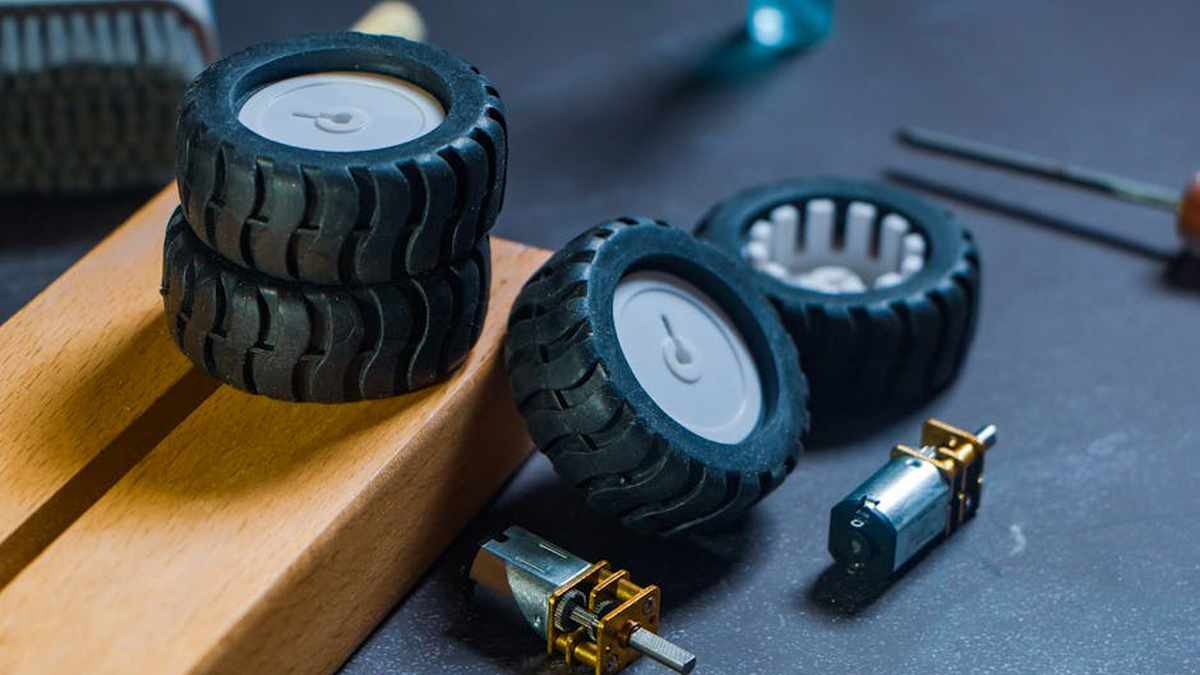
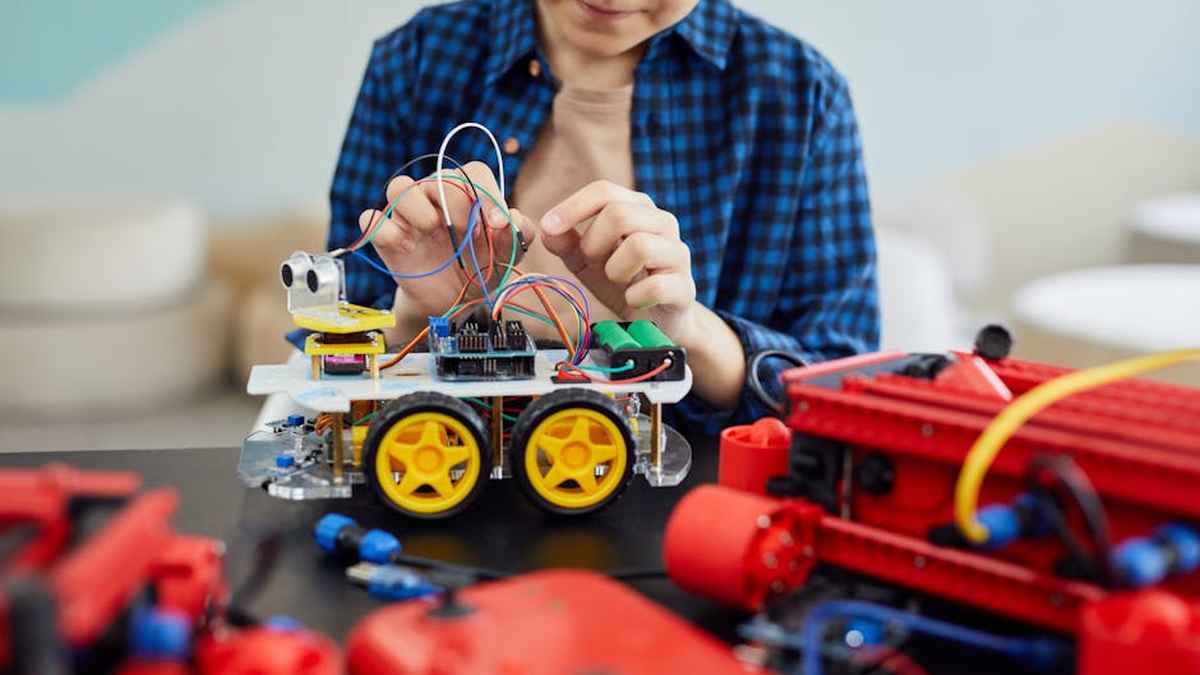
Hands-on STEM building kits encompass a broad category of physical products designed for children to construct, experiment, and innovate using tangible components. Examples range from popular sets like LEGO Technic, K’nex, and Snap Circuits to more specialized robotics kits (e.g., VEX IQ, Makeblock), chemistry sets, electronics exploration kits (e.g., littleBits), and even advanced engineering challenges. These kits typically provide materials, instructions (or guides for open-ended play), and tools necessary to build models, circuits, or simple machines. The learning process is inherently iterative, requiring physical manipulation, trial-and-error, and often collaboration, directly engaging a child’s tactile and kinesthetic senses.
Product B Overview: Interactive Digital Learning Apps
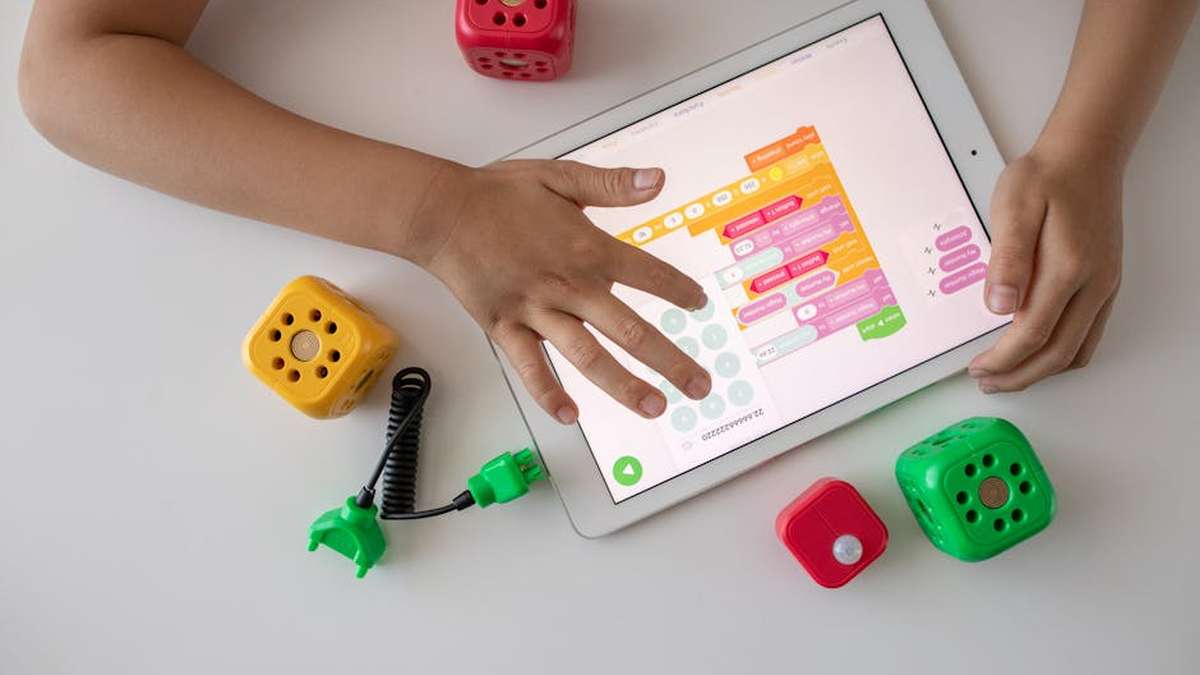
Interactive digital learning apps leverage technology to deliver STEM education through screens – tablets, smartphones, and computers. This category includes a vast array of software, from coding platforms like Scratch and Tynker that teach programming logic through drag-and-drop interfaces, to virtual science labs that simulate experiments, robotics simulators, and educational games focused on math, physics, or engineering principles. These apps often feature gamified learning paths, instant feedback mechanisms, adaptive difficulty, and opportunities for virtual collaboration. Their appeal lies in their accessibility, scalability, and ability to introduce complex concepts in an engaging and often visually rich digital environment.
Related: RoboCode Explorer Kit Review: The Daily STEM Toy That Teaches Kids Real Coding Skills In USA
Feature Comparison
- Engagement & Motivation: Hands-on kits inspire intrinsic motivation through the tangible act of creation and problem-solving, offering a deep sense of accomplishment when a physical model works. Digital apps often rely on extrinsic motivators like points, badges, and immediate digital rewards, coupled with engaging graphics and narratives to sustain interest.
-
Skill Development:
- Hands-on: Excels at developing fine motor skills, spatial reasoning, 3D understanding, practical problem-solving, perseverance through physical setbacks, and collaborative communication when building with others.
- Digital: Primes children for computational thinking, coding logic, rapid iteration of designs, analytical reasoning, digital literacy, and the ability to simulate and test theories without physical constraints.
- Problem-Solving Approach: Hands-on kits necessitate a physical, trial-and-error approach, where mistakes have immediate, tangible consequences (e.g., a structure collapsing). Digital apps allow for quick, low-stakes iteration, often guiding users through logical steps and offering hints, fostering an algorithmic problem-solving mindset.
- Feedback Mechanism: For hands-on kits, feedback is often immediate and physical – a bridge holds or breaks, a circuit lights up or doesn’t. Digital apps provide instant, explicit feedback through pop-up messages, sound effects, animations, and scoring, often explaining the ‘why’ behind a result.
- Cost & Accessibility: While hands-on kits can be a significant upfront investment, they are reusable and often hold resale value. They require physical space for play and storage. Digital apps can range from free to subscription-based; they are highly portable and accessible anywhere with a device and internet, but often involve ongoing costs.
- Screen Time: This is a primary differentiator. Hands-on kits inherently reduce screen time, promoting physical activity and engagement with the real world. Digital apps, by definition, contribute to screen time, which is a concern for many parents.
Pros and Cons for Both
Hands-On STEM Building Kits
- Pros:
- Develops crucial fine motor skills, dexterity, and hand-eye coordination.
- Enhances spatial reasoning, 3D visualization, and understanding of physical forces.
- Fosters grit, perseverance, and patience through tangible construction challenges.
- Promotes collaborative learning, communication, and social skills in group settings.
- Reduces screen time, encouraging real-world interaction and imaginative play.
- Tangible results provide a deep sense of achievement and ownership.
- Cons:
- Can be expensive, especially for complex or specialized kits.
- Requires significant physical storage space and can lead to clutter.
- Potential for lost or damaged parts, limiting project completion.
- Can be messy depending on the type of kit (e.g., chemistry, robotics).
- May require adult supervision or guidance, especially for younger children.
- Flexibility is limited by available components; “what if” scenarios might require deconstruction and rebuilding.
Interactive Digital Learning Apps
- Pros:
- Highly accessible from various locations with a device and internet connection.
- Provides immediate, often detailed feedback and tracks progress effectively.
- Can simulate complex, expensive, or dangerous experiments safely and without mess.
- Gamified elements, vibrant graphics, and adaptive challenges can boost engagement.
- Excellent for introducing computational thinking, coding logic, and algorithms.
- Content is often scalable and regularly updated with new lessons and challenges.
- Many options are free or have lower initial costs compared to physical kits.
- Cons:
- Directly contributes to increased screen time, a concern for many parents.
- Lacks tactile engagement and does not develop fine motor skills or physical dexterity.
- Can lead to passive consumption rather than active creation if poorly designed.
- May not translate directly to real-world physical problem-solving skills.
- Requires a reliable internet connection for many features and updates.
- Potential for digital distractions (other apps, notifications) and eye strain.
Which One Is Better For Whom
The optimal choice between hands-on STEM building kits and interactive digital learning apps largely depends on the child’s age, learning style, specific developmental goals, and family context.
Related: My Kids Tested the ‘MindSpark Quantum Circuit Kit’: Is This The Hottest STEM Toy for Ages 8-12 in 2024? (Full Review)
-
Hands-On STEM Building Kits are ideal for:
- Younger children (preschool to early elementary) who are developing foundational motor skills and concrete operational thinking.
- Children who learn best through tactile, kinesthetic, and experimental experiences.
- Families seeking to limit screen time and promote engagement with physical objects.
- Environments focused on collaborative group activities and direct social interaction.
- Developing practical engineering, construction, and design skills with real-world applications.
-
Interactive Digital Learning Apps are ideal for:
- Older children and teens (late elementary upwards) who are ready for more abstract concepts, coding, and logical reasoning.
- Children with strong visual-spatial skills who enjoy puzzles, simulations, and problem-solving within a structured digital environment.
- Learners interested in computational thinking, programming, data analysis, and virtual experimentation.
- Families with limited physical space or a need for portable, on-the-go learning solutions.
- Supplementing traditional classroom learning or providing access to specialized subjects not readily available otherwise.
Final Verdict
In the quest to foster deeper skills for USA kids, neither hands-on STEM building kits nor interactive digital learning apps can be unequivocally declared superior. Instead, they represent complementary approaches, each excelling in distinct areas of development. Hands-on kits build a strong foundation in physical manipulation, spatial reasoning, and tangible problem-solving, grounded in the real world. Digital apps, conversely, open doors to computational thinking, coding prowess, and complex simulations, essential for navigating an increasingly digital future.
Related: TerraBot Explorer Kit Review: Is This Top-Selling STEM Robot Worth It for USA Kids (Ages 7-10)?
The most effective strategy for holistic STEM development is often a blended approach. Integrating both types of learning experiences ensures children gain a comprehensive skill set – from the foundational motor skills and collaborative efforts cultivated by physical kits to the logical thinking and digital fluency honed by interactive apps. When making your choice, consider the individual child’s interests, learning style, and developmental stage, alongside your family’s resources and educational philosophy. By thoughtfully combining the best of both worlds, we can empower the next generation with the diverse and profound skills they need to innovate and thrive.
Related: Best AI-Powered STEM Toys for Future-Ready Kids in USA (2026)