





Introduction
The familiar sight of single-use plastic bags overflowing at the grocery store checkout has become an ingrained part of the American shopping experience. While convenient in the moment, these flimsy bags contribute significantly to landfill waste, ocean pollution, and an overall unsustainable consumption cycle. For many discerning consumers in the USA, the desire to reduce this environmental footprint is strong, yet practical alternatives for loose produce have often felt cumbersome or unreliable. Enter Lotus Produce Bags, a product positioning itself as a direct, user-friendly solution to a pervasive environmental problem. This review aims to provide a professional, in-depth analysis for the conscientious shopper, evaluating its claims, utility, and overall value in the quest for a greener grocery run.
Product Overview
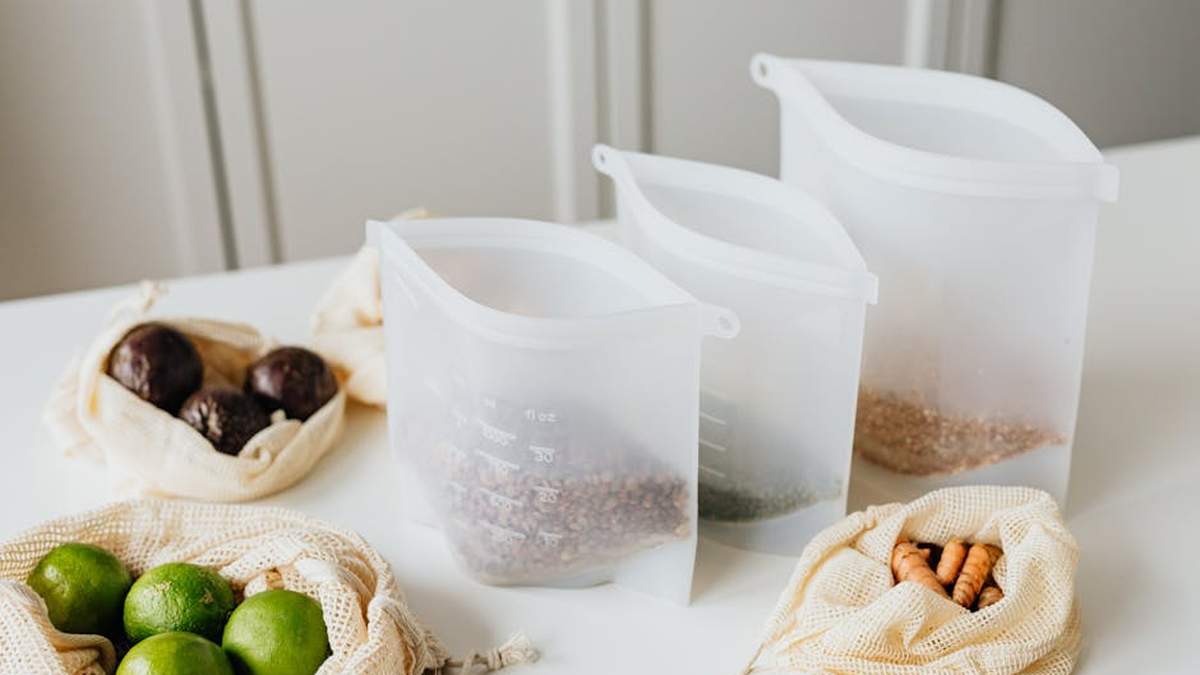
Lotus Produce Bags are a line of reusable mesh bags specifically designed for purchasing, transporting, and often storing fresh fruits and vegetables. Typically sold in multi-packs, these bags aim to replace the disposable plastic bags offered in the produce aisle of nearly every supermarket nationwide. Constructed primarily from a durable, breathable mesh material—often a blend of polyester, but also available in organic cotton—they are lightweight yet robust enough to handle various types of produce, from delicate berries to heavier root vegetables. Each bag usually features a drawstring closure for secure containment and is designed to be washable, ensuring hygiene and longevity. The brand emphasizes their commitment to a plastic-free shopping experience, presenting a simple, effective tool for consumers looking to make an immediate impact on their personal plastic waste generation.
Key Features
- Durable Mesh Construction: The bags are typically made from a strong, fine mesh that resists tearing and supports the weight of various produce items without stretching excessively.
- Breathable Fabric: The mesh design allows for air circulation, which can help extend the freshness of produce compared to airtight plastic bags, particularly for items stored in the refrigerator.
- Variety of Sizes: Lotus bags are commonly sold in sets that include small, medium, and large sizes, accommodating everything from a handful of limes to a large head of cabbage or a significant quantity of apples.
- Tare Weight Label: Many Lotus bags include a small tag or printed label indicating the bag’s tare weight (the weight of the empty bag), which can be helpful for accurate pricing at the checkout counter, especially for bulk produce.
- Drawstring Closure: A robust drawstring with a secure bead or toggle keeps contents safely inside the bag during transit.
- Machine Washable: Designed for easy cleaning, most Lotus bags can be machine washed and air-dried, making them convenient for repeated use.
- BPA-Free and Food-Safe: The materials used are generally certified as food-safe and free from harmful chemicals like BPA, ensuring produce remains untainted.
Pros and Cons
Pros:
- Significant Plastic Reduction: Directly eliminates the need for countless single-use plastic produce bags, contributing to a substantial reduction in personal plastic waste.
- Extends Produce Freshness: The breathable mesh design allows air to circulate, which can prevent moisture buildup and spoilage for many types of fruits and vegetables, potentially prolonging their shelf life.
- Durable and Reusable: Constructed to withstand repeated use and washing, offering a long-term solution.
- Convenient and Practical: Lightweight, easy to store, and simple to use at the grocery store. The drawstring closure is effective.
- Easy to Clean: Machine washable nature simplifies maintenance and ensures hygiene between uses.
- Helps Organization: Can keep produce organized in the refrigerator or pantry.
Cons:
- Initial Upfront Cost: Unlike “free” plastic bags, there is an initial investment required to purchase a set of Lotus Produce Bags.
- Not Ideal for All Bulk Items: While excellent for produce, the mesh design is unsuitable for very fine bulk items like flour, sugar, or tiny spices without an additional liner.
- Potential for Cashier Confusion: While less common now, some cashiers unfamiliar with tare weights or reusable bags might occasionally require clarification.
- Minor Bulk When Stored: While individually lightweight, a full set of empty bags can occupy a small amount of space in a shopping tote.
- Material Considerations: While durable, some consumers may prefer natural fibers like organic cotton over synthetic polyester options for environmental or aesthetic reasons.
Who Should Buy This
Lotus Produce Bags are an ideal purchase for individuals and families committed to reducing their environmental footprint, particularly those who frequent grocery stores and regularly buy fresh, loose produce. They are suitable for eco-conscious shoppers seeking a practical, direct replacement for single-use plastic in their daily lives. Furthermore, consumers who appreciate organization in their refrigerator and desire to potentially extend the freshness of their produce will find these bags beneficial. If you are frustrated by the amount of plastic waste generated from your shopping trips and are willing to make a small upfront investment for a long-term sustainable solution, Lotus Produce Bags are designed for you. Related: Ethique Solid Shampoo Bar Review: Can This Eco-Friendly Bar Truly Replace Plastic Bottles for USA Hair?
Who Should Avoid This
These bags may not be the most appropriate choice for consumers with an extremely tight budget who prioritize immediate cost savings above all else, as there is an initial purchase price compared to the perceived “free” plastic bags. Individuals who rarely buy loose produce, opting instead for pre-packaged fruits and vegetables, will find little utility in this product. Additionally, for shoppers primarily focused on purchasing very fine bulk items (e.g., flours, sugars, nuts in shell) where spillage through mesh is a concern, these bags without an internal liner would not be the primary solution. Those who find the concept of remembering and washing reusable bags too inconvenient might also find them less appealing. Related: Klean Kanteen vs. Hydro Flask: Durable Eco Water Bottle Battle for USA Adventures
Pricing Insight
A typical set of Lotus Produce Bags, usually comprising 9 to 12 bags in various sizes, generally ranges from 15 to 30 USD. This pricing positions them as an accessible investment for most American households. While seemingly an additional cost compared to the “free” plastic bags at the store, it is crucial to view this as a one-time purchase that pays dividends over many years of use. Considering the average household’s grocery shopping frequency, the cost per use quickly diminishes to mere cents. They are widely available through major online retailers like Amazon, as well as direct from the Lotus brand website and various eco-friendly retail outlets. The value proposition lies in their durability and the significant environmental benefit derived from avoiding hundreds, if not thousands, of single-use plastic bags over the product’s lifespan. Related: EcoRoots Compostable Sponge Review: The Best Plastic-Free Cleaning Tool for Your USA Kitchen Sink?
Comparison with 1 Alternative
To provide context, let’s briefly compare Lotus Produce Bags with the Simple Ecology Organic Cotton Mesh Produce Bags. Both aim to solve the same problem, but approach it with different materials and philosophies. Related: Bees Wrap Review (USA): My Honest Experience with Plastic-Free Food Storage
- Material: Lotus bags often utilize durable polyester mesh (though cotton options exist), prioritizing strength, quick drying, and lightweight characteristics. Simple Ecology, as its name implies, focuses exclusively on 100% GOTS certified organic cotton, appealing strongly to those who prefer natural, biodegradable fibers.
- Breathability & Storage: Both offer excellent breathability for produce. However, the polyester mesh of Lotus might be perceived as slightly more robust for heavier, less delicate items and potentially quicker to dry after washing. Organic cotton bags can sometimes be heavier and might take longer to dry.
- Tare Weight: Both brands typically include tare weight labels, which is a critical feature for produce bags.
- Durability: Both are designed for longevity. Polyester mesh bags from Lotus tend to be very strong and tear-resistant. Organic cotton bags are also durable but might show signs of wear (e.g., slight shrinking or loosening of weave) differently over time compared to synthetics.
- Price Point: Simple Ecology’s organic cotton bags can sometimes be at a slightly higher price point per bag due to the certification and specific material sourcing, though both brands offer competitive pricing for sets.
- Environmental Consideration: Lotus focuses on plastic reduction through reusability. Simple Ecology adds the layer of organic, biodegradable material, appealing to those who want to avoid synthetics entirely.
Ultimately, the choice between Lotus (often synthetic mesh) and Simple Ecology (organic cotton) might come down to a preference for synthetic durability and quick-drying properties versus the desire for an all-natural, biodegradable fiber. Related: DivaCup vs. Saalt Cup: Which Menstrual Cup is Best for Beginners in the USA?
Final Verdict
After a comprehensive evaluation, Lotus Produce Bags stand out as a highly effective and practical solution for the American consumer seeking to significantly reduce their reliance on single-use plastic at the grocery store. Their thoughtful design, encompassing durable construction, ample sizing options, and practical features like tare weight labels and drawstring closures, makes them incredibly user-friendly. While there is an initial investment, the long-term environmental benefits and the potential for extending produce freshness offer substantial value. For anyone committed to a more sustainable lifestyle and looking for a straightforward, reliable tool to achieve that goal in the produce aisle, Lotus Produce Bags represent a commendable and recommended purchase. They are not merely an alternative; they are a superior, greener standard for grocery shopping.
What makes Lotus Produce Bags a better choice than disposable plastic bags for my groceries?
Lotus Produce Bags offer a sustainable and often more effective alternative to single-use plastic. They significantly reduce plastic waste at every grocery trip, helping protect our planet. Beyond environmental benefits, their breathable mesh design can actually help keep your produce fresher longer by allowing air circulation and preventing moisture buildup that often spoils fruits and vegetables in plastic bags. They are also durable, washable, and reusable for years, offering long-term value and convenience.
How easy are Lotus Produce Bags to use at the grocery store, especially during checkout?
Lotus Produce Bags are designed for ultimate convenience. They are lightweight, making it easy to carry a few empty bags in your purse or reusable shopping cart. At the produce aisle, simply select your items and place them directly into the bags. Many bags are semi-transparent, allowing cashiers to easily identify contents and scan produce codes without needing to open them or transfer items. They are also tare-weight compliant, meaning the bag’s weight can be easily subtracted, ensuring you only pay for your produce. After shopping, simply wash and reuse!
What material are Lotus Produce Bags made from, and how do I clean and maintain them for long-term use?
Lotus Produce Bags are typically crafted from high-quality, durable, and food-safe materials, often a sturdy, lightweight mesh polyester or organic cotton. This construction ensures breathability and longevity. To clean them, simply machine wash on a cold cycle with similar colors, and then air dry. Avoid using bleach or harsh detergents, as these can degrade the material. Proper care will ensure your Lotus Produce Bags last for hundreds of grocery trips, further maximizing their environmental and economic benefits.
Do Lotus Produce Bags actually help keep fruits and vegetables fresher than traditional plastic bags?
Yes, many users find that Lotus Produce Bags can help extend the freshness of certain fruits and vegetables compared to traditional plastic bags. The key is their breathable design. Unlike plastic bags that trap moisture and ethylene gas (which can accelerate ripening and spoilage), the mesh or cotton fabric allows for essential air circulation. This ventilation prevents condensation, reduces humidity around the produce, and helps manage ethylene levels, creating a more ideal environment for many items, especially leafy greens, apples, and peppers, to stay crisp and fresh longer in your refrigerator.
Related Products
- Bee’s Wrap Reusable Food Wrap Review: The Sustainable Cling Wrap Alternative for American Families?
- Friendsheep Wool Dryer Balls Review: Non-Toxic Laundry & Energy Savings for Your US Home
- Ethique Solid Shampoo Bar Review: Can This Eco-Friendly Bar Truly Replace Plastic Bottles for USA Hair?
- EcoRoots Compostable Sponge Review: The Best Plastic-Free Cleaning Tool for Your USA Kitchen Sink?
- Dropps Laundry Detergent Pods Review: Ditching Plastic Jugs for Good in American Homes