




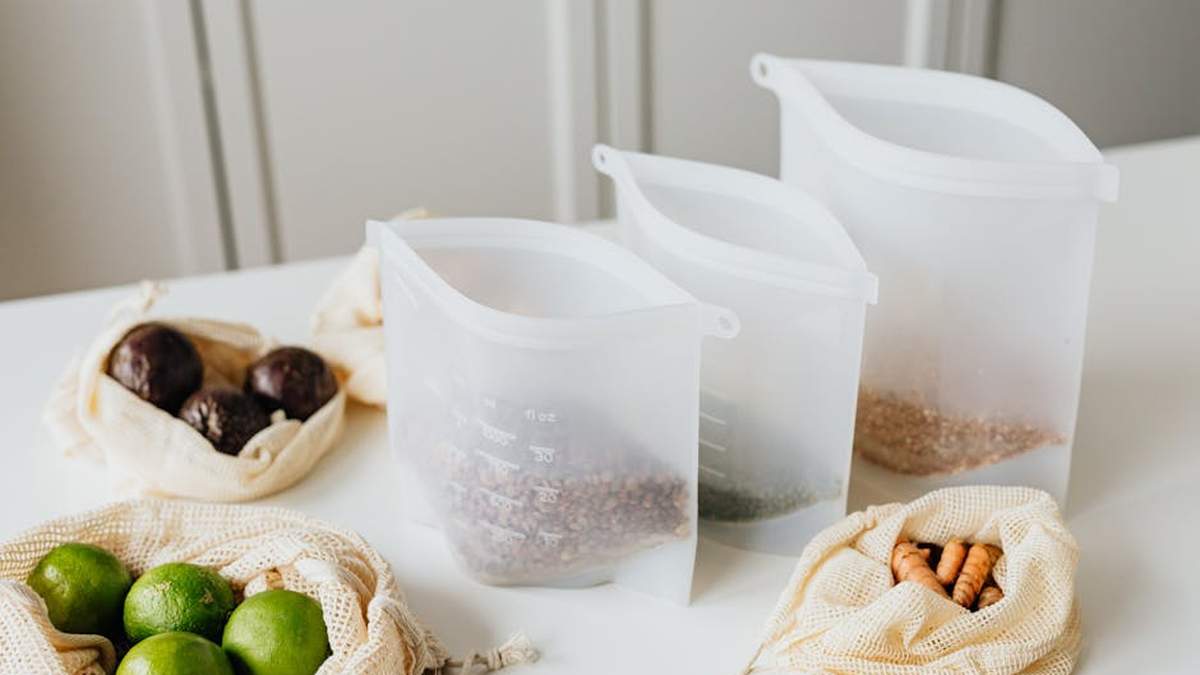
Introduction to Sustainable Food Storage
As consumers across the USA increasingly prioritize environmental sustainability, the shift away from single-use plastics has become a significant movement within household management. Reusable food storage solutions play a pivotal role in this transition, offering practical alternatives to traditional plastic bags and wraps. Among the myriad options available, Stasher Bags and Bee’s Wrap have emerged as two prominent contenders, each presenting a distinct approach to preserving food while minimizing ecological impact. This comprehensive analysis will delve into the features, benefits, and limitations of both products, providing an authoritative guide to help you determine the optimal choice for your eco-conscious kitchen in the United States.
Comparative Overview Table
| Feature | Stasher Bags | Bee’s Wrap |
|---|---|---|
| Primary Material | Platinum-grade silicone | Organic cotton infused with beeswax, jojoba oil, and tree resin |
| Type of Seal/Closure | Patented Pinch-loc™ seal (airtight) | Self-adhesive cling through warmth of hands (breathable) |
| Reusability/Lifespan | Designed for thousands of uses; typically 5-10+ years | Hundreds of uses; typically up to 1 year with proper care |
| Cleaning | Dishwasher safe (top rack recommended) or hand wash | Hand wash with cool water and mild soap, air dry |
| Microwave Safe | Yes | No (heat will melt the wax) |
| Freezer Safe | Yes | Yes (for short-term storage; becomes stiff) |
| Oven Safe | Yes (up to 400°F / 200°C) | No (heat will melt the wax) |
| Dishwasher Safe | Yes | No |
| Food Types Best For | Liquids, cooked foods, raw meats, snacks, marinades, sous vide, meal prep | Produce, bread, cheese, sandwiches, covering bowls, baked goods |
| Cost (General) | Higher upfront cost per unit ($10-$20+ per bag) | Lower upfront cost per unit ($6-$18 per wrap/set) |
| Environmental Impact (Disposal) | Recyclable through specialized programs (e.g., Terracycle) | Compostable (biodegrades naturally) |
| Certifications | BPA, BPS, lead, phthalate, and latex free; FDA and European food-grade standards | GOTS certified organic cotton, sustainably sourced beeswax and ingredients |
Stasher Bags: An Overview
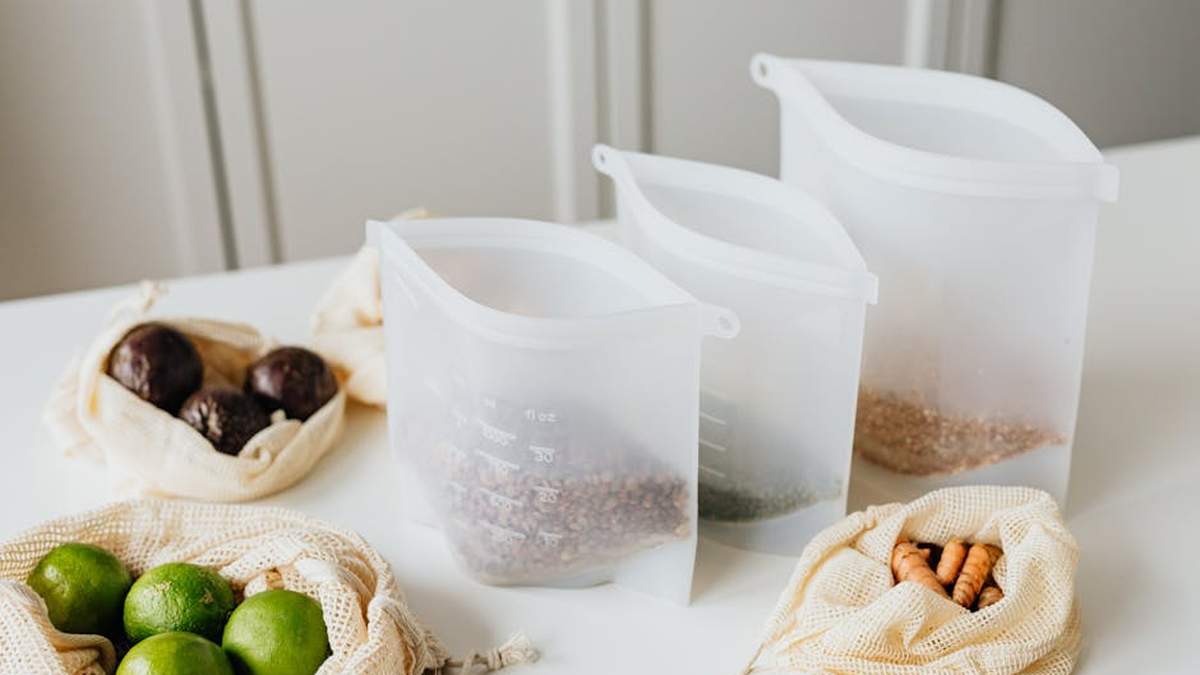
Stasher Bags represent a modern marvel in reusable food storage, crafted from high-quality platinum-grade silicone. Originating in California, these innovative bags are designed to replace single-use plastic bags across a multitude of applications in the kitchen and beyond. Their signature feature is the patented Pinch-loc™ seal, which provides an airtight, leak-proof closure, crucial for preserving freshness and preventing spills.
The versatility of Stasher Bags is unparalleled. They are engineered to withstand extreme temperatures, making them safe for use in the freezer, microwave, oven, and even for sous vide cooking. This robust construction ensures that a single Stasher Bag can fulfill the roles of multiple traditional containers, from storing leftovers to marinating meats or packing snacks for on-the-go. Their non-porous surface also resists odors and flavors, ensuring a clean slate for every use.
Related: Full Circle Scrap Happy Countertop Compost Bin Review (USA): Easy Composting for American Kitchens
Bee’s Wrap: An Overview
Bee’s Wrap offers a distinctly natural and traditional approach to food preservation. Developed in Vermont, these wraps are made from sheets of organic cotton that are infused with a blend of beeswax, jojoba oil, and tree resin. This unique combination creates a pliable fabric that can be molded around food items or over bowls simply using the warmth of your hands, forming a gentle, breathable seal.
Related: Best Organic Cotton Bed Sheets in USA (2026)
Unlike airtight silicone, Bee’s Wrap allows food to breathe, which is particularly beneficial for items like bread, cheese, and certain produce (e.g., leafy greens) that can suffer from excessive moisture buildup. Their natural composition means they are completely biodegradable and compostable at the end of their useful life, returning to the earth without contributing to landfill waste. Bee’s Wrap champions a return to simpler, more natural methods of food storage, appealing to those who prioritize natural materials and an aesthetic connection to their food preservation tools.
Related: Best Eco-Friendly Yoga Mats in USA (2026)
Feature Comparison: A Deeper Dive
Material & Safety
Stasher Bags utilize platinum-grade silicone, a highly inert material that is free from BPA, BPS, phthalates, and other harmful chemicals commonly found in plastics. This makes them a non-toxic choice for direct food contact and cooking. Bee’s Wrap, on the other hand, is made from organic cotton coated with a natural blend of beeswax, jojoba oil, and tree resin. This composition is also non-toxic and food-safe, appealing to those seeking plant-based (though containing animal product – beeswax) and entirely compostable solutions. The choice here often hinges on whether a consumer prefers a synthetic but inert material versus an all-natural, biodegradable option.
Related: Ethique Shampoo Bar Review (USA): The Best Zero-Waste Hair Care Solution?
Sealing & Freshness
The sealing mechanisms represent a fundamental difference. Stasher Bags’ Pinch-loc™ seal creates an airtight and leak-proof barrier, making them ideal for liquids, marinades, and preventing freezer burn. This superior seal maintains freshness by minimizing air exposure. Bee’s Wrap creates a malleable, self-adhesive seal using the warmth of your hands, which is breathable rather than airtight. This breathability can be advantageous for foods like bread and certain vegetables, which might sweat or spoil faster in an airtight environment, but it means they are not suitable for liquids or highly aromatic foods where containment is critical.
Related: Grove Co. Refill Concentrates vs. Blueland Cleaning Tablets: Best Sustainable All-Purpose Cleaner for USA Shoppers
Durability & Lifespan
Stasher Bags are designed for extreme durability and longevity, typically lasting many years with proper care due to the robust nature of silicone. They can withstand repeated high-temperature cycles without degradation. Bee’s Wrap, while durable for its intended purpose, has a shorter lifespan, usually around one year of regular use. Over time, the wax coating can wear thin, reducing its adhesive properties. Its end-of-life is composting, whereas Stasher requires specialized silicone recycling programs, such as those offered by Terracycle in the USA.
Versatility & Use Cases
Stasher Bags are incredibly versatile, functioning as storage in the fridge, freezer, pantry, and even as cooking vessels in the microwave, oven (for reheating or roasting), and for sous vide. This makes them a multi-functional kitchen tool. Bee’s Wrap is best suited for wrapping solid foods like fruits, vegetables, cheese, bread, and covering bowls at room temperature or in the refrigerator. They are not compatible with heat (microwave/oven) or prolonged exposure to very cold temperatures, which can make them stiff and brittle. They are also not recommended for raw meats or very wet items due to their breathable nature and potential for bacterial transfer.
Cleaning & Maintenance
Stasher Bags offer convenience with their dishwasher-safe design (top rack recommended), though hand washing is also straightforward. They are non-porous and resist stains and odors effectively. Bee’s Wrap requires more gentle care, specifically hand washing with cool water and mild dish soap, followed by air drying. Hot water will melt the wax coating, diminishing its effectiveness. They can also absorb faint odors over time, depending on the foods stored.
Pros and Cons: Stasher Bags
Pros:
- Extreme Versatility: Safe for freezer, microwave, oven (up to 400°F), and sous vide cooking.
- Airtight & Leak-Proof: Patented Pinch-loc™ seal preserves freshness and prevents spills, ideal for liquids and marinades.
- Superior Durability: Made from robust platinum-grade silicone, designed for thousands of uses over many years.
- Easy to Clean: Dishwasher safe, saving time and effort. Non-porous surface resists odors and stains.
- Non-Toxic: Free from BPA, BPS, phthalates, and latex, ensuring safe food contact.
- Wide Range of Sizes: Available in various capacities to suit diverse storage needs.
Cons:
- Higher Upfront Cost: Can be a significant initial investment compared to other options.
- Bulkier Storage: While flexible, they can take up more drawer or cabinet space when empty compared to flat wraps.
- Specialized Recycling: Requires specific silicone recycling programs (e.g., Terracycle) at end of life, not curbside recyclable in most areas.
- Less Breathable: The airtight seal is not ideal for foods that benefit from airflow (e.g., some breads, certain produce).
- Pinch-loc Can Be Tricky: Some users might find the seal requires a firm hand to close completely, especially when new.
Pros and Cons: Bee’s Wrap
Pros:
- All-Natural & Compostable: Made from organic cotton, beeswax, jojoba oil, and tree resin; biodegrades completely.
- Breathable: Ideal for foods like bread, cheese, and produce that benefit from airflow to prevent condensation and spoilage.
- Malleable & Flexible: Easily molds to different shapes of food and bowls with the warmth of your hands.
- Aesthetically Pleasing: Often available in attractive patterns, adding a touch of natural charm to the kitchen.
- Lower Upfront Cost: Generally more affordable per unit, making it accessible for many.
- Supports Traditional Methods: Appeals to those seeking a more traditional, plastic-free approach to food preservation.
Cons:
- Not Airtight or Leak-Proof: Unsuitable for liquids, marinades, or very wet foods; can lead to faster drying of some items.
- Limited Versatility: Not safe for microwave, oven, or high heat; not recommended for raw meats or extremely greasy foods.
- Shorter Lifespan: Typically lasts up to one year with regular use before the wax coating wears thin.
- Hand Wash Only: Requires gentle hand washing with cool water, which can be less convenient for some.
- Can Retain Odors: May absorb faint odors from strong-smelling foods over time.
- Beeswax Ingredient: Not strictly vegan due to the use of beeswax.
Which One Is Better For Whom?
The decision between Stasher Bags and Bee’s Wrap ultimately hinges on individual lifestyle, specific food storage needs, and personal values regarding material choice and convenience.
-
Choose Stasher Bags if:
- You frequently store liquids, soups, stews, or raw meats, where an airtight, leak-proof seal is paramount.
- You desire a highly versatile product that can go from freezer to microwave to oven, and even be used for cooking methods like sous vide.
- You prioritize ultimate durability and a very long product lifespan, reducing replacement frequency.
- You value the convenience of dishwasher-safe cleaning.
- You need robust, high-performance storage for meal prepping, freezing large batches, or transporting food securely.
-
Choose Bee’s Wrap if:
- Your primary goal is to minimize plastic use with an entirely natural, biodegradable, and compostable solution.
- You frequently store items like bread, cheese, fresh produce (e.g., herbs, half an avocado), or want to cover bowls, where breathability is beneficial.
- You appreciate a more traditional, tactile approach to food storage and are comfortable with hand-washing.
- You are looking for a more aesthetically pleasing or artisanal solution for your kitchen.
- You are storing solid, non-liquid foods at room temperature or in the refrigerator.
Final Verdict
Both Stasher Bags and Bee’s Wrap are exemplary products in the sustainable food storage market, each excelling in different domains. There is no single “best” option; rather, the optimal choice is the one that aligns most closely with your specific culinary habits and environmental commitments in your USA eco-kitchen.
Stasher Bags offer unparalleled versatility, durability, and convenience for a wide range of tasks, particularly those involving liquids, cooking, and heavy-duty storage, making them a robust workhorse for the modern kitchen. Bee’s Wrap provides a wonderfully natural, breathable, and compostable alternative, perfect for extending the life of produce, bread, and cheese, and for covering various containers without plastic film.
For many households, the most effective strategy may involve a hybrid approach, incorporating both solutions. Stasher Bags can handle the demanding tasks of freezing, cooking, and liquid storage, while Bee’s Wrap can shine in preserving breathable items and covering bowls. By thoughtfully integrating these reusable tools, consumers can significantly reduce their reliance on single-use plastics, fostering a more sustainable and efficient kitchen environment.
Which is more versatile for different food types: Stasher Bags or Bee’s Wrap?
Stasher Bags generally offer greater versatility, especially for liquids, marinades, and freezer storage. Made from platinum silicone, they are airtight, freezer-safe, microwave-safe, and oven-safe up to 400°F. Bee’s Wrap, made from organic cotton infused with beeswax, jojoba oil, and tree resin, excels at wrapping produce, bread, cheese, and covering bowls, forming a breathable seal. However, Bee’s Wrap is not ideal for raw meat, very wet foods, or high heat applications.
Considering long-term cost and durability, which offers a better investment for my eco-kitchen?
While Stasher Bags have a higher upfront cost per unit, their exceptional durability and lifespan often make them a better long-term investment. They are designed to last for thousands of uses and come with a limited lifetime warranty. Bee’s Wrap is more affordable initially, but each wrap typically lasts about one year with regular use and proper care before needing replacement, making their long-term cost potentially higher if you frequently replace them.
How do Stasher Bags and Bee’s Wrap compare in terms of cleaning and maintenance?
Stasher Bags are remarkably easy to clean: they are dishwasher safe (top rack recommended) or can be hand-washed with soap and water. They dry quickly. Bee’s Wrap requires gentle hand-washing with cool water and mild dish soap. It must be air-dried and cannot be exposed to hot water, microwaves, or dishwashers, as high heat will melt the wax coating. This difference can impact daily convenience.
Which option is truly more sustainable and environmentally friendly for reducing plastic waste?
Both products significantly reduce reliance on single-use plastics, but they differ in their sustainability profile. Stasher Bags are made from platinum silicone, a highly durable and recyclable (in specific facilities) material, offering a long life. Bee’s Wrap uses organic cotton and natural waxes, making it compostable and biodegradable at the end of its life. While Stasher’s production has a higher energy footprint, its extreme longevity and reusability are key. Bee’s Wrap’s natural components are excellent, but its shorter lifespan means more frequent production and disposal. The “best” choice depends on prioritizing material biodegradability versus extreme durability and extended lifecycle.
Related Products
- Woobamboo Bamboo Toothbrush Review (USA): Making the Eco-Friendly Switch Effortless
- Full Circle Scrap Happy Countertop Compost Bin Review (USA): Easy Composting for American Kitchens
- Ethique Shampoo Bar Review (USA): The Best Zero-Waste Hair Care Solution?
- Bees Wrap Review (USA): My Honest Experience with Plastic-Free Food Storage
- Grove Co. Multi-Purpose Cleaner Concentrate Review (USA): The Eco-Friendly Staple for US Homes