





Introduction
In the evolving landscape of sustainable living, reusable food storage solutions have become a staple in many American households. Two prominent brands, Stasher and Zip Top Bags, have emerged as leaders, both offering innovative approaches to reducing single-use plastic. While both leverage the versatility of platinum silicone, their design philosophies and core functionalities cater to different kitchen needs and preferences. This professional buyer’s guide aims to provide a detailed comparison, helping you navigate the features, benefits, and potential drawbacks of each, ultimately assisting you in selecting the ideal reusable food storage for your USA kitchen.
Comparison Table
| Feature | Stasher Bags | Zip Top Bags |
|---|---|---|
| Material | 100% Pure Platinum Silicone | 100% Pure Platinum Silicone |
| Closure Mechanism | Patented Pinch-Loc™ seal (airtight, leak-proof) | Patented one-piece construction, stand-up design with no lids (spill-resistant) |
| Primary Design | Pouch-style, lays flat, some stand-up options | Upright, rigid-rimmed containers (dishes, cups, bags) |
| Microwave Safe | Yes | Yes |
| Freezer Safe | Yes | Yes |
| Oven Safe | Yes (up to 400°F/200°C) | No (or generally not recommended for high temperatures) |
| Dishwasher Safe | Yes | Yes |
| Leak-Proof Transport | Excellent | Spill-resistant, but not fully leak-proof for vigorous shaking/inversion |
| Ease of Filling/Access | Good (flexible opening) | Excellent (wide, stable opening) |
| Storage When Empty | Folds/lays flat easily | Retains shape, stacks/nests depending on design |
| Best For | Marinating, sous vide, on-the-go snacks, liquid storage, freezer storage (flat) | Leftover storage, meal prep, pantry organization, snacks, easy pouring/scooping |
| Price Point (General) | Mid to High range | Mid to High range (comparable to Stasher for similar volumes) |
Product A Overview: Stasher Bags
Stasher bags have become synonymous with reusable silicone storage, known for their distinctive Pinch-Loc™ seal and robust design. Crafted from 100% pure platinum silicone, Stasher bags are designed to be an exceptionally versatile and durable alternative to single-use plastic bags. They are free from BPA, BPS, lead, phthalates, and latex, making them a safe choice for food storage and cooking.
Available in a wide array of sizes and styles – from snack and sandwich bags to half-gallon and stand-up options – Stasher bags can accommodate various food items and kitchen tasks. Their flexible, pouch-like design allows them to lay flat for efficient freezer storage or expand to hold bulkier items. Beyond simple storage, Stasher bags are celebrated for their ability to withstand extreme temperatures, making them suitable for microwave reheating, freezer storage, and even oven cooking (up to 400°F / 200°C), including popular applications like sous vide. Related: Best Eco-Friendly Refillable Home Cleaners in USA (2026)
Product B Overview: Zip Top Bags
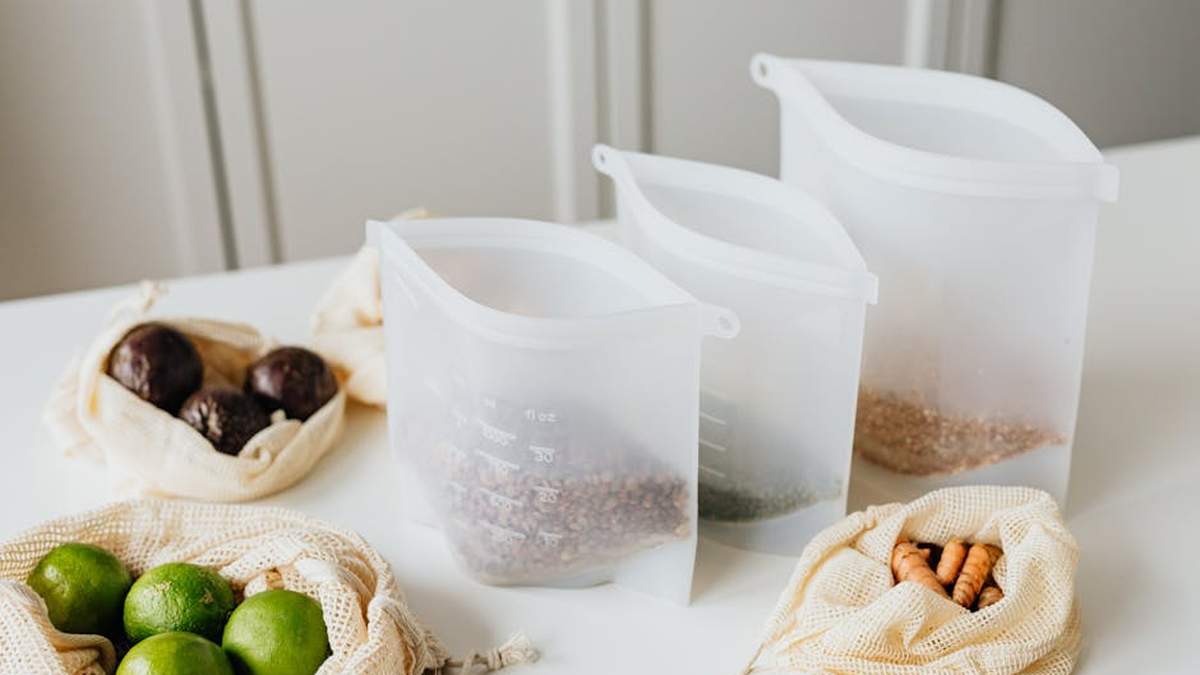
Zip Top Bags offer a unique take on reusable silicone storage, distinguishing themselves with a patented one-piece construction that eliminates the need for lids. Also made from 100% pure platinum silicone, Zip Top products are designed with stability and ease of use in mind. Their most defining feature is their ability to stand upright, thanks to a robust, self-sealing rim that creates a wide, open mouth when in use. Related: Blueland Hand Soap Refill Kit Review: Is This Zero-Waste System Worth It?
Zip Top’s product line includes various shapes tailored for specific needs: “Dishes” for leftovers and meal prep, “Cups” ideal for snacks and drinks, and “Bags” that function like traditional containers but stand on their own. The absence of separate lids means no more searching for matching tops, simplifying the storage process. While they offer excellent spill resistance, their open-top design, even when “zipped” shut, means they are not intended to be entirely leak-proof for vigorous transport or inversion, focusing instead on convenient, upright storage. Related: Dropps Dishwasher Pods Review: My Honest Take on Eco-Friendly Cleaning Power
Feature Comparison
Material and Safety
Both Stasher and Zip Top Bags are manufactured from 100% pure platinum silicone. This material is highly regarded for its food-grade safety, durability, and inertness. It is non-toxic, hypoallergenic, and free from harmful chemicals commonly found in plastics. Both brands commit to products that are safe for food contact across a broad temperature range, ensuring peace of mind for health-conscious consumers. Related: Grove Co. Compostable Sponge Review: My Experience Switching to Plastic-Free Cleaning
Closure Mechanism and Leak-Proofing
This is arguably the most significant differentiator. Stasher’s proprietary Pinch-Loc™ seal creates a true hermetic, airtight, and leak-proof barrier. This makes Stasher bags exceptionally reliable for storing liquids, marinating foods, and transporting items without fear of spills. Conversely, Zip Top Bags feature a unique self-sealing, upright design that does away with separate lids. While the rigid rim and self-closing nature provide excellent spill resistance and can keep contents fresh, they are not designed to be fully leak-proof if inverted or subjected to significant pressure. For upright storage in a fridge or pantry, Zip Top is highly effective; for transporting soups in a backpack, Stasher would typically be the more secure choice. Related: Best Reusable Beeswax Food Wraps for Plastic-Free Kitchens in USA (2026)
Design and Versatility
Stasher bags primarily feature a flexible, pouch-style design that can be laid flat, making them efficient for freezer organization and space-saving when empty. They also offer “stand-up” options, but their primary identity is the flexible bag. Their oven-safe capability (up to 400°F) extends their utility to cooking methods like sous vide or even baking. Zip Top Bags are designed specifically to stand upright, resembling traditional containers but without separate lids. Their wide openings and stable base make them incredibly easy to fill, access, and pour from. This design is particularly advantageous for organizing refrigerators and pantries, as they stack neatly and present their contents clearly. However, their rigid structure means they don’t flatten for storage when empty in the same way Stasher bags do, potentially taking up more space.
Cleaning and Maintenance
Both brands boast dishwasher-safe properties, simplifying post-use cleanup. For Stasher bags, it is often recommended to invert them or prop them open for thorough drying, particularly around the Pinch-Loc™ seal. Zip Top Bags, with their wide openings, are generally straightforward to clean and dry, especially the dish and cup designs. Both materials resist staining and odors better than plastic, although strong pigments like tomato sauce might leave a faint trace over time, which can often be mitigated by sun exposure.
Temperature Versatility
Both Stasher and Zip Top Bags are excellent for use in the microwave and freezer, making them ideal for reheating leftovers or preserving food. Stasher gains an edge with its oven-safe capability, allowing for baking, roasting, or sous vide cooking directly in the bag, broadening its culinary applications. Zip Top Bags are generally not recommended for high oven temperatures, limiting their use to storage and microwave reheating.
Price Point
Both Stasher and Zip Top Bags represent a premium investment compared to disposable plastic options, reflecting their durable material and innovative design. Pricing tends to be comparable per volume across both brands, though specific sizes or multi-packs may offer varying value. The initial cost is offset by their reusability and longevity, offering significant long-term savings and environmental benefits.
Pros and Cons for Both
Stasher Bags – Pros
- Excellent Leak-Proof Seal: The Pinch-Loc™ seal is truly airtight, preventing spills and leaks, ideal for liquids and marinades.
- Oven Safe: Can be used for cooking methods like sous vide, baking, or reheating in the oven (up to 400°F).
- Highly Versatile: Suitable for freezer, microwave, oven, dishwasher, and even travel.
- Space-Saving: Flexible design allows bags to lay flat, optimizing freezer and drawer space when full or empty.
- Durable: Built to last for thousands of uses, reducing waste significantly.
Stasher Bags – Cons
- Seal Can Be Tricky: Some users may find the Pinch-Loc™ seal requires a bit of practice or effort to close perfectly, especially initially.
- Cleaning Corners: The corners of the pouch design can sometimes be a bit more challenging to clean thoroughly by hand.
- Accessibility: The flexible opening, while good, may not be as wide or stable as Zip Top for scooping or pouring.
Zip Top Bags – Pros
- Incredibly Easy to Use: Stand-up design with wide openings makes filling, accessing, and pouring contents effortless.
- No Lids to Lose: Patented one-piece construction means no more searching for matching lids, simplifying organization.
- Excellent for Organization: Stable, upright design allows for neat storage in fridges, freezers, and pantries.
- Spill-Resistant: The self-sealing rim offers good protection against spills during typical upright storage.
- Efficient Cleaning: Wide openings generally make them very easy to clean and dry, even by hand.
Zip Top Bags – Cons
- Not Fully Leak-Proof: While spill-resistant, they are not designed for completely leak-proof transport, especially for liquids if inverted.
- Not Oven Safe: Lacks the high-temperature oven capability of Stasher, limiting certain cooking applications.
- Less Space-Saving When Empty: Retain their shape, so they don’t flatten as much as Stasher bags for compact storage when empty.
- Bulky for Travel: The rigid structure can be less adaptable for packing into tight spaces for on-the-go use compared to flexible bags.
Which One is Better For Whom?
Choose Stasher Bags if you:
- Need true leak-proof storage and transport: Essential for liquids, soups, sauces, or marinating foods without mess.
- Engage in sous vide cooking or oven reheating: Their oven-safe feature significantly expands cooking possibilities.
- Prioritize ultra-compact storage: They lay flat when empty, making them ideal for small kitchens or maximizing freezer space.
- Require versatile, durable bags for various tasks: From freezer to microwave to oven, they handle diverse culinary needs.
- Frequently pack food for travel or commutes: The secure seal provides peace of mind on the go.
Choose Zip Top Bags if you:
- Value extreme ease of access and lid-free convenience: Perfect for everyday leftovers, meal prep, and pantry organization.
- Prefer upright, stable containers: Ideal for keeping items neat in the refrigerator, on countertops, or in cupboards.
- Frequently store dry goods, snacks, or easily accessible portions: The wide opening is excellent for scooping, pouring, or grabbing.
- Are looking to simplify your kitchen with a cohesive, stackable system: Their uniform, upright design contributes to a tidy kitchen aesthetic.
- Desire easy cleaning and quick drying: The open top makes washing and airing out simple.
Final Verdict
The choice between Stasher and Zip Top Bags ultimately hinges on your specific kitchen habits, storage priorities, and intended uses. Both brands offer high-quality, sustainable alternatives to single-use plastics, crafted from safe and durable platinum silicone.
For those prioritizing a truly leak-proof seal for liquids, versatile cooking applications including oven use, and maximum space-saving when empty, Stasher Bags often emerge as the stronger contender. Their robust Pinch-Loc™ seal and flexible design make them an excellent all-around workhorse for freezing, marinating, and on-the-go transport.
Conversely, if your primary concerns are effortless access, the elimination of separate lids, and stable upright storage for organization in your fridge or pantry, then Zip Top Bags could be the superior choice. Their innovative design simplifies meal prep and leftover management, offering unparalleled convenience for daily kitchen tasks.
Many USA households may find benefit in incorporating both brands into their kitchen arsenal. Using Stasher for leak-proof transport and sous vide, while leveraging Zip Top for quick access fridge storage and pantry organization, could offer the best of both worlds, creating a truly comprehensive and sustainable food storage system.
Which reusable food storage option, Stasher or Zip Top, provides a more reliable, leak-proof seal for liquids and marinades in a busy USA kitchen?
Stasher bags, with their patented Pinch-Loc™ seal, are widely regarded for their superior leak-proof performance, making them an excellent choice for liquids, soups, and marinades. While Zip Top bags offer a secure seal for many foods, their stand-up design and zipper-style closure might be perceived as slightly less watertight than Stasher’s for very thin liquids when laid flat or jostled.
Considering everyday use in a USA home, which is easier to clean and maintain without odor retention: Stasher bags or Zip Top containers?
Both brands are dishwasher and freezer safe, making cleaning convenient. Stasher’s simpler, often flatter pouch design can be easier to hand wash and invert for thorough drying, which helps prevent odors. Zip Top’s stand-up, container-like design is great for air drying on racks, but the deeper corners and thicker top edge might require a bit more attention during hand washing to ensure no food residue is left behind, especially with strong-smelling foods.
For a typical USA kitchen with diverse food storage needs, are Stasher or Zip Top bags more versatile for everything from snacks to meal prep?
Zip Top bags excel in versatility for many USA kitchen needs due to their unique stand-up design, functioning much like traditional containers for easy filling, snacking, and fridge organization. Stasher offers a broad range of sizes and styles, including stand-up options, and is highly versatile for general storage, freezing, and even cooking methods like sous vide. The choice often comes down to preference for a container-like upright form (Zip Top) versus a more flexible pouch (Stasher) for specific applications.
Between Stasher and Zip Top bags, which brand offers better long-term durability and overall value for heavy use in a USA kitchen, especially for freezing and microwaving?
Both Stasher and Zip Top are made from durable platinum silicone and designed for longevity, resisting wear from freezing and microwaving. Stasher bags are often perceived as having a slightly thicker, more robust silicone and a seamless design, which can contribute to exceptional long-term durability, especially for intensive use like sous vide. Zip Top bags also offer excellent durability and value, particularly valuing their structural integrity for standing upright, which minimizes spills and maximizes usable space in the freezer or microwave.
Related Products
- LastSwab Reusable Cotton Swab Review: My Honest Take on This Zero-Waste Swap
- Owala FreeSip Water Bottle Review: Is This Sustainable Hydration Worth the Hype?
- Stasher Reusable Silicone Bag Review: The Ultimate Guide to Sustainable Food Storage
- Bite Toothpaste Bits Review: My Unbiased Opinion on Plastic-Free Oral Care
- Tru Earth Laundry Strips Review: Do These Eco-Friendly Pod Alternatives Really Work?