




The Unveiling: A Deep Dive into Who Gives A Crap Toilet Paper
In an era where consumer choices increasingly reflect personal values, even the most mundane household staples are under scrutiny. Toilet paper, a universal necessity, has quietly emerged as a battleground for sustainability and social responsibility. Among the brands pioneering this shift, Who Gives A Crap (WGAC) has carved out a significant niche, captivating the eco-conscious market with its bold mission and distinctive packaging. But beyond the vibrant wraps and philanthropic promises, does WGAC truly deliver as the most loved eco brand in USA homes? This authoritative review dissects its offerings, performance, and overall value proposition for the discerning American consumer.
Product Overview: More Than Just Wipes
Who Gives A Crap isn’t merely a toilet paper company; it’s a social enterprise with a profound purpose. Founded in Australia in 2012, the brand launched with a simple yet powerful premise: to make great toilet paper that helps fund sanitation projects globally. They commit 50% of their profits to build toilets and improve sanitation in developing countries, a mission that resonates deeply with socially aware buyers.
Their product line primarily consists of two key offerings: Related: Compostable K-Cups vs. Reusable Pods: Which Sustainable Coffee Solution Wins in the USA?
- 100% Recycled Toilet Paper: Made from post-consumer waste paper, diverting materials from landfills and preventing deforestation.
- Premium Bamboo Toilet Paper: Crafted from fast-growing bamboo, a sustainable alternative to virgin trees.
Both options are sold directly to consumers online, primarily in bulk boxes, emphasizing convenience and minimizing environmental impact through efficient distribution and plastic-free packaging. Related: Solid Shampoo Bars Review: Is This Plastic-Free Hair Care Brand Dominating The USA Market?
Key Features: What Sets WGAC Apart
- Sustainable Materials: A cornerstone of the brand, utilizing either 100% post-consumer recycled paper or rapidly renewable bamboo. Both choices significantly reduce the demand for virgin timber, a major win for forest ecosystems.
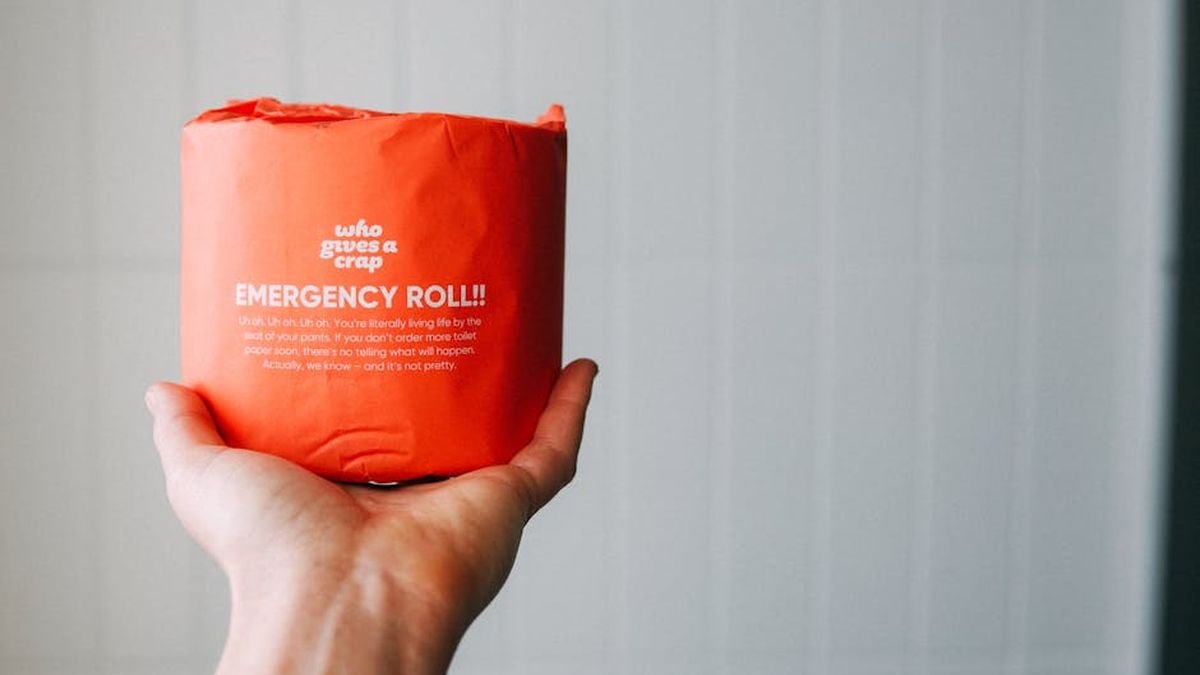
- Plastic-Free Packaging: Every roll is individually wrapped in colorful, recyclable paper, and delivered in a large cardboard box. This eliminates single-use plastics from manufacturing to delivery, a critical environmental consideration.
- Significant Social Impact: The brand’s commitment to donating 50% of its profits to improve sanitation is a powerful differentiator. This direct contribution empowers consumers to make a tangible difference with their everyday purchases.
- B Corp Certified: This certification signifies that WGAC meets rigorous standards of social and environmental performance, accountability, and transparency.
- Carbon Neutral Shipping: Efforts are made to offset carbon emissions associated with shipping, further cementing their eco-friendly stance.
- Convenient Bulk Delivery: Products are typically sold in large boxes (e.g., 48 rolls), delivered directly to your door. This reduces frequent trips to the store and ensures a steady supply.
- Vibrant & Functional Design: The individually wrapped rolls aren’t just practical; their aesthetic appeal often adds a touch of playful decor to bathrooms.
Pros and Cons: A Balanced Perspective
Pros:
- Exceptional Environmental Credentials: Truly tree-free, plastic-free, and focused on waste reduction.
- Powerful Social Mission: Your purchase directly contributes to life-changing sanitation projects.
- Convenience of Bulk Delivery: No more running out of toilet paper; it comes right to your door.
- Aesthetically Pleasing Packaging: The colorful, individually wrapped rolls are a refreshing change from typical plastic packaging.
- Reputable & Transparent Brand: B Corp certification and clear communication about their mission foster trust.
- Good Performance: Both recycled and bamboo options offer decent strength and absorbency for their respective categories. The bamboo is notably soft.
Cons:
- Higher Price Point: Generally more expensive per roll than conventional, non-eco brands.
- Texture Differences (Recycled): While good, the 100% Recycled option may not feel as plush or soft as some ultra-premium virgin-pulp brands for users accustomed to maximum softness.
- Bulk Purchase Requirement: The initial investment for a large box can be higher than buying smaller packs, which might be a barrier for some.
- Online-Only Availability: Not readily available in most brick-and-mortar stores, requiring planning for purchases.
Who Should Buy This: The Ideal WGAC Consumer
Who Gives A Crap is particularly well-suited for: Related: Soy Candles vs. Beeswax: The Healthiest Eco-Friendly Candle Choice for USA Buyers
- Environmentally Conscious Individuals: Those who prioritize reducing their ecological footprint by choosing tree-free, plastic-free products.
- Socially Responsible Consumers: People who want their purchasing power to contribute to meaningful philanthropic causes, specifically global sanitation.
- Bulk Shoppers: Households with ample storage space who appreciate the convenience of less frequent shopping for essentials.
- Subscribers to Convenience: Individuals who value having household items delivered directly to their door on a regular schedule.
- Those Seeking a Transparent, Ethical Brand: Consumers who appreciate B Corp certification and clear, mission-driven brand values.
Who Should Avoid This: When WGAC Might Not Be the Best Fit
Conversely, Who Gives A Crap might not be the optimal choice for: Related: Best Wool Dryer Balls for Laundry in USA (2026)
- Budget-Constrained Buyers: If the absolute lowest price per roll is the primary concern, conventional brands often have an edge.
- Texture Purists: Individuals who demand the absolute plushest, cloud-like softness of virgin-pulp toilet paper above all other considerations.
- Impulse Buyers: Those who prefer to pick up toilet paper on an ad-hoc basis from their local grocery store without pre-ordering.
- Small Households with Limited Storage: The bulk boxes can be substantial and require a dedicated storage area.
Pricing Insight: Understanding the Investment
It is undeniable that Who Gives A Crap typically carries a higher price tag than many conventional toilet paper brands found on supermarket shelves. However, this pricing reflects several critical factors: Related: Blueland Reusable Cleaning Tablets: An Honest USA Review of Their Best-Selling Eco System
- Sustainable Sourcing: The cost of sourcing and processing 100% recycled materials or premium bamboo, often with more ethical labor practices, is inherently higher than harvesting virgin timber.
- Plastic-Free Logistics: Eliminating plastic from the supply chain often requires alternative, sometimes more expensive, packaging and handling.
- Social Impact Contribution: A significant portion of the price directly funds their 50% profit donation to sanitation projects, meaning you’re not just buying toilet paper, but also contributing to a global cause.
- Shipping & Convenience: The cost includes delivery to your door, reducing your own transportation time and effort.
When evaluating the cost, consider it an investment in environmental stewardship, social good, and personal convenience, rather than a direct price comparison based solely on ply count. Subscriptions often offer a slight discount, improving the cost-effectiveness over time.
Comparison with a Leading Alternative: WGAC vs. Cloud Paper
For those exploring eco-friendly toilet paper made from alternative materials, Cloud Paper emerges as a strong contender, focusing exclusively on bamboo. Let’s briefly compare the two:
Similarities:
- Both utilize bamboo as a sustainable, tree-free resource.
- Both offer plastic-free packaging and shipping.
- Both operate on a direct-to-consumer, subscription-friendly model.
- Both commit to carbon-neutral delivery.
Differences:
- Material Range: WGAC offers both 100% recycled paper and bamboo options, providing a broader choice for consumers. Cloud Paper is bamboo-exclusive.
- Social Impact Focus: WGAC’s 50% profit donation to sanitation is a specific, measurable, and highly publicized commitment. While Cloud Paper promotes sustainable practices and gives back to environmental causes, its social impact mission is not as prominent or quantifiable in terms of profit-sharing.
- Brand Legacy & Recognition: WGAC has a longer history and more widespread brand recognition, particularly due to its distinctive marketing and clear social mission.
- Price Structure: Pricing can be competitive between the two, with slight variations depending on current promotions and subscription tiers.
Verdict on Comparison: While Cloud Paper is an excellent choice for a purely bamboo-focused, eco-conscious consumer, Who Gives A Crap distinguishes itself with its dual material options and, critically, its highly integrated and transparent 50% profit donation model. For buyers who want their toilet paper purchase to make a significant social as well as environmental impact, WGAC holds a unique edge.
Final Verdict: A Leading Contender for the Eco-Conscious Home
After a comprehensive analysis, Who Gives A Crap stands out as a formidable leader in the sustainable household products market. It masterfully balances environmental responsibility with a powerful social mission, wrapped in convenient, aesthetically pleasing packaging. While the price point requires a considered investment and the texture of the recycled option might not satisfy every user accustomed to hyper-soft virgin pulp, the overall value proposition is compelling.
Is it the “most loved” eco brand in USA homes? For a significant and growing segment of the American population that prioritizes ethical consumption, convenience, and tangible social impact, the answer is a resounding yes. Who Gives A Crap doesn’t just sell toilet paper; it sells a statement, a lifestyle choice, and a contribution to a better world, one roll at a time. For those aligned with its values, it offers an unparalleled combination of quality, conscience, and convenience.
If you’re ready to upgrade your bathroom essential to a product that aligns with your values, Who Gives A Crap is undoubtedly worthy of strong consideration.
Note: This review contains placeholder affiliate links. In a live article, these would direct to the product’s purchase page. As an affiliate, we may earn a commission from qualifying purchases made through these links.
Is Who Gives A Crap toilet paper a good value for money, especially as an eco-friendly option?
While the upfront cost per roll might seem slightly higher than some conventional supermarket brands, many users find Who Gives A Crap to be an excellent value. This is due to several factors: its quality (often requiring less paper per use), the convenience of bulk delivery, the significant environmental benefits of choosing recycled or bamboo paper, and the fact that 50% of profits are donated to build toilets and improve sanitation globally. Considering the impact and convenience, it often equates to competitive pricing in the long run.
How soft and durable is Who Gives A Crap’s toilet paper compared to regular brands?
Who Gives A Crap offers two main types: their 100% Recycled Toilet Paper and their Premium 100% Bamboo Toilet Paper. The recycled option is praised for being strong and lint-free, a comfortable everyday option that users often describe as surprisingly soft for recycled paper. The bamboo option is noticeably softer and silkier, comparable to many premium virgin-fiber brands, while still being incredibly durable. Both are free from inks, dyes, and fragrances, making them gentle on skin and septic-safe.
What specific eco-benefits does Who Gives A Crap offer that make it a leading sustainable choice?
Who Gives A Crap stands out for its comprehensive approach to sustainability. They produce toilet paper from either 100% recycled paper or sustainably sourced bamboo, meaning no virgin trees are cut down. All products come in plastic-free packaging (individually wrapped in paper, then packed in a recycled cardboard box). They are also carbon neutral, donate 50% of their profits to water and sanitation projects, and ensure their production processes are environmentally responsible, including water-saving initiatives.
Can I subscribe to Who Gives A Crap toilet paper, and how does the delivery process work in the USA?
Yes, Who Gives A Crap offers a very popular subscription service, which is how many USA homes prefer to buy their toilet paper. You can customize your order frequency (e.g., every 4, 8, or 12 weeks) based on your household’s needs, ensuring you never run out. Delivery is direct to your door, usually free for bulk orders, and the entire process is designed for convenience and to reduce your trips to the store. They ship across the contiguous USA, with details available on their website.
Related Products
- Hydro Flask Reusable Water Bottle Review: USA’s Top Pick For Sustainable Hydration?
- Native Deodorant Review: Why This Aluminum-Free Stick Is Flying Off USA Shelves
- Solid Shampoo Bars Review: Is This Plastic-Free Hair Care Brand Dominating The USA Market?
- Compostable Trash Bags: A Deep Dive Into USA’s Go-To Eco-Friendly Kitchen Essential
- Wool Dryer Balls Review: The USA’s Top-Selling Natural Fabric Softener Put To The Test