




Introduction: Illuminating Your Eco-Friendly Home
For consumers in the USA increasingly focused on health and environmental stewardship, selecting the right home fragrance product is a critical decision. While traditional paraffin candles have long dominated the market, concerns over petroleum byproducts and potential indoor air pollutants have spurred a shift towards more natural alternatives. Among the most popular and celebrated contenders in the eco-friendly candle space are soy candles and beeswax candles. This comprehensive buyer’s guide will dissect their characteristics, environmental impact, health considerations, and overall value, empowering you to make an informed choice that aligns with your values for a healthier home.
Comprehensive Comparison Table
| Feature | Soy Candles | Beeswax Candles |
|---|---|---|
| Origin/Source | Hydrogenated soybean oil (vegetable-based) | Secreted by worker honeybees (animal byproduct) |
| Sustainability | Renewable resource, often sourced from USA-grown soybeans. Concerns exist regarding monoculture farming and pesticide use for non-organic soy. Biodegradable. | Renewable resource, byproduct of honey production. Sustainability depends on ethical beekeeping practices and bee population health. Biodegradable. |
| Burn Time | Generally longer than paraffin due to lower melting point (up to 30-50% longer). | Significantly longer than paraffin and soy, due to higher melting point and dense structure. |
| Scent Throw (Fragrance Diffusion) | Excellent carrier for essential oils and fragrance oils; good, consistent scent throw. | Naturally subtle, sweet honey-like aroma. Can be blended with essential oils, but natural scent may compete. |
| Soot Production | Minimal black soot when properly trimmed, significantly less than paraffin. | Virtually soot-free when properly trimmed, often considered the cleanest burning candle. |
| Air Purification Claims | Burns cleanly, emitting no known toxins. No specific air purification claims. | Purported to release negative ions when burning, which are said to neutralize air pollutants (dust, pollen, odors). |
| Allergy Concerns | Generally hypoallergenic; potential for allergies related to added fragrances or dyes. | Generally hypoallergenic; natural product, less likely to trigger sensitivities for most. |
| Cost (General) | Mid-range; more affordable than beeswax, more expensive than paraffin. | Higher-end; typically the most expensive natural candle option. |
| Availability in USA | Widely available from major retailers to small artisan shops. Often promoted as a “Made in USA” product. | Available, but often in specialty stores, health food shops, or directly from beekeepers. Purer forms can be harder to find. |
| Vegan Status | Yes, 100% plant-based. | No, derived from animal labor (bees). |
Product A Overview: Soy Candles
What Are Soy Candles?
Soy candles are crafted from hydrogenated soybean oil, a renewable resource derived from soybeans, a major agricultural crop in the United States. This vegetable-based wax is lauded for its clean-burning properties and biodegradability. As a softer wax with a lower melting point compared to paraffin, soy candles tend to burn slower and cooler, which contributes to a longer overall burn time. They are exceptional at holding and dispersing fragrances, making them a popular choice for those who enjoy a wide variety of scents. Their cultivation often supports American farmers, appealing to buyers interested in domestic products.
Product B Overview: Beeswax Candles
What Are Beeswax Candles?
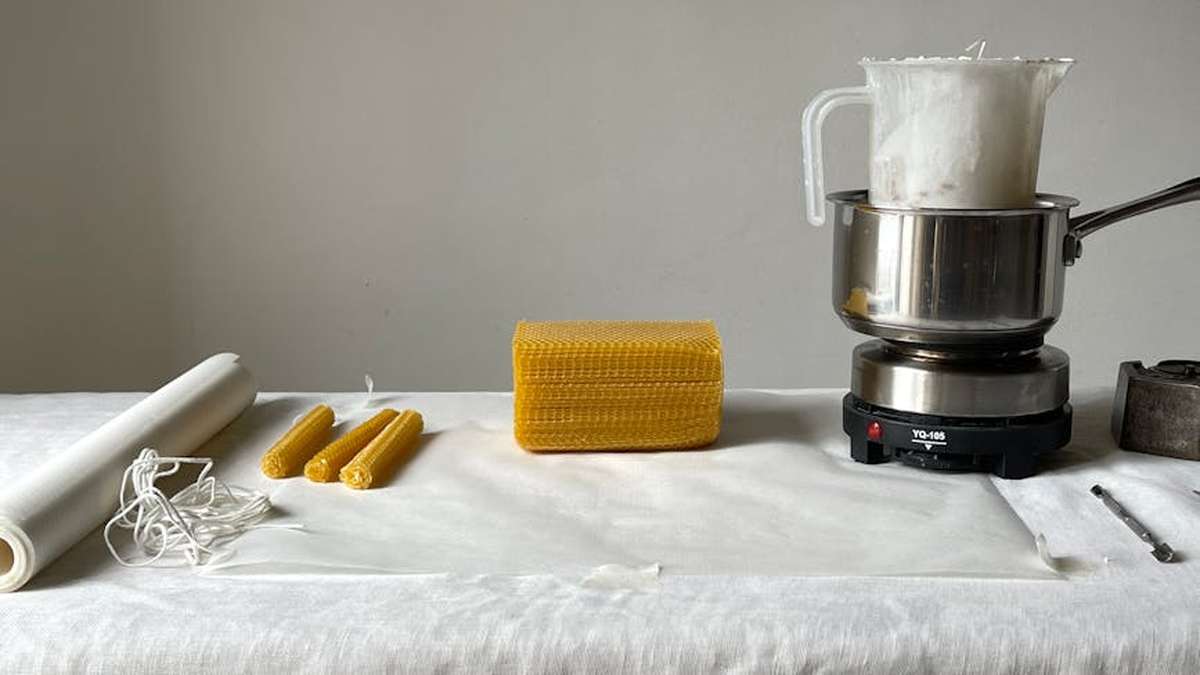
Beeswax candles are made from the natural wax secreted by worker honeybees to construct their hives. It is a natural byproduct of honey production, making it a renewable resource as long as beekeeping practices are sustainable and respectful of bee populations. Beeswax is a harder wax with a higher melting point, resulting in an exceptionally long and clean burn. When burning, pure beeswax candles emit a subtle, natural honey-like aroma, often appreciated for its understated elegance. They are also unique in their purported ability to purify the air by releasing negative ions.
Related: Bite Toothpaste Bits Review: My Unbiased Opinion on Plastic-Free Oral Care
Detailed Feature Comparison
Sustainability and Environmental Impact
Both soy and beeswax are significantly more environmentally friendly than petroleum-derived paraffin wax. Soy wax is a plant-based, renewable resource, with much of its production centered in the USA. However, large-scale soybean farming can raise concerns regarding monoculture, land use, and the potential for pesticide use if not organic. Beeswax, while also renewable, relies on the health and ethical treatment of bee colonies. Sustainable beekeeping practices are crucial to ensure bee populations thrive, which is vital for global ecosystems beyond just candle production. For USA buyers, supporting local, organic soy farms or ethical beekeepers is key to maximizing environmental benefits for either choice.
Related: Who Gives A Crap vs. Reel Paper: Top Eco-Friendly Toilet Paper Brands for USA Families?
Burn Quality and Scent Throw
Soy candles are celebrated for their impressive scent throw, meaning they effectively disperse fragrance throughout a room. Their lower melting point allows for a larger melted wax pool, which releases fragrance efficiently. They burn slowly and consistently when properly maintained (wick trimmed). Beeswax candles, on the other hand, boast the longest burn times of natural waxes, often burning brighter and with less flickering. Pure beeswax has a distinct, subtle honey scent, which can be lovely but may not appeal to those seeking a strong added fragrance. While beeswax can be blended with essential oils, its natural aroma may influence the final scent profile. When it comes to soot, beeswax is generally considered virtually soot-free, while soy produces minimal soot compared to paraffin, particularly with a well-trimmed wick.
Related: Ethique Solid Shampoo Bar Review: Honest Results from Zero-Waste Haircare
Air Purity and Allergen Profile
A significant draw for natural candles is their contribution to indoor air quality. Both soy and beeswax candles burn cleanly, releasing far fewer, if any, toxins or carcinogens compared to paraffin. Beeswax, however, has a unique selling point: the claim that it releases negative ions when burned. These negative ions are said to bind with airborne pollutants like dust, pollen, and odors, causing them to fall to the ground and effectively purifying the air. While scientific consensus on the extent of this effect specifically from candles is debated, many users report a noticeable improvement in air freshness. Both waxes are generally considered hypoallergenic, making them suitable for individuals sensitive to the chemicals found in traditional candles. For those with severe allergies, opting for unscented versions of either wax is advisable to avoid potential reactions to essential or fragrance oils.
Related: Tru Earth Laundry Strips Review: Do These Eco-Friendly Pod Alternatives Really Work?
Pros and Cons for Both Options
Soy Candles
Pros:
- Eco-Friendly & Renewable: Made from soybeans, a readily renewable and biodegradable resource.
- Excellent Scent Throw: Superb at holding and dispersing fragrances.
- Longer Burn Time: Burns slower and cooler than paraffin, extending candle life.
- Lower Cost: Generally more affordable than beeswax candles.
- Clean Burning: Produces significantly less soot than paraffin.
- Vegan: A purely plant-based product, suitable for vegan lifestyles.
- Supports USA Agriculture: Many soy candles use domestically grown soybeans.
Cons:
- Monoculture Concerns: Large-scale soybean farming can raise environmental questions (e.g., deforestation, pesticide use if not organic).
- Potential for Tunneling: Softer wax can lead to tunneling if not burned to the edges on the first burn.
- Some Soot Possible: While minimal, improper wick care can still lead to some soot.
- Melting Point: Softer wax can be more susceptible to melting or softening in warm environments.
Beeswax Candles
Pros:
- Natural Air Purifier: Purported to release negative ions that help clean the air.
- Virtually Soot-Free: Known for being the cleanest burning of all waxes.
- Longest Burn Time: Offers an exceptionally long burn, often outlasting soy and paraffin significantly.
- Natural Scent: Emits a subtle, pleasant honey-like aroma naturally.
- Renewable Resource: A natural byproduct of beekeeping, supporting vital pollinators.
- Bright Flame: Burns with a distinctively brighter, warmer flame.
Cons:
- Higher Cost: Generally the most expensive natural candle option.
- Not Vegan: An animal byproduct, unsuitable for strict vegan consumers.
- Limited Scent Options: Natural honey scent can sometimes overpower added fragrances, and not everyone prefers it.
- Availability: Pure beeswax candles might be less readily available than soy or paraffin.
- Ethical Sourcing: Requires careful sourcing from ethical, sustainable beekeepers.
Which Candle is Right for You?
Choose Soy Candles if:
- You prioritize a wide variety of strong, consistent fragrances.
- You are budget-conscious but still want an eco-friendly option.
- You adhere to a vegan lifestyle.
- You want to support USA agriculture and domestic production.
- You seek a clean-burning candle with good performance.
Choose Beeswax Candles if:
- Your primary concern is air purification and indoor air quality.
- You prefer a natural, subtle, honey-like aroma or no added scent at all.
- You are willing to invest more for the longest-burning, cleanest possible candle.
- You appreciate supporting beekeeping and the natural ecosystem.
- You value an entirely natural, unadulterated product.
Final Verdict: A Personal Choice for a Healthier Home
The decision between soy and beeswax candles ultimately hinges on your specific priorities, values, and sensory preferences. Both represent a significant upgrade from conventional paraffin candles in terms of health and environmental impact for USA buyers.
Related: Compostable K-Cups vs. Reusable Pods: Which Sustainable Coffee Solution Wins in the USA?
- If a vast array of beautiful scents, supporting domestic agriculture, and a more accessible price point are your driving factors, soy candles are an excellent, versatile choice.
- If the purest burn, potential air purification benefits, a subtle natural aroma, and a willingness to invest in a premium, natural product are paramount, then beeswax candles are the superior option.
Regardless of your selection, always seek out reputable brands that clearly state their ingredients, ideally opting for 100% natural waxes, lead-free cotton wicks, and phthalate-free fragrance oils or pure essential oils. By choosing either soy or beeswax, you are making a conscious decision towards a healthier, more environmentally responsible home environment.
For a USA buyer, which candle type—soy or beeswax—offers superior health benefits and cleaner air quality when burned indoors?
Both soy and beeswax candles are generally considered healthier alternatives to traditional paraffin candles, as they produce significantly less soot and are free from petroleum-based chemicals. Beeswax candles are often lauded for their natural air-purpurifying properties; they release negative ions that can bind with airborne toxins, dust, and allergens, helping to clean the air. High-quality soy candles, made from natural soy wax, also burn cleanly and are non-toxic. For those highly sensitive to indoor air quality or seeking potential air purification benefits, beeswax may have a slight edge, but a pure soy candle with a cotton wick is also an excellent healthy choice.
When considering environmental impact and sustainability in the USA, is a soy or a beeswax candle the more eco-friendly choice?
Both soy and beeswax candles can be considered eco-friendly depending on their sourcing. Soy wax is derived from soybeans, a renewable crop grown in abundance in the USA. To ensure maximum eco-friendliness, look for soy candles made from sustainably farmed, non-GMO soy, and consider brands that prioritize responsible agricultural practices. Beeswax is a natural byproduct of beekeeping, an essential practice that supports pollinator populations crucial for ecosystems. Ethical beekeeping ensures the health and sustainability of bee colonies. Therefore, both are excellent choices when sourced responsibly, with the environmental impact often hinging on the specific practices of the producers and suppliers.
I have allergies and mild asthma; which candle, soy or beeswax, is generally recommended as safer or less irritating for sensitive individuals in the USA?
For individuals with allergies or mild asthma in the USA, both soy and beeswax candles are significantly preferred over paraffin candles. They burn cleaner, produce less soot, and are free from the synthetic fragrances and petrochemicals often found in paraffin. Beeswax candles are frequently recommended due to their hypoallergenic nature and the air-purifying negative ions they release. Pure soy candles are also a great option. The key for sensitive individuals is to choose candles that are 100% pure (not blended with paraffin), use cotton or wood wicks, and are either unscented or scented only with pure essential oils rather than synthetic fragrances.
Considering health, eco-friendliness, and availability for USA buyers, which type of candle offers the best overall value and experience: soy or beeswax?
For USA buyers, both soy and beeswax candles offer excellent overall value and experience as eco-friendly and healthier alternatives. Beeswax candles often boast longer burn times and the unique benefit of natural air purification, appealing to those prioritizing longevity and natural well-being. Soy candles are generally more widely available, often more affordable, and come in a broader range of natural scent options, making them highly popular for everyday use. The “best” choice ultimately depends on individual priorities: if maximum air purification and very long burn times are paramount, beeswax might be preferred. If a balance of good burn, variety of scents, and affordability is key, soy candles are an excellent option. Many reputable brands in the USA offer ethically sourced versions of both.
Related Products
- Meliora vs. Etee Dish Soap: The Ultimate Zero-Waste Dish Cleaning Battle in the USA
- Swedish Dishcloths vs. Cellulose Sponges: Eco-Friendly Kitchen Cleanup for USA Households
- Compostable K-Cups vs. Reusable Pods: Which Sustainable Coffee Solution Wins in the USA?
- Bee’s Wrap vs. Vegan Food Wraps: Eco-Friendly Food Storage Face-Off in the USA
- Who Gives A Crap vs. Reel Paper: Top Eco-Friendly Toilet Paper Brands for USA Families?