




Introduction
As American households increasingly seek sustainable alternatives to traditional cleaning products, zero-waste dishwashing solutions have gained significant traction. Ditching plastic bottles and harsh chemicals for eco-friendly options is a commendable step, but navigating the market can be daunting. Two prominent players in the solid dish soap arena are the Ethique Dish Soap Bar and Blueland Dish Soap Tablets. Both offer innovative approaches to minimizing environmental impact, but they cater to slightly different preferences and priorities. This comprehensive buyer’s guide will delve into their features, performance, and overall value to help you determine which option best suits your US kitchen and lifestyle.
Comparison Table
| Feature | Ethique Dish Soap Bar | Blueland Dish Soap Tablets |
|---|---|---|
| Form Factor | Solid bar (like a large bar of soap) | Small, concentrated tablets |
| Application Method | Rub sponge/brush directly on the bar | Dissolve one tablet in a reusable bottle with water |
| Packaging (Initial Purchase) | Compostable cardboard box | Tablets in compostable pouch, bottle starter kit (glass or silicone) |
| Refill Packaging | Compostable cardboard box | Compostable pouches of tablets |
| Scent Options | Limited (e.g., Lemon & Mint, Unscented) | Limited (e.g., Lemon, often “Forever Fragrance Free”) |
| Ingredients | Plant-based, often vegan, palm oil-free, concentrated | Plant-based, vegan, gluten-free, soy-free, concentrated |
| Efficacy (Grease & Grime) | Generally effective, good lather | Generally effective, good lather once dissolved |
| Lather Quality | Rich, creamy lather directly from the bar | Consistent lather from the dissolved solution |
| Longevity/Durability | Can last a long time if kept dry, prone to softening if left in water | Tablets have a long shelf life, dissolved solution lasts until used up |
| Storage | Requires a soap dish or rack to dry | Tablets in a dry place, dissolved solution in a reusable bottle |
| Initial Cost (US Market) | Moderate per bar | Higher for starter kit (bottle + tablets), lower per tablet for refills |
| Cost Per Use | Can be very economical, depends on usage | Economical per bottle refill, depends on dilution |
| Certifications/Eco-Credentials | Certified B Corp, palm oil-free, vegan, plastic-free | Leaping Bunny certified, Cradle to Cradle certified, B Corp (Blueland as a company) |
| Convenience Factor | Straightforward, no mixing | Requires mixing with water, then functions like liquid soap |
Ethique Dish Soap Bar Overview
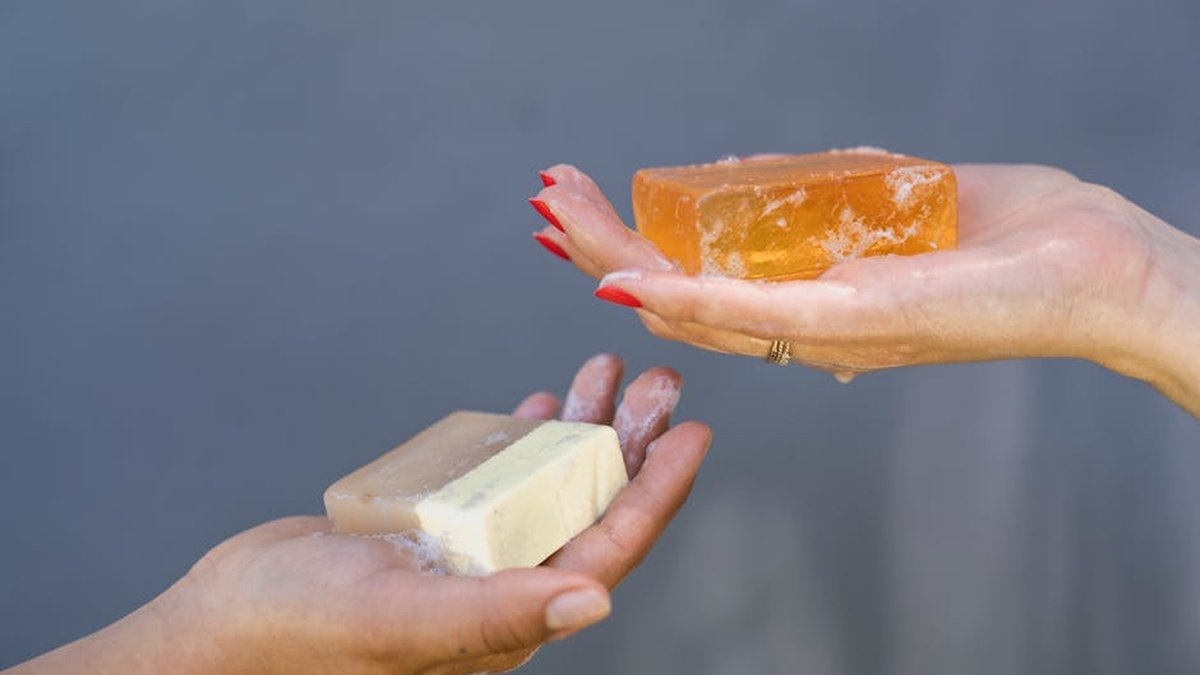
Ethique, a New Zealand-based brand with a strong presence in the US, is renowned for its commitment to solid beauty and home care products. Their Dish Soap Bar embodies this philosophy, offering a concentrated, solid block of dishwashing power. Designed to replace traditional liquid dish soap, it aims to eliminate plastic bottles and reduce water waste in its formulation. The bar is typically rubbed directly with a wet sponge or brush to create lather, which is then used to clean dishes.
Key Characteristics:
- Solid Form: A highly concentrated bar that eliminates the need for plastic packaging for the product itself.
- Compostable Packaging: Comes in a simple, fully compostable cardboard box.
- Natural Ingredients: Formulated with plant-based ingredients, often vegan, palm oil-free, and free from harsh chemicals.
- Direct Application: Users wet their sponge or brush and rub it directly onto the bar to generate suds.
- Longevity: One bar can last for a considerable time, depending on usage and proper storage to keep it dry between uses.
Blueland Dish Soap Tablets Overview
Blueland, a US-based company, has made a name for itself by revolutionizing household cleaning with refillable systems. Their Dish Soap Tablets are part of a broader range of cleaning solutions designed to be plastic-free and endlessly refillable. Instead of buying new plastic bottles, consumers purchase a “Forever Bottle” (made of glass or silicone) once and then refill it by dissolving concentrated tablets in water. This system aims to significantly reduce single-use plastic in the home. Related: Stainless Steel Water Bottles vs. Glass Water Bottles: Which is the Superior Reusable Hydration for US Lifestyles?
Key Characteristics:
- Tablet Form: Small, concentrated tablets that dissolve in water to create a liquid dish soap.
- Reusable Bottle System: Requires an initial purchase of a durable, reusable “Forever Bottle” (glass or silicone) that you refill repeatedly.
- Compostable Refill Packaging: Refill tablets come in compostable pouches.
- Plant-Based Formula: Developed with plant-derived, non-toxic ingredients, often free from parabens, phosphates, phthalates, and ammonia.
- Familiar Liquid Application: Once dissolved, the product functions like traditional liquid dish soap, dispensed from a pump bottle.
Feature Comparison
Form & Convenience
The most significant difference lies in their form. The Ethique Dish Soap Bar is a solid block, offering a minimalist, direct approach. You simply rub your cleaning tool on it. This can be very convenient for those who prefer not to mix solutions or want the simplest possible setup. However, it does require a suitable soap dish to prevent it from sitting in water and softening prematurely. Related: Unpacking the Natural Bristle Biodegradable Dish Brush: An Eco-Conscious Cleaning Essential for USA Kitchens.
Blueland Dish Soap Tablets, on the other hand, embrace a “dissolve and spray/pump” model. You fill a reusable bottle with water, drop in a tablet, and wait for it to dissolve. Once dissolved, you have a liquid dish soap that dispenses just like conventional products. This offers the familiarity of liquid soap, which some users find more convenient for direct application to dishes or filling a sink, but it adds an extra step of preparation. Related: Eco-Friendly Laundry Pods vs. Concentrated Powder: A Head-to-Head Comparison for Cleaner Clothes in America
Packaging & Eco-Impact
Both brands excel in plastic reduction, but their approaches differ. Ethique uses minimal, fully compostable cardboard packaging for its bars, making it completely plastic-free from production to disposal. This straightforward approach is highly appealing to strict zero-waste enthusiasts. Related: My Honest Take on the Refillable All-Purpose Cleaning Concentrate: Eco-Friendly Power for Your USA Home.
Blueland also offers impressive plastic reduction. While their initial starter kits include a durable glass or silicone “Forever Bottle,” their refill tablets come in compostable pouches. This system eliminates single-use plastic bottles, which is a massive win. The choice between the two often comes down to whether you prefer a truly package-free experience with the bar or a long-lasting reusable bottle system with the tablets. Related: Evaluating Reusable Silicone Food Storage Bags: The Best Way to Ditch Plastic in USA Kitchens?
Ingredients & Scent
Both Ethique and Blueland prioritize plant-based, non-toxic formulations, aiming to be gentle on hands and the environment. Ethique often highlights its palm oil-free status and strong ethical sourcing. Blueland emphasizes its “Forever Fragrance Free” options (though they do have some scented versions in other products), non-toxic certifications, and commitment to being free from common harsh chemicals.
Scent options tend to be limited for both in their dishwashing lines, often focusing on natural citrus or mint notes, or unscented versions, appealing to those sensitive to artificial fragrances.
Efficacy & Lather
When it comes to cleaning power, both products are generally well-regarded for their ability to cut through grease and grime. The Ethique Bar produces a rich, creamy lather directly on the sponge. Some users find the direct application allows for more control over sudsing. The Blueland Tablets, once dissolved, create a consistent lather that feels very much like traditional liquid dish soap. Performance can vary slightly based on water hardness and the type of grease encountered, but both are effective for everyday dishwashing in most US homes.
Cost-Effectiveness (US Market)
The upfront cost for an Ethique Dish Soap Bar is typically lower than a Blueland starter kit. However, the Blueland refill tablets can be very economical per refill, especially when purchased in bulk. The longevity of the Ethique bar largely depends on how well it’s kept dry between uses; a well-maintained bar can last a surprising amount of time. Blueland’s cost per use becomes highly competitive over time, as you only need to purchase the inexpensive tablet refills after the initial bottle investment. Both represent good long-term value compared to continually buying new plastic bottles of liquid dish soap.
Ethique Dish Soap Bar: Pros and Cons
Pros:
- Truly Plastic-Free: Zero plastic from product to packaging.
- Minimalist Approach: Simple to use, no mixing required.
- Compact & Travel-Friendly: Easy to pack for trips (though ensure it’s dry).
- Longevity: Can last a long time if stored correctly and kept dry.
- Potentially Lower Upfront Cost: Often a lower initial purchase price compared to a Blueland starter kit.
- Direct Contact Cleaning: Allows for direct application of soap to the cleaning tool.
Cons:
- Storage Requirements: Needs a well-draining soap dish or rack to avoid becoming mushy.
- Mess Factor: Can leave a slight residue on the counter if not properly managed.
- Learning Curve: Some users may need to adjust to using a bar instead of liquid soap.
- Less Convenient for Large Dishes: May require more effort to build up suds for very large items or filling a sink.
- Limited Scents: Fewer scent options compared to conventional liquid soaps.
Blueland Dish Soap Tablets: Pros and Cons
Pros:
- Familiar Experience: Once dissolved, it acts like traditional liquid dish soap from a pump bottle.
- Clean & Tidy: No messy bar to deal with; contained within a bottle.
- Long-Term Plastic Reduction: Eliminates countless single-use plastic bottles with the refill system.
- Convenient Dispensing: Easy to pump directly onto dishes or into a sink.
- Compact Refills: Tablets are very small and easy to store.
- Strong Eco-Certifications: Often holds respected certifications like Cradle to Cradle.
Cons:
- Initial Investment: Higher upfront cost for the reusable “Forever Bottle” starter kit.
- Preparation Step: Requires mixing with water and waiting for the tablet to dissolve.
- Not Completely Package-Free: Refills come in compostable pouches, but there is still some packaging.
- Bottle Maintenance: The reusable bottle needs occasional cleaning.
- Potential for Clogging: If not fully dissolved, residue might occasionally affect the pump mechanism.
Which One Is Better For Whom?
Choose Ethique Dish Soap Bar If:
- You are a purist committed to a truly 100% plastic-free and package-free experience.
- You prefer a minimalist approach to dishwashing without any mixing or bottles.
- You have a suitable soap dish or rack and are diligent about keeping the bar dry between uses.
- You appreciate the direct application of soap to your sponge or brush.
- Your primary concern is reducing the environmental footprint of all your cleaning products, including packaging waste.
- You are comfortable with a slight adjustment to your dishwashing routine.
Choose Blueland Dish Soap Tablets If:
- You want the familiarity and convenience of liquid dish soap, but with a plastic-free refill system.
- You prioritize a clean and tidy countertop without a soap bar potentially sitting out.
- You are willing to make an initial investment in a reusable “Forever Bottle.”
- You prefer the ease of pumping soap directly onto dishes or into a sink.
- You want a system that is still incredibly eco-friendly by eliminating single-use plastic bottles, but with a traditional feel.
- You appreciate a brand with a strong focus on certified non-toxic ingredients and transparent sourcing.
Final Verdict
Both Ethique Dish Soap Bars and Blueland Dish Soap Tablets represent excellent choices for US consumers aiming to reduce their environmental impact in the kitchen. There isn’t a universally “better” option; the ideal choice largely hinges on your personal preferences, habits, and priorities.
If your ultimate goal is absolute minimalism, zero packaging waste beyond what you can compost, and you’re comfortable with a traditional bar soap application, the Ethique Dish Soap Bar is likely your champion. Its simplicity and robust eco-credentials make it a powerful contender.
However, if you crave the convenience and familiar feel of liquid dish soap, are willing to make a one-time investment in a beautiful reusable bottle, and value a system that consistently delivers a mess-free experience, then Blueland Dish Soap Tablets will probably be your preferred solution. They bridge the gap between traditional and sustainable in a very effective way.
Ultimately, choosing either Ethique or Blueland is a significant step towards a more sustainable kitchen. Evaluate your daily routine, consider the points outlined above, and select the option that best aligns with your commitment to a greener lifestyle.
How does the per-wash cost of Ethique Dish Soap Bar compare to Blueland Dish Soap Tablets for a typical US household?
While the initial purchase price might vary, comparing Ethique’s solid dish soap bar to Blueland’s dish soap tablets often comes down to longevity and usage. Ethique bars are highly concentrated and can last a very long time, especially when stored properly (e.g., on a draining soap dish), making the per-wash cost potentially quite low. Blueland tablets offer pre-portioned convenience, which can help prevent overuse, and their refill model is designed for cost savings over time. Many users find both to be cost-effective alternatives to traditional liquid dish soaps, with the ultimate per-wash cost depending on individual dishwashing habits and frequency.
Which zero-waste option, Ethique’s bar or Blueland’s tablets, is more effective at tackling tough grease and baked-on food in American kitchens?
Both Ethique Dish Soap Bar and Blueland Dish Soap Tablets are formulated to be effective degreasers. Ethique’s bar allows for direct application of the concentrated product onto a brush or sponge, which can be very effective for spot-treating heavily soiled items. Blueland’s tablets dissolve in water to create a powerful sudsing solution, ideal for general washing and soaking. User experiences suggest both perform very well on everyday grease and grime. For extremely baked-on food, the method of application (direct scrubbing with a bar vs. soaking with a tablet solution) might be the deciding factor rather than inherent cleaning power.
Considering ease of use and storage, is the Ethique Dish Soap Bar or Blueland Dish Soap Tablets a more convenient choice for a busy US home?
Convenience can be a matter of preference. Blueland Dish Soap Tablets offer unparalleled grab-and-go simplicity: just drop a tablet into water, and it dissolves into dish soap. They are compact, easy to store, and eliminate guesswork for portioning. Ethique’s solid bar requires a good draining soap dish to stay dry and prolong its life. While equally simple to use by rubbing a wet sponge or brush on it, some users might find managing a wet bar slightly less convenient than a pre-portioned tablet. However, the bar takes up minimal counter space and is excellent for those who prefer direct contact with the product.
Beyond the packaging, what are the key differences in ingredients and overall environmental footprint between Ethique’s Dish Soap Bar and Blueland’s Dish Soap Tablets?
Both brands prioritize a minimal environmental footprint, but their approaches differ. Ethique’s Dish Soap Bar is typically made with plant-derived, palm-oil-free ingredients and is often 100% plastic-free, biodegradable, and compostable at the end of its life. Its concentrated bar form means no added water in shipping. Blueland’s Dish Soap Tablets are also made with plant-derived ingredients and are designed to be dissolved in your own tap water, drastically reducing the carbon footprint associated with shipping water-heavy liquid products. Their refill model aims to eliminate single-use plastic bottles, focusing on a circular system for packaging, although the tablets themselves come in compostable pouches or cardboard boxes for refills.
Related Products
- Is the Stainless Steel Safety Razor the Ultimate Eco-Friendly Shave for USA Men & Women?
- Review: The Super Absorbent Reusable Swedish Dishcloths Replacing Paper Towels in USA Homes.
- Unpacking the Natural Bristle Biodegradable Dish Brush: An Eco-Conscious Cleaning Essential for USA Kitchens.
- The Hydrating Solid Shampoo Bar Review: Is This Plastic-Free Haircare Essential Right for USA Lifestyles?
- My Experience with the Non-Toxic Bathroom Cleaning Spray: A Sustainable Solution for USA Homes.