




Introduction
In an era increasingly defined by environmental consciousness, the choices we make for our homes extend far beyond mere functionality. The kitchen, often the heart of domestic activity, is a prime area where sustainable alternatives can significantly reduce our ecological footprint. Traditional plastic dish brushes, while effective, contribute to the pervasive issue of plastic waste, often ending up in landfills or oceans for centuries. This review delves into a noteworthy alternative: the natural bristle biodegradable dish brush. Specifically tailored for the discerning USA consumer, this product aims to merge effective cleaning power with a commitment to planetary well-being. We will explore its design, performance, and overall value proposition for those looking to green their cleaning routines.
Product Overview
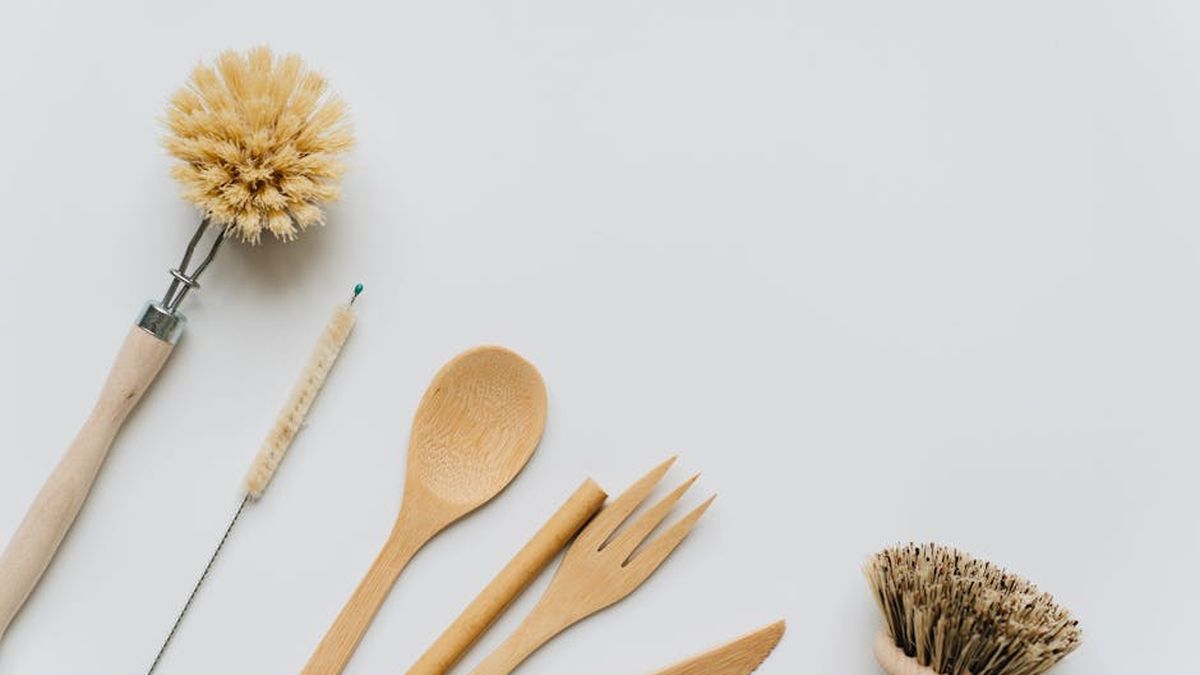
The natural bristle biodegradable dish brush typically features a handle crafted from sustainably sourced materials such as bamboo, beechwood, or other durable hardwoods. The cleaning head is equipped with natural plant-based bristles, commonly derived from agave, sisal, or coconut fibers. This combination ensures that the entire product, upon reaching the end of its operational life, can decompose naturally, returning to the earth without leaving behind persistent plastic residue. Designed for daily kitchen use, it aims to tackle a range of cleaning tasks from scrubbing pots and pans to gently cleaning glassware, positioning itself as a versatile and environmentally responsible tool for modern kitchens across the United States.
Key Features
- Biodegradable Construction: Composed entirely of natural materials such as bamboo or wood for the handle and plant-based bristles, ensuring minimal environmental impact at disposal.
- Ergonomic Design: Handles are often contoured for a comfortable grip, reducing hand fatigue during extended cleaning sessions.
- Effective Cleaning Power: Natural bristles are selected for their stiffness and durability, providing effective scrubbing action against various food residues and grime.
- Chemical-Free Composition: Free from synthetic plastics, dyes, and harsh chemicals often associated with conventional cleaning tools.
- Aesthetic Appeal: The natural wood and plant fibers offer a rustic, clean aesthetic that can complement a variety of kitchen decors.
- Reduced Microplastic Release: Unlike synthetic brushes, natural bristles do not shed microplastic particles into wastewater, contributing to cleaner oceans and ecosystems.
- Potential for Replaceable Heads: Some models feature detachable heads, allowing the user to replace only the bristle portion, further extending the life of the handle and reducing waste.
Pros and Cons
| Pros | Cons |
|---|---|
| Environmentally friendly due to biodegradable materials. | Requires proper drying to prevent mold or mildew on natural wood/bamboo. |
| Reduces household plastic waste and microplastic pollution. | Bristles, being natural, may wear down or soften over prolonged rigorous use faster than some synthetic alternatives. |
| Provides effective scrubbing for most kitchen cleaning tasks. | Initial cost might be slightly higher than mass-produced plastic brushes. |
| Adds a natural, rustic aesthetic to the kitchen space. | Can potentially absorb odors if not cleaned and dried properly. |
| Handle often feels sturdy and comfortable in hand. | Might not withstand extremely aggressive scrubbing on very tough, baked-on grime as well as some specialized metal scourers. |
Who Should Buy This
This natural bristle biodegradable dish brush is particularly well-suited for: Related: The Hydrating Solid Shampoo Bar Review: Is This Plastic-Free Haircare Essential Right for USA Lifestyles?
- Eco-conscious individuals and households: Those actively seeking to reduce their plastic consumption and environmental footprint.
- Consumers prioritizing sustainability: Buyers who value products made from renewable and biodegradable resources.
- Homeowners valuing aesthetics: People who appreciate natural materials and a minimalist or rustic look in their kitchen tools.
- Individuals looking for durable alternatives: While natural, these brushes can be quite robust when properly cared for.
- Those concerned about microplastics: People seeking to minimize the release of synthetic fibers into waterways.
Who Should Avoid This
Conversely, this product might not be the ideal choice for: Related: Compostable Trash Bags vs. Plant-Based Trash Bags: Your Guide to Sustainable Waste Management in the US
- Budget-first shoppers: Individuals whose primary criterion is the absolute lowest upfront cost, as these brushes can sometimes be more expensive initially than cheap plastic options.
- Those unwilling to maintain natural products: If consistent drying and occasional cleaning are not feasible, natural materials might show signs of wear or microbial growth sooner.
- Users with specific sanitation requirements: While cleanable, some might prefer synthetic options for very high-heat sanitization (e.g., boiling in water for extended periods).
- Individuals seeking extremely soft bristles: Though available in varying stiffness, some natural bristles might not be as universally soft as certain synthetic sponges or cloth alternatives for very delicate surfaces.
Pricing Insight
The natural bristle biodegradable dish brush typically occupies a mid-to-premium price point within the kitchen cleaning category in the USA market. Expect to find individual brushes ranging from approximately $8 to $20, with variations depending on the brand, handle material quality, bristle type, and whether it features a replaceable head design. While this initial outlay might be higher than that of a standard multi-pack of plastic brushes or sponges, the value proposition lies in its potential longevity (with proper care), reduced environmental impact, and often superior build quality. Considering its eco-credentials and durable design, many consumers view it as a worthwhile long-term investment that aligns with their sustainability goals, rather than merely a disposable item. Related: Bamboo Toothbrushes vs. Recycled Plastic Toothbrushes: Which Eco-Friendly Option is Best for Your US Bathroom?
Comparison with 1 Alternative: The Standard Plastic Dish Brush
To better understand the natural bristle biodegradable dish brush’s position, it’s helpful to compare it against its ubiquitous counterpart, the standard plastic dish brush. Related: My Experience with the Non-Toxic Bathroom Cleaning Spray: A Sustainable Solution for USA Homes.
| Feature | Natural Bristle Biodegradable Dish Brush | Standard Plastic Dish Brush |
|---|---|---|
| Materials | Sustainably sourced wood/bamboo handle, plant-based (sisal, coconut, agave) bristles. | Synthetic plastic handle (e.g., polypropylene), nylon or polyester bristles. |
| Environmental Impact | Biodegradable, compostable (if bristles are fully natural), reduces plastic waste and microplastic pollution. Renewable resources. | Non-biodegradable, contributes to landfill waste and ocean plastic pollution. Sheds microplastics. Derived from fossil fuels. |
| Cleaning Performance | Effective for most dishwashing tasks; bristles offer good scrubbing power. Different bristle types offer varying stiffness. | Highly effective and durable against most grime; consistent performance over time. |
| Durability & Longevity | Durable with proper care (drying after use); bristles may soften over time. Potential for replaceable heads extends life. | Highly durable and resistant to water degradation; bristles can eventually splay or degrade but typically lasts a significant period. |
| Maintenance | Requires proper drying between uses to prevent mold/mildew; occasional cleaning recommended. | Generally low maintenance; quick to dry, resistant to mold. Can often be sanitized in dishwashers. |
| Aesthetics | Natural, rustic, minimalist appearance; blends well with various kitchen decors. | Often brightly colored; industrial or utilitarian appearance. |
| Cost | Typically a higher initial investment, but offers long-term value and environmental benefits. | Lower initial cost, often available in multi-packs, making it budget-friendly. |
Note: While plastic brushes may seem more robust or convenient initially, the long-term environmental cost of plastic accumulation is a significant factor driving consumers towards biodegradable alternatives. Related: Shampoo Bars vs. Refillable Liquid Shampoo (Eco Brands): The Sustainable Haircare Battle for USA Consumers
Final Verdict
The natural bristle biodegradable dish brush represents a thoughtful and practical step towards a more sustainable kitchen for USA consumers. It successfully marries effective cleaning capabilities with a profound commitment to environmental stewardship. While it may require a slight adjustment in care routines compared to its plastic counterparts and potentially involves a marginally higher initial investment, the benefits in terms of reduced plastic waste, minimal ecological footprint, and pleasing aesthetics are substantial. For those prioritizing sustainability without compromising on cleaning performance, this eco-conscious essential is a highly commendable choice. It is a product that not only cleans your dishes but also supports a cleaner planet, making it a compelling option for the modern, environmentally aware household.
What kind of natural bristles are used in this biodegradable dish brush, and are they effective for stubborn food residue without scratching delicate surfaces?
Our biodegradable dish brushes typically feature durable, plant-based bristles, often made from sisal, agave, or coconut fibers. These natural bristles are stiff enough to tackle baked-on food and grease effectively, yet gentle enough to be safe for most cookware, including non-stick, cast iron, and ceramic, without fear of scratching when used properly.
How do I properly dispose of this natural bristle dish brush to ensure its full biodegradability and minimize environmental impact?
To ensure proper biodegradation, once your natural dish brush has reached the end of its useful life, simply remove any non-biodegradable components (though ours are designed to be fully biodegradable). The bristles and wooden handle can typically be composted in a home compost bin or industrial composting facility. If composting isn’t an option, they will naturally break down much faster and without microplastic pollution in a landfill compared to plastic alternatives.
What is the average lifespan of a natural bristle dish brush compared to traditional plastic brushes, and how can I extend its durability?
While the lifespan can vary based on usage, a well-maintained natural bristle dish brush typically lasts several months, often comparable to or even longer than plastic brushes. To maximize its durability, always rinse the brush thoroughly after use and allow it to air dry completely in an upright position. Avoiding prolonged soaking in water and storing it in a dry environment will prevent mildew and ensure a longer, more hygienic life.
Is this eco-conscious dish brush suitable for all types of dishes and cookware, including delicate items like glassware or heavy-duty pots?
Absolutely! The natural fibers are designed to be versatile. The firmness of the bristles is effective for scrubbing heavy-duty pots and pans, while their flexibility and natural properties make them gentle enough for everyday dishes, glassware, and even delicate ceramics. For very delicate items, always use light pressure. Its design makes it a truly all-around cleaning tool for your kitchen.
Related Products
- The Hydrating Solid Shampoo Bar Review: Is This Plastic-Free Haircare Essential Right for USA Lifestyles?
- My Experience with the Non-Toxic Bathroom Cleaning Spray: A Sustainable Solution for USA Homes.
- Evaluating Reusable Silicone Food Storage Bags: The Best Way to Ditch Plastic in USA Kitchens?
- Are Compostable Kitchen Trash Bags Truly Strong Enough? An Eco-Living Review for USA Households.
- The Zero-Waste Dish Soap Block Review: Finally, Sparkling Dishes Without Plastic in USA Kitchens.