Introduction: Elevating Your Kitchen’s Eco-Footprint in 2026
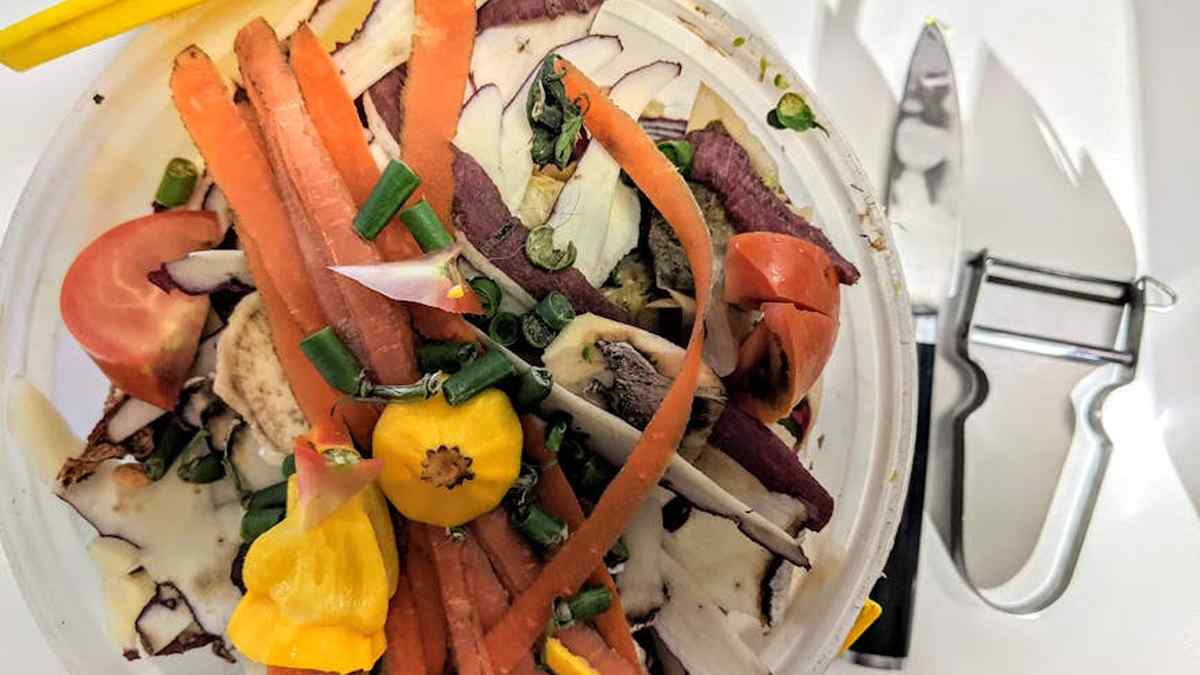
As conscious consumption continues to redefine modern living, managing food waste efficiently has become a cornerstone of sustainable households across the USA. Beyond merely reducing landfill contributions, converting food scraps into nutrient-rich compost offers a direct pathway to healthier gardens and a smaller carbon footprint. In 2026, the market for compost bins and food scrap solutions is more diverse and innovative than ever, catering to every lifestyle, from apartment dwellers to avid gardeners. This professional buyer’s guide delves into the top “viral” and highly-rated products on Amazon, meticulously chosen for their performance, design, and suitability for American kitchens. Whether you’re seeking a high-tech electric composter or a classic countertop pail, our curated list will help you select the ideal solution to transform your kitchen waste into a valuable resource.
Comparison Table: Top Compost Bins & Food Scraps Solutions
| Product | Type | Capacity | Key Benefit | Price Range |
|---|---|---|---|---|
| Lomi Kitchen Composter by Pela | Electric Indoor Composter | ~3L (10 cups) | Rapid decomposition (hours) | $$$$ |
| Vitamix FoodCycler FC-50 | Electric Indoor Composter | 2.5L | Odorless, quiet, compact | $$$$ |
| Simplehuman Stainless Steel Compost Pail | Countertop Bin | 4.7L (1.2 Gallons) | Magnetic lid, carbon filter | $$ |
| Full Circle Scrap Happy Food Scrap Collector & Freezer Compost Bin | Freezer/Under-Sink Bin | 2.8L (3 Quarts) | Space-saving, odor-free in freezer | $ |
| FCMP Outdoor IM4000 Dual Chamber Tumbling Composter | Outdoor Tumbler | 185L (49 Gallons) | Continuous composting, easy rotation | $$$ |
| Worm Factory 360 Worm Composter | Vermicomposter | Tiered (expandable) | Produces nutrient-rich vermicompost | $$$ |
| SCD Probiotics All Seasons Indoor Composter (Bokashi) | Bokashi System | 5 Gallons | Ferments all food scraps, including meat/dairy | $$ |
1. Lomi Kitchen Composter by Pela
Key Features
- Electric countertop composter for rapid food waste breakdown.
- Three modes: Eco-Express (4-6 hrs), Lomi Approved (5-8 hrs), Grow Mode (16-20 hrs).
- Transforms food scraps into nutrient-rich dirt.
- Quiet operation and sleek, modern design.
- Built-in carbon filter system for odor control.
Pros
- Extremely fast processing, turning waste into soil amendment within hours.
- Handles a wide variety of food waste, including some bioplastics (Lomi Approved mode).
- Eliminates fruit flies and unpleasant odors effectively.
- Compact footprint suitable for kitchen counters.
- Reduces food waste volume significantly, making traditional composting less frequent.
Cons
- Higher initial investment compared to traditional bins.
- Requires electricity to operate.
- Consumable filters and LomiPods need periodic replacement, adding to ongoing costs.
- Not suitable for large bones, hard pits, or excessive liquids.
Best For
Urban dwellers, busy professionals, and anyone seeking a high-tech, odorless, and rapid solution for managing food scraps indoors. Ideal for those who want to reduce landfill waste without the hassle of traditional outdoor composting or dealing with pests.
Price Range: $$$$ (Premium) Related: Blueland Refillable Hand Soap vs. Cleancult Refillable Hand Soap: Top Eco-Friendly Choices for US Sinks.
Revolutionize your kitchen waste management. Explore customer reviews and current pricing for the Lomi Kitchen Composter on Amazon. Related: Native vs. Schmidt’s Natural Deodorant: Which Aluminum-Free Stick is Best for USA Shoppers?
2. Vitamix FoodCycler FC-50
Key Features
- Compact electric food waste recycler for indoor use.
- Transforms food scraps into a dry, odorless, nutrient-rich soil amendment.
- Quiet, three-stage processing: drying, grinding, and cooling.
- Removable, dishwasher-safe bucket for easy cleaning.
- Carbon filtration system for effective odor control.
Pros
- Significantly reduces food waste volume by up to 90%.
- Process completes in 4-8 hours, providing quick results.
- Quiet operation makes it suitable for kitchen placement.
- Handles most food scraps, including chicken bones.
- Easy to clean and maintain with removable bucket.
Cons
- High upfront cost.
- Requires filter replacement every 3-4 months, an ongoing expense.
- Product is a soil amendment, not finished compost, and may need further decomposition or integration into soil.
- Limited capacity for larger families or extensive food waste.
Best For
Individuals or small families looking for an efficient, odorless, and relatively quick way to process food waste indoors. Excellent for those who want to supplement their garden soil or simply reduce waste without the commitment of traditional composting. Related: Unpacking the Natural Bristle Biodegradable Dish Brush: An Eco-Conscious Cleaning Essential for USA Kitchens.
Price Range: $$$$ (Premium) Related: Best Smart Eco-Living Gadgets for a Greener USA Home (2026)
Discover the ease of electric food recycling. Check out the Vitamix FoodCycler FC-50 and its features on Amazon. Related: Quip Electric vs. Boka Sonic Toothbrush: Comparing Sustainable Oral Care for US Eco-Conscious Users.
3. Simplehuman Stainless Steel Compost Pail
Key Features
- Stylish 4.7-liter (1.2 Gallon) stainless steel countertop compost pail.
- Magnetic lid with soft-seal gasket for airtight closure.
- Includes a removable inner bucket for easy emptying and cleaning.
- Carbon filter integrated into the lid for superior odor control.
- Designed to attach magnetically to Simplehuman trash cans for convenience.
Pros
- Elegant design that complements modern kitchen aesthetics.
- Effective odor control thanks to the carbon filter and airtight lid.
- Durable stainless steel construction.
- Easy to clean with a removable inner bucket.
- Convenient magnetic attachment to compatible Simplehuman trash cans.
Cons
- Relatively small capacity, requiring frequent emptying for active cooks.
- Carbon filters need periodic replacement.
- Higher price point for a non-electric bin.
- Some users find the magnetic attachment less secure than desired.
Best For
Homeowners who prioritize aesthetics and discreet food scrap collection on their kitchen counter. Perfect for those who want to temporarily store scraps before transferring them to an outdoor compost pile or larger collection system, valuing style and odor control.
Price Range: $$ (Mid-Range)
Enhance your kitchen’s style and functionality. Find the Simplehuman Stainless Steel Compost Pail on Amazon.
4. Full Circle Scrap Happy Food Scrap Collector & Freezer Compost Bin
Key Features
- Innovative 2.8-liter (3 Quarts) silicone and plastic compost bin.
- Designed to fit in the freezer or hang inside cabinet doors.
- Patented design allows for hands-free scraping directly from cutting boards.
- Collapsible design for easy storage when not in use.
- Made with recycled plastic and food-grade silicone.
Pros
- Keeps food scraps frozen, completely eliminating odors and fruit flies.
- Space-saving design, especially when collapsed or hung inside a cabinet.
- Hands-free scraping feature is highly convenient during food prep.
- Easy to clean and dishwasher safe.
- Cost-effective and environmentally conscious materials.
Cons
- Requires freezer space, which may be limited for some users.
- Needs to be emptied regularly as capacity is small.
- May become brittle if repeatedly frozen and flexed over many years.
- Not suitable for storing scraps if you don’t have adequate freezer space.
Best For
Apartment dwellers, small kitchens, or anyone with limited counter space who prioritizes odor elimination and convenience. Excellent for those who already have an outdoor composting system or municipal compost collection and need a clean, odorless indoor holding solution.
Price Range: $ (Budget-Friendly)
Keep your kitchen odor-free and organized. Explore the Full Circle Scrap Happy Food Scrap Collector on Amazon.
5. FCMP Outdoor IM4000 Dual Chamber Tumbling Composter
Key Features
- Large 185-liter (49 Gallon) dual-chamber tumbling composter.
- Allows for continuous composting: one chamber “cooks” while the other is filled.
- All-season construction made from durable, BPA-free, UV-inhibited recycled polypropylene.
- Easy to turn with deep fins for breaking up clumps.
- Aeration holes and dark color promote efficient decomposition.
Pros
- Efficient dual-chamber design facilitates continuous composting.
- Relatively fast composting due to tumbling and aeration.
- Easy to turn, reducing physical effort compared to traditional piles.
- Enclosed design deters pests and keeps compost contained.
- Durable construction for outdoor use in various climates.
Cons
- Requires outdoor space and can be quite large.
- Assembly can be time-consuming and somewhat challenging for some.
- Heavy once full, though still designed for easy turning.
- May not reach sufficient temperatures in very cold climates without additional insulation.
Best For
Homeowners with outdoor space looking for an efficient and relatively fast way to produce quality compost for their garden. Ideal for active gardeners who generate a moderate to large amount of yard and kitchen waste and want a contained, easy-to-manage outdoor system.
Price Range: $$$ (Upper Mid-Range)
Transform your yard and kitchen waste into rich soil. Investigate the FCMP Outdoor IM4000 Dual Chamber Tumbling Composter on Amazon.
6. Worm Factory 360 Worm Composter
Key Features
- Tiered vermicomposting system that allows for expansion.
- Comes with four stacking trays, expandable up to seven.
- “Thermally Balanced” design ensures optimal conditions for worms.
- Includes a worm-bedding starter kit and detailed instructions.
- Produces both vermicompost (castings) and “worm tea” (liquid fertilizer).
Pros
- Extremely efficient at breaking down organic waste with minimal effort.
- Produces highly nutrient-rich vermicompost and liquid fertilizer.
- Can be used indoors or outdoors (in shaded areas), relatively odor-free if managed correctly.
- Educational and engaging for families.
- Expandable design grows with your needs.
Cons
- Requires an initial investment in worms (not included).
- Learning curve for beginners to maintain a healthy worm bin.
- Cannot process all food scraps (e.g., meat, dairy, oily foods, citrus in large quantities).
- May attract fruit flies if not managed properly or if overfed.
- Can be slow to process large volumes of waste initially.
Best For
Eco-conscious individuals and families seeking a natural, sustainable way to compost, especially those interested in producing nutrient-rich fertilizer for houseplants or gardens. Great for those with limited space but a desire for a hands-on approach to composting.
Price Range: $$$ (Upper Mid-Range)
Start your vermicomposting journey today. Discover more about the Worm Factory 360 Worm Composter on Amazon.
7. SCD Probiotics All Seasons Indoor Composter (Bokashi)
Key Features
- 5-gallon capacity Bokashi composting system for indoor fermentation.
- Airtight lid and spigot for draining “Bokashi tea.”
- Utilizes Bokashi bran (beneficial microbes) to ferment all food scraps.
- Made from durable, recycled plastic.
- Can handle all types of food waste, including meat, dairy, and cooked foods.
Pros
- Ferments ALL food scraps, including those typically avoided in traditional composting (meat, dairy, oils).
- Relatively odor-free during the fermentation process (sweet, pickling smell).
- Produces nutrient-rich “Bokashi tea” liquid fertilizer.
- Reduces waste volume significantly and prepares scraps for rapid breakdown in soil.
- Can be used in apartments or indoors with minimal fuss.
Cons
- Requires regular purchase of Bokashi bran.
- Fermented scraps are not finished compost and must be buried or added to a traditional compost pile to break down further.
- A “pickling” odor can be noticeable upon opening the bin.
- Requires careful management of moisture and proper sealing.
- Can be slower to yield usable soil compared to electric composters.
Best For
Anyone who wants to compost all types of food waste, including challenging items like meat and dairy, without needing an outdoor pile initially. Ideal for apartment dwellers or those who pre-process their scraps for later burial in a garden or community compost drop-off.
Price Range: $$ (Mid-Range)
Embrace a comprehensive composting method. Learn more about the SCD Probiotics All Seasons Indoor Composter on Amazon.
Buying Guide: Choosing Your Ideal Compost & Food Scraps Solution
Selecting the right compost bin or food scrap solution involves considering several factors unique to your lifestyle, living situation, and composting goals. Here’s what to look for:
1. Type of Composter
- Electric Composters (e.g., Lomi, Vitamix FoodCycler): Best for speed, odor control, and convenience indoors. They turn food scraps into a soil amendment in hours but require electricity and consumables.
- Countertop Bins (e.g., Simplehuman): Designed for short-term indoor collection. Excellent for aesthetics and temporary odor control, typically requiring transfer to an outdoor pile or larger system.
- Freezer Bins (e.g., Full Circle Scrap Happy): Offer unparalleled odor and pest control by freezing scraps. Ideal for small spaces and those with access to an outdoor drop-off or larger system.
- Outdoor Tumblers (e.g., FCMP Outdoor): Great for larger volumes of waste and faster decomposition outdoors, requiring minimal effort to turn. Needs outdoor space.
- Vermicomposters (Worm Bins, e.g., Worm Factory 360): Use worms to break down waste, producing rich castings and liquid fertilizer. Slower but highly effective for specific waste types. Can be indoor or outdoor.
- Bokashi Systems (e.g., SCD Probiotics): Ferments all food waste, including meat and dairy, indoors. The fermented material then needs to be buried or added to a traditional compost pile for final breakdown.
2. Capacity and Household Size
Consider how much food waste your household generates daily. Small countertop bins (1-2 gallons) are fine for singles or couples who empty frequently. Larger families or avid cooks might need electric composters, multiple small bins, or an outdoor solution (e.g., tumblers, Bokashi) to handle higher volumes.
3. Odor Control
This is paramount for indoor solutions. Look for features like airtight seals, carbon filters (for countertop bins and electric composters), or choose methods like freezing or Bokashi fermentation which inherently control odors.
4. Ease of Use & Maintenance
How much effort are you willing to put in? Electric composters are largely hands-off. Tumblers require regular turning. Vermicomposting needs ongoing care for the worms. Countertop bins require frequent emptying and occasional cleaning.
5. Space Availability
Do you have counter space, freezer space, or outdoor yard space? Your living situation will heavily influence the most practical choice.
6. Type of Scraps You Generate
If you regularly have meat, dairy, or oily foods, Bokashi systems or electric composters are better options than traditional or worm composting.
7. End Product Use
Are you looking for finished compost for a garden, a soil amendment, or just a way to reduce waste volume before municipal collection? Electric composters yield a soil amendment; worm bins yield vermicompost; tumblers and traditional piles yield finished compost; Bokashi yields fermented material.
8. Price and Running Costs
Factor in not only the initial purchase price but also ongoing costs like electricity, replacement filters, or Bokashi bran.
Conclusion
The journey to a more sustainable kitchen in 2026 is made significantly easier with the array of innovative compost bins and food scrap solutions available. From the lightning-fast processing of electric composters like Lomi and Vitamix to the elegant simplicity of a Simplehuman countertop pail, or the robust efficiency of an FCMP outdoor tumbler, there’s a perfect match for every need and commitment level. By carefully considering your household’s waste generation, available space, and desired level of involvement, you can confidently choose a product that not only reduces your ecological footprint but also contributes to healthier soil and a greener future. Embrace the power of composting and transform your kitchen scraps into a valuable resource.
What are the top-rated compost bins and food scrap solutions for USA kitchens in 2026?
For 2026, top-rated solutions often blend efficiency, aesthetics, and ease of use. Electric kitchen composters like Lomi or Vitamix FoodCycler are highly popular for their speed and ability to reduce scraps into soil amendments within hours, ideal for urban US homes. Traditional options include sleek stainless steel countertop bins for temporary storage before transfer, and larger Bokashi bins for fermenting all food waste. Vermicomposting kits are also a fantastic choice for those wanting nutrient-rich compost and are comfortable with a worm-based system.
What key features should I prioritize when choosing a kitchen compost bin for my US home?
When selecting a compost bin for your USA kitchen, prioritize odor control (activated charcoal filters are a must for most indoor bins), capacity to match your household’s waste volume, and ease of cleaning. Durability and materials (e.g., stainless steel, BPA-free plastics) are also important for longevity. For electric models, look at processing time, noise levels, and energy efficiency. Finally, consider its footprint to ensure it fits comfortably on your countertop or under your sink.
How can I effectively manage odors from food scraps in a small USA kitchen?
Odor control is crucial, especially in smaller USA kitchens. Look for compost bins specifically designed with airtight lids and integrated activated charcoal filters; these are highly effective at trapping smells. Emptying your bin frequently (every 1-3 days) is also key. For electric composters, the rapid processing often eliminates odors by dehydrating and grinding the waste quickly. Bokashi systems, while fermenting, also contain odors effectively until they are buried or added to an outdoor composter.
What is the typical cost range for effective kitchen compost solutions in the USA for 2026?
The cost for kitchen compost solutions in the USA varies significantly based on type and features. Simple countertop collection bins can range from $20-$60. Bokashi kits, offering a more advanced fermentation method, usually fall between $70-$150. High-tech electric kitchen composters, which offer rapid processing, represent the higher end, typically costing $300-$700+. Remember to also factor in the cost of consumables like charcoal filters or Bokashi bran.
Related Products
- Best Water-Saving Shower Heads & Bathroom Accessories for USA Homes (2026)
- Best Non-Toxic & Sustainable Cleaning Tools for a Healthier USA Home (2026)
- Best Biodegradable Pet Waste Bags & Eco-Friendly Toys for USA Pets (2026)
- Best Sustainable Laundry Detergent Sheets & Pods for USA Households (2026)
- Best Smart Eco-Living Gadgets for a Greener USA Home (2026)