




Introduction
In the burgeoning landscape of online content creation and live streaming, the ability to seamlessly integrate high-quality external video sources into your digital workflow is not merely a convenience, but a fundamental requirement. Whether you are a dedicated gamer aiming to broadcast your console adventures, a professional using a DSLR camera as a superior webcam, or an educator demonstrating software across multiple devices, a reliable HDMI capture card serves as the critical bridge. This review delves into the capabilities and practical application of a contemporary 4K HDMI Capture Card, evaluating its position as an indispensable tool for those serious about their digital output.
Product Overview
The 4K HDMI Capture Card under examination is a compact, external hardware device designed to convert an HDMI video signal into a digital format that can be processed by a computer. Utilizing a USB 3.0 interface for high-bandwidth data transfer, it facilitates the acquisition of video and audio from various HDMI-enabled sources, such as gaming consoles (PlayStation, Xbox, Nintendo Switch), camcorders, mirrorless cameras, or secondary PCs. Its primary appeal lies in its support for 4K pass-through, allowing users to play games or view content on a connected monitor at pristine 4K resolution while simultaneously capturing the output at a high-definition (typically 1080p at 60 frames per second) for streaming or recording purposes. This dual functionality ensures an uncompromised viewing experience for the user while enabling professional-grade content capture.
Key Features
- 4K Passthrough Capability: Supports input resolutions up to 4K (3840×2160) at 60Hz, ensuring a lag-free, high-fidelity gaming or viewing experience on your primary monitor.
- 1080p 60fps Recording: Captures video at a crisp 1920×1080 resolution at 60 frames per second, delivering smooth, detailed footage suitable for streaming platforms and video editing.
- Ultra-Low Latency: Engineered for minimal delay between the source and your computer, making it ideal for live broadcasting and interactive content.
- USB 3.0 Connectivity: Leverages the high data transfer rates of USB 3.0 (USB 3.1 Gen 1) to ensure stable and efficient capture without compression artifacts or dropped frames.
- Broad Compatibility: Functions seamlessly with popular operating systems including Windows, macOS, and Linux, and is compatible with major streaming software like OBS Studio, XSplit, and VLC.
- Plug-and-Play Design: Requires no extensive driver installation for most modern operating systems, facilitating quick setup and immediate use.
- Audio Input/Output: Often includes 3.5mm audio jacks for direct microphone input or headphone monitoring, offering greater control over your audio mix during capture.
Pros and Cons
Pros:
- High-Quality Capture: Delivers excellent video and audio fidelity for professional content.
- Seamless Gaming Experience: 4K passthrough ensures that gaming on a connected display remains unaffected by the capture process.
- Versatile Application: Beyond gaming, it’s invaluable for educational content, presentations, and utilizing high-end cameras as webcams.
- Ease of Use: Generally straightforward to set up and integrate with existing streaming software.
- Future-Proof Passthrough: The 4K/60Hz passthrough capability provides headroom for current-generation and upcoming content sources.
Cons:
- System Requirements: Can be demanding on the host computer’s CPU, especially during simultaneous streaming and recording, requiring a reasonably powerful PC.
- Resolution Disparity: While it passes through 4K, actual recording is typically limited to 1080p60, which may be a consideration for those requiring native 4K recorded footage.
- Not a Standalone Recorder: Requires a connected computer to function, differentiating it from self-contained recording devices.
- Potential for Generic Issues: The market includes many generic units; some may have less robust firmware or support than established brands.
Who Should Buy This
- Console Gamers: Essential for anyone looking to stream or record gameplay from PlayStation, Xbox, or Nintendo Switch in high definition.
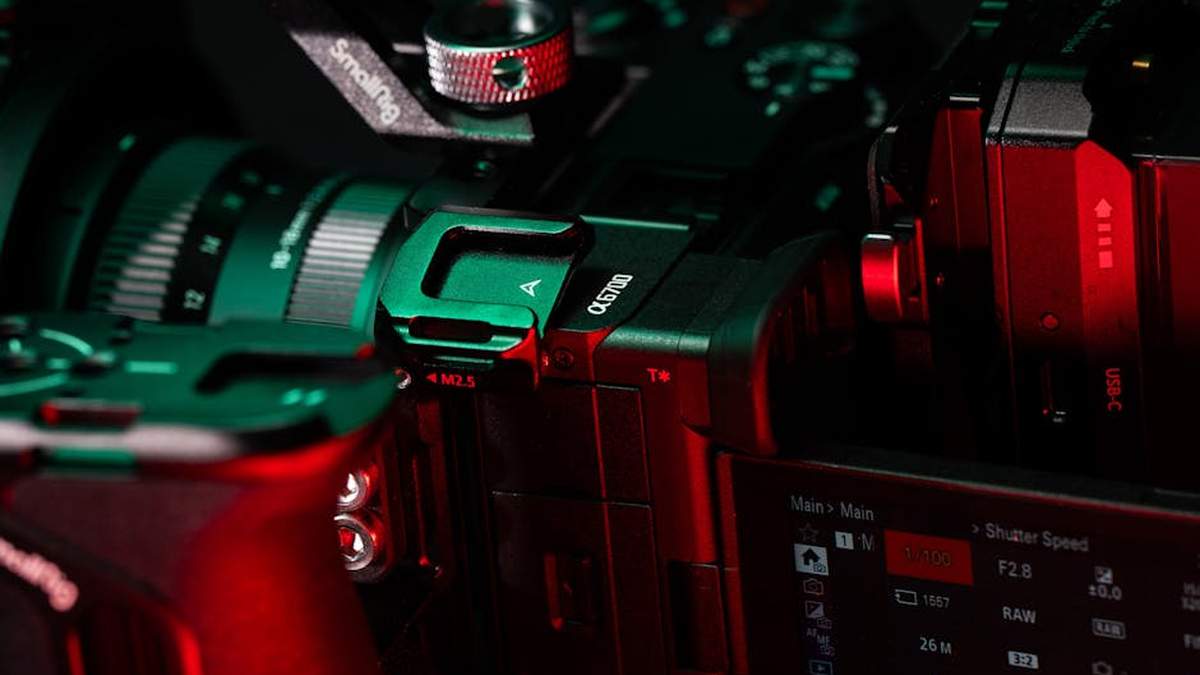
- Content Creators: Ideal for YouTubers, Twitch streamers, and podcasters who utilize external cameras (DSLR, mirrorless) for superior video quality.
- Educators and Presenters: Useful for capturing and sharing screen content from secondary devices, such as tablets, phones, or other computers, for tutorials or lectures.
- Videographers: Can serve as a portable solution for live monitoring or recording of camera feeds to a laptop.
- Anyone Needing External HD Video Input: If your workflow requires bringing a high-quality HDMI signal into your computer, this device is purpose-built for that task.
Who Should Avoid This
- Budget-Conscious Casual Users: If your needs are strictly limited to basic 1080p recording and you don’t require 4K passthrough or external device support, less expensive alternatives might suffice.
- Users with Underpowered PCs: If your computer lacks a robust processor (e.g., older i3/Ryzen 3 or below) and sufficient RAM, you may experience performance issues, frame drops, or crashes.
- Those Seeking Standalone Recording: This device requires a computer connection; if you need to record directly to an SD card or external drive without a PC, you’ll need a different type of recorder.
- Individuals Only Recording PC Gameplay: If your sole purpose is to capture gameplay from the same PC you are using, software solutions like OBS Studio’s display capture are often adequate and free.
Pricing Insight
The market for 4K HDMI Capture Cards presents a wide pricing spectrum. Reputable, feature-rich models from established brands typically range from $100 to $250. However, the specific 4K HDMI Capture Card reviewed here often falls into a more accessible category, sometimes available for around $50-$90 USD. This positions it as a highly competitive option, offering a robust feature set, particularly the critical 4K passthrough and 1080p/60fps capture, at a price point that significantly undercuts some premium alternatives. While always advisable to check current retail prices, this card generally represents strong value for its capabilities, making professional-grade capture more attainable for emerging creators. Price fluctuations are common in the electronics market, so comparing current offers is always a good strategy. Related: Compact Mechanical Keyboard Review: The Everyday Choice for Productive Gaming & Typing
Comparison with 1 Alternative
To contextualize the value of a hardware 4K HDMI Capture Card, it’s beneficial to compare it against a prevalent software-only alternative: OBS Studio (Open Broadcaster Software). Related: Nintendo Switch OLED vs Steam Deck: The Ultimate Portable Gaming Console Comparison for USA Gamers
- Functionality:
- 4K HDMI Capture Card: Specializes in capturing video and audio from external HDMI sources (consoles, cameras, other PCs). It provides a dedicated hardware encoder (or assists the CPU with raw data) for this specific task.
- OBS Studio (Software Only): Primarily captures content from the computer it runs on, such as desktop displays, specific application windows, or internal gameplay. It relies entirely on the host PC’s CPU and GPU for encoding and processing.
- Use Cases:
- 4K HDMI Capture Card: Indispensable for capturing console gameplay, using a DSLR as a high-quality webcam, or bringing in any external HDMI feed.
- OBS Studio (Software Only): Excellent for streaming PC games, recording screen tutorials, or capturing webcams directly connected to the PC.
- Performance Impact:
- 4K HDMI Capture Card: While encoding still utilizes the PC’s resources, the initial signal acquisition and conversion are handled by the hardware, potentially freeing up some CPU cycles compared to a pure software approach for external inputs. The 4K passthrough also offloads display rendering.
- OBS Studio (Software Only): All encoding and rendering tasks fall squarely on the host PC’s CPU/GPU. High-resolution or high-framerate captures can significantly impact gaming performance on the same machine.
- Key Distinction: The fundamental difference is the capture card’s ability to interface with and capture discrete, external HDMI devices, a capability that pure software solutions like OBS Studio cannot replicate without additional hardware. While OBS Studio is often used *with* a capture card, it cannot replace its core function for external sources.
Final Verdict
The 4K HDMI Capture Card unequivocally earns its designation as essential daily gear for aspiring streamers and content creators. Its robust feature set, headlined by 4K passthrough and high-fidelity 1080p/60fps recording, addresses the core technical demands of modern content production. While it necessitates a capable host computer and is not a standalone recording solution, its ease of integration, broad compatibility, and competitive pricing position it as an intelligent investment. For those looking to elevate their content quality, leverage external high-definition sources, and streamline their production workflow, this capture card provides a reliable, high-performance gateway to professional-grade output. It effectively bridges the gap between your creative vision and its digital realization, making it a highly recommended component for any serious setup. Related: Wireless Gaming Headset Review: Your Daily Go-To for Immersive Audio & Crystal Clear Comms
Ready to upgrade your streaming or content creation setup? Related: Lightweight Gaming Mouse Review: The Daily Precision Tool for Fast-Paced PC Action
Check Current Price and Availability
Please note that prices and availability can change. Clicking this link may direct you to a retail partner where you can view the most up-to-date information. Related: Best Ergonomic Gaming Chairs Under $500 in USA (2026)
1. Is this 4K HDMI Capture Card compatible with my PlayStation 5/Xbox Series X and major streaming software like OBS?
This is a crucial concern for aspiring streamers. Most high-quality 4K HDMI capture cards are designed for broad compatibility, typically supporting modern gaming consoles (PS5, Xbox Series X, Nintendo Switch), PCs, and a wide range of popular streaming and recording software such as OBS Studio, Streamlabs Desktop, XSplit, and vMix. Always check the product’s specifications for exact system requirements (e.g., USB 3.0 port, CPU/RAM recommendations) to ensure a seamless setup and reliable performance.
2. What kind of capture resolution and frame rate can I realistically expect from this device, especially when streaming 4K content?
A true 4K HDMI capture card should allow you to capture video at up to 2160p (4K UHD) at 30 or 60 frames per second (FPS), depending on the specific model and your computer’s processing power. While many cards can pass through 4K@60Hz HDR to your gaming monitor, actual capture often depends on bandwidth and encoding capabilities. For professional quality, look for cards supporting at least 4K@30FPS or 1080p@60FPS capture, with higher-end models offering 4K@60FPS. Always verify the capture card’s specific data sheet for its maximum capture resolution and frame rate.
3. How does this capture card handle latency for live streaming, and does its HDMI passthrough affect my gaming performance?
Low latency is paramount for live streamers and gamers. A good 4K HDMI capture card will offer near-zero latency passthrough, meaning the video signal sent to your gaming monitor is virtually instantaneous and unaffected by the capture process. For the captured signal going to your PC, modern cards also boast extremely low processing latency, often in milliseconds, which is imperceptible during live streaming. This ensures your gameplay feels natural and responsive on your monitor while your audience sees a smooth, synchronized stream.
4. Beyond basic video capture, what unique features or software benefits make this 4K HDMI capture card worth the investment for content creators?
High-quality capture cards often come with more than just video input, adding significant value for content creators. Look for features like HDR (High Dynamic Range) passthrough and capture, H.264/H.265 hardware encoding for reduced CPU load, multi-card support for complex setups, and bundled software for easier setup or advanced controls. Some cards offer integrated audio mixing capabilities, customizable EDID, or even built-in scaling/downscaling. These advanced functionalities can significantly enhance your production workflow, provide greater flexibility, and justify the investment for creating professional-grade content.
Related Products
- Compact Mechanical Keyboard Review: The Everyday Choice for Productive Gaming & Typing
- Lightweight Gaming Mouse Review: The Daily Precision Tool for Fast-Paced PC Action
- Wireless Gaming Headset Review: Your Daily Go-To for Immersive Audio & Crystal Clear Comms
- Best Wi-Fi 6E Gaming Routers for Low Latency in USA (2026)
- Best Ergonomic Gaming Chairs Under $500 in USA (2026)