





Introduction
In the relentless pace of modern American life, stress has become an almost ubiquitous companion. From demanding careers to family responsibilities and the constant hum of digital connectivity, finding effective and accessible methods for relaxation and recovery is more crucial than ever. Enter the acupressure mat – a wellness tool that has surged in popularity, promising a myriad of benefits from stress reduction to improved sleep. But in a market flooded with wellness fads, can this spiky mat truly deliver on its promises for the busy US consumer, or is it just another fleeting trend? This in-depth review dives into the efficacy, features, and overall value of the acupressure mat to help you decide if it deserves a place in your self-care regimen.
Product Overview
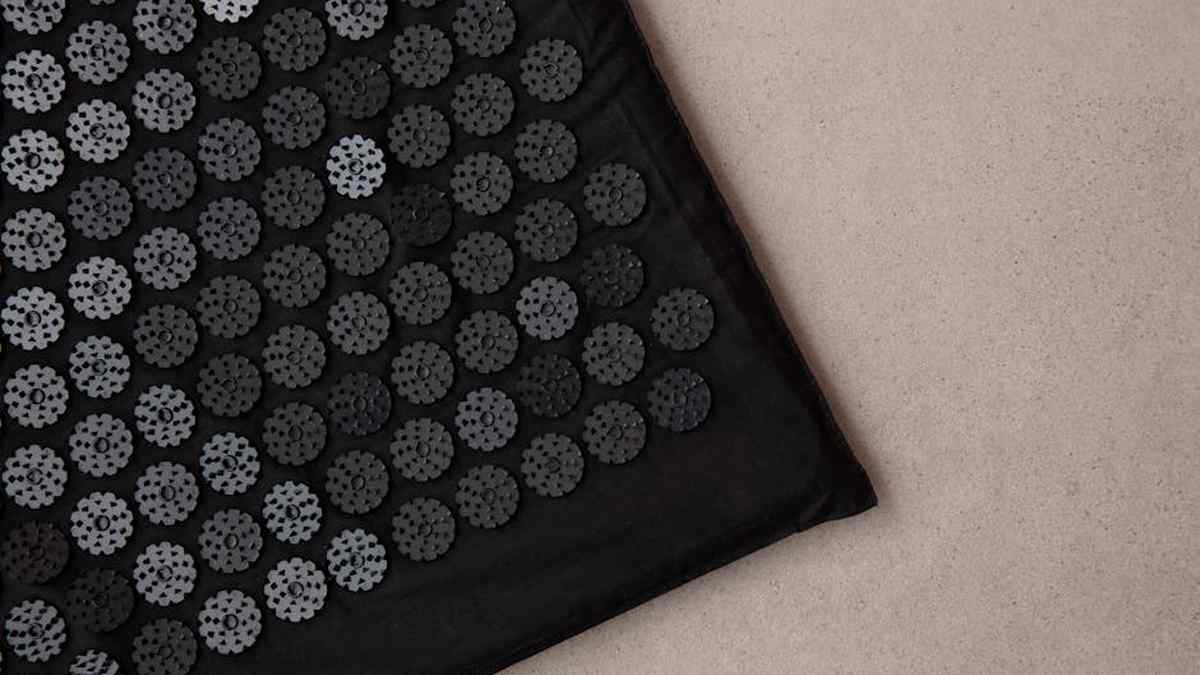
An acupressure mat, often accompanied by a pillow, is a device designed to mimic the principles of ancient Chinese acupressure therapy. It typically consists of a foam or fiber mat covered in thousands of small plastic spikes, strategically arranged to apply pressure to various points on the body. When a user lies on the mat, these points are stimulated, intending to promote blood circulation, release endorphins, and alleviate tension. It’s often marketed as a convenient, at-home alternative to professional massage or acupuncture, requiring just a few minutes of use daily to potentially unlock its wellness benefits.
Key Features
- Thousands of Acupressure Points: Most mats feature between 6,000 to 8,000 plastic “spikes” or “lotus flowers,” each containing multiple points designed to distribute pressure evenly across the body.
- Material Composition: Common materials include cotton or linen covers, often with an internal foam or coconut fiber mat. The spikes themselves are typically made from durable, non-toxic ABS plastic.
- Included Pillow: Many sets come with a matching acupressure pillow, specifically contoured to target the neck and head area, complementing the mat’s back and body coverage.
- Portability and Storage: Generally lightweight and often coming with a carrying bag, acupressure mats are designed for easy storage and transport, fitting seamlessly into various living spaces or travel routines.
- Size and Coverage: Standard mat sizes are designed to cover a significant portion of the back, though larger versions may offer full-body coverage, catering to different user preferences and body types.
Pros
- Stress and Tension Relief: Many users report a noticeable reduction in stress and muscle tension, particularly in the back, neck, and shoulders, after consistent use.
- Potential for Pain Management: Can offer temporary relief for general aches, stiffness, and mild back pain by stimulating blood flow and releasing natural pain-relieving endorphins.
- Improved Sleep Quality: The relaxation induced by using the mat can contribute to a more profound sense of calm, potentially aiding individuals struggling with sleep initiation or quality.
- Convenient and Accessible: Provides an immediate, at-home wellness solution that doesn’t require appointments, travel, or significant time commitment, making it ideal for busy schedules.
- Cost-Effective Wellness: Compared to ongoing professional treatments like massage or acupuncture, an acupressure mat represents a one-time investment for continuous use.
- Enhanced Circulation: The pressure points can stimulate blood flow to the targeted areas, which may support muscle recovery and overall vitality.
Cons
- Initial Discomfort: The sensation of lying on thousands of spikes can be intense and uncomfortable for first-time users, requiring a period of adaptation.
- Not a Medical Treatment: While it may offer relief, an acupressure mat is not a substitute for professional medical advice or treatment for chronic conditions or serious injuries.
- Material Quality Varies: The quality of materials (spike sharpness, foam density, fabric durability) can differ significantly between brands, impacting comfort and longevity.
- Cleaning and Hygiene: Depending on the material, cleaning the mat and ensuring hygiene, especially after direct skin contact, can be a consideration.
- Limited Scope: Primarily effective for muscular tension and general relaxation; it cannot address deep tissue issues or complex medical problems.
Who Should Buy This
The acupressure mat is an excellent consideration for: Related: Best Eco-Friendly Lifestyle Upgrades for Conscious Living in USA (2026)
- Busy Professionals: Individuals seeking a quick and effective way to de-stress and unwind after long workdays without leaving home.
- Fitness Enthusiasts & Athletes: Those looking for a tool to aid in muscle recovery, alleviate post-workout soreness, and improve flexibility.
- Individuals with Mild Tension: People experiencing general back, neck, or shoulder stiffness from prolonged sitting or daily activities.
- Sleep Seekers: Anyone looking for a natural, non-pharmacological method to relax before bedtime and potentially improve sleep onset.
- Wellness Explorers: Consumers curious about ancient practices like acupressure and seeking an accessible entry point into self-care routines.
Who Should Avoid This
While generally safe, certain individuals should exercise caution or avoid using an acupressure mat: Related: Sunset Lamp Projector Review: Bring Golden Hour Vibes to Your USA Home (Trending Aesthetic)
- Pregnant Women: Acupressure points in certain areas are traditionally avoided during pregnancy. Consultation with a healthcare provider is essential.
- Individuals with Skin Conditions: People with open wounds, rashes, psoriasis, severe acne, or extremely sensitive skin may experience irritation or discomfort.
- Those with Certain Medical Conditions: Including but not limited to blood clotting disorders, severe heart conditions, epilepsy, or nerve damage. Always consult a doctor before use.
- Children and Infants: Not recommended due to sensitive skin and potential discomfort.
- People Expecting a Cure: It is a wellness aid, not a medical device designed to cure diseases or severe chronic pain.
Pricing Insight
Acupressure mats are available across a spectrum of price points, generally ranging from approximately $20 to $100 or more. The variance in cost typically reflects factors such as brand reputation, material quality (e.g., organic cotton covers vs. synthetic fabrics, coconut fiber filling vs. standard foam), the number and design of acupressure points, and whether the mat comes as part of a set with an accompanying pillow or carrying bag. While budget-friendly options can offer an effective introduction to acupressure, investing in a mid-range or higher-end model often yields better material durability, enhanced comfort, and more consistent pressure application, potentially leading to a more satisfying long-term experience. It’s wise to consider the value proposition in relation to your expected usage and desired quality. Related: HidrateSpark PRO Smart Water Bottle Review: My Experience Hitting Hydration Goals in the USA
Comparison with Professional Massage Therapy
When considering stress relief and muscle tension, professional massage therapy often comes to mind. While both aim to relax the body and mind, an acupressure mat offers a distinctly different approach. Professional massage provides personalized, deep tissue manipulation by a trained therapist, addressing specific knots and areas of tension with expert precision. This individualized attention and hands-on technique can be profoundly effective for acute pain or deeper muscular issues. However, massage therapy requires scheduled appointments, travel time, and typically involves a significant recurring financial investment. Related: Self-Stirring Mug Review: The Best Novelty Coffee Gift for USA Tech Enthusiasts?
The acupressure mat, conversely, is an entirely self-administered, passive therapy. It provides a more general stimulation across a broader area, relying on your body weight to apply pressure. While it lacks the targeted touch of a therapist, its major advantages lie in its unparalleled convenience and cost-effectiveness. For a one-time purchase, you gain unlimited access to a relaxation tool in your own home, available instantly whenever stress or tension arises. For busy US lifestyles, where time and money are often at a premium, the acupressure mat provides a practical, daily solution for maintaining a baseline level of relaxation and managing everyday stressors, complementing rather than fully replacing the benefits of occasional professional treatments. Related: Best AI-Powered Smart Home Devices in USA (2026)
Final Verdict
For the busy US consumer navigating the daily demands of modern life, the acupressure mat emerges as a compelling and accessible wellness tool. While it may not be a magic bullet for all ailments, its potential to alleviate stress, reduce muscle tension, and promote relaxation is frequently reported and aligns well with the need for convenient, at-home self-care solutions. The initial discomfort is a hurdle for some, but many find that consistent use leads to profound benefits, making it a valuable addition to their routine. If you’re seeking an affordable, non-pharmacological method to unwind, improve sleep, and manage everyday bodily tension without the commitment of regular appointments, the acupressure mat is certainly worth exploring.
Ready to explore the benefits of an acupressure mat?