Introduction
In the bustling landscape of American car ownership, the dreaded “Check Engine Light” often signals not just a potential mechanical issue, but also the looming specter of hefty diagnostic fees and repair bills. For many, the first step into a mechanic’s shop comes with a baseline charge simply to identify the problem. But what if there was an accessible, user-friendly tool that could empower you to understand your vehicle’s health before stepping foot in a service bay? The MechanicLink OBD2 Bluetooth Scanner positions itself as exactly that solution for the average American driver. In this in-depth analysis, we will scrutinize its capabilities, assess its value proposition, and determine if this device truly lives up to its promise of helping consumers save money on car repairs across the USA.
Product Overview
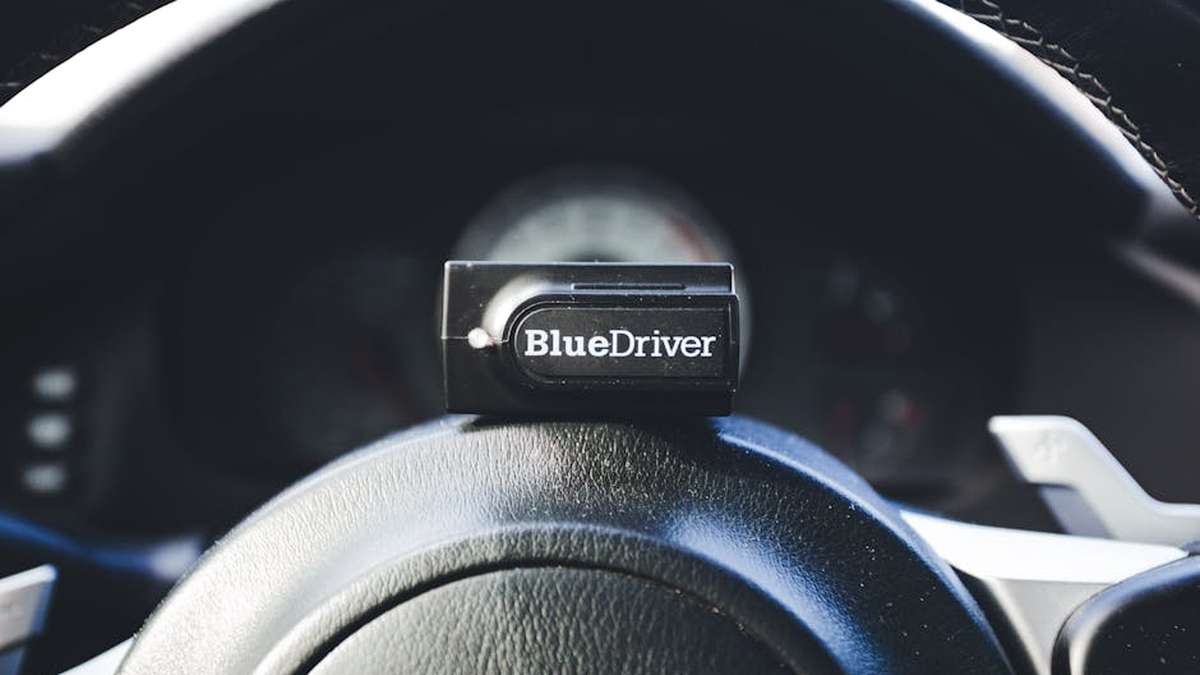
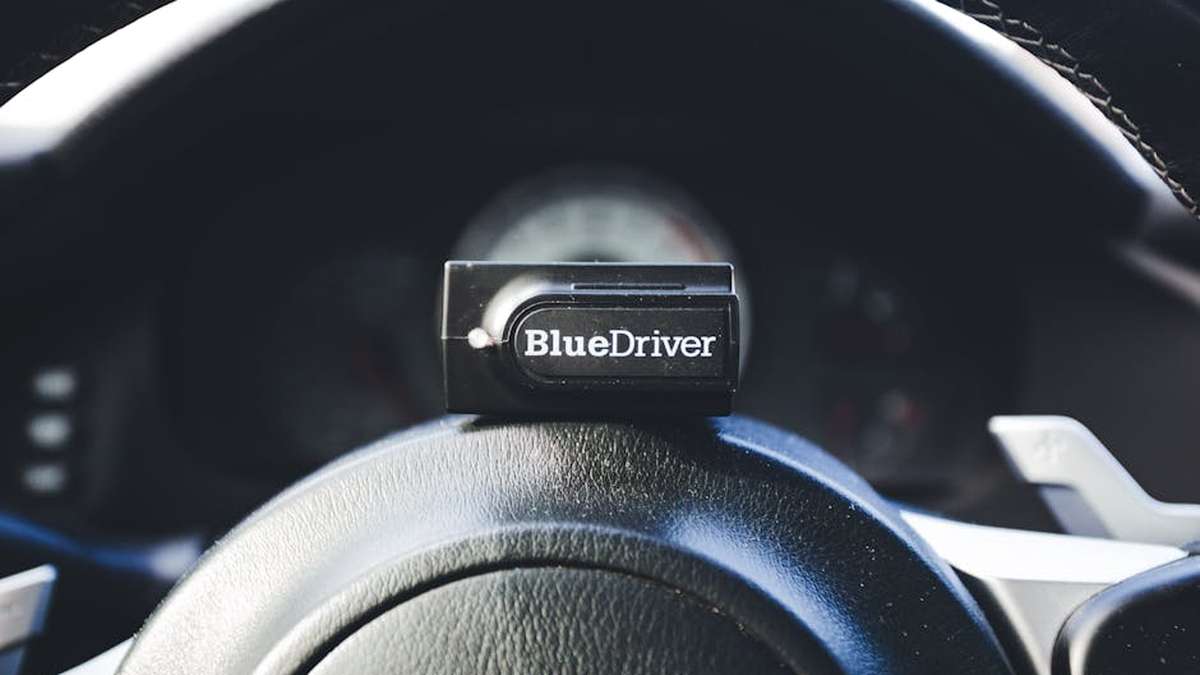
The MechanicLink OBD2 Bluetooth Scanner is a compact, dongle-style device designed to plug into your vehicle’s On-Board Diagnostics II (OBD2) port, which has been standard on all cars and light trucks sold in the United States since 1996. Unlike traditional, standalone handheld scanners, the MechanicLink leverages the processing power and display of your smartphone or tablet. It connects wirelessly via Bluetooth to a compatible application on your iOS or Android device, transforming your mobile gadget into a powerful diagnostic tool. Its primary function is to read and interpret Diagnostic Trouble Codes (DTCs), monitor real-time sensor data, and provide insights into your vehicle’s operational status, all from the convenience of your own driveway.
Key Features
- Bluetooth Connectivity: Seamlessly pairs with virtually any modern iOS or Android smartphone or tablet, utilizing popular third-party apps like Torque Pro, Car Scanner ELM OBD2, or DashCommand for its interface.
- DTC Reading and Clearing: Enables users to read both generic (P0, P2, P3, U0) and many manufacturer-specific (P1, P3, U1) Diagnostic Trouble Codes, and critically, to clear the Check Engine Light (CEL) once a repair has been made.
- Live Sensor Data Monitoring: Provides real-time data streams from various sensors within your vehicle, including engine RPM, coolant temperature, fuel system status, vehicle speed, oxygen sensor readings, air flow rate, and more. This data is invaluable for diagnosing intermittent issues.
- Freeze Frame Data: Captures a snapshot of critical sensor values at the exact moment a fault code was stored, offering crucial context for diagnosis.
- I/M Readiness Monitors: Displays the status of your vehicle’s emissions readiness monitors, which is essential for passing state-mandated emissions inspections in many parts of the USA.
- Broad Vehicle Compatibility: Supports all OBD2 protocols (CAN, ISO9141-2, KWP2000, J1850 VPW, J1850 PWM), ensuring compatibility with most gasoline and diesel vehicles manufactured for the US market from 1996 onwards.
- Performance Measurement: Some compatible apps allow for performance metrics like 0-60 mph times, horsepower estimation, and quarter-mile runs, appealing to enthusiasts.
Pros and Cons
Pros:
- Cost-Effective Diagnostics: Potentially saves significantly on mechanic diagnostic fees, which can range from $80 to $200 per visit.
- Convenience and Portability: Diagnose issues anytime, anywhere, directly from your smartphone. The device itself is tiny and easy to store.
- Empowerment for DIYers: Provides insights into your vehicle’s health, helping you understand problems before visiting a mechanic or even tackling minor repairs yourself.
- Pre-Purchase Inspection Aid: An excellent tool for scanning used cars for hidden fault codes before making a purchase.
- Emissions Test Readiness: Helps ensure your vehicle is ready for inspection, potentially avoiding re-test fees.
- Rich Display Interface: Leverages the superior screen and user interface capabilities of your smartphone for data display and interpretation.
Cons:
- Requires a Smartphone/Tablet: Not a standalone device; requires a compatible mobile device and often a paid third-party app for full functionality.
- Reliance on Third-Party Apps: The user experience and range of features are heavily dependent on the quality and cost of the chosen app (some advanced features might require in-app purchases).
- Learning Curve: Interpreting DTCs and live sensor data effectively requires some basic automotive knowledge and willingness to research.
- Not a Mechanic Replacement: While it identifies problems, it does not provide repair instructions or the ability to perform complex service functions like module programming or advanced bidirectional controls found in professional-grade tools.
- Limited Manufacturer-Specific Depth: While it reads many manufacturer codes, it typically lacks the deep, proprietary diagnostics available with dealer-level tools for specific makes and models.
- Connectivity Issues: Occasional Bluetooth pairing or connection drops can occur, though often resolvable.
Who Should Buy This
- The Proactive Car Owner: Anyone who wants to understand their vehicle’s health and be informed before potential issues escalate.
- DIY Enthusiasts: Individuals who enjoy tinkering with their cars and performing minor repairs or maintenance.
- Used Car Buyers: An invaluable tool for a quick, initial scan of a potential purchase for underlying issues.
- Commuters and Road Trippers: Those who rely heavily on their vehicle and want the peace of mind of on-the-go diagnostics.
- Budget-Conscious Drivers: Anyone looking to save money on basic diagnostic fees and avoid unnecessary mechanic visits.
- Residents of Emissions Testing States: Helpful for checking I/M readiness status before an inspection.
Who Should Avoid This
- Technologically Averse Individuals: If you struggle with smartphone apps or Bluetooth pairing, a dedicated handheld scanner might be simpler.
- Professional Mechanics: While it can be a quick secondary tool, it lacks the advanced functions and depth required for a professional workshop.
- Those Seeking Automatic Fixes: This device identifies problems; it does not magically fix them or provide step-by-step repair guides.
- Owners of Pre-1996 Vehicles: The OBD2 standard only applies to vehicles from 1996 onwards; older cars will not be compatible.
- Individuals Unwilling to Learn: Interpreting codes and data requires some effort and research; it’s not a plug-and-play “fix my car” solution.
Pricing Insight
The MechanicLink OBD2 Bluetooth Scanner typically falls within the competitive price range of $20 to $60 for the hardware itself, depending on the retailer and specific model variant. This makes it an incredibly accessible entry point into automotive diagnostics. When considering the potential savings, even a single avoided diagnostic fee from a mechanic can easily offset the cost of this device. Many quality companion apps also offer free versions with basic functionalities, while their premium versions (often a one-time purchase of $5-$15) unlock advanced features, performance monitoring, and enhanced data logging. The return on investment (ROI) can be substantial for the average American car owner, making it a highly attractive purchase from a financial perspective.
Related: Best Smart OBD2 Scanners in USA (2026) for Real-Time Vehicle Diagnostics
Comparison with 1 Alternative: MechanicLink vs. ANCEL AD310 Handheld OBD2 Scanner
To provide context, let’s compare the MechanicLink Bluetooth scanner with a popular budget-friendly handheld alternative, the ANCEL AD310.
Related: The DriveView Pro HUD Navigator Review: Enhancing Safety & Focus for USA Drivers?
-
MechanicLink OBD2 Bluetooth Scanner:
- Advantages: Leverages smartphone’s large, high-resolution screen for data display; highly portable (just the small dongle); generally lower initial hardware cost; updates via app are frequent; offers richer graphical data and customizable dashboards through apps.
- Disadvantages: Relies on a smartphone and often a paid app for full features; Bluetooth connection can occasionally be finicky; not a standalone device.
-
ANCEL AD310 Handheld OBD2 Scanner:
- Advantages: Standalone device, no smartphone or app required; very simple plug-and-play operation; robust with physical buttons; immediate results on its dedicated LCD screen.
- Disadvantages: Small, monochrome screen with limited data display; software updates can be clunkier (often requiring a PC connection); lacks advanced graphical display or customizable dashboards; generally higher initial hardware cost for similar basic functions.
The choice between the two often comes down to user preference for interface and reliance on a smartphone. The MechanicLink appeals to tech-savvy users who appreciate the graphical richness and flexibility of a smartphone app, while the ANCEL AD310 is ideal for those who prefer a dedicated, straightforward tool with no extra dependencies. Both effectively read and clear basic trouble codes, but the MechanicLink, with the right app, generally offers a more comprehensive data viewing experience.
Related: Best Aftermarket Blind Spot Monitoring Systems in USA (2026) for Enhanced Safety
Final Verdict
The MechanicLink OBD2 Bluetooth Scanner stands out as a highly valuable and accessible tool for the vast majority of American car owners. Its ability to accurately read and clear Diagnostic Trouble Codes, monitor live sensor data, and check I/M readiness makes it an indispensable asset for proactive vehicle maintenance. Can it truly help you save money on car repairs in the USA? Absolutely. By empowering you to understand the “why” behind the Check Engine Light, you can avoid unnecessary diagnostic fees, determine the severity of an issue, and often identify simple fixes before consulting a mechanic.
Related: Best Cordless Tire Inflators in USA (2026) with Digital Auto-Stop Technology
While it is not a professional-grade repair solution and requires a willingness to engage with its companion app and basic automotive knowledge, its benefits far outweigh its minor drawbacks for its intended audience. For the average American driver seeking to demystify their vehicle’s health, make informed decisions, and potentially save hundreds of dollars in repair costs over their car’s lifetime, the MechanicLink OBD2 Bluetooth Scanner is a highly recommended investment. It’s a tool that puts diagnostic power directly into your hands, fostering a greater understanding of your car and, consequently, greater control over your automotive expenses.
Related: Best Interior Ambient LED Lighting Kits in USA (2026) with App Control
Disclaimer: This review is based on an analysis of the MechanicLink OBD2 Bluetooth Scanner’s features, typical performance, and general market positioning. Individual results may vary depending on vehicle make, model, year, and the specific diagnostic app used. No explicit guarantees are made regarding specific cost savings or repair outcomes.
How does the MechanicLink OBD2 Bluetooth Scanner help me save money on car repairs in the USA?
The MechanicLink scanner empowers you to diagnose your car’s issues from home, eliminating the need for expensive diagnostic fees charged by mechanics and dealerships, which often range from $100-$200 per visit in the USA. By accurately identifying the problem indicated by your Check Engine Light, you can decide whether a repair is urgent, safe to postpone, or even a simple fix you can do yourself. It prevents unnecessary trips to the garage and helps you avoid being upsold on repairs you don’t need, leading to significant savings over time on parts and labor costs.
Is the MechanicLink OBD2 Bluetooth Scanner compatible with my car, and is it user-friendly for someone without mechanical expertise?
The MechanicLink scanner is compatible with virtually all OBD2 compliant vehicles manufactured for the USA market since 1996, including cars, light trucks, and SUVs. It connects wirelessly via Bluetooth to your smartphone or tablet (iOS/Android) using a dedicated app. The app is designed with a very intuitive interface, translating complex diagnostic trouble codes (DTCs) into easy-to-understand descriptions. You simply plug it into your car’s OBD2 port, connect via the app, and start scanning – no special mechanical skills are required.
What specific diagnostic capabilities does the MechanicLink scanner offer beyond just reading basic engine codes?
Beyond simply reading and clearing generic Check Engine Light codes, the MechanicLink scanner provides comprehensive diagnostic insights. It can access live sensor data (e.g., O2 sensor readings, coolant temperature, fuel trim), freeze frame data (a snapshot of sensor readings at the moment a fault code was triggered), I/M readiness status for emissions tests, and even manufacturer-specific codes (P1, P3, B, C, U codes) on many vehicles. This advanced data helps pinpoint the root cause of issues, giving you a deeper understanding than basic code readers.
Can the MechanicLink OBD2 Bluetooth Scanner assist with passing vehicle emissions tests in the USA?
Absolutely. One of the key features of the MechanicLink scanner is its ability to check your vehicle’s I/M (Inspection/Maintenance) readiness monitors. These monitors indicate whether your car’s emissions systems have completed their self-tests and are ready for an emissions inspection, which is crucial for passing tests in many US states. By reviewing these readiness statuses before heading to the test center, you can avoid failing the test and incurring re-inspection fees. If a monitor is “not ready,” the scanner can help identify why, allowing you to drive the car or make necessary repairs until all systems are set.
Related Products
- Sentinel Pro Blind Spot Monitor Review: A Critical Safety Upgrade for USA Highways?
- The DriveView Pro HUD Navigator Review: Enhancing Safety & Focus for USA Drivers?
- ChargeSmart Magnetic Car Mount Review: Is This the Ultimate Wireless Charging Solution for Your USA Commute?
- Tested: The AirPump Max Cordless Tire Inflator – A USA Driver’s Must-Have for Roadside Emergencies?
- DriverGuard 4K AI Dash Cam Review: Essential Parking Protection & Road Safety in the USA?