




Chatting About Fitness Trackers
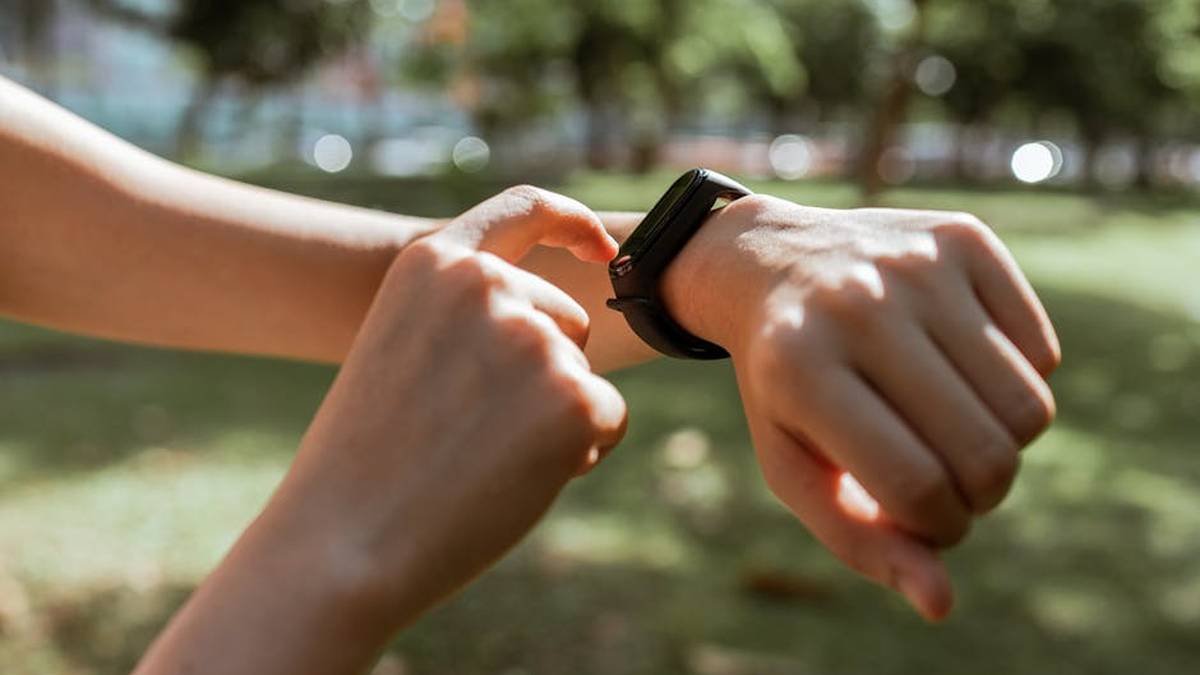
Hey, so you know how all this health tech keeps getting better and better? Fitness trackers are still a really big deal for people wanting to keep an eye on their well-being. By 2026, they’ll have super advanced sensors and smart AI stuff. They’ll also connect easily with all your other apps and devices. People are really looking for accuracy now. They also want long battery life and more than just step counting. Like, real health info. I’ve been looking at some of the top ones selling in the US. I want to tell you about their features and if they’re worth the money. Hopefully, it helps if you’re thinking about getting one.
First up, there’s the Fitbit Charge 7. This one usually costs around $170 to $220. It’s really good for someone who wants to track their whole health picture. Especially things like stress and sleep. You get all that without the bulk or huge price tag of a fancy smartwatch. It’s a reliable band that just keeps going.
Then you have the Garmin Forerunner 975. This is a pricier one, usually $600 to $750. But if you’re a serious runner, a triathlete, or just super into multiple sports, this is for you. It gives you the most exact data, really advanced training analysis, and tracks your performance perfectly for competitions.
For iPhone users, there’s the Apple Watch Series 12 (SE). It’s typically about $280 to $350. This is a solid all-rounder. It tracks your fitness well, gives you smart notifications, and has good safety features. It’s a nice balance of what you get for the price if you’re already in the Apple world.
And for Android folks, especially if you have a Samsung phone, check out the Samsung Galaxy Watch 9 Classic. This one runs about $400 to $550. It’s really stylish and packed with features. It even does advanced health monitoring, like checking your body composition.
The Whoop 5.0 is a bit different. You usually pay a monthly membership, maybe $30 a month, and the device is included. This is for super dedicated athletes or anyone really serious about getting their training and recovery just right. It gives you really deep, continuous data and personalized tips.
If you’re on a tighter budget, the Xiaomi Mi Band 9 Pro is a good pick. It’s only around $60 to $90. It still gives you good basic to intermediate fitness tracking. Like, it has GPS, heart rate, and sleep tracking. You get a lot without spending a fortune. Great for beginners or if you just want a simple second tracker.
And finally, the Oura Ring Gen4. This one is typically $300 to $400, and sometimes there’s an optional membership too. It’s perfect if you mostly care about really deep sleep analysis and how well you’re recovering. It’s also super discreet since it’s a ring, not a big watch on your wrist.
So, picking a smart fitness tracker really means figuring out what’s most important to *you*. There are so many choices out there by 2026. You’ve got everything from the detailed health tracking of a Fitbit to the serious athletic features of a Garmin. Then there are the integrated smartwatches like Apple and Samsung, or the specialized insights from Whoop and Oura. Even the cheaper Xiaomi band can do a lot.
Honestly, the “most sold” one isn’t always the “best” one. It’s about finding the device that totally fits your personal health goals, your lifestyle, and what you want to spend. Just think about what each one offers. You know, the good and bad parts. That way, you can pick one that really helps you on your health and fitness journey.
I expect the big names like Fitbit, Garmin, and Apple (especially the SE models) will still be super popular. Samsung too. They just have that blend of features, good connections with other devices, and brand trust.
People buying these in 2026 will probably really want accurate heart rate tracking and advanced sleep insights. Built-in GPS for outdoor stuff will be key, and tracking all kinds of activities. Battery life is a big one – aiming for 5+ days for trackers, or maybe 1-2 for smartwatches. And, of course, it needs to connect smoothly with your phone. Blood oxygen and stress monitoring are becoming pretty standard expectations now too.