




My Take on the Oura Ring Gen 3
Hey, so I’ve been trying out this thing called the Oura Ring Gen 3. It’s supposed to be a really good tracker for sleep and recovery, right on your finger. I wanted to see if it’s actually worth it in 2024, especially if you’re serious about feeling your best.
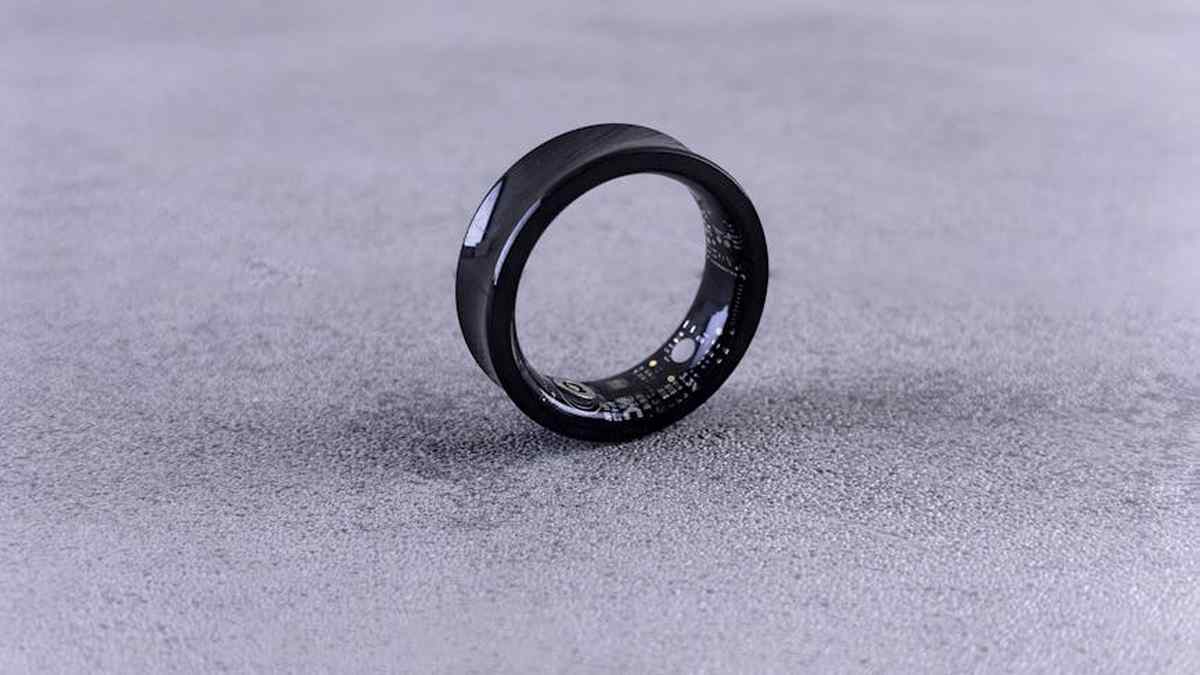
It’s basically this smart ring you wear. Super minimalist, no screen or anything, so it just blends in. Unlike a smartwatch on your wrist, this goes on your finger. Its main job is to give you tons of info about your sleep quality, how active you are, and how well you’re recovering. All that complex stuff gets turned into simple insights you can see on an app on your phone. It actually tracks things like your heart rate, how much it varies, your body temperature, and even your breathing. It builds a full picture of your health.
You can get it in a few different styles, and the price changes a bit depending on that. But here’s a really important thing: the initial cost of the ring isn’t everything. To actually use most of its cool features, like all the personalized scores and deep insights, you *have* to get an Oura Membership. It’s a monthly subscription. If you don’t get the membership, the ring is pretty limited, just showing you basic stuff without all the detailed analysis or personal advice. Always a good idea to check their official website for the latest prices and any deals, since those can change.
Now, you might be wondering how it compares to something like a smartwatch, say, a Garmin Venu 3. Both give you health info, but they go about it very differently. The Oura Ring is amazing if you just want quiet, deep insights into your sleep and recovery from something discreet you barely notice. But if you want a more active partner for workouts, real-time stats, and all those smartwatch conveniences, then a Garmin Venu 3 would probably be better for you.
Overall, I think the Oura Ring Gen 3 is a really effective sleep and recovery tracker. It’s so subtle, and its sleep insights, especially that “Readiness Score,” are super helpful. If you’re really serious about improving your health, it’s a compelling tool. Yeah, that monthly membership is something to think about, but the amount of data and personalized advice you get can truly be worth it if you’re committed.
So, if super detailed, accurate info about your sleep and recovery is your main thing, and you want something screen-free that just fits into your daily life, the Oura Ring Gen 3 is a strong contender. It really helps you figure out what your body’s trying to tell you. For a lot of people, the money spent on it will totally pay off by giving you health info you can actually use.
From my experience, yeah, the Oura Ring Gen 3 is still great in 2024. New stuff is always coming out, but Oura’s system, how they crunch the numbers, and all their updates keep it super competitive. For me, the best part is how it balances really solid data, useful insights, and that discreet design. It often beats out newer things that are still figuring themselves out.
I found its sleep tracking super accurate. It really nailed my sleep stages – like REM, deep, and light sleep – and how long I slept. It always felt right with how I was feeling, and it matched up well when I compared it to other trackers sometimes. And those recovery insights, especially the “Readiness Score,” were always spot on. It really helped me know when to push myself and when to take it easy, which has been huge for managing my energy and not burning out.
So, the biggest upsides are definitely how subtle it is – you can wear it all the time without really noticing. The battery life is awesome too, like 5 to 7 days usually. And the insights it gives you for sleep and recovery are really deep and personal. For downsides, I did notice the heart rate tracking during really intense workouts wasn’t always as precise as, say, a chest strap. And, of course, that subscription model, even if it adds a lot of value, is an extra ongoing cost you have to think about after buying the ring.
Oh, totally. The Oura Ring wasn’t just collecting data for me; it actually helped me change my habits. It showed me super clearly how things like eating late, having a drink, or doing a tough workout too close to bedtime messed with my sleep. And by giving me insights into what my body needed for recovery, it really pushed me to make better choices. I honestly saw my sleep get better, my energy levels improve, and I just became more aware of what my body needed. It led to a much more balanced routine for me.