




Introduction
The allure of playing your PlayStation 5 games anytime, anywhere, has driven innovation in the portable gaming space. While PS Remote Play technology allows you to stream your PS5 to compatible devices, two prominent contenders have emerged to enhance this experience: the PlayStation Portal and the Backbone One. Both promise to transform your PS5 into a handheld gaming powerhouse, but they approach this goal with distinctly different philosophies and features. This comprehensive guide is designed to help discerning PS5 gamers in the USA determine which device best suits their needs, preferences, and gaming lifestyle. We will delve into their core functionalities, compare their advantages and disadvantages, and ultimately provide a clear recommendation to ensure your mobile remote play setup is nothing short of optimal.
Comparison Table
| Feature | PlayStation Portal | Backbone One (PlayStation Edition) |
|---|---|---|
| Primary Function | Dedicated PS5 Remote Play handheld | Smartphone controller for PS Remote Play & more |
| Screen | Built-in 8-inch LCD (1080p, 60fps) | Uses your smartphone’s screen (variable size/resolution/panel type) |
| Controls | Integrated DualSense controller with haptic feedback & adaptive triggers | High-quality mobile controller, PlayStation button layout. No haptic feedback/adaptive triggers. |
| Connectivity | Wi-Fi only (requires consistent, strong internet connection) | Connects to phone via USB-C or Lightning. Phone uses Wi-Fi/cellular data. |
| Compatibility | Exclusively for PS5 Remote Play | iOS and Android smartphones. Supports PS Remote Play, Xbox Cloud Gaming, PC streaming (Steam Link, etc.), native mobile games. |
| Ergonomics | Fixed, balanced design with full-size DualSense feel | Collapsible, adapts to phone. Varies slightly with phone size. Comfortable, but smaller than DualSense. |
| Battery Life | Approx. 5-8 hours | Powers directly from phone (minimal drain). No internal battery. |
| Price (MSRP) | $199.99 | $99.99 (USB-C or Lightning) |
| Portability | Larger, fixed unit | Highly portable, collapses for travel |
| Audio | 3.5mm headphone jack, no Bluetooth audio support | 3.5mm headphone jack. Relies on phone for Bluetooth audio support. |
PlayStation Portal Overview
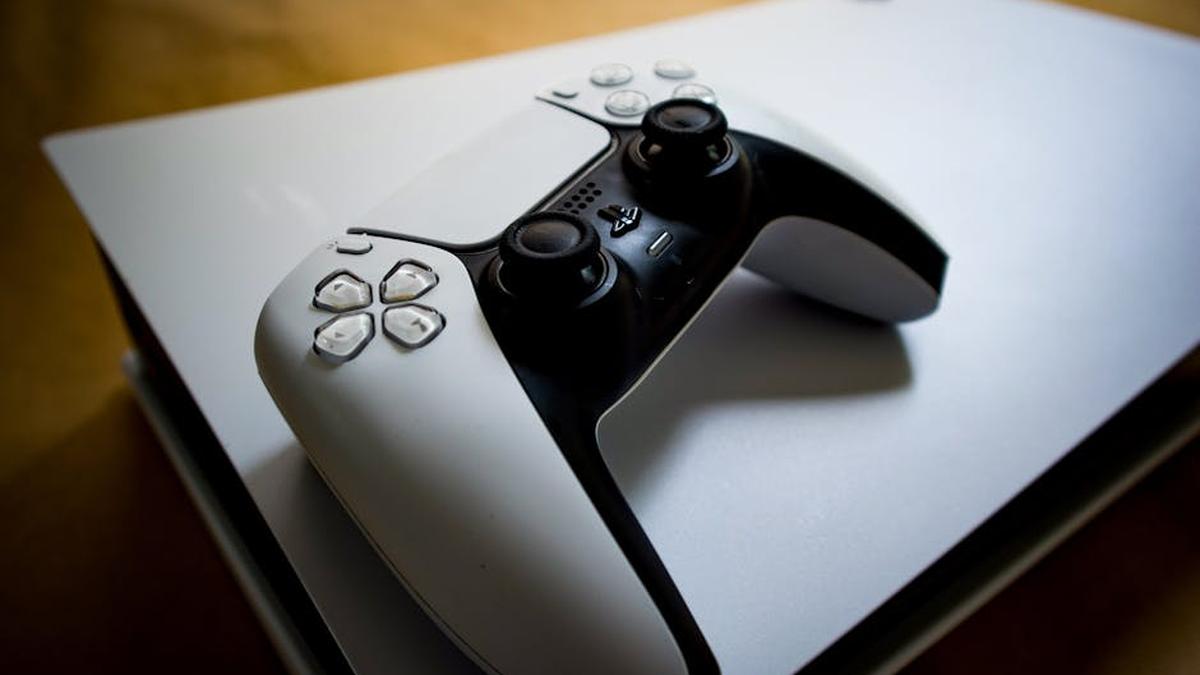
The PlayStation Portal is Sony’s official entry into the dedicated remote play hardware market. It’s a purpose-built device designed exclusively for streaming games from your PlayStation 5. At its core, the Portal features an 8-inch LCD screen flanked by two halves of a DualSense controller, promising an authentic PS5 gaming experience in handheld form. Its primary appeal lies in its seamless integration with the PS5 ecosystem, delivering the full fidelity of DualSense features like haptic feedback and adaptive triggers directly to your hands. The Portal connects to your PS5 via Wi-Fi, making it ideal for in-home streaming within a robust network environment. It’s pitched as a dedicated gaming device, free from the distractions of phone notifications or the need to juggle multiple apps.
Backbone One Overview
The Backbone One, particularly the PlayStation Edition, offers a different philosophy for mobile gaming. Instead of providing its own screen, it transforms your existing smartphone into a powerful gaming handheld. The Backbone One is a compact, collapsible controller that securely cradles your iPhone or Android device, connecting directly via USB-C or Lightning for minimal latency. While its controls emulate the PlayStation layout, it leverages your phone’s screen and processing power for streaming PS5 games via the PS Remote Play app. Beyond PS5, the Backbone One boasts incredible versatility, supporting Xbox Cloud Gaming, PC streaming services like Steam Link, and a vast library of native mobile games, making it a truly multi-platform portable gaming solution. The Backbone app further enhances the experience, acting as a launcher for all your supported games and services.
Related: Backbone One PlayStation Edition Review USA: Elevating PS Remote Play for iPhone Gamers?
Feature Comparison
When comparing these two devices, several key features stand out. The most apparent difference is the screen. The Portal offers a dedicated 8-inch LCD display, ensuring a consistent visual experience, while the Backbone One utilizes your smartphone’s screen, which can range from a budget LCD to a stunning OLED with higher resolutions, depending on your phone model. This means the Backbone’s visual quality is directly tied to your phone’s display capabilities.
Related: Best Mobile Gaming Controllers for iPhone & Android in USA (2026)
Controls are another critical differentiator. The PlayStation Portal delivers an uncompromised DualSense experience, complete with haptic feedback and adaptive triggers, making games feel identical to playing on your TV. The Backbone One, while featuring excellent, responsive buttons and sticks with a PlayStation layout, lacks these advanced haptic features, offering a more traditional mobile controller feel.
Related: Best 4K Webcams for Twitch Streamers & Content Creators in USA (2026)
Connectivity is also distinct. The Portal operates solely over Wi-Fi, requiring a strong, stable network for optimal performance, typically within your home. The Backbone One connects directly to your phone, which then utilizes its Wi-Fi or cellular data connection, offering greater flexibility for gaming away from home or in areas without Wi-Fi.
Related: Lenovo Legion Go USA Review: Can It Beat the Steam Deck for Portable PC Gaming?
In terms of compatibility and versatility, the Portal is a singular-purpose device for PS5 Remote Play. The Backbone One, however, is a chameleon, capable of enhancing not just PS5 Remote Play but also Xbox, PC, and native mobile gaming, offering a significantly broader utility for gamers with diverse interests.
Related: Xbox Elite Series 2 Core Review: Is This Pro Controller Worth It for Serious USA Gamers?
Portability also plays a role. The Backbone One’s collapsible design makes it incredibly compact and easy to slip into a bag, whereas the Portal, with its fixed 8-inch screen and integrated controls, is a larger device that requires a bit more space.
Pros and Cons for Both
PlayStation Portal
- Pros:
- Authentic DualSense experience with haptic feedback and adaptive triggers for immersive gameplay.
- Dedicated 8-inch LCD screen ensures a consistent viewing experience, free from phone distractions.
- Seamless, official integration with the PS5 ecosystem.
- Excellent ergonomics and build quality, feels like a premium device.
- No phone battery drain from the Portal itself.
- Cons:
- Exclusively for PS5 Remote Play; no other uses (no native apps, web browsing, or media playback).
- Wi-Fi only; no Bluetooth for audio (requires wired headphones) or cellular data support.
- Higher price point ($199.99) compared to the Backbone One.
- Larger and less portable than a collapsed Backbone One.
- LCD screen might not be as vibrant or offer the deep blacks of some modern smartphone OLEDs.
- Requires a very strong, stable home Wi-Fi network for optimal performance.
Backbone One (PlayStation Edition)
- Pros:
- Highly versatile, compatible with PS Remote Play, Xbox Cloud Gaming, PC streaming, and native mobile games.
- Leverages your smartphone’s screen, potentially offering higher resolution or OLED quality.
- Exceptional portability due to its collapsible design.
- More affordable price point ($99.99).
- Can utilize your phone’s cellular data for remote play on the go (network permitting).
- Pass-through charging allows you to charge your phone while playing.
- Dedicated Backbone app enhances game discovery and organization.
- Cons:
- No haptic feedback or adaptive triggers, diminishing the “next-gen” feel for PS5 games.
- Relies on your phone, which can lead to battery drain, interruptions from notifications, or screen glare.
- Controller feel, while excellent for a mobile device, isn’t identical to a full DualSense controller.
- Potential compatibility issues with very large phones or phones in thick cases.
- Overall remote play performance can be more variable, dependent on phone model and its Wi-Fi/cellular chip.
Which One is Better for Whom?
Choose the PlayStation Portal if:
- You prioritize the most authentic, immersive PS5 remote play experience with full DualSense features (haptics, adaptive triggers).
- You want a dedicated, distraction-free gaming device separate from your smartphone.
- Your primary use case is in-home streaming over a strong, stable Wi-Fi network.
- You don’t mind the higher price point for a premium, purpose-built device.
- You prefer a larger, fixed screen over using your phone’s display.
Opt for the Backbone One if:
- You already own a high-end smartphone with an excellent screen and strong Wi-Fi/cellular capabilities.
- You value versatility and want a single controller for PS5 Remote Play, Xbox Cloud Gaming, PC streaming, and native mobile games.
- Portability and gaming on the go (potentially using cellular data) are crucial for you.
- Budget is a significant concern, as it offers substantial value for its price.
- You don’t prioritize haptic feedback and adaptive triggers as much as convenience and multi-platform utility.
- You are comfortable with using your phone as the screen and managing its battery life and notifications.
Final Verdict
The choice between the PlayStation Portal and the Backbone One ultimately boils down to your personal priorities and how you envision your mobile gaming experience.
For the gamer who wants the absolute closest approximation to playing their PS5 natively in a handheld form, complete with all the advanced DualSense features, and primarily plans to game within the confines of a strong home Wi-Fi network, the PlayStation Portal is the undisputed champion. It offers a premium, dedicated experience that minimizes setup and maximizes immersion for PS5 titles.
However, for the savvy gamer seeking maximum versatility, portability, and value, who already possesses a capable smartphone, the Backbone One presents a compelling alternative. It not only excels at PS5 Remote Play but opens up a vast universe of other gaming possibilities, from Xbox to PC to mobile, all at a more accessible price point. Its ability to leverage your phone’s cellular data also makes it a true “anywhere” remote play device, a significant advantage for those who travel or game away from Wi-Fi.
Neither device is inherently “better” than the other in all aspects; they simply cater to different preferences and use cases. Evaluate your gaming habits, budget, and desired features carefully, and you’ll find the perfect companion for your PS5 remote play adventures.
Which device provides the most reliable and immersive remote play experience specifically for my PS5 games?
For a dedicated, high-quality PS5 remote play experience, the PlayStation Portal generally offers a more seamless and consistent connection, thanks to its direct integration with the PS5 ecosystem and its large, vibrant 8-inch screen. This provides an immersive, console-like feel without needing to use your phone. The Backbone One, while excellent, relies on your phone’s screen and Wi-Fi capabilities, meaning the visual experience can vary depending on your smartphone model. If your primary goal is the absolute best PS5 remote play, the Portal has an edge in dedicated performance.
Considering the price, is the PlayStation Portal’s dedicated screen and integrated design a worthwhile investment over using my smartphone with a Backbone One?
The value of the PlayStation Portal’s dedicated screen and integrated design heavily depends on your priorities. If you solely want a device for PS5 remote play and appreciate the convenience of an all-in-one handheld that doesn’t drain your phone’s battery, the Portal’s higher price tag might be justified for its premium experience. The Backbone One is more budget-friendly as it leverages your existing smartphone, making it a great option if you’re content with your phone’s screen size and want to save money while still getting fantastic physical controls.
Beyond just PS5 remote play, which device offers more versatility for gaming across other platforms like Xbox Game Pass or PC streaming?
The Backbone One is significantly more versatile in its multi-platform capabilities. Since it’s a mobile controller that attaches to your smartphone, it can be used for a wide array of gaming services, including Xbox Cloud Gaming (Game Pass Ultimate), PC game streaming (Steam Link, GeForce Now), and even native mobile games. The PlayStation Portal, on the other hand, is exclusively designed for PS5 Remote Play and does not support other gaming platforms or mobile games. If you plan to game across multiple ecosystems, the Backbone One offers far greater flexibility.
For frequent travelers or someone who wants the most portable and easy-to-set-up remote play solution, which option is more practical?
Both devices offer good portability, but with different nuances. The Backbone One is incredibly compact, often folding down or being small enough to slip into a pocket or small bag, and it leverages your phone, reducing the number of devices you need to carry. The PlayStation Portal, while still portable, is a larger, dedicated handheld (similar in size to a Nintendo Switch) and might require its own carrying case. In terms of setup, both are relatively straightforward, but the Backbone One’s reliance on your phone means you’re already carrying the “screen” component. For ultra-portability and multi-purpose use, the Backbone One often wins for travelers.
Related Products
- RTX 4070 Super vs RX 7800 XT: Which Mid-Range GPU Dominates for 1440p Gaming?
- Lenovo Legion Go USA Review: Can It Beat the Steam Deck for Portable PC Gaming?
- PlayStation 5 Slim USA Review: My Hands-On Verdict on Sony’s New Console
- Samsung Odyssey OLED G9 Review USA: Is This the Ultimate Ultrawide for Immersive PC Gaming?
- Backbone One PlayStation Edition Review USA: Elevating PS Remote Play for iPhone Gamers?