Introduction
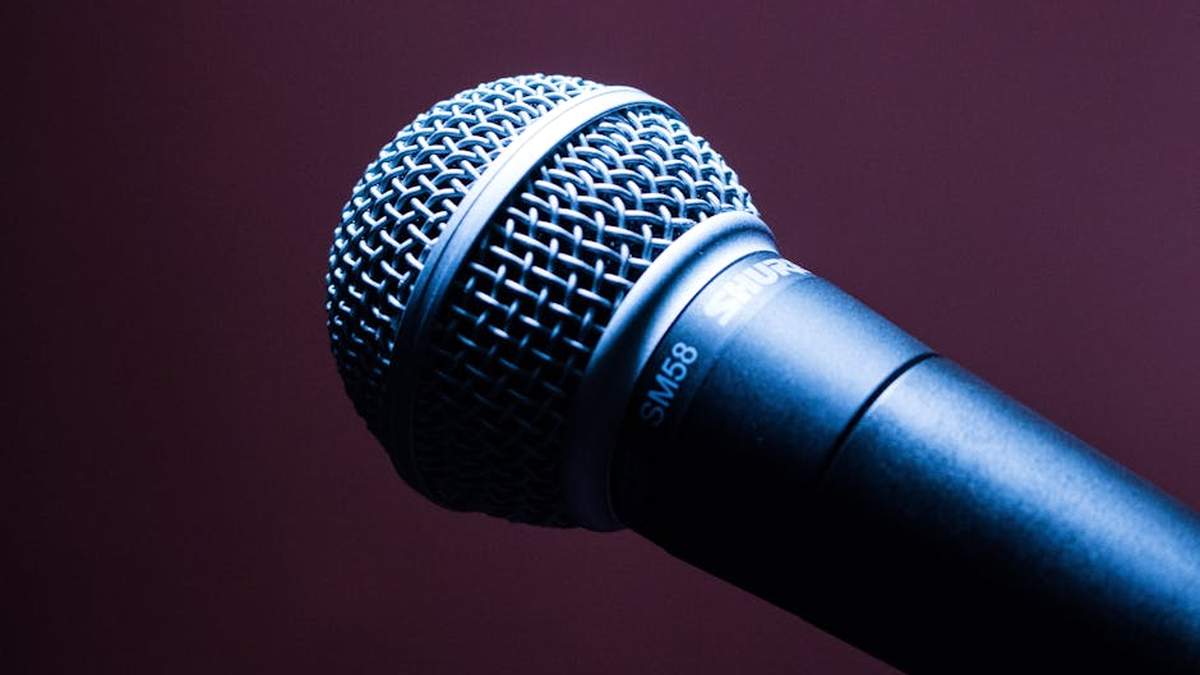
The Shure SM7B. The name alone evokes images of classic radio broadcasts, iconic music recordings, and the voices of some of the most influential podcasters. For decades, this dynamic microphone has been an industry standard, revered for its robust build, flat frequency response, and exceptional ability to capture pristine vocals while rejecting ambient noise. But in an era where gaming and streaming demand increasingly high-fidelity audio, often from home setups that are far from acoustically perfect, does this studio legend still hold its weight? This in-depth review explores whether the Shure SM7B remains a worthwhile investment for the discerning gamer or streamer in the USA.
Product Overview
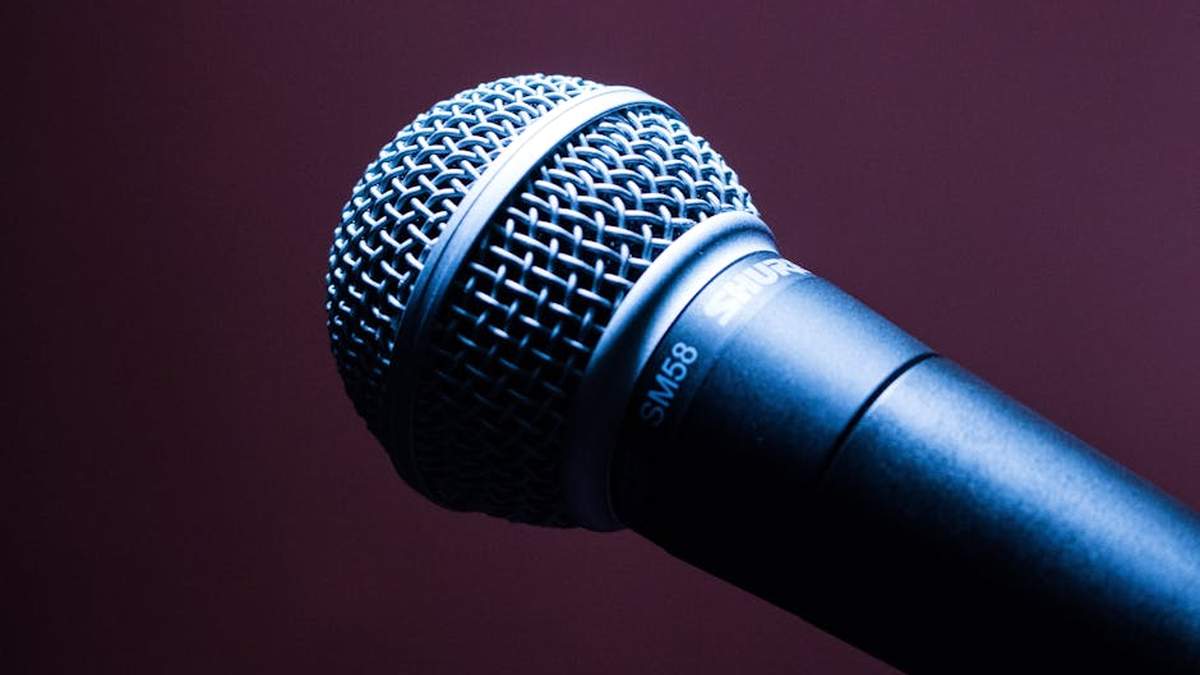
The Shure SM7B is a professional-grade dynamic microphone, a descendant of the SM7 that first appeared in 1973. It’s a broadcast-quality microphone designed primarily for vocals, renowned for its ability to produce a smooth, warm, and natural sound. Unlike many condenser microphones that are highly sensitive and pick up every nuance of a room, the SM7B’s dynamic nature and cardioid polar pattern are specifically engineered to focus on the sound source directly in front of it, minimizing background noise and room reflections. Its distinctive, rugged all-metal design, complete with an integrated yoke mount and internal pop filter, gives it an unmistakable presence. From capturing Michael Jackson’s vocals on “Thriller” to delivering crisp narration for countless podcasts and livestreams today, the SM7B has consistently proven its vocal prowess across diverse applications.
Key Features
- Dynamic Capsule: Excellent for rejecting unwanted background noise, making it ideal for untreated rooms or environments with computer fan noise, keyboard clicks, or general household sounds.
- Cardioid Polar Pattern: Primarily picks up sound from the front, significantly reducing pickup from the sides and rear.
- Flat, Wide-Range Frequency Response: Provides exceptionally clean and natural reproduction of voice and music, allowing for extensive EQ customization.
- Bass Rolloff & Mid-Range Presence Boost Switches: Two built-in, switchable frequency response controls allow users to tailor the mic’s sound to their voice or recording needs, offering versatility without external EQ.
- Internal Air Suspension Shock Isolation: Effectively eliminates mechanical noise transmission from vibrations and handling.
- Advanced Electromagnetic Shielding: Optimized to reject broadband interference from computer monitors and other electronic devices, a crucial feature for modern desktop setups.
- Built-in Pop Filter: An effective integrated pop filter eliminates the need for an external foam screen, controlling plosives and breath noises for clear speech.
- XLR Connectivity: Professional-standard output for robust, balanced audio signals, requiring an audio interface with an XLR input.
Pros
- Exceptional Vocal Clarity and Richness: Delivers a smooth, professional broadcast sound that makes voices sound full, warm, and highly intelligible.
- Superb Background Noise Rejection: Its dynamic nature and tight cardioid pattern are phenomenal at isolating your voice from noisy environments, a major advantage for gamers and streamers in non-studio settings.
- Incredibly Durable and Built to Last: Constructed like a tank, the SM7B is renowned for its longevity and ability to withstand years of heavy use.
- Versatile for Various Vocal Types: Accurately captures a wide range of vocal tones without sounding harsh or sibilant.
- Excellent Plosive Control: The integrated pop filter is highly effective at minimizing harsh “p” and “b” sounds, leading to cleaner audio.
- Timeless Aesthetic: Its iconic design looks professional and impressive on camera.
- Holds Resale Value: Due to its legendary status and durability, the SM7B tends to retain its value well.
Cons
- Requires Significant Gain: This is arguably its biggest hurdle. The SM7B is a low-output microphone and demands a high-quality audio interface with at least 60dB of clean gain, or preferably, an in-line preamplifier (e.g., Cloudlifter, FetHead) to achieve optimal signal levels. This adds to the overall cost and complexity.
- XLR Only (No USB): Not a plug-and-play solution. Requires an audio interface, which is an additional purchase and learning curve for beginners.
- Premium Price Point: The microphone itself is a significant investment, and the necessary accompanying gear (interface, gain booster, boom arm) further increases the total cost of ownership.
- Physical Size and Weight: It’s a substantial microphone that often necessitates a sturdy boom arm for proper positioning and stability, especially for long streaming sessions.
- Less “Sparkle” Out of the Box: Compared to some condenser microphones, it might sound less “airy” or immediately “exciting” without some equalization, though its neutral sound is often preferred for post-processing.
Who Should Buy This
- Serious Streamers & Content Creators: Those who are committed to producing broadcast-quality audio and are willing to invest in the necessary accompanying equipment.
- Gamers Who Prioritize Voice Comms: Individuals seeking a distinct advantage in voice clarity during multiplayer gaming or those who also stream.
- Users in Noisy Environments: If your room has background noise (PC fans, keyboard clicks, general household sounds, echoes), the SM7B’s superior noise rejection can be a game-changer.
- Those Who Already Own (or Plan to Buy) an Audio Interface: You need an interface with good preamps, and ideally, an in-line gain booster.
- Individuals Prioritizing Durability and Longevity: The SM7B is an investment that’s likely to last for many years.
- Audio Enthusiasts: Those who appreciate a natural, refined vocal tone and the flexibility to shape their sound.
Who Should Avoid This
- Budget-Conscious Buyers: If you’re looking for a good microphone under $200-$300 total, the SM7B, with its accessory requirements, will likely exceed your budget.
- Those Seeking a Simple Plug-and-Play Solution: If you want a USB mic that works right out of the box, the SM7B is not for you.
- Users Without an Audio Interface: You absolutely need one, and probably a gain booster too. Factor these costs and the setup complexity into your decision.
- Casual Users: If you only need “good enough” audio for occasional calls or very casual streaming, there are much more affordable and simpler options.
- Anyone Needing Extreme Portability: Its size and the need for external gear make it less ideal for highly mobile setups.
- Those Who Prefer a Bright, “Airy” Sound Immediately: While EQ can achieve this, some condenser mics offer this character more readily without additional processing.
Pricing Insight
The Shure SM7B is positioned as a premium professional microphone. In the USA, it typically retails in the mid-hundreds range. However, it’s crucial to understand that the sticker price for the microphone is only part of the total investment. To effectively use the SM7B for gaming or streaming, you will almost certainly need:
Related: Best 4K Gaming Monitors Under $600 for Consoles and PC in USA (2026)
- An audio interface (e.g., Focusrite Scarlett, Behringer UMC202HD) with XLR inputs and robust preamps.
- An in-line gain booster (e.g., Cloudlifter CL-1, FetHead) to provide the necessary extra clean gain, as the SM7B is notoriously gain-hungry.
- A sturdy boom arm (e.g., Rode PSA1, Blue Compass) to position the mic correctly and manage its weight.
- XLR cables.
When factoring in these essential accessories, the total cost of entry for a complete Shure SM7B setup can easily approach or exceed twice the microphone’s standalone price. Consider this a long-term investment in audio quality, not a quick purchase.
Related: Elgato HD60 X vs AverMedia Live Gamer Extreme 3: Best Capture Card for USA Streamers (Amazon Viral Comparison)
Comparison with 1 Alternative: Rode Procaster
For streamers and gamers seeking a broadcast-quality dynamic microphone that offers similar benefits to the SM7B, the Rode Procaster often emerges as a strong alternative.
Related: Elgato Stream Deck MK.2 Review (USA): A Must-Have Tool for Aspiring American Streamers?
| Feature | Shure SM7B | Rode Procaster |
|---|---|---|
| Type | Dynamic | Dynamic |
| Polar Pattern | Cardioid | Tight Cardioid |
| Connectivity | XLR | XLR |
| Noise Rejection | Excellent (Superior) | Excellent |
| Gain Requirement | High (Needs 60dB+ clean gain / booster) | Moderate-High (Often needs less than SM7B, but still substantial) |
| Sound Profile | Neutral, warm, smooth; very versatile with switches | Broadcast-ready, slightly more scooped mids, can sound “radio-ready” out of the box for some voices |
| Built-in Features | Bass rolloff & mid-presence boost switches, internal shock mount, internal pop filter | Internal pop filter, internal shock mount |
| Price Point (Mic Only) | Premium | Mid-to-Premium (often slightly less than SM7B) |
Key Differences: While both are excellent at rejecting noise and delivering clear vocals, the SM7B generally requires more gain. The Procaster’s sound profile can be slightly more “scooped” or pre-equalized for a classic radio sound, whereas the SM7B offers a flatter, more neutral base which some prefer for its flexibility. For those looking to save a bit on the gain booster or prefer a slightly different vocal characteristic, the Procaster is a formidable contender. However, the SM7B’s unique tonal switches and iconic status still give it a distinct edge for many.
Related: Razer DeathAdder V3 Pro vs Logitech G502 X PLUS: Top Wireless Gaming Mouse for USA PC Gamers (Amazon Viral Pick)
Final Verdict
The Shure SM7B remains an undisputed legend for a reason. Its ability to produce rich, broadcast-quality vocals while isolating the speaker from their environment is almost unparalleled, making it an incredibly powerful tool for gamers and streamers operating in less-than-perfect acoustic spaces. While its significant gain requirements and XLR-only connectivity mean it is far from a budget or plug-and-play option, the investment yields professional-grade audio that can dramatically elevate your content or communication.
Related: Sony DualSense Edge Review: Is This Pro PS5 Controller Worth The Premium Price For Competitive USA Gamers?
Is it still worth it for gaming and streaming in the USA? Absolutely, but with a critical caveat: it’s worth it for those who understand and are prepared for the full financial and setup commitment. If you prioritize pristine audio quality, durability, and a microphone that will serve you faithfully for years, and you’re willing to invest in the necessary supporting equipment, the Shure SM7B is not just a microphone; it’s a cornerstone of a professional audio setup that continues to deliver legendary performance. For the right user, it’s an exceptional choice that justifies its enduring reputation.
Ready to experience broadcast-quality audio?
Is the Shure SM7B truly worth the investment for a dedicated gaming or streaming setup in terms of audio quality?
Yes, for serious gamers and streamers seeking broadcast-quality audio, the Shure SM7B is often considered a top-tier investment. Its exceptional vocal clarity, warmth, and resistance to plosives provide a professional sound that significantly elevates content quality, setting it apart from most standard gaming headsets or USB microphones. While it’s a premium product, the audio upgrade is distinct and often justifies the cost for those prioritizing professional sound.
Given its premium price, are there more affordable microphones that offer comparable quality for gaming and streaming, or does the SM7B justify the cost?
While there are more affordable XLR and USB microphones that offer excellent quality for gaming and streaming (such as the Rode Procaster, Electro-Voice RE20, or even high-end USB mics like the Blue Yeti X), the SM7B often justifies its premium price through its legendary durability, superior internal shock mounting, and consistent, studio-grade sound profile. It’s built to last for decades, minimizes the need for future upgrades, and offers a unique sonic character that many professionals prefer, making it a valuable long-term investment for discerning creators.
What extra equipment (like an audio interface or pre-amp) is essential to get the best sound out of the Shure SM7B for streaming, and does that add significantly to the overall cost?
The Shure SM7B is a dynamic XLR microphone and requires an audio interface with sufficient clean gain (at least 60dB, preferably more) to operate optimally, as it has a low output level. Popular choices include the Focusrite Scarlett series, GoXLR, or Universal Audio Volt. Many users also opt for an in-line pre-amp like the Cloudlifter CL-1 or FetHead to boost the signal further and reduce noise. This additional essential gear (interface + optional pre-amp) can add $150-$350+ to the total setup cost, which is an important consideration when budgeting for the SM7B.
How effectively does the Shure SM7B reject background noise and keyboard clicks, making it suitable for a non-sound-treated gaming or streaming room?
The Shure SM7B excels at rejecting background noise due to its cardioid polar pattern and dynamic design, which are inherently less sensitive to ambient sounds than many condenser microphones. When positioned correctly (close to the mouth), it significantly minimizes unwanted noises like keyboard clicks, mouse movements, PC fan hum, and room echo. This makes it an outstanding choice for common home gaming or streaming environments that are not acoustically treated, providing a remarkably clean and focused vocal pickup.
Related Products
- Razer Kishi V2 Review (USA): Transform Your Mobile Gaming Experience?
- Elgato Stream Deck MK.2 Review (USA): A Must-Have Tool for Aspiring American Streamers?
- Astro A50 X Review (USA): Is This the New Gold Standard for Console Audio?
- SteelSeries Apex Pro TKL (2023) Review (USA): Unrivaled Speed for PC Gamers?
- Xbox Series X Review (USA): The Ultimate 4K Gaming Machine for American Players?