




Introduction
As consumers across the USA increasingly seek sustainable alternatives to single-use plastics, two popular contenders have emerged for keeping food fresh: silicone food storage bags and beeswax wraps. Both offer compelling environmental benefits and reusable convenience, but they cater to different needs and preferences. This data-driven consumer review will meticulously compare these two innovative products, helping you determine which solution, or combination of solutions, best fits your lifestyle and pantry requirements for optimum freshness and minimal waste.
Product A Overview: Silicone Food Storage Bags
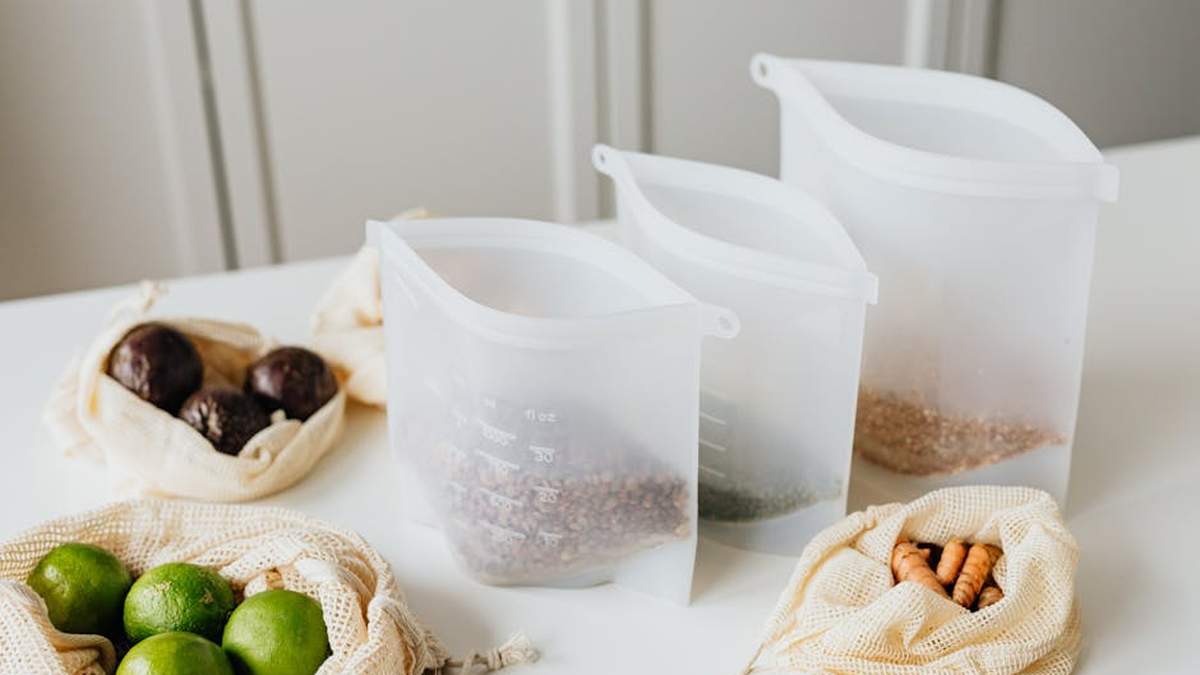
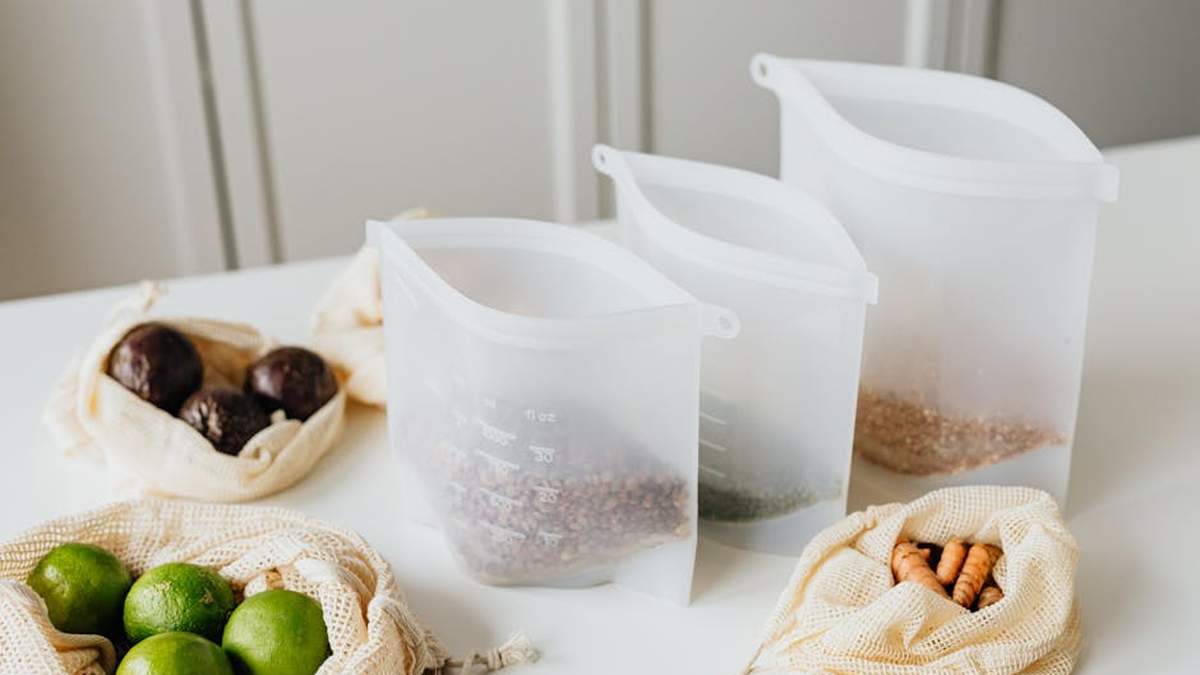
Silicone food storage bags represent a modern leap in reusable food preservation. Crafted from high-quality, food-grade silicone, these bags are designed to withstand a wide range of temperatures and conditions. They are known for their robust flexibility, durability, and a remarkably tight seal, often achieved through a slider mechanism that locks in freshness and prevents leaks. Available in various sizes, from snack portions to gallon capacities, silicone bags are a versatile workhorse in many American kitchens.
Pros:
- Extreme Durability: Constructed from sturdy silicone, these bags are built to last for many years of regular use, significantly reducing waste.
- Temperature Versatility: Safe for use in freezers, microwaves, ovens (up to certain temperatures, check manufacturer specifics), and even sous-vide cooking.
- Airtight & Leak-Proof: Their superior sealing mechanism makes them ideal for storing liquids like soups, marinades, and sauces without fear of spills.
- Easy to Clean: Many silicone bags are dishwasher-safe, offering a convenient and thorough cleaning process. They are also non-porous, resisting odors and stains.
- Food Compatibility: Suitable for nearly all food types, including raw meats, leftovers, meal preps, and bulk ingredients.
Cons:
- Higher Initial Cost: The upfront investment for a set of quality silicone bags can be significant compared to other storage options.
- Bulk & Storage: While flexible, they can take up more drawer or cabinet space than wraps when empty, especially larger sizes.
- Drying Can Be Tricky: The interior can sometimes be challenging to dry completely, potentially requiring air-drying on a rack.
- Synthetic Material: While food-grade silicone is inert, it is a synthetic material derived from sand and oxygen, and its recyclability is limited to specialized facilities.
Product B Overview: Beeswax Wraps
Beeswax wraps offer a charming, eco-friendly return to traditional food preservation methods with a modern twist. Typically made from organic cotton fabric infused with a blend of beeswax, jojoba oil, and tree resin, these wraps become pliable with the warmth of your hands. They then mold around food items or over bowls, creating a breathable, protective seal that is naturally antibacterial. Beeswax wraps are a favorite for those seeking a more natural, compostable alternative to plastic cling film. Related: Best Zero Waste Dish Soap Bars in USA (2026)
Pros:
- All-Natural & Biodegradable: Composed of natural ingredients, they are fully compostable at the end of their lifespan, returning to the earth without harm.
- Breathable Freshness: The natural breathability helps fresh produce last longer by preventing excessive moisture buildup, which can lead to spoilage.
- Molds & Seals Naturally: Easily shaped by hand to fit snugly around fruits, vegetables, cheeses, breads, or to cover bowls and containers.
- Lightweight & Compact: Extremely easy to store, taking up minimal space in drawers or hanging on a hook.
- Naturally Antibacterial: Beeswax and jojoba oil possess natural antimicrobial properties, aiding in food preservation.
Cons:
- Limited Food Compatibility: Not suitable for raw meat or very wet/hot foods, as this can melt the wax or cross-contaminate.
- Hand Wash Only: Requires gentle hand washing with cold water and mild soap; hot water or dishwashers will melt the wax coating.
- Shorter Lifespan: Typically last 6-12 months with proper care before needing to be re-waxed or composted, though some last longer.
- Can Retain Odors: Over time, strong-smelling foods like onions or garlic can leave residual odors on the wraps.
- Not Airtight: While they create a good seal, they are not completely airtight or leak-proof like silicone bags, making them less ideal for liquids.
- Potential Allergens: Individuals with beeswax or tree resin allergies should avoid them.
Comparison Table: Silicone Food Storage Bags vs. Beeswax Wraps
| Feature | Silicone Food Storage Bags | Beeswax Wraps |
|---|---|---|
| Material | Food-grade silicone (synthetic, sand-derived) | Organic cotton infused with beeswax, jojoba oil, tree resin (natural) |
| Durability/Lifespan | Very high; several years with proper care | Moderate; 6-12 months typically, requires re-waxing or composting |
| Temperature Range | Freezer, microwave, oven (specific temps), sous-vide safe | Room temperature to cool; not suitable for hot food, microwave, or oven |
| Airtightness/Seal | Excellent; leak-proof, ideal for liquids | Good; molds to food/bowls, breathable but not leak-proof |
| Cleaning | Dishwasher safe (often), hand wash with warm soapy water | Hand wash with cold water and mild soap only; air dry |
| Cost (Initial) | Higher per item/set | Lower per item/set |
| Cost (Long-term) | Excellent value due to extreme longevity | Requires replacement or re-waxing, adding to long-term cost |
| Eco-friendliness (Disposal) | Recyclable at specialized facilities; long lifespan reduces waste | Compostable/biodegradable at end of life |
| Food Suitability | All food types: liquids, raw meat, leftovers, produce, baked goods | Fruits, vegetables, cheese, bread, baked goods, covering bowls (avoid raw meat, hot food, liquids) |
| Storage | Can be bulky when empty, especially larger sizes | Folds flat, very compact |
| Odor/Stain Retention | Minimal to none; non-porous | Can retain strong odors over time; may stain with highly pigmented foods |
Which One is Better For Whom?
The “better” choice ultimately depends on your specific kitchen habits, food types, and values. Related: Wool Dryer Balls Review: The USA’s Top-Selling Natural Fabric Softener Put To The Test
Choose Silicone Food Storage Bags if you:
- Regularly store liquids, soups, or marinades and need a truly leak-proof solution.
- Frequently freeze food items for long-term storage or meal prepping.
- Desire microwave or oven compatibility for reheating or cooking (e.g., sous-vide).
- Prioritize ultimate durability and a “set-it-and-forget-it” ease of cleaning (dishwasher safe).
- Want an all-in-one solution that can handle virtually any food type, including raw meats.
- Are willing to make a higher initial investment for a product with an exceptionally long lifespan.
Choose Beeswax Wraps if you:
- Strongly prefer natural, biodegradable materials and wish to avoid synthetic products entirely.
- Primarily store fresh produce, cheese, bread, or cover bowls, benefiting from breathable storage.
- Are comfortable with hand-washing your food storage items.
- Seek a lower initial investment per item and appreciate a charming, artisanal aesthetic.
- Value compostability at the end of a product’s life.
- Have limited storage space, as they fold very flat.
Consider a Combination of Both if you:
- Handle a diverse range of food storage needs, from liquids to fresh produce.
- Want to maximize sustainability by utilizing the best features of each product.
- Are building a truly versatile, plastic-free kitchen and can accommodate both investments.
Final Verdict
Both silicone food storage bags and beeswax wraps are commendable sustainable champions in the fight against single-use plastic waste in USA pantries. There isn’t a single “best” solution for every household, as their strengths lie in different areas. Silicone bags excel in durability, versatility with liquids and temperature extremes, and easy cleaning for cooked foods and meal prep. Beeswax wraps shine in their natural composition, breathability for fresh produce, and effortless compostability. Related: Best Eco-Friendly Laundry Detergent Strips in USA (2026)
For most American consumers aiming for a comprehensive sustainable kitchen, the ideal approach is often a thoughtful combination of both. Use silicone bags for your freezer items, liquids, and cooked leftovers, and reach for beeswax wraps to keep your fresh fruits, vegetables, and cheeses perfectly preserved. By understanding their unique attributes, you can make informed choices that reduce your environmental footprint without compromising freshness or convenience. Related: Best Biodegradable Trash Bags in USA (2026)
Related: Best Bamboo Toothbrushes for Adults in USA (2026)
Which offers the best long-term sustainability and value for a USA pantry: silicone bags or beeswax wraps?
For long-term sustainability and overall value, silicone food storage bags often come out ahead. They are incredibly durable, lasting for many years (sometimes a decade or more) with proper care, making their higher upfront cost spread out over countless uses. Beeswax wraps typically last about 6-12 months before needing to be re-waxed or replaced, making their lifetime cost potentially higher if you frequently use them across your pantry and fridge needs.
How do cleaning and maintenance differ, and which is more convenient for busy USA households?
Silicone food storage bags offer significantly more convenience for cleaning. Most are dishwasher safe, or can be easily hand-washed with soap and water, and many can even be boiled or microwaved for sterilization. Beeswax wraps, however, require careful hand-washing with cold water and mild soap, as hot water will melt the wax. They cannot be put in the dishwasher or microwave, making them a bit more high-maintenance for busy schedules.
Which material provides superior food preservation for different types of items commonly found in USA pantries and fridges?
The “superiority” depends on the food type. Silicone bags create an airtight seal, making them excellent for liquids, marinades, strong-smelling foods, and preventing freezer burn on items in your fridge or freezer. Beeswax wraps are breathable, which is ideal for keeping produce (like herbs, fruits, and vegetables), cheese, and baked goods (like bread) fresh by preventing them from sweating and going soggy, mimicking nature’s own skin.
Considering food safety and material composition, which option is generally preferred for long-term food contact?
Both are generally safe for food contact, but with different considerations. Food-grade silicone is an inert material, free from BPA, phthalates, and PVC, and won’t leach chemicals into your food, making it a highly stable choice for long-term contact across various temperatures (freezer to oven). Beeswax wraps are made from natural ingredients (beeswax, jojoba oil, tree resin), which are generally food-safe and have natural antibacterial properties, but they are not suitable for raw meat (due to cleaning difficulties) or hot foods, and the oils can sometimes transfer slightly to highly fatty foods over time.
Related Products
- Bamboo Toothbrushes vs. Recycled Plastic Toothbrushes: Which Eco-Friendly Option is Best for Your US Bathroom?
- Wool Dryer Balls vs. Plant-Based Dryer Sheets: Healthier Laundry & Energy Savings for US Families
- Solid Dish Soap Bars vs. Concentrated Eco-Liquid: The Ultimate Zero-Waste Cleaning Showdown for American Kitchens
- Reusable Paper Towels vs. Compostable Sponges: Which Sustainable Kitchen Essential Wins for US Homes?
- Who Gives A Crap Toilet Paper Review: Is This The Most Loved Eco Brand In USA Homes?