




Introduction: The Rise of Sustainable Hair Care
The beauty industry, particularly in the United States, is undergoing a significant transformation driven by increasing consumer awareness regarding environmental impact and ingredient transparency. Among the most talked-about innovations aiming to address the issue of plastic waste are solid shampoo bars. Once considered a niche product, these concentrated hair cleansers have surged in popularity, positioning themselves as a compelling alternative to traditional liquid shampoos.
This deep dive will analyze the solid shampoo bar phenomenon, exploring its core features, benefits, drawbacks, and overall market standing in the USA. Are these compact, plastic-free alternatives truly dominating the market, or are they still finding their footing? Let’s unpack the data and user experience to provide a comprehensive review.
Product Overview: What Exactly Are Solid Shampoo Bars?
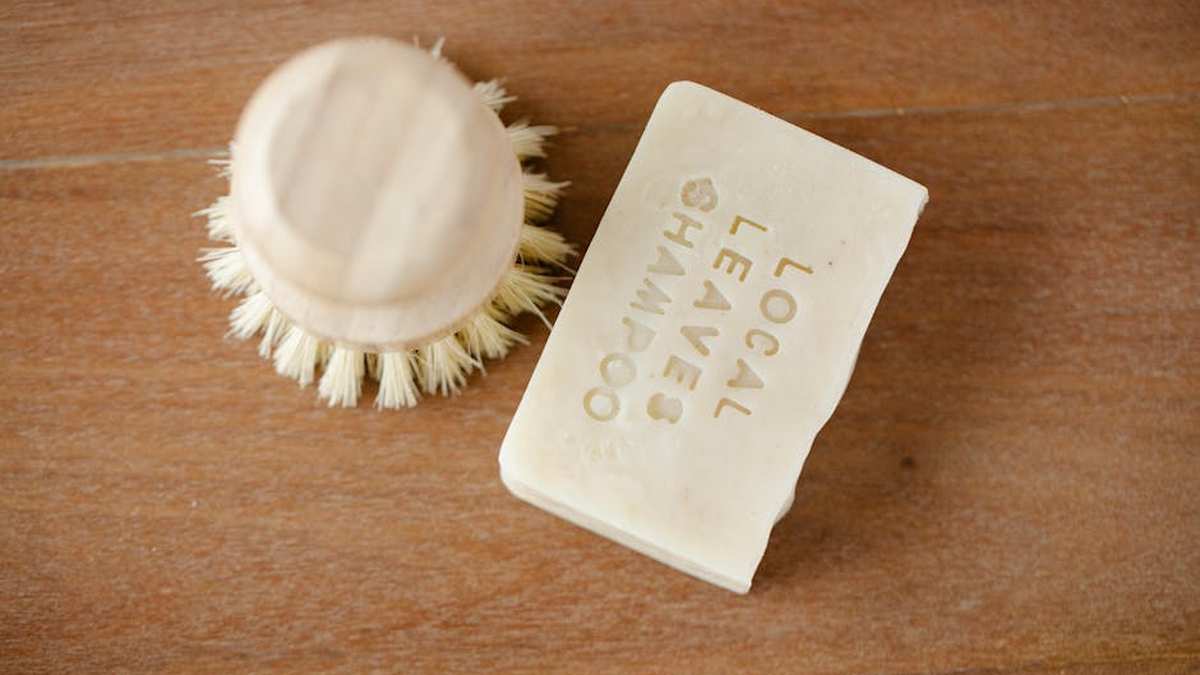
At its core, a solid shampoo bar is a highly concentrated hair cleansing product, typically resembling a bar of soap. Unlike liquid shampoos, which are often composed of 70-80% water, solid bars remove this diluent, offering a compact and potent formula. They are designed to lather with water, cleansing the hair and scalp effectively, often incorporating conditioning agents. Related: Swedish Dishcloths vs. Cellulose Sponges: Eco-Friendly Kitchen Cleanup for USA Households
The primary appeal of solid shampoo bars lies in their environmental credentials. Most brands package them in minimal, compostable, or recyclable materials, effectively eliminating the need for single-use plastic bottles. This aligns perfectly with the growing eco-conscious consumer base in the USA looking to reduce their carbon footprint and waste generation in their daily routines. Related: Best Zero Waste Dish Soap Bars in USA (2026)
Key Features: Unpacking the Innovations
- Plastic-Free & Eco-Friendly Packaging: This is arguably the most significant feature. Solid bars typically come in cardboard boxes or paper wraps, drastically reducing plastic waste that often ends up in landfills or oceans.
- Concentrated Formula: Without added water, these bars are packed with active ingredients. This means a single bar can often outlast two to three bottles of liquid shampoo, offering greater value over time.
- Travel-Friendly Design: Their solid state makes them ideal for travel. There are no liquid restrictions for carry-on luggage, and zero risk of spills in your bag.
- Often Natural & Gentle Ingredients: Many brands formulating solid shampoo bars prioritize natural, plant-derived ingredients. They frequently omit sulfates, parabens, phthalates, and synthetic fragrances, appealing to those with sensitivities or seeking cleaner beauty options.
- Targeted Formulations: The market offers a wide variety of bars catering to specific hair types and concerns, including options for oily, dry, fine, colored, or damaged hair, ensuring there’s a bar for almost everyone.
Pros and Cons: A Data-Driven Balance
Pros
- Significant Plastic Reduction: A single bar can save multiple plastic bottles from entering the waste stream, a major draw for eco-conscious consumers.
- Excellent Value & Longevity: Despite a potentially higher upfront cost, their concentrated nature means they last considerably longer than liquid counterparts, leading to cost savings over time.
- Unparalleled Travel Convenience: No leaks, no TSA liquid limits, and lightweight – a traveler’s dream.
- Reduced Chemical Exposure: Many formulations are free from common irritants like sulfates and parab, appealing to those seeking a gentler hair care routine.
- Compact & Space-Saving: Takes up less space in showers and travel kits.
Cons
- Learning Curve: Adapting to a solid bar can take time. Achieving optimal lather and understanding proper application may require initial adjustment.
- “Detox” Period Potential: Some users report an initial adjustment period where their hair might feel greasy or waxy, particularly when switching from traditional shampoos with silicones.
- Storage Requirements: To prolong the life of the bar, it must be stored in a dry place between uses, away from standing water. A soap dish is often necessary.
- Ingredient Variability: While many are “natural,” not all solid bars are created equal. Consumers must still check ingredients carefully, as some may contain synthetic components.
- Hard Water Challenges: In areas with very hard water, some formulations can leave a residue on hair, potentially requiring an apple cider vinegar rinse.
- Availability & Accessibility: While growing, they are not as readily available in all mainstream grocery or drug stores as liquid shampoos, though online options are abundant.
Who Should Buy Solid Shampoo Bars?
- The Environmentally Conscious Consumer: If reducing plastic waste and supporting sustainable practices is a priority, solid shampoo bars are an excellent choice.
- Frequent Travelers: Their convenience, portability, and leak-proof nature make them ideal for any journey.
- Minimalists: Those who appreciate decluttering their shower space and simplifying their beauty routine will find them appealing.
- Individuals Seeking Gentle Formulations: Many sulfate-free, paraben-free, and fragrance-free options cater to sensitive scalps or those avoiding harsh chemicals.
- Value Seekers: Over the long term, the extended life of a solid bar can translate into significant savings.
Who Should Avoid Solid Shampoo Bars?
- Individuals Unwilling to Adapt: If you prefer the immediate familiarity and ease of a pump bottle and are not open to a slight change in routine, solid bars might not be for you.
- Those with Very Specific Hair Needs: While options exist, some highly specialized hair treatments for extreme conditions might still be predominantly found in liquid form.
- Consumers in Hard Water Areas (without an ACV rinse plan): Without a suitable formulation or an occasional clarifying rinse, residue might be an issue.
- People Who Dislike the Feel of Bar Soap: If you simply don’t enjoy handling a bar product for washing, the experience may not be satisfying.
Pricing Insight: Understanding the Investment
In the USA market, the price of a single solid shampoo bar typically ranges from $8 to $20+, depending on the brand, ingredients, size, and specific formulation. At first glance, this might appear higher than a standard bottle of liquid shampoo. However, it’s crucial to consider the concentrated nature of the product. Related: Compostable K-Cups vs. Reusable Pods: Which Sustainable Coffee Solution Wins in the USA?
A single solid shampoo bar is often reported by users and manufacturers to last anywhere from 50 to 80 washes, or even more. This often translates to the equivalent of two to three (or even more) 8-12oz bottles of liquid shampoo. When calculated on a “cost per wash” basis, solid shampoo bars frequently emerge as the more economical option in the long run. Factors such as certified organic ingredients, ethical sourcing, and artisanal production can influence the higher end of the price spectrum. Related: Best Eco-Friendly Laundry Detergent Strips in USA (2026)
Comparison: Solid Shampoo Bars vs. Traditional Liquid Shampoo
To truly understand the value proposition of solid shampoo bars, a direct comparison with their traditional liquid counterparts is essential. Related: Soy Candles vs. Beeswax: The Healthiest Eco-Friendly Candle Choice for USA Buyers
- Packaging:
- Solid Bar: Predominantly plastic-free (cardboard, paper), significantly reduces environmental footprint.
- Liquid Shampoo: Almost exclusively packaged in virgin or recycled plastic bottles, contributing to plastic waste.
- Concentration & Longevity:
- Solid Bar: Highly concentrated, water-free formula; one bar typically lasts longer than multiple liquid bottles.
- Liquid Shampoo: Largely composed of water; requires more product per wash, leading to quicker depletion.
- Travel & Convenience:
- Solid Bar: Leak-proof, lightweight, no liquid restrictions, ideal for carry-on.
- Liquid Shampoo: Risk of leaks, subject to TSA liquid rules for carry-on, bulkier.
- Ingredients & Formulation:
- Solid Bar: Often formulated with natural, gentle ingredients, frequently sulfate and paraben-free.
- Liquid Shampoo: Wide range of formulations; many still contain sulfates, silicones, and synthetic fragrances, though “clean” options are growing.
- User Experience:
- Solid Bar: Requires rubbing the bar to create lather, needs proper drying/storage between uses. Can have a “detox” period.
- Liquid Shampoo: Familiar pump/squeeze bottle application, consistent lather, no specific storage beyond closing the lid.
- Environmental Impact:
- Solid Bar: Low carbon footprint, minimal waste, promotes sustainable living.
- Liquid Shampoo: Higher carbon footprint due to water content (shipping weight) and plastic manufacturing/disposal.
Final Verdict: Are Solid Shampoo Bars Dominating The USA Market?
Based on current market trends and consumer adoption rates, it would be an overstatement to say that solid shampoo bars are “dominating” the USA hair care market in the sense of holding the majority market share. Traditional liquid shampoos still command the largest portion of sales due to decades of established consumer habits, widespread availability, and brand loyalty.
However, the data unequivocally shows that the solid shampoo bar segment is experiencing significant and rapid growth. Driven by a powerful combination of environmental consciousness, a desire for cleaner ingredients, and practical benefits like travel convenience, consumer interest is escalating. Major beauty retailers and even some mainstream brands are now incorporating solid options into their product lines, indicating a strong belief in their long-term potential.
For the average USA consumer looking to make a more sustainable choice without sacrificing efficacy, solid shampoo bars present a highly viable and increasingly refined option. While there might be a minor adjustment period, the long-term benefits for both your hair care routine and the planet are substantial. If you’re ready to embrace a greener, more minimalist approach to personal care, exploring the world of solid shampoo bars is a highly recommended step.
Are solid shampoo bars truly effective for all hair types, and can they replace traditional liquid shampoo long-term?
Yes, most solid shampoo bars are formulated to be effective across a range of hair types, from oily to dry, fine to thick. Many users find they cleanse just as well, if not better, than liquid shampoos, often leading to healthier hair over time. The key is finding a bar with ingredients suited to your specific needs, and they are absolutely designed for long-term use as a complete replacement for bottled products.
How long does a solid shampoo bar typically last, making it a cost-effective choice compared to liquid shampoos?
A single solid shampoo bar often lasts significantly longer than a standard bottle of liquid shampoo, typically equivalent to 2-3 plastic bottles. This can translate to 60-80 washes, depending on hair length and washing frequency. While the upfront cost might be slightly higher, their longevity often makes them a more cost-effective and environmentally friendly choice in the long run.
Which brands of solid shampoo bars are considered top-tier or dominating the USA market, and what makes them stand out?
While the market is dynamic, brands like Ethique, HiBar, and Lush are frequently cited as leaders in the USA for solid shampoo bars. They stand out due to their high-quality, often natural ingredients, effective formulations for various hair concerns, and strong commitments to sustainability and plastic-free packaging. User reviews often highlight their lather, scent, and lasting positive effects on hair health as key differentiators.
Do solid shampoo bars leave residue or build-up in hair, and are they genuinely better for sensitive scalps?
Early formulations of some shampoo bars did have a reputation for residue (often due to high pH or different ingredients), but modern solid shampoo bars are largely formulated to rinse cleanly without leaving build-up. For sensitive scalps, many plastic-free bars are an excellent choice as they often contain fewer harsh chemicals, sulfates, and artificial fragrances than liquid counterparts, reducing the potential for irritation. Always check the ingredient list for specific allergens if you have known sensitivities.
Related Products
- Compostable Trash Bags: A Deep Dive Into USA’s Go-To Eco-Friendly Kitchen Essential
- Wool Dryer Balls Review: The USA’s Top-Selling Natural Fabric Softener Put To The Test
- Stasher Reusable Silicone Bags: The Truth About USA’s Favorite Eco Food Storage Solution
- Bamboo Toilet Paper Review: Why USA Shoppers Are Choosing This Sustainable Brand Over Others
- Blueland Reusable Cleaning Tablets: An Honest USA Review of Their Best-Selling Eco System