Who Gives A Crap Toilet Paper Review: Sustainable Softness Tested for Your Home
Introduction
In an era where consumer choices increasingly reflect personal values, the demand for sustainable household products has surged. Among these, toilet paper, a daily necessity, has become a surprising battleground for environmental ethics. Who Gives A Crap (WGAC) has emerged as a prominent player, aiming to revolutionize the industry with its eco-conscious approach and philanthropic mission. This comprehensive review delves into WGAC’s offerings, scrutinizing its claims of sustainability, evaluating its performance in a typical American home setting, and assessing its overall value proposition. Our objective is to provide an authoritative, data-driven analysis to inform your next purchase decision.
Product Overview
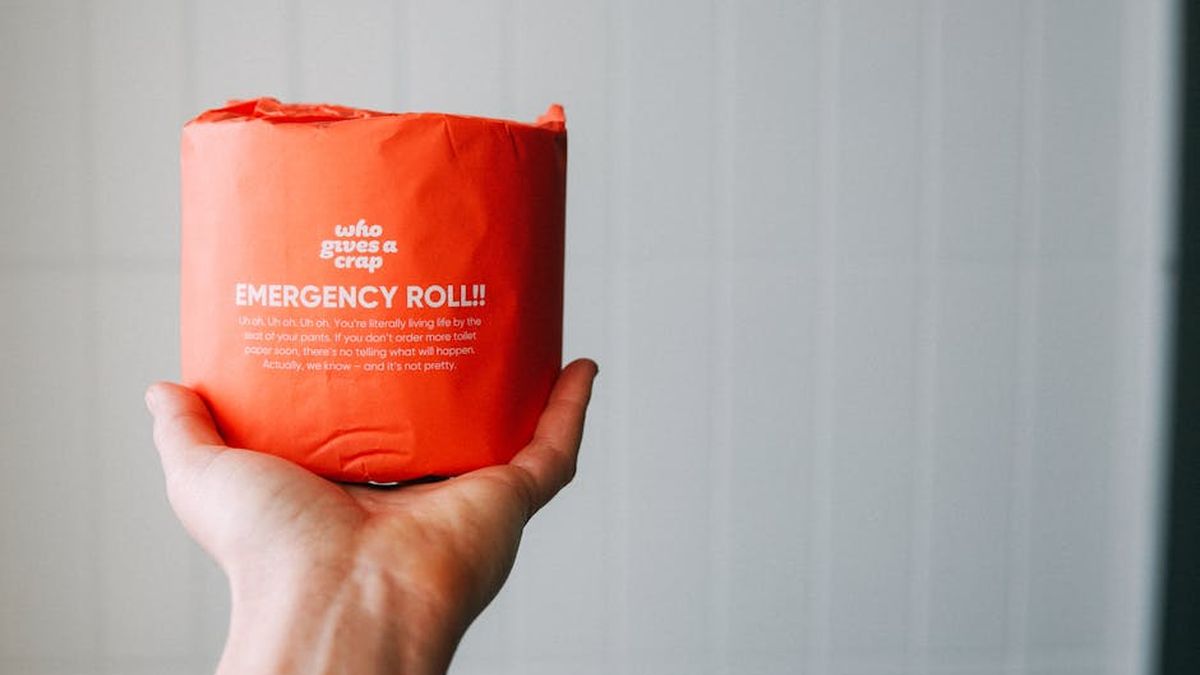
Who Gives A Crap is a toilet paper brand committed to creating environmentally friendly products while dedicating 50% of its profits to improve sanitation in developing countries. Originating from Australia, the brand has significantly expanded its reach into markets like the USA. WGAC offers two primary toilet paper variants: a 100% recycled paper option and a 100% bamboo option. Both are designed to be free from inks, dyes, fragrances, and BPA. The company prides itself on its plastic-free packaging, with each roll individually wrapped in colorful paper, and bundles shipped in recyclable cardboard boxes. Their business model heavily relies on direct-to-consumer sales, often through a convenient subscription service for bulk orders.
Key Features
- Sustainable Sourcing: Options include 100% recycled post-consumer waste paper or rapidly renewable bamboo, significantly reducing demand on virgin forests.
- Eco-Friendly Production: Manufacturing processes avoid chlorine, bleaches, dyes, and fragrances, minimizing environmental impact and potential irritants.
- Plastic-Free Packaging: Each roll is wrapped in decorative paper, and bulk orders are shipped in sturdy, recyclable cardboard boxes, eliminating single-use plastics from the entire supply chain.
- Social Impact Model: A substantial 50% of all profits are donated to organizations working to build toilets and improve sanitation access in low-income communities worldwide.
- Subscription Convenience: Consumers can opt for a flexible subscription service, ensuring a consistent supply delivered directly to their doorstep, often with discounted pricing.
- Double Length Rolls: WGAC rolls are designed to be longer than many standard supermarket brands, potentially lasting longer and requiring fewer roll changes.
Pros and Cons
- Pros:
- Exceptional Environmental Credentials: Truly committed to sustainability from materials to packaging.
- Significant Social Contribution: Purchases directly support vital sanitation projects globally.
- Plastic-Free Experience: Appeals strongly to consumers actively reducing plastic waste.
- Chemical-Free Composition: Ideal for individuals concerned about harsh chemicals in their personal care products.
- Convenient Delivery: The subscription model simplifies procurement, eliminating last-minute store runs.
- Aesthetically Pleasing: The colorful, individually wrapped rolls offer a unique visual appeal.
- Cons:
- Perceived Softness: While adequate, the texture of both recycled and bamboo options may not rival the ultra-plush feel of premium virgin pulp brands for some users.
- Upfront Cost: The bulk purchase model means a higher initial outlay compared to buying smaller packs of conventional TP, though cost-per-sheet can be competitive.
- Online-Only Availability: Primarily purchased online, which might be a barrier for consumers who prefer in-store shopping.
- Adjustment Period: Users accustomed to highly processed, softer toilet paper may require a brief adjustment period to the WGAC texture.
Who Should Buy This
- Environmentally Conscious Consumers: Individuals for whom reducing their ecological footprint is a top priority.
- Socially Responsible Shoppers: Those who actively seek brands that integrate philanthropy into their business model.
- Plastic-Free Advocates: Consumers dedicated to eliminating plastic from their household purchases.
- Subscription Service Enthusiasts: People who appreciate the convenience and potential savings of recurring deliveries.
- Families or Bulk Buyers: The large pack sizes (48 rolls) are ideal for households that consume a significant amount of toilet paper.
Who Should Avoid This
- Ultra-Softness Prioritizers: Consumers whose primary concern is the absolute softest, cloud-like toilet paper experience, regardless of environmental cost.
- Strict Budget Shoppers: While long-term value can be good, the higher upfront cost of bulk purchase might be prohibitive for some budgets.
- Impulse or Emergency Buyers: As it’s primarily an online subscription service, it’s not suitable for immediate, last-minute purchases.
- Brick-and-Mortar Only Shoppers: Those who strongly prefer to purchase all their household goods exclusively from physical retail stores.
Pricing Insight
Who Gives A Crap toilet paper is typically sold in large quantities, often in a 48-roll box. This bulk model often leads to a higher initial expenditure compared to smaller packs of conventional toilet paper found in supermarkets. However, an analysis of the cost-per-sheet or cost-per-roll (considering WGAC’s longer rolls) often reveals that it can be competitive with or even more economical than many mid-range virgin pulp brands over time. The subscription service frequently offers minor discounts, further enhancing its value. It’s crucial for consumers to view WGAC’s pricing not merely as a cost for a commodity, but as an investment that includes tangible environmental benefits, a significant social contribution, and the convenience of home delivery. While it may not be the cheapest option on a purely superficial unit price comparison, its overall value proposition extends far beyond the paper itself.
Comparison with 1 Alternative: Seventh Generation 100% Recycled Bath Tissue
When evaluating sustainable toilet paper options available in the USA, Seventh Generation’s 100% Recycled Bath Tissue often comes to mind as a direct alternative. Both brands are committed to reducing environmental impact through the use of recycled materials, avoiding elemental chlorine, dyes, and fragrances.
- Similarities:
- Both utilize 100% post-consumer recycled paper, minimizing virgin forest impact.
- Both are free from chlorine, dyes, and fragrances.
- Both offer a degree of softness that is functional and acceptable for recycled paper products.
- Both are widely recognized within the eco-conscious consumer segment.
- Key Differences:
- Packaging: WGAC excels with its entirely plastic-free packaging, each roll individually wrapped in paper, and bulk shipping in cardboard. Seventh Generation typically uses plastic wrap for its multi-packs, which, while often made from recycled plastic, is still plastic.
- Social Mission: WGAC dedicates an impressive 50% of its profits to sanitation projects. While Seventh Generation is a certified B Corp and focuses on broad sustainability initiatives, it does not have as explicit or significant a profit-sharing model for a specific cause.
- Availability: Seventh Generation is widely available in most major grocery stores and retailers across the USA, offering easy access for in-person shoppers. WGAC primarily operates through its direct-to-consumer online store and subscription service.
- Aesthetics: WGAC’s colorful, individually wrapped rolls provide a distinct, playful aesthetic, whereas Seventh Generation maintains a more conventional, utilitarian look.
- Material Options: WGAC offers both recycled paper and bamboo options. Seventh Generation primarily focuses on recycled paper for its bath tissue.
In essence, if plastic-free packaging and a direct, significant social contribution are paramount, WGAC presents a compelling edge. If broader retail accessibility and an established, reliable recycled product are the main drivers, Seventh Generation remains a strong contender, albeit with less stringent plastic-free credentials.
Final Verdict
Who Gives A Crap toilet paper represents a compelling proposition for the modern, conscious consumer. It stands out not just as a product, but as a commitment to a better world, offering a tangible solution to critical environmental and social challenges. While its softness may not rival the most luxurious virgin pulp brands, its performance is entirely adequate, providing reliable strength and absorbency. The initial bulk purchase price may seem higher, but its long-term value, coupled with the profound positive impact of each purchase, positions it as a worthwhile investment.
For individuals and families in the USA seeking to align their daily consumption with their values – prioritizing sustainability, actively reducing plastic waste, and supporting global sanitation efforts – Who Gives A Crap is an outstanding choice. It delivers on its promises of eco-friendliness and social good without significantly compromising on functionality. While it might not be for everyone, particularly those unwilling to compromise on ultra-plush softness or who prefer conventional retail shopping, for its target demographic, it is highly recommended as a superior, ethical alternative in the toilet paper market.
Is Who Gives A Crap toilet paper really soft enough for everyday use, especially if I’m used to premium brands?
Many users are pleasantly surprised by the softness of Who Gives A Crap, particularly their bamboo and premium recycled options. While it might not mimic the exact “cloud-like” feel of some ultra-premium virgin paper brands, it provides a comfortable, strong, and effective clean that holds up well, making it a perfectly suitable and enjoyable choice for daily use in most homes.
Beyond being recycled, what truly makes Who Gives A Crap sustainable, and does it impact its performance?
Who Gives A Crap’s sustainability commitment extends far beyond recycled materials; they use plastic-free packaging, invest in carbon-neutral shipping, and importantly, donate 50% of their profits to building toilets and improving sanitation globally. This strong ethical foundation doesn’t compromise performance; their paper is designed to be effective and durable, proving that sustainability and quality can coexist.
Considering the price, is Who Gives A Crap toilet paper a good value, or am I mostly paying for the ethical mission?
While the upfront cost per roll might seem higher than conventional supermarket brands, many customers find Who Gives A Crap offers excellent value due to its longer-lasting rolls (often double length) and durable sheets, meaning you use less per wipe. You are indeed supporting a vital ethical mission, but you’re also getting a high-quality, long-lasting product that helps reduce waste and the frequency of reordering.
How does Who Gives A Crap toilet paper stand up to common complaints about eco-friendly brands, like tearing or lack of absorbency?
Who Gives A Crap is generally praised for its robust quality, effectively countering common complaints about eco-friendly alternatives. Its rolls are designed for strength and absorbency, resisting tearing even with less ply, and providing a clean wipe without excessive usage. It’s engineered to perform reliably, making it a top choice among sustainable options that don’t compromise on practical needs.
Related Products
- Blueland Hand Soap Refill Kit Review: Is This Zero-Waste System Worth It?
- Dropps Dishwasher Pods Review: My Honest Take on Eco-Friendly Cleaning Power
- Best Eco-Friendly Toilet Paper Subscriptions for Sustainable Homes in USA (2026)
- Best Stainless Steel Zero-Waste Lunch Containers for Work & School in USA (2026)
- Best Organic Reusable Cotton Rounds for Skincare in USA (2026)