




What About Sleep Trackers?
Hey, you know how important sleep and recovery are these days, right? It’s not just for athletes; it affects how well you think every day too. More and more people here in the US want to understand their health better with data. So, two devices really stand out for tracking sleep and recovery: the Whoop 4.0 and the Oura Ring Gen3. They both say they can read your body’s signals. They give you personal advice to sleep and recover better. Basically, they help you get what’s going on inside you.
I want to help you figure out which one is better for *you*. Forget all the ads. Let’s look at what they actually do, how they perform, how they look, and what they cost each month. We’ll see what’s good and bad about both.
Okay, so Whoop 4.0 is this thing you wear on your wrist. It doesn’t have a screen. It’s really for people who are super serious about their fitness. Think athletes, or just people who work out a lot. Its main idea is all about “Strain” and “Recovery”. “Strain” is how much work you put your body through, physically and mentally. “Recovery” is how well your body bounces back. It constantly watches things like your heart rate variability, resting heart rate, and how you sleep. Then it gives you a daily recovery score, like from 0 to 100%. Whoop is really good at telling you what to do. It tells you how much you can push yourself on any day. It even tells you how much sleep you really need. There’s also a journal feature. You can note down stuff to see how different things affect your recovery. It’s like having a coach always with you. It tells you when to go hard or when to take it easy. All the info shows up on their app, not on the Whoop itself.
Then there’s the Oura Ring Gen3. It’s a ring you wear on your finger. It’s super subtle, comfy, and looks nice. It mostly tells you about your sleep, how ready you are for the day, and your general activity. Its big advantage is that it just quietly gathers data all day and night. People who care a lot about overall wellness, or just want something that looks good and feels good, really like it. The Oura Ring gives you a daily “Readiness” score. It combines your sleep, resting heart rate, heart rate variability, and a cool thing: your body temperature changes. That temperature feature is pretty special. It can hint if you’re getting sick, how stressed you are, and even help women track their periods. It does track your activity, but it’s more about overall health. Not so much for super intense workout tracking like Whoop. The Oura app is easy to use. It shows you trends over time. This helps you see how your health changes over weeks and months.
So, both Whoop and Oura are top-notch for sleep and recovery tracking. But they’re for different kinds of people. It’s not about one being “the best”. It’s about what fits *you* better. Really, it comes down to your life, what you want to achieve with your health, and how you like to look at data. Think about what’s most important to you for sleep and recovery. Then pick the one that matches that, and your wallet.
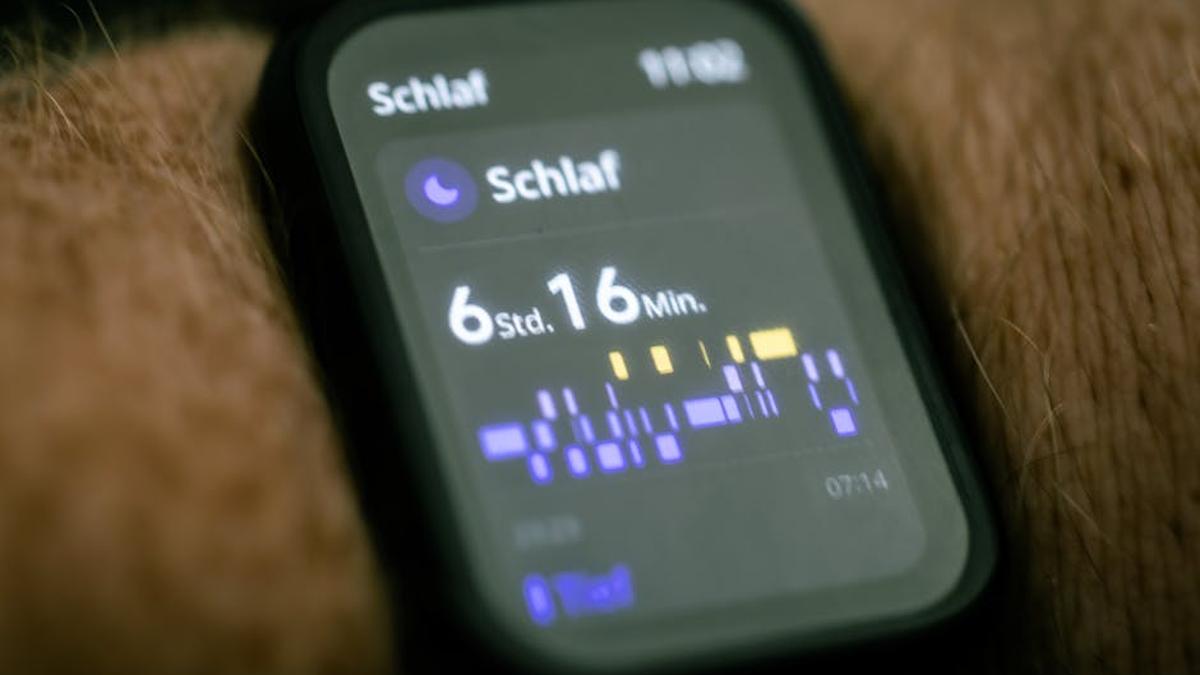
Alright, let’s talk about sleep tracking. Both Whoop and Oura do a great job. Whoop really gets into the nitty-gritty of your sleep stages – like how much REM, deep sleep, and light sleep you get. It ties that directly to your recovery. It gives you super specific tips based on how well and consistently you sleep. Oura gives you an overall “Sleep Score”. It looks at things like your total sleep, how quickly you fall asleep, and your heart rate during sleep. It puts it all together in a simple way, with easy tips to sleep better.
Now, for recovery scores. Whoop’s “Recovery” score, that 0-100% number, mostly comes from your heart rate variability, resting heart rate, and sleep quality. It tells you if your body is really ready to push itself. Oura’s “Readiness” score, also 0-100%, uses similar stuff – HRV, resting heart rate, and even body temperature. But it also looks at your recent activity, your sleep patterns over time, and your breathing rate. Lots of people like how Whoop directly links your recovery to how much “strain” you can handle. It’s really good for knowing, ‘Should I go hard today or rest?’ Oura’s “Readiness” is a bit broader. It gives you a wider view for planning your whole day.
So, how do they measure all this? Both Whoop, which you wear on your wrist or bicep, and Oura, on your finger, use these special light sensors to check your heart rate and heart rate variability. Some people, and even a few studies, say Oura might be a bit more accurate for heart rate variability, especially when you’re sleeping. That’s because it’s on your finger, so it doesn’t move around as much as a wrist tracker. But Whoop has really smart software, and you can wear it on your bicep too. That also helps it give reliable data for its whole recovery system. So, honestly, both are pretty good at being accurate for this important stuff.
Oh, and Whoop is super popular for its coaching stuff. It actually tells you how much sleep you need tonight. It gives you sleep tips, and that journaling feature helps you see how your habits affect your recovery.