




Introduction: Navigating the Sustainable Oral Care Aisle
As American consumers increasingly prioritize sustainability in their purchasing decisions, the oral care market has responded with a proliferation of eco-friendly alternatives to the ubiquitous virgin plastic toothbrush. Among the most popular contenders are bamboo toothbrushes and those crafted from recycled plastics. While both aim to reduce environmental impact, their approaches, material lifecycles, and end-of-life considerations differ significantly. This in-depth analysis will dissect the attributes of each option, providing a clear comparison to help you make an informed choice for your US bathroom and the planet.
Product A Overview: The Bamboo Toothbrush
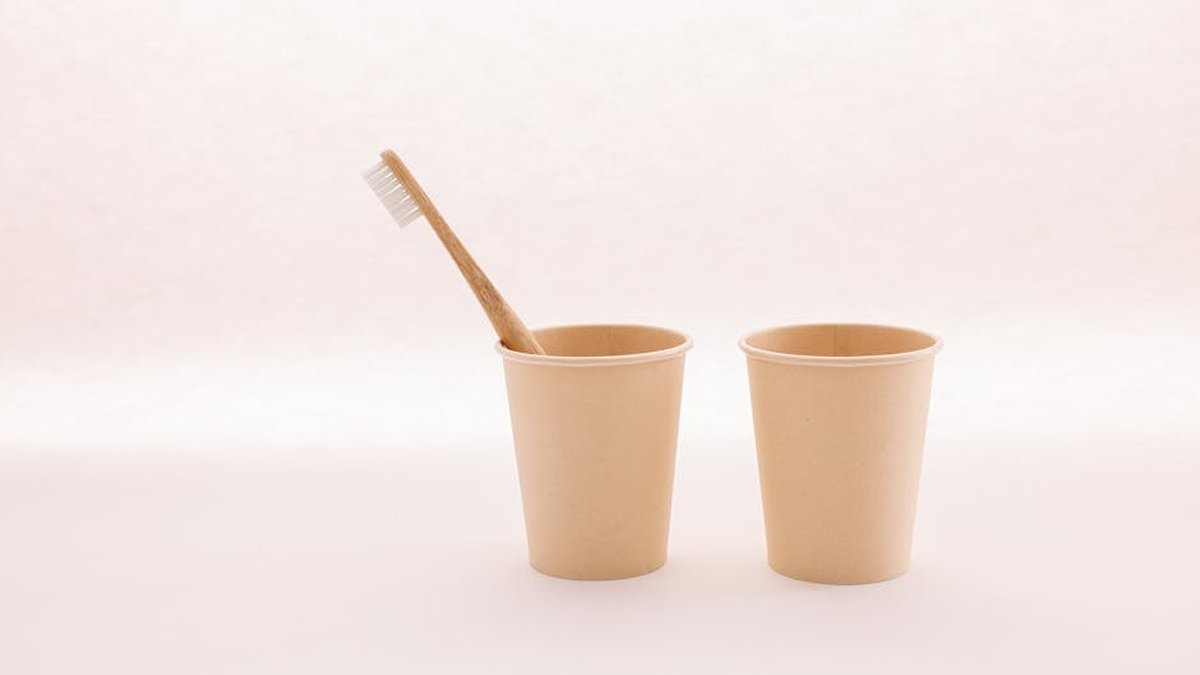
Bamboo toothbrushes are heralded for their natural origins and biodegradability. The handles are typically made from Moso bamboo, a fast-growing, renewable resource that does not require pesticides or fertilizers. This variety of bamboo is also not consumed by pandas, mitigating concerns about wildlife impact. The handles are often heat-treated to resist microbial growth and improve durability. While the handle is a clear environmental win, the bristles present a more complex picture. Most bamboo toothbrushes still use nylon-6 or nylon-610 bristles, which are petroleum-based and not biodegradable. Some brands offer plant-based bristles (e.g., castor bean oil bio-nylon), but even these are often not fully compostable and require industrial composting facilities, which are not widely accessible to US consumers.
From an aesthetic perspective, bamboo toothbrushes offer a minimalist, natural look that many find appealing. Their light weight and ergonomic design often mirror traditional toothbrushes, providing a familiar brushing experience. Related: Blueland Reusable Cleaning Tablets: An Honest USA Review of Their Best-Selling Eco System
Product B Overview: The Recycled Plastic Toothbrush
Recycled plastic toothbrushes offer an alternative path to sustainability by diverting post-consumer plastic waste from landfills and oceans. These toothbrushes are typically manufactured using plastics like HDPE (High-Density Polyethylene) or PP (Polypropylene) that have been collected, sorted, cleaned, and reprocessed into new materials. This process reduces the demand for virgin plastic production, which consumes significant energy and fossil resources. The bristles, similar to bamboo toothbrushes, are almost exclusively made from virgin nylon, maintaining the same performance standards as conventional toothbrushes. Related: Wool Dryer Balls Review: The USA’s Top-Selling Natural Fabric Softener Put To The Test
The appeal of recycled plastic toothbrushes lies in their direct contribution to waste reduction and the circular economy. They often mimic the design and feel of traditional plastic toothbrushes, offering a seamless transition for consumers. However, the end-of-life for these toothbrushes remains a challenge, as the composite nature of the toothbrush (handle + bristles) makes curbside recycling difficult, if not impossible, for most municipal programs in the US. Related: Bamboo Toilet Paper Review: Why USA Shoppers Are Choosing This Sustainable Brand Over Others
Comparison Table: Bamboo vs. Recycled Plastic Toothbrushes
| Feature | Bamboo Toothbrushes | Recycled Plastic Toothbrushes |
|---|---|---|
| Primary Handle Material | Moso Bamboo (renewable, natural) | Post-consumer Recycled Plastic (e.g., HDPE, PP) |
| Typical Bristle Material | Nylon-6/610 (petroleum-based); some bio-nylon | Nylon-6/610 (petroleum-based) |
| Handle End-of-Life | Compostable/Biodegradable (remove bristles) | Not biodegradable; difficult to recycle again (composite product) |
| Bristle End-of-Life | Non-biodegradable; requires separate disposal/special recycling | Non-biodegradable; requires separate disposal/special recycling |
| Manufacturing Impact | Relatively low for handle; bamboo growth is carbon-negative. | Reduces virgin plastic demand, repurposes waste plastic. |
| Durability & Feel | Durable handle; can feel slightly different. | Very durable; familiar feel to conventional plastic. |
| Aesthetic | Natural, minimalist, earthy tones. | Can be various colors, often mimicking traditional plastic. |
| Cost (General US Market) | Comparable to mid-range conventional toothbrushes ($4-$8 USD) | Comparable to mid-range conventional toothbrushes ($4-$8 USD) |
| Common Disposal Method | Compost handle, landfill bristles (or Terracycle) | Landfill (or Terracycle/brand take-back programs) |
Feature Comparison: A Deeper Dive
Both toothbrush types address sustainability, but from different angles. Bamboo focuses on renewable resources and biodegradability of the handle, reducing virgin plastic at the source. Recycled plastic toothbrushes tackle the existing plastic waste problem, giving new life to materials that would otherwise end up in landfills or incinerators. The common denominator of nylon bristles in both options highlights a persistent challenge in achieving a truly zero-waste toothbrush solution. While some bamboo brands offer “plant-based” bristles, consumers should scrutinize the claims, as these are often bio-nylons that are not home-compostable and still represent a non-biodegradable component for most US households. Related: Who Gives A Crap Toilet Paper Review: Is This The Most Loved Eco Brand In USA Homes?
Packaging is another area where both types generally excel, often utilizing recycled cardboard or minimal plastic-free options, a significant improvement over traditional blister packs. Related: Soy Candles vs. Beeswax: The Healthiest Eco-Friendly Candle Choice for USA Buyers
Pros and Cons: A Balanced Perspective
Pros of Bamboo Toothbrushes:
- Highly Renewable Resource: Bamboo grows incredibly fast and sequesters carbon, making the handle a truly sustainable material.
- Biodegradable Handle: The bamboo handle can be home-composted, biodegrading naturally and returning to the earth.
- Reduced Virgin Plastic: Eliminates the need for virgin plastic in the handle, a significant portion of the toothbrush.
- Natural Aesthetic: Many consumers prefer the organic, minimalist look and feel.
- Often Plastic-Free Packaging: Typically sold in recyclable cardboard boxes.
Cons of Bamboo Toothbrushes:
- Bristle Challenge: Most bristles are still nylon, requiring removal and separate disposal, which can be inconvenient.
- Durability of Bristles: Some users report nylon bristles on bamboo brushes can splay more quickly than conventional ones.
- Moisture Sensitivity: Bamboo handles can sometimes develop mold if not properly dried between uses or stored in a humid environment.
- Global Supply Chain: Bamboo is primarily sourced from Asia, incurring transportation emissions.
Pros of Recycled Plastic Toothbrushes:
- Waste Diversion: Directly addresses the plastic waste crisis by repurposing existing materials.
- Reduces Virgin Plastic Demand: Lessens the need for new plastic production, conserving fossil fuels and energy.
- Familiar User Experience: Offers the same feel, weight, and durability as conventional plastic toothbrushes.
- Innovative Solutions: Some brands offer take-back programs or use plastics collected from oceans, creating a more circular economy.
- Often Plastic-Free Packaging: Typically sold in recyclable cardboard boxes.
Cons of Recycled Plastic Toothbrushes:
- Not Biodegradable: The handle itself will not break down naturally, contributing to landfill if not recycled.
- Difficult End-of-Life Recycling: Due to mixed materials (plastic handle, nylon bristles), curbside recycling is typically not an option for the toothbrush as a whole.
- Microplastic Shedding: Like all plastic brushes, these can shed microplastics during use, which can enter waterways.
- Still a “Plastic” Product: Despite being recycled, some consumers prefer to avoid plastic entirely.
Which One is Better for Whom?
The “better” option often comes down to individual priorities and what aspect of environmental impact one wishes to mitigate most:
- Choose Bamboo If:
- Your primary concern is biodegradability of the handle and reducing virgin plastic from new resource extraction.
- You appreciate natural materials and a minimalist aesthetic in your bathroom.
- You are willing to put in the effort to separate the bristles for proper disposal (e.g., storing for Terracycle or landfilling bristles, composting handle).
- You have access to composting facilities or are comfortable home composting.
- Choose Recycled Plastic If:
- Your primary concern is waste reduction and diverting existing plastic from landfills and oceans.
- You prefer the familiar feel, durability, and hygiene of a traditional plastic toothbrush.
- You want to support brands actively participating in circular economy initiatives, especially if they offer take-back or specialized recycling programs.
- You don’t have access to composting and prefer a product that addresses upstream waste rather than downstream biodegradability.
Final Verdict: A Step Forward, Not Perfection
Both bamboo and recycled plastic toothbrushes represent commendable advancements over conventional virgin plastic options, and choosing either is a positive step for the environment. There is no single “perfect” solution, as each comes with its own set of trade-offs.
For US consumers prioritizing the reduction of virgin material extraction and seeking a biodegradable handle, the bamboo toothbrush, despite its nylon bristle caveat, offers a compelling natural choice. It requires a conscious effort at end-of-life to maximize its environmental benefit.
Conversely, for those focused on waste utilization and supporting a circular economy, the recycled plastic toothbrush provides a familiar and robust solution. It transforms existing waste into a functional product, though its own end-of-life recycling remains a challenge for the average consumer.
Ultimately, the best eco-friendly toothbrush for your US bathroom is the one you will use consistently, dispose of responsibly, and that aligns best with your personal environmental values. We recommend consumers also look for brands that clearly state their bristle materials, offer transparent end-of-life instructions, and potentially participate in broader recycling initiatives like Terracycle to ensure the most holistic sustainable choice.
Considering their full lifecycle, which toothbrush – bamboo or recycled plastic – truly has the lower environmental footprint for a US consumer?
While both are significant improvements over virgin plastic, bamboo toothbrushes generally have a lower overall environmental footprint. Bamboo is a rapidly renewable resource that requires minimal water and no pesticides to grow, and its handle is biodegradable. Recycled plastic toothbrushes divert waste from landfills, but their production still consumes energy, and they face challenges with end-of-life recycling infrastructure in the US, often ending up in landfills. The biodegradability of bamboo offers a clear advantage in its full lifecycle impact for the US consumer.
Are the bristles on bamboo toothbrushes as effective and hygienic as those on recycled plastic toothbrushes for daily cleaning?
Yes, the bristles on most bamboo toothbrushes, which are commonly made from nylon-6 or castor bean oil bio-nylon, are designed to be just as effective and hygienic as the bristles found on recycled plastic toothbrushes. They come in various softness levels and are engineered to thoroughly clean teeth and gums. The material of the handle itself does not impact the cleaning performance or hygiene of the bristles. For both types, dentists recommend replacing your toothbrush every 3-4 months for optimal oral hygiene.
How long can I expect a bamboo toothbrush to last compared to a recycled plastic one, and are there any special care requirements for either in a typical US bathroom?
Both bamboo and recycled plastic toothbrushes are designed to last the recommended 3-4 months of regular use. For bamboo toothbrushes, it’s advisable to store them in a dry place or holder to prevent mold growth, as the natural material can be susceptible to moisture if left in a perpetually wet environment (e.g., in a cup with standing water). Recycled plastic toothbrushes require no special care beyond rinsing after use, similar to conventional plastic brushes. This minor care difference for bamboo is generally easy to accommodate in a typical US bathroom.
What’s the realistic disposal process for bamboo and recycled plastic toothbrushes in the US, and which option makes it easier to genuinely reduce landfill waste?
Bamboo toothbrushes generally offer a more straightforward path to genuinely reducing landfill waste. After removing the nylon bristles (which should be landfilled or recycled if a specialized program exists), the bamboo handle can be composted in a backyard compost pile or through an industrial composting facility. Recycled plastic toothbrushes, while made from recycled material, are very difficult to recycle again through standard curbside programs in the US due to their small size and mixed material composition. This means they often end up in landfills. While some specialized mail-back programs exist for both, bamboo offers a more readily accessible and effective default end-of-life scenario for US consumers.
Related Products
- Wool Dryer Balls vs. Plant-Based Dryer Sheets: Healthier Laundry & Energy Savings for US Families
- Solid Dish Soap Bars vs. Concentrated Eco-Liquid: The Ultimate Zero-Waste Cleaning Showdown for American Kitchens
- Reusable Paper Towels vs. Compostable Sponges: Which Sustainable Kitchen Essential Wins for US Homes?
- Who Gives A Crap Toilet Paper Review: Is This The Most Loved Eco Brand In USA Homes?
- Hydro Flask Reusable Water Bottle Review: USA’s Top Pick For Sustainable Hydration?