





Introduction
In the quest to reduce single-use plastic waste and embrace more sustainable living, US families are increasingly seeking eco-friendly alternatives for packing school and work lunches. Two prominent contenders in the reusable food storage market are Stasher Bags and Bee’s Wrap. Both offer innovative solutions designed to keep food fresh without contributing to landfill overflow, but they employ distinct materials, designs, and functionalities. This professional buyer’s guide aims to provide a comprehensive comparison, helping busy parents and eco-conscious consumers determine which option, or combination of options, best suits their family’s specific needs for everyday lunch packing.
Comparison Table
| Feature | Stasher Bags | Bee’s Wrap |
|---|---|---|
| Primary Material | 100% pure platinum silicone | Organic cotton infused with beeswax, jojoba oil, and tree resin |
| Sealing Mechanism | Patented Pinch-loc™ airtight seal | Warmth of hands molds wrap around food/containers; breathable seal |
| Durability/Lifespan | Very durable, designed to last thousands of uses (up to 10+ years) | Durable for a fabric wrap, typically 1 year with proper care |
| Cleaning | Dishwasher safe (top rack recommended), hand wash with soap & water | Hand wash with cool water and mild soap; air dry |
| Temperature Tolerance | Freezer, microwave, oven (up to 400°F/200°C), sous vide | Avoid direct heat (hot water, microwave, oven); freezer friendly for short term |
| Ideal Food Types | Wet snacks, sandwiches, leftovers, marinades, liquids, produce | Dry snacks, sandwiches, bread, cheese, cut vegetables, covering bowls |
| Versatility | Highly versatile for storage, cooking, freezing, travel; can store non-food items | Best for wrapping and covering; limited for liquids or very wet items |
| Environmental Impact | Recyclable through specialized programs; reduced plastic waste | Compostable at end of life; biodegradable; natural ingredients |
| Initial Cost | Higher per unit | Lower per unit/pack |
| Maintenance Effort | Low (dishwasher friendly) | Moderate (hand wash only, mindful of heat) |
Product A Overview: Stasher Bags
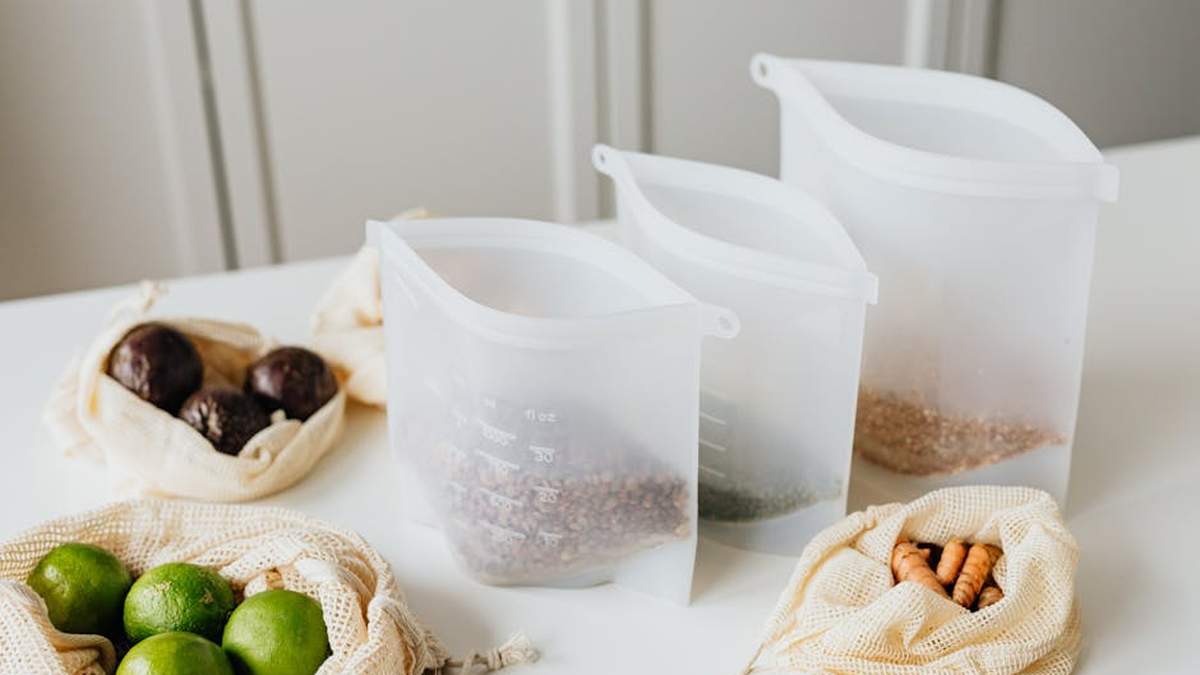
Stasher Bags are a popular choice for families seeking a robust, versatile, and enduring alternative to single-use plastic bags. Crafted from 100% pure platinum silicone, a highly durable and non-toxic material, these bags are designed to withstand extreme temperatures and repeated use. Their signature Pinch-loc™ seal creates an airtight, leakproof barrier, making them ideal for a wide range of foods, including liquids, marinated items, and anything needing secure containment.
Available in a variety of sizes and vibrant colors, Stasher Bags can go from the freezer to the microwave, oven, or even sous vide bath, offering exceptional flexibility for meal prep and food storage. Cleaning is convenient, as they are dishwasher safe, simplifying the post-lunch routine for busy households. Related: Silicone Food Storage Bags vs. Beeswax Wraps: The Best Sustainable Solution for Freshness in USA Pantries
Product B Overview: Bee’s Wrap
Bee’s Wrap offers a distinctly different approach to reusable food storage, focusing on natural materials and breathability. These wraps are made from organic cotton infused with a blend of sustainably sourced beeswax, organic jojoba oil, and tree resin. The warmth of your hands activates the blend, allowing the wrap to be molded around food, bowls, or containers, creating a gentle, breathable seal. Related: My Honest Take on the Refillable All-Purpose Cleaning Concentrate: Eco-Friendly Power for Your USA Home.
Bee’s Wrap is an excellent choice for items that benefit from a little air circulation, such as bread, cheese, and cut produce. They are naturally antibacterial due to the beeswax, helping to keep food fresh. While not suitable for hot temperatures or microwaves, they can be placed in the freezer for short-term storage. Their compostable nature at the end of their lifespan underscores their commitment to a circular economy and minimal environmental impact. Related: Shampoo Bars vs. Refillable Liquid Shampoo (Eco Brands): The Sustainable Haircare Battle for USA Consumers
Feature Comparison: A Closer Look
Material and Food Safety
- Stasher Bags: Platinum silicone is a hypoallergenic, BPA-free, BPS-free, lead-free, phthalate-free, and latex-free material. It’s stable and does not leach chemicals into food, even at high temperatures, offering a high level of food safety and peace of mind for parents.
- Bee’s Wrap: Made from organic cotton, beeswax, jojoba oil, and tree resin, all natural and biodegradable ingredients. These are generally recognized as safe for food contact. The natural antibacterial properties of beeswax contribute to food preservation. Families with bee product allergies should exercise caution.
Sealing and Freshness
- Stasher Bags: The Pinch-loc™ seal provides an airtight and leakproof closure, crucial for preventing spills in lunchboxes and maintaining the freshness of moisture-sensitive foods or liquids. This is paramount for items like yogurt, cut fruits, or salad dressings.
- Bee’s Wrap: The seal created by the warmth of your hands is effective for many items but is breathable, not airtight. This is beneficial for foods like bread or cheese, which can become soggy or “sweat” in an airtight environment, but less ideal for liquids or strong-smelling foods.
Durability and Lifespan
- Stasher Bags: These are exceptionally durable, designed for thousands of uses. Their robust silicone construction resists punctures and tears, making them a long-term investment. They are built to withstand the rigors of daily lunch packing and frequent washing.
- Bee’s Wrap: While durable for a fabric-based product, they typically last about a year with regular use and proper care. Over time, the beeswax coating can wear thin, reducing its ability to cling effectively. They are less resistant to punctures or tears than silicone.
Cleaning and Maintenance
- Stasher Bags: The convenience of being dishwasher safe (top rack recommended) is a significant advantage for busy families. They can also be hand washed with soap and water, and drying racks or standing upside down can facilitate air drying.
- Bee’s Wrap: Requires hand washing with cool water and mild soap. Hot water can melt the beeswax coating. They must be air dried, which adds a small step to the cleanup routine. This careful handling might be a consideration for families seeking maximum convenience.
Versatility and Temperature Tolerance
- Stasher Bags: Unmatched in versatility. Their ability to go from freezer to microwave or oven means they can store pre-cooked meals, reheat leftovers, and even be used for cooking methods like sous vide. They are suitable for virtually any food type, wet or dry.
- Bee’s Wrap: More specialized in its utility. While excellent for wrapping sandwiches, snacks, and covering bowls, they are not designed for liquids or very oily/messy foods. Exposure to heat, such as from microwaves or hot food, will melt the wax and damage the wrap. They are freezer friendly for short-term storage but might become stiff.
Environmental Impact and Cost Analysis
- Stasher Bags: Represent a significant reduction in single-use plastic. While silicone itself is not widely curbside recyclable, Stasher has partnerships for specialized recycling programs. Their long lifespan means fewer replacements over time. The initial cost per bag is higher.
- Bee’s Wrap: Stands out for its compostability at the end of its life, returning to the earth without waste. The use of natural, organic materials is a strong environmental selling point. The initial cost per wrap is generally lower, but their shorter lifespan might necessitate more frequent replacements, impacting long-term cost.
Pros and Cons
Stasher Bags
Pros:
- Exceptional Durability: Built to last for many years, offering excellent long-term value.
- Airtight & Leakproof: Ideal for liquids, messy foods, and preventing spills in lunchboxes.
- Temperature Versatility: Freezer, microwave, oven, and sous vide safe.
- Easy to Clean: Dishwasher safe for maximum convenience.
- Safe & Non-Toxic: Made from pure platinum silicone, free from harmful chemicals.
- Multipurpose: Can be used for cooking, storage, and even non-food items.
Cons:
- Higher Initial Investment: Can be more expensive per unit upfront.
- Bulkier: Takes up more space in a lunchbox or drawer compared to wraps.
- Can Retain Odors: Strong-smelling foods may leave residual odors, though often mitigatable with proper cleaning.
- Not Breathable: May cause some foods (e.g., crusty bread) to become soft more quickly.
Bee’s Wrap
Pros:
- Natural & Compostable: Made from biodegradable materials, excellent for zero-waste goals.
- Breathable: Ideal for foods like bread, cheese, and certain produce that benefit from air circulation.
- Flexible & Molds Easily: Adapts to various shapes and sizes of food and containers.
- Lower Initial Cost: More accessible entry point for sustainable food storage.
- Visually Appealing: Often comes in attractive patterns and designs.
Cons:
- Shorter Lifespan: Typically lasts about one year, requiring more frequent replacement.
- Not Airtight/Leakproof: Not suitable for liquids, very wet foods, or strong odors.
- Sensitive to Heat: Cannot be used in microwaves, ovens, or with hot food/water.
- Hand Wash Only: Requires more careful, manual cleaning.
- Potential for Residue: Can sometimes leave a slight waxy residue on hands or containers.
- Allergy Concern: Not suitable for individuals with beeswax allergies.
Which One Is Better for Whom?
Choose Stasher Bags if your family prioritizes:
- Ultimate Convenience: Dishwasher safe, easy to use, and requires minimal hands-on care.
- Leakproof Security: Essential for packing wet items like yogurt, cut fruit in juice, sauces, or preventing lunchbox disasters.
- Temperature Versatility: For families who need to freeze prepped meals, microwave leftovers at school/work, or even use them for cooking.
- Long-Term Durability: You want an investment piece that will last for years, withstanding rough handling by kids.
- Wide Range of Food Types: From dry snacks to liquids and oily foods, Stasher handles it all with ease.
Choose Bee’s Wrap if your family prioritizes:
- All-Natural & Compostable Materials: A commitment to fully biodegradable, natural products and a zero-waste lifestyle.
- Breathability for Specific Foods: Ideal for sandwiches, bread, cheese, or certain vegetables that can get soggy in airtight containers.
- Lower Initial Investment: A more budget-friendly entry point into reusable food storage.
- Flexibility in Wrapping: Enjoy the tactile experience of molding the wrap around irregularly shaped items or covering various bowl sizes.
- Avoiding Plastics Entirely: For those who wish to avoid even high-grade silicone and stick purely to plant-based/natural solutions.
Final Verdict
Ultimately, the “better” reusable food storage option between Stasher Bags and Bee’s Wrap for US families’ lunches is not a one-size-fits-all answer. It largely depends on the specific needs, daily routines, and food preferences of each household. Related: Evaluating Reusable Silicone Food Storage Bags: The Best Way to Ditch Plastic in USA Kitchens?
For families prioritizing ultimate convenience, leakproof security, and robust versatility across all food types and temperatures, Stasher Bags likely emerge as the front-runner. Their dishwasher-safe design and ability to handle liquids and various cooking methods make them an incredibly practical and durable choice for busy lifestyles. Related: Stainless Steel Water Bottles vs. Glass Water Bottles: Which is the Superior Reusable Hydration for US Lifestyles?
Conversely, for families deeply committed to natural, compostable materials, and packing foods that benefit from breathability (like artisanal bread or cheese), Bee’s Wrap offers a charming and effective solution. While requiring more manual care and being less suited for liquids, their eco-friendly footprint and unique functionality cater to a specific set of needs.
Many families may find that a combination of both products provides the most comprehensive solution. Stasher Bags can handle the messy, wet, or freezer-bound items, while Bee’s Wrap can take care of sandwiches, snacks, and bowl covers. By assessing your family’s typical lunch contents, cleaning habits, and environmental priorities, you can make an informed decision to pack lunches more sustainably and efficiently.
For busy US families, which reusable food storage, Stasher Bags or Bee’s Wrap, offers better long-term durability for daily school lunches?
Stasher Bags generally offer superior long-term durability for daily school lunches. Made from platinum silicone, they are resistant to tears, punctures, and can withstand frequent washing (dishwasher or hand). Bee’s Wrap, being a natural cotton infused with beeswax, jojoba oil, and tree resin, is durable for its category but will naturally wear down and lose its stickiness over time, typically lasting about a year with proper care before needing replacement or re-waxing. For sheer resilience against active kids and daily packing, Stasher Bags tend to be the more robust choice.
When packing lunches for US kids, how do Stasher Bags and Bee’s Wrap compare in terms of ease of cleaning and overall convenience for busy parents?
Stasher Bags offer significantly easier cleaning and convenience for busy parents. They are dishwasher safe (top rack recommended) and can be hand-washed with soap and water, drying quickly. Their seal makes them secure for a wide range of foods. Bee’s Wrap requires hand-washing with cool water and mild soap, then air drying, which can be less convenient when dealing with multiple items daily. While Bee’s Wrap is great for wrapping, its reusability for wet or oily residues can sometimes require more careful cleaning. Stasher Bags also offer a more secure, leak-proof seal for items like cut fruit or yogurt dippers.
Which option, Stasher Bags or Bee’s Wrap, is more versatile for storing a variety of common US lunch items, from sandwiches to cut fruit or wetter snacks?
Stasher Bags are more versatile for a wider variety of common US lunch items, especially those that are wet, oily, or messy. Their leak-proof seal makes them ideal for cut fruit, sauces, yogurt, or messy sandwiches, preventing spills in lunchboxes. Bee’s Wrap is excellent for wrapping sandwiches, baked goods, snacks, or covering bowls, but it’s not recommended for very wet or oily foods as it can lose its stickiness or absorb odors. For items requiring a secure, liquid-tight container, Stasher Bags are the clear winner, while Bee’s Wrap excels at breathable, form-fitting wraps for drier items.
Considering the typical budget of a US family, which offers better value: the initial investment in Stasher Bags or the ongoing cost/lifespan of Bee’s Wrap for lunch packing?
While Stasher Bags have a higher initial upfront cost per bag, they generally offer better long-term value due to their extensive lifespan and durability. A single Stasher Bag can last for many years, enduring thousands of uses and washes. Bee’s Wrap has a lower initial cost per wrap, but they typically last about 6-12 months with regular use and care before needing replacement or re-waxing. Over several years, the cost of repeatedly purchasing Bee’s Wrap replacements can potentially surpass the initial investment in Stasher Bags, making Stasher Bags a more cost-effective choice in the long run for consistent daily use in a family setting.
Related Products
- Grove Co. Concentrates vs. Branch Basics: The Ultimate Non-Toxic All-Purpose Cleaner Showdown for US Households.
- Ethique Dish Soap Bar vs. Blueland Dish Soap Tablets: Best Zero-Waste Dishwashing for Your US Kitchen?
- Is the Stainless Steel Safety Razor the Ultimate Eco-Friendly Shave for USA Men & Women?
- Review: The Super Absorbent Reusable Swedish Dishcloths Replacing Paper Towels in USA Homes.
- Unpacking the Natural Bristle Biodegradable Dish Brush: An Eco-Conscious Cleaning Essential for USA Kitchens.