





Introduction
The handheld PC gaming market has experienced a significant resurgence, driven largely by Valve’s original Steam Deck. Building upon that foundation, Valve introduced the Steam Deck OLED, an iterative yet substantial upgrade designed to refine the portable PC gaming experience. This review delves into the technical enhancements, user experience improvements, and overall value proposition of the Steam Deck OLED to determine if it truly represents the pinnacle of portable PC gaming in 2024. We will analyze its performance, ergonomics, display quality, and the ecosystem it operates within, providing a comprehensive assessment for potential buyers in the U.S. market.
Product Overview
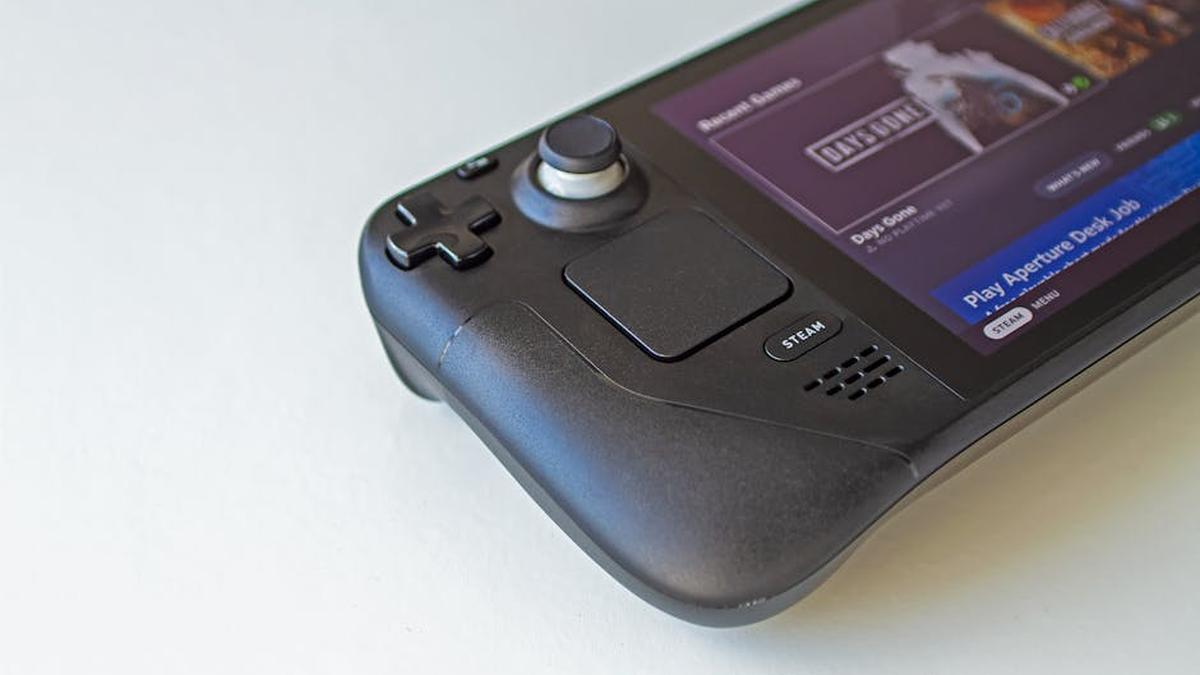
The Steam Deck OLED is Valve’s enhanced version of its acclaimed handheld gaming PC. It maintains the familiar ergonomic design of its predecessor but integrates a host of internal upgrades focused on display quality, battery life, and overall user comfort. At its core, it remains a Linux-based device (SteamOS) optimized for running PC games from your Steam library, but with broader compatibility for other launchers and emulators. The primary differentiator, as its name suggests, is the transition to an OLED display, promising deeper blacks, vibrant colors, and improved contrast, alongside efficiency gains that contribute to extended gameplay sessions. It is positioned as a premium refinement rather than a generational leap, catering to gamers who prioritize display fidelity and sustained portability.
Key Features
- OLED HDR Display: The centerpiece upgrade, a 7.4-inch (up from 7-inch) HDR OLED panel with a 90Hz refresh rate. It boasts a peak brightness of 1000 nits (HDR) and 600 nits (SDR), offering significantly improved visual fidelity, deeper blacks, and more vibrant colors compared to the original LCD.
- Enhanced Battery Life: A larger 50Wh battery (up from 40Wh) coupled with the more power-efficient OLED screen and APU delivers a claimed 30-50% increase in battery life, translating to 3-12 hours of gameplay depending on the title.
- Lighter Weight and Improved Thermals: The device is approximately 30 grams lighter, contributing to better long-term comfort. An improved fan and thermal system result in quieter operation and cooler exterior temperatures.
- Wi-Fi 6E: Upgraded wireless connectivity enables faster downloads and lower latency gameplay, especially beneficial for cloud streaming or large game installations.
- Bluetooth 5.3: Enhanced Bluetooth for more stable connections with peripherals and support for more advanced codecs.
- Improved Haptics: Redesigned haptic motors offer a more precise and satisfying tactile feedback experience.
- More Responsive Touchscreen: A 180Hz polling rate touchscreen provides snappier and more accurate touch input.
- Faster RAM: LPDDR5X RAM clocked at 6400 MT/s (up from 5500 MT/s) offers a marginal performance uplift and greater efficiency.
- Larger Storage Options: Available in 512GB and 1TB NVMe SSD configurations, with a micro SD card slot for further expansion.
- “New” AMD APU: While technically still based on the “Aerith” architecture, the new 6nm APU is more power-efficient, contributing to battery life and thermal improvements without a significant raw performance increase in gaming.
- Repairability: Valve has made efforts to improve the device’s repairability, with easier access to internal components.
Pros
- Stunning Display: The OLED panel is a game-changer, offering incredible contrast, vivid colors, and HDR support that significantly elevates the visual experience compared to its predecessor.
- Exceptional Battery Life: The combination of a larger battery and more efficient components leads to genuinely impressive battery longevity, making it ideal for extended gaming sessions on the go.
- Refined Ergonomics: Already comfortable, the slight weight reduction and cooler operation further enhance the handheld’s comfort for prolonged use.
- Quiet Operation: The improved cooling system results in a noticeably quieter fan, contributing to a more immersive gaming experience.
- Faster Connectivity: Wi-Fi 6E and Bluetooth 5.3 are welcome upgrades, improving download speeds, streaming quality, and peripheral connectivity.
- Robust Software Ecosystem (SteamOS): SteamOS continues to mature, offering a streamlined gaming experience with excellent Proton compatibility for a vast library of Windows-only titles.
- Price-to-Performance Ratio: For the enhancements offered, the pricing remains competitive, especially considering the quality of the OLED display and the overall package.
Cons
- No Significant Performance Uplift: While the APU is more efficient, raw gaming performance remains largely identical to the original Steam Deck. This is not a console generation leap, meaning frame rates won’t magically improve for existing games.
- Still a Linux Device: While SteamOS is robust, it still presents a learning curve and potential compatibility hurdles for users accustomed solely to Windows. Installing Windows natively is an option but comes with its own set of trade-offs regarding driver support and battery efficiency.
- Weight and Size: While lighter, it remains a relatively large and heavy handheld, which might be cumbersome for some users, particularly those with smaller hands or those seeking truly pocketable devices.
- Screen Resolution: The 1280×800 resolution is suitable for a 7.4-inch screen, but some might desire a higher pixel density for sharper images in certain titles, particularly those used to 1080p or higher laptop screens.
- No Dedicated eGPU Support: Unlike some rivals, there is no official or easy pathway to connect an external GPU for desktop-class performance, limiting its versatility as a primary PC.
- Limited Availability: Depending on region and demand, acquiring the Steam Deck OLED directly from Valve can sometimes involve wait times, although availability has generally improved since launch.
Who Should Buy This
- Existing Steam Deck Owners Prioritizing Display and Battery: If you love your original Steam Deck but crave a superior visual experience and significantly longer battery life, the OLED model is a compelling upgrade that justifies the investment.
- First-Time Handheld PC Gamers: For those new to the segment, the Steam Deck OLED offers an incredibly polished and accessible entry point with excellent hardware and a user-friendly operating system.
- Travelers and Commuters: The extended battery life and robust build make it an excellent companion for gaming on long trips or daily commutes without constant access to power outlets.
- Gamers with Large Steam Libraries: If your gaming largely resides within Steam, the Steam Deck OLED provides the most seamless and optimized experience for accessing and playing your existing library on the go.
- Value-Conscious Enthusiasts: While not inexpensive, the Steam Deck OLED delivers a premium handheld experience at a price point that undercuts many competitors offering similar (or inferior) displays.
Who Should Avoid This
- Users Seeking Maximum Raw Performance: If your primary goal is to play the absolute latest AAA titles at the highest frame rates possible on a handheld, devices with more powerful (and typically more power-hungry) APUs might be more suitable.
- Those Requiring Native Windows: While possible to install, the Steam Deck OLED is fundamentally designed around SteamOS. If you absolutely need a native Windows experience for specific applications or games, consider alternatives built for Windows.
- Budget-Constrained Buyers: While good value, the OLED model carries a premium price. The original LCD Steam Deck or other entry-level handhelds might be more appropriate for those on a strict budget.
- Users with the Original Steam Deck Who Are Content: If you are satisfied with your original Steam Deck’s display, battery life, and performance, the OLED model, while an improvement, may not represent a mandatory upgrade for your specific needs.
- Individuals Who Prefer Extremely Compact Devices: The Steam Deck OLED, while refined, retains a substantial form factor. If portability means something truly pocketable, this device will not meet that expectation.
Pricing Insight
The Steam Deck OLED is available in two primary configurations: 512GB and 1TB. The 512GB model is typically priced at $549, while the 1TB model is available for $649. These price points represent an impressive value proposition, especially when considering the significant display upgrade to HDR OLED, the larger battery, and other quality-of-life improvements such as Wi-Fi 6E and a lighter chassis. The 1TB model, in particular, offers a strong argument for its slightly higher cost, providing ample internal storage for a substantial game library without immediate reliance on microSD cards.
Related: Best External SSDs for PS5 & Xbox Series X in USA (2026)
Valve has strategically positioned the OLED model to replace the higher-tier LCD versions, while simultaneously reducing the price of the entry-level 256GB LCD Steam Deck to $399. This creates clear tiers, allowing consumers to choose between an excellent budget-friendly option and a premium, refined experience. Compared to other handheld PCs on the market in the USA, the Steam Deck OLED often provides a superior display and user experience at a comparable or even lower price point for its equivalent storage tiers, making it highly competitive in the upper-mid range of the handheld PC market.
Related: Samsung Odyssey G9 OLED vs Alienware AW3423DWF: Ultrawide QD-OLED Monitor Showdown
Comparison with ASUS ROG Ally
When considering a high-performance PC gaming handheld, the ASUS ROG Ally often emerges as the primary alternative to the Steam Deck OLED. While both devices aim to deliver portable PC gaming, they approach the experience from fundamentally different philosophies and hardware configurations.
Related: Logitech G Pro X Superlight 2 vs Razer DeathAdder V3 Pro: Best Wireless Lightweight Gaming Mouse?
- Performance: The ROG Ally, particularly with its AMD Ryzen Z1 Extreme APU, boasts significantly more raw graphical horsepower than the Steam Deck OLED’s efficient but less potent custom APU. This often translates to higher frame rates and the ability to play more demanding AAA titles at higher settings, or utilize its higher 120Hz refresh rate 1080p display more effectively.
- Operating System: The ROG Ally runs on Windows 11 natively, offering immediate compatibility with all Windows-based game launchers (Steam, Epic Games, Xbox Game Pass, GOG, etc.) and applications without emulation layers like Proton. This offers unparalleled flexibility but comes with the overhead and complexities of a full Windows environment on a small screen. The Steam Deck OLED, conversely, uses SteamOS, which is highly optimized for gaming and offers a console-like user experience, but requires Proton for many Windows games and can be less flexible for non-gaming tasks.
- Display: The Steam Deck OLED features a superior OLED panel, delivering stunning contrast, perfect blacks, and vibrant HDR. The ROG Ally’s display is a high-quality IPS LCD with 1080p resolution and a 120Hz refresh rate. While sharper at 1080p, it cannot match the visual richness and power efficiency of the OLED.
- Ergonomics & Portability: The Steam Deck OLED retains its larger, more comfortable grip, particularly for extended sessions, and is slightly lighter than the original LCD model. The ROG Ally is noticeably more compact and lighter than the Steam Deck OLED, making it arguably more portable, though some users find its flatter grips less ergonomic.
- Battery Life: The Steam Deck OLED holds a significant advantage in battery life due to its larger battery and more power-efficient components. The ROG Ally, with its more powerful APU and standard LCD, typically offers shorter battery endurance, especially when pushed.
- Price: The ROG Ally (Z1 Extreme model) generally starts at a higher price point than the Steam Deck OLED, especially when comparing similar storage tiers.
In summary, the Steam Deck OLED excels in display quality, battery life, and a streamlined, console-like software experience tailored for gaming. The ROG Ally offers superior raw performance and the versatility of a native Windows environment, albeit with compromises in battery life and display technology (compared to OLED). Your choice hinges on prioritizing either the refined, long-lasting gaming experience of the Steam Deck OLED or the raw power and Windows flexibility of the ROG Ally.
Related: Elgato Wave 3 vs Rode NT-USB+: Best USB Microphone for Streaming and Podcasting
Final Verdict
The Steam Deck OLED is not merely an incremental upgrade; it is a meticulously refined device that significantly enhances the already excellent Steam Deck experience. Valve has listened to feedback and delivered on key areas of improvement, primarily the display and battery life, transforming the portable gaming experience from great to exceptional. The HDR OLED screen is a revelation, providing visuals that rival dedicated high-end gaming monitors, while the substantial boost in battery life liberates players from constant charging anxiety.
Related: Backbone One vs Razer Kishi V2: Best Mobile Controller for iPhone & Android Gaming
While it doesn’t offer a significant leap in raw gaming performance, which remains consistent with the original Steam Deck, its existing capabilities are more than sufficient for the vast majority of Steam’s extensive library at its native 800p resolution. The quieter operation, lighter chassis, and improved connectivity further polish an already compelling package.
For existing Steam Deck owners seeking the ultimate portable visual and endurance upgrade, or for newcomers looking for the definitive entry into handheld PC gaming, the Steam Deck OLED is arguably the top contender in 2024. It strikes an almost perfect balance between performance, portability, ergonomics, and display quality within its price bracket. Valve has once again demonstrated its commitment to the handheld PC space, delivering a product that sets a new benchmark for what a portable gaming experience can and should be.
Is the Steam Deck OLED worth upgrading to if I already own the original Steam Deck?
Yes, for many, the Steam Deck OLED is a worthwhile upgrade. It features a larger, more vibrant OLED screen, significantly improved battery life, faster Wi-Fi 6E, reduced weight, and quieter fan operation. If display quality, battery longevity, and overall user experience enhancements are important to you, the OLED model offers substantial improvements over the LCD version.
How does the Steam Deck OLED’s performance compare for playing demanding AAA games in 2024?
While the core CPU and GPU architecture remains largely the same as the original, the OLED model benefits from faster RAM, which can provide minor performance uplifts in some demanding titles. It excels at playing a vast library of AAA PC games at its native 720p/800p resolution with good frame rates, often requiring some graphical setting adjustments for newer, more intensive titles to achieve optimal performance.
What kind of battery life can I realistically expect from the Steam Deck OLED during typical gaming sessions?
The Steam Deck OLED features a larger 50Wh battery and a more power-efficient OLED screen, leading to significantly extended playtimes. You can realistically expect anywhere from 3 to 12 hours of gameplay, depending heavily on the game’s demands, screen brightness, and settings. Less graphically intensive indie games will yield much longer battery life compared to demanding AAA titles.
Is the Steam Deck OLED the best value for a portable PC gaming handheld compared to other options on the market?
For its combination of price, robust performance, deep integration with the Steam ecosystem, user-friendly SteamOS, and now its stunning OLED display and improved battery life, the Steam Deck OLED is widely regarded as offering the best value in the portable PC gaming handheld market in 2024. While more powerful (and more expensive) Windows-based handhelds exist, the Steam Deck OLED delivers the most balanced and accessible experience for the majority of gamers.
Related Products
- NVIDIA GeForce RTX 4070 Super Review: Performance & Price for High-End PC Builds in the USA
- Elgato Stream Deck MK.2 Review: Your Essential Companion for Stream Production in 2024
- Shure MV7 Microphone Review: Is This Hybrid USB/XLR Mic The Best For USA Streamers?
- HyperX Cloud III Wireless Headset Review: Comfort, Audio & Value for American Gamers
- SteelSeries Apex Pro TKL Wireless (2023) Review: Best OmniPoint Keyboard for Fast-Paced Gaming?