



Introduction
In the fiercely competitive landscape of digital content creation, superior audio quality is no longer a luxury but a fundamental necessity. For podcasters, live streamers, and professional gamers across the United States, a clear, articulate, and engaging vocal presence can define their brand and audience retention. This analysis delves into two titans of the microphone world, the legendary Shure SM7B and the highly acclaimed Rode NT1, dissecting their capabilities, nuances, and suitability for the demanding environments of modern streaming and podcasting.
Both microphones represent significant investments for content creators, yet they achieve their acoustic brilliance through distinctly different engineering philosophies. Our objective is to provide an authoritative comparison, guiding prospective buyers through the technical specifications, real-world performance, and practical considerations to help determine which microphone is the optimal choice for their specific needs and setup.
Comparison Table
| Feature | Shure SM7B | Rode NT1 |
|---|---|---|
| Microphone Type | Dynamic (Moving Coil) | Condenser (Large Diaphragm) |
| Polar Pattern | Cardioid | Cardioid |
| Frequency Response | 50 Hz – 20 kHz | 20 Hz – 20 kHz |
| Connectivity | XLR | XLR |
| Approx. Price (USD, mic only) | $399 – $429 | $269 – $299 (often includes shock mount & pop filter) |
| Requires Interface/Preamp | Yes, requires significant gain (60dB+ recommended) | Yes, requires 48V Phantom Power |
| Self-Noise (A-weighted) | N/A (Dynamic mics typically have negligible self-noise) | 4 dB-A (Extremely Low) |
| Sound Profile | Warm, smooth, broadcast-ready, excellent bass response | Clear, transparent, detailed, articulate, natural |
| Off-Axis Rejection | Exceptional (minimizes room noise) | Good (typical for cardioid condenser) |
| Included Accessories | Built-in pop filter, internal shock mount, locking yoke mount | Often includes Rycote Lyre shock mount & pop filter |
| Ideal Environment | Untreated rooms, live settings, noisy environments | Treated rooms, quiet studio environments |
Note: Prices are approximate and subject to change based on retailer, sales, and bundled offers. Related: SteelSeries Apex Pro TKL Wireless (2023) Review: Best OmniPoint Keyboard for Fast-Paced Gaming?
Shure SM7B Overview
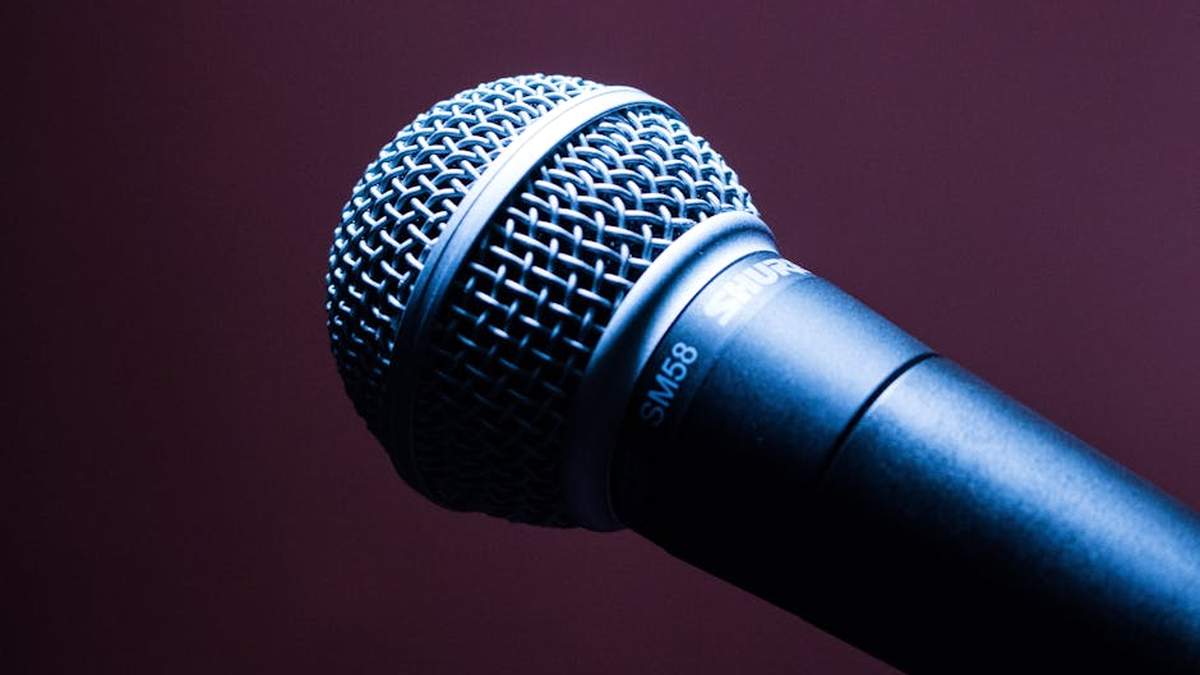
The Shure SM7B is an undisputed legend in the audio industry, having graced countless radio stations, podcast studios, and recording booths for decades. Its robust construction and distinctive design are immediately recognizable. This dynamic microphone is engineered for vocal performance, offering a smooth, flat, wide-range frequency response suitable for music and speech. It features excellent shielding against electromagnetic hum and includes an internal air suspension shock isolation system, along with an effective pop filter, eliminating the need for many external accessories. Related: Best USB Microphones for Game Streaming in USA (2026)
What sets the SM7B apart is its ability to capture rich, intimate vocal tones while simultaneously rejecting off-axis noise with remarkable efficiency. This characteristic makes it a favorite in less-than-ideal acoustic environments, a common reality for many home podcasters and streamers. However, its low sensitivity necessitates a high-quality, high-gain preamplifier, often requiring additional investment in an inline preamp like a Cloudlifter or FetHead. Related: PlayStation 5 vs Xbox Series X: Which Next-Gen Gaming Console Wins for USA Buyers in 2024?
Rode NT1 Overview
The Rode NT1 stands as a modern classic in the world of large-diaphragm condenser microphones. Renowned for its incredibly low self-noise (a mere 4 dB-A), the NT1 captures audio with pristine clarity and transparency, revealing subtle nuances that might be missed by other microphones. It boasts a balanced frequency response that aims for neutrality, making it versatile for a wide array of applications, from vocals to acoustic instruments. Related: Xbox Series S vs PS5 Digital Edition: Best Budget Gaming Console Value for USA Shoppers
Often sold as a “Studio Kit,” the NT1 typically comes bundled with Rode’s excellent Rycote Lyre shock mount and a high-quality pop filter, providing a complete solution for studio-quality recording right out of the box. Its high sensitivity means it can capture detail from a distance, but this also implies it will be more susceptible to picking up room reflections and ambient noise, making a treated acoustic space highly beneficial for optimal performance. Related: Elgato Stream Deck MK.2 Review: Your Essential Companion for Stream Production in 2024
Feature Comparison: A Deeper Dive
Microphone Type & Sound Signature
- Shure SM7B (Dynamic): Dynamic microphones are inherently less sensitive and more robust, making them excellent at isolating the intended sound source. The SM7B’s sound is often described as warm, rich, and “broadcast-ready,” with a natural proximity effect that enhances bass response when speaking close to the mic. This makes voices sound full and authoritative, a highly desirable trait for podcasts and voice-overs. Its internal humbucking coil effectively rejects electromagnetic interference from computer monitors and other equipment, a huge plus for streamers.
- Rode NT1 (Condenser): Condenser microphones are known for their sensitivity and ability to capture fine detail. The NT1 provides a very clean, transparent, and accurate representation of the sound source. Its extended frequency response (20 Hz – 20 kHz) captures both deep lows and airy highs, offering a nuanced and natural sound that excels in capturing the true timbre of a voice or instrument. The extremely low self-noise ensures that your recordings are free from distracting hiss, even during quiet passages.
Gain Requirements & Power
- Shure SM7B: This microphone is notoriously gain-hungry. While a standard audio interface might provide 40-50dB of gain, the SM7B often requires 60dB or more for optimal levels, especially for quieter voices. This frequently necessitates an additional inline preamp (e.g., Cloudlifter CL-1) to boost the signal without introducing noise, adding to the overall cost and complexity of the setup.
- Rode NT1: As a condenser microphone, the NT1 requires 48V phantom power, which is standard on virtually all modern audio interfaces and mixers. Its high output means it doesn’t demand excessive gain from your preamp, making it easier to achieve good signal-to-noise ratios with a wider range of interfaces.
Room Acoustics & Noise Rejection
- Shure SM7B: The SM7B’s dynamic nature and exceptional off-axis rejection make it incredibly forgiving in untreated or noisy environments. It primarily picks up sound directly in front of it, minimizing background noise from computer fans, air conditioning, keyboard clicks, and even moderately loud room reflections. This is a crucial advantage for US podcasters and gamers operating out of home offices or bedrooms.
- Rode NT1: The NT1’s high sensitivity and ability to capture detail mean it will also pick up more of the room’s acoustic character. While its cardioid pattern focuses on the front, it will be more susceptible to capturing reverb, echoes, and ambient noise from an untreated space. For the NT1 to truly shine, a relatively quiet and acoustically treated room is highly recommended.
Pros and Cons
Shure SM7B
- Pros:
- Iconic Broadcast Sound: Delivers a warm, rich, and authoritative vocal tone synonymous with professional radio and podcasts.
- Exceptional Noise Rejection: Superb at rejecting room noise, keyboard clicks, and other ambient distractions, ideal for untreated rooms.
- Durable & Robust: Built like a tank, designed to withstand years of heavy use.
- Built-in Features: Integrated pop filter and internal shock mount reduce the need for external accessories.
- Handles Loud Sources: Excellent for strong vocalists, screamers, or loud gaming sessions without clipping.
- Cons:
- High Cost: Significant initial investment, often requiring an additional inline preamp.
- Gain Hungry: Requires a high-quality, high-gain audio interface or a dedicated inline preamp, adding to setup complexity and cost.
- Less Detailed: Compared to a high-quality condenser, it may capture fewer subtle vocal nuances.
- Less Versatile: Primarily optimized for vocals; less ideal for capturing instruments with intricate detail.
Rode NT1
- Pros:
- Pristine Clarity & Detail: Captures audio with exceptional transparency, detail, and naturalness.
- Extremely Low Self-Noise: One of the quietest microphones on the market, ensuring clean recordings free of hiss.
- Excellent Value: Often comes as a kit with a superb shock mount and pop filter, providing great value for its performance.
- Versatile: Excels on vocals, acoustic instruments, and general voice-over work.
- High Sensitivity: Captures nuances effectively, even from a slight distance.
- Cons:
- Room Dependent: Its high sensitivity can pick up more room reflections and ambient noise, requiring a quieter or acoustically treated space.
- Condenser Fragility: More sensitive to physical shock and humidity compared to dynamic mics.
- Phantom Power Required: Needs 48V phantom power, though this is standard on most modern interfaces.
- Can Be Sibilant: The crystal-clear highs can sometimes emphasize sibilance (sharp ‘s’ sounds) if not properly managed with technique or EQ.
Which One is Better For Whom?
Choose the Shure SM7B if you are:
- A Podcaster/Streamer in an Untreated Room: If your recording space has echoes, background noise (e.g., computer hum, street noise, family), or you simply cannot acoustically treat your room, the SM7B’s superior noise rejection is invaluable.
- Seeking a Classic Broadcast Voice: If you desire that warm, authoritative, and intimate radio voice quality, the SM7B delivers it consistently.
- A Gamer with Loud Peripherals or Speech: The SM7B excels at focusing on your voice while minimizing keyboard clacks, mouse clicks, and the dynamic shifts of gaming communication. It can also handle very loud vocal delivery without distorting easily.
- Willing to Invest in a High-Gain Preamp: Understand that the SM7B’s full potential is unlocked with a dedicated inline preamp like a Cloudlifter or a high-end interface with ample clean gain.
- Prioritizing Durability: For a mic that can take a beating and last for decades, the SM7B is legendary.
Choose the Rode NT1 if you are:
- A Podcaster/Streamer in a Quiet or Treated Room: If you have a dedicated recording space that is acoustically treated or inherently very quiet, the NT1 will reward you with unparalleled clarity.
- Prioritizing Pristine Clarity and Detail: For a natural, transparent sound that captures every nuance of your voice, the NT1 is exceptional, making it great for voice actors, ASMR, or nuanced narration.
- On a More Restricted Budget but Demand High Quality: The NT1 offers world-class sound quality at a significantly lower price point than the SM7B, especially considering it often includes essential accessories.
- Recording Music (Vocals & Instruments): Its versatility and detailed capture make it a fantastic choice for recording acoustic instruments alongside vocals.
- Seeking a Simpler Setup (Power-wise): It only requires standard 48V phantom power, available on most interfaces, without the need for an additional inline preamp.
Final Verdict
The choice between the Shure SM7B and the Rode NT1 is less about which microphone is inherently “better” and more about which one is better suited for your specific environment, budget, and desired sound profile as a US podcaster or gamer. Both are phenomenal microphones that have earned their places at the top of their respective categories.
For those operating in less-than-perfect acoustic environments, the Shure SM7B stands as the ultimate workhorse. Its unparalleled ability to isolate your voice from background noise makes it a game-changer for home studios and live streaming. While it demands a higher overall investment due to its gain requirements, the resulting warm, broadcast-quality audio is often considered the gold standard for speech.
Conversely, if your recording space is quiet and/or acoustically treated, the Rode NT1 offers an extraordinary value proposition. Its breathtaking clarity, ultra-low self-noise, and ability to capture intricate detail provide a pristine, natural sound that can elevate any production. It’s an ideal choice for those seeking studio-grade fidelity without the SM7B’s higher price tag and gain demands.
Ultimately, evaluate your recording environment first. If noise is a constant battle, the SM7B is your fortress. If clarity and detail in a controlled environment are paramount, the NT1 is your crystal-clear window to exceptional audio. Choose wisely, and empower your voice with professional-grade sound.
Considering their price points, which microphone provides the best overall value for US podcasters and gamers looking for a professional sound without breaking the bank?
The Rode NT1 generally offers superior value, especially as it often comes bundled with essential accessories like a shock mount and pop filter. Its lower price point combined with excellent sound quality makes it an attractive option for those prioritizing budget. The Shure SM7B is a significant investment and usually requires an additional inline preamp (like a Cloudlifter) due to its low output, increasing the total cost.
For capturing clear, broadcast-quality speech for podcasts and lively gaming commentary, which microphone excels more in delivering a polished, professional sound to my audience?
The Shure SM7B is legendary for its warm, smooth, broadcast-ready sound that is often heard on professional radio and podcasts. It excels at making voices sound rich and authoritative. The Rode NT1, while having a very clean and transparent sound, offers pristine clarity and detail. For a naturally polished, “radio-ready” vocal tone that often requires less post-processing, many podcasters gravitate towards the SM7B. For a highly detailed, neutral sound that provides a great canvas for mixing, the NT1 is superb.
What specific additional equipment (e.g., audio interface, preamp) is essential for each microphone to achieve optimal performance for a home studio setup, and which might be easier for a new user to get up and running?
The Shure SM7B is a dynamic microphone with a very low output, meaning it absolutely requires an audio interface with high-gain preamps (60dB+) or an inline preamp (like a Cloudlifter or FetHead) to get a usable signal. This adds to its complexity and cost. The Rode NT1, being a condenser microphone, requires phantom power (typically supplied by any standard audio interface) but has a much higher output level, making it significantly easier to drive and integrate into a basic home studio setup without additional gain-boosting hardware.
My recording space isn’t perfectly acoustically treated; which microphone is more forgiving of untreated room environments and better at rejecting background noise for clean podcasting or streaming?
The Shure SM7B is renowned for its excellent off-axis rejection and ability to minimize room noise and reflections, thanks to its dynamic design and tight cardioid pickup pattern. This makes it an outstanding choice for untreated or noisy home environments, as it primarily focuses on the sound directly in front of it. The Rode NT1, as a sensitive condenser microphone, will pick up more of the room’s natural acoustics and ambient sounds, potentially requiring more acoustic treatment or careful placement to achieve a clean recording.
Related Products
- Alienware AW3423DWF vs Samsung Odyssey G8 OLED: Best Ultrawide Gaming Monitor for USA PC Gamers
- Elgato Facecam Pro vs Razer Kiyo Pro Ultra: Top 4K Streaming Webcam for USA Content Creators in 2024
- Xbox Series S vs PS5 Digital Edition: Best Budget Gaming Console Value for USA Shoppers
- SteelSeries Apex Pro Mini vs Wooting 60HE: Rapid Trigger Gaming Keyboard Showdown for US Esports Fans
- Nintendo Switch OLED vs Steam Deck: The Ultimate Portable Gaming Console Comparison for USA Gamers